Discover the Secret Beaches of Costa del Sol
Fancy ditching the crowds and finding a slice of Andalusian paradise all to yourself? You’re in luck. The Costa del Sol, often thought of as a string of bustling resorts, act…
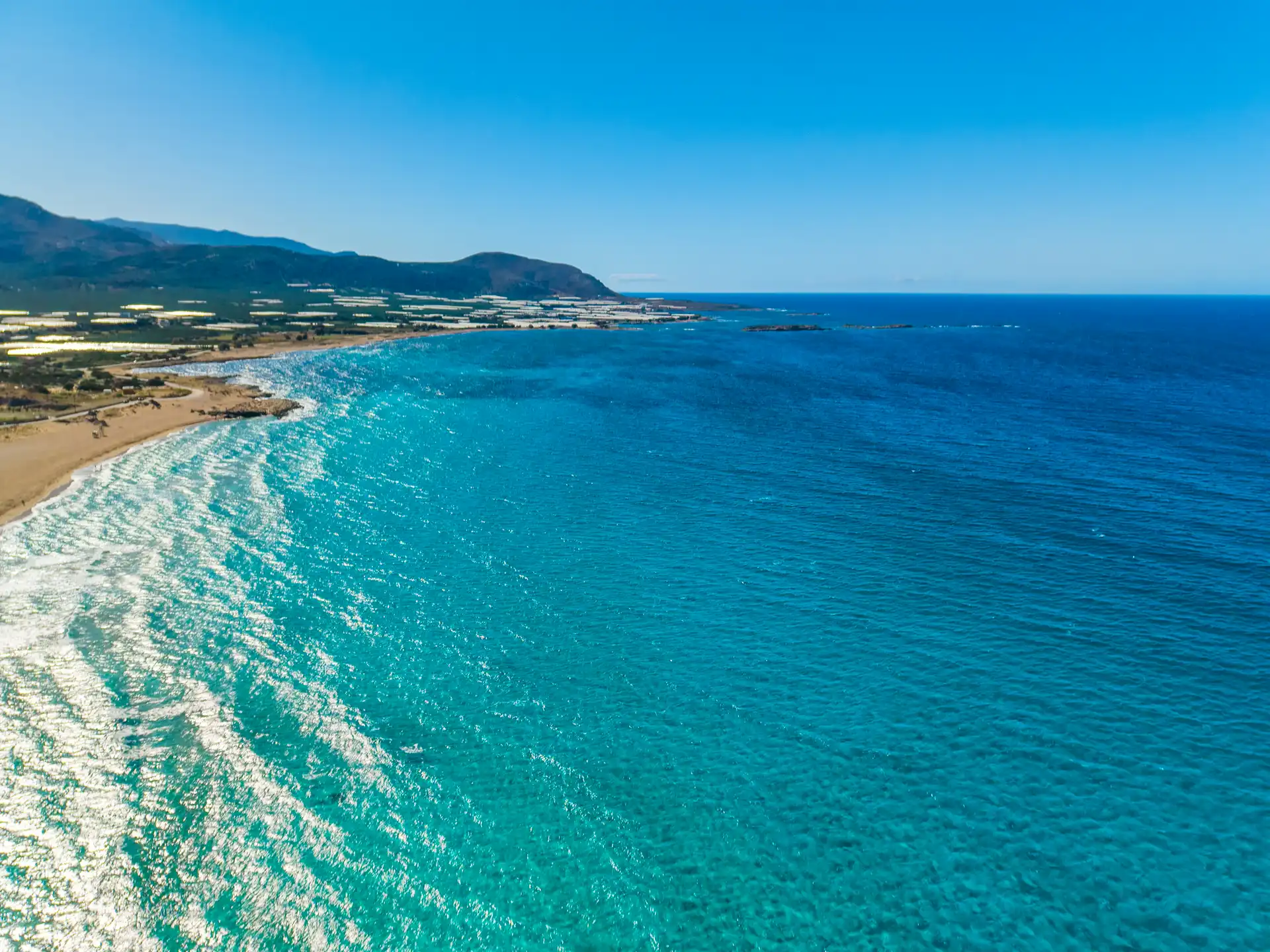
Fancy ditching the crowds and finding a slice of Andalusian paradise all to yourself? You’re in luck. The Costa del Sol, often thought of as a string of bustling resorts, actually hides some truly special, more secluded beaches. It’s less about a single “secret” and more about knowing where to look, and thankfully, many of these quieter spots are surprisingly accessible. Get ready to swap the sunbeds for sand dunes and the beach bars for the soothing sound of waves.
The Costa del Sol conjures images of packed promenades and rows of sun loungers. And yes, that’s definitely part of it. But peel back that layer, and there’s a whole other side waiting to be discovered. Think rugged coastlines, fewer people, and that feeling of stumbling upon something truly your own. These beaches aren’t necessarily difficult to reach; they just require a little more intention. Often, they’re found just a short drive off the main coastal road, or even walkable from a slightly less developed town. The key is looking for areas that aren’t dominated by huge hotel complexes or sprawling apartment blocks.
What Makes a Beach “Secret”?
It’s not so much about exclusivity as it is about relative quiet and natural charm. A “secret” beach on the Costa del Sol probably means:
- Fewer Amenities: Forget rows of chiringuitos and souvenir shops. You might find one or two simple beach bars, or even none at all. This is where you’ll want to pack your own picnic.
- Natural Surroundings: Expect more undeveloped landscapes, rocky outcrops, shrubbery, and a general sense of being closer to nature.
- Less Foot Traffic: While they’re not completely deserted (especially during peak season), you’ll enjoy significantly more personal space than at the major tourist hubs.
- Local Gems: Often, these are the beaches locals head to when they want to escape the summer rush.
The Geographic Clues
If you’re looking at a map, keep an eye out for:
- Areas marked as “Paraje Natural” (Natural Park): These protected zones are usually less developed.
- Coastlines with cliffs or rocky formations: These often mean less development and more secluded coves.
- Towns that are smaller and less resort-focused: Think more traditional villages rather than purpose-built tourist towns.
Eastward Bound: The Undiscovered Eastern Costa
While the western Costa del Sol often steals the spotlight (and the crowds), the eastern stretch, from Málaga out towards Almería, offers a gentler, more authentic experience. This is where many of the more untouched and genuinely “secret” spots tend to be clustered. It’s a bit wilder, a bit more rugged, and significantly less commercialized.
Maro: A Natural Paradise Near Nerja
Just a stone’s throw east of the ever-popular Nerja, you’ll find the Acantilados de Maro-Cerro Gordo Natural Park. This isn’t just one beach; it’s a series of stunning coves nestled within dramatic cliffs. These beaches are incredibly picturesque, with clear waters and a more natural feel.
How to Get There
Access can involve a bit of a walk down paths that are sometimes steep, adding to the sense of discovery. Parking can be limited, so arriving earlier in the day is a good idea, especially in summer.
What to Expect at Maro Beaches
- Playa de Maro: This is arguably the most accessible and well-known of the Maro coves. It’s beautiful, with fine sand and impressive cliffs. You’ll find some basic services here during peak season, like a small chiringuito, but it retains its natural charm.
- Cala del Pino: A bit more secluded, requiring a longer walk down. It’s surrounded by pine trees, offering some natural shade.
- Playa de Cantarriján: Further east, this beach is split into two sections: one officially nudist and the other mixed. It’s known for its clear waters, often sought after by snorkelers, and the dramatic rock formations. Access here can be via a shuttle bus in summer or a walk.
El Playazo de Nerja: Spacious and Scenic
Still within the municipality of Nerja, but often overlooked in favor of the town’s urban beaches, El Playazo is a long, wide stretch of coarse sand and pebbles. It’s wider and less developed than many other beaches in the area, giving it a more open and relaxed feel.
Why El Playazo?
- Space to Breathe: Even in summer, it’s easier to find your own patch of sand here compared to the more central beaches.
- Natural Setting: You’re backed by agricultural land and the occasional villa, rather than dense development.
- Chiringuito Charm: There are usually a couple of excellent, unfussy chiringuitos here that serve fantastic fresh fish. These add to the atmosphere without overwhelming it.
Getting to El Playazo
It’s easily accessible by car, with a good-sized parking area. A short walk from the car park leads you onto the beach.
The Labyrinth of Coves Near La Herradura
Moving a little further east from Nerja (and technically into the province of Granada, but a common extension of a Costa del Sol trip), the coastline around La Herradura is riddled with smaller, often very secluded coves. These are the true “secret” spots for those willing to explore.
Calaiza, Cala del Cañuelo, and More
These names might not be on every tourist map, and that’s precisely their appeal. Think of them as little pockets of sand and shingle nestled between rocky headlands.
Playa de la Herradura (The Main Beach)
While not a secret, the main beach of La Herradura is a lovely, horseshoe-shaped bay that’s generally less hectic than its Torremolinos or Marbella counterparts. It’s a good base for exploring the smaller coves nearby.
Exploring the Smaller Calas
To find the truly hidden gems, you’ll need to be prepared for a bit of an adventure.
- Walking Paths: Many of these coves are best accessed via coastal walking paths. Some are well-trodden, while others are more rugged.
- Kayaking or Paddleboarding: Renting a kayak or paddleboard from La Herradura or nearby is a fantastic way to discover coves that are inaccessible by land. You can paddle into small sea caves and rocky inlets.
- What to Bring: Since amenities are scarce, pack plenty of water, snacks, and sun protection.
Westward Wanderings: Less Busy Pockets West of Málaga
While the eastern side is generally wilder, there are still pockets of tranquility to be found as you head west from Málaga, particularly as you move beyond the most built-up areas. These spots often require a bit more searching or are simply less well-advertised.
Playa de la Cala Mijas: A Family-Friendly Escape
Playa de la Cala Mijas is the main beach of the charming village of La Cala de Mijas. While the village itself has grown, the beach retains a more traditional feel than many of the larger resorts. It’s a long, wide beach with fine sand, backed by the attractive village promenade.
Why it’s a Good Compromise
- Atmosphere: La Cala de Mijas has a lovely village atmosphere, with a good selection of restaurants and bars that feel more local than touristy.
- Space: Due to its size, it’s easier to find a comfortable spot even during busier times.
- Amenities: You have access to services like lifeguards, sunbed rentals, and beach bars, but it doesn’t feel as overwhelming as some of the larger resorts.
Golden Sands and Local Flavors
The sand here is golden and generally soft, making it pleasant for lounging. The real draw, besides the space, is its proximity to the village’s excellent seafood restaurants and tapas bars.
Bolonia: A Natural Spectacle Further Afield
If you’re willing to venture a bit further west, past Tarifa and considered the very edge of the Costa del Sol (or the start of the Costa de la Luz, depending on your definition), Playa de Bolonia is an absolute must-see. It’s not “secret” in the sense that no one knows about it, but it’s a vast natural park that feels worlds away from the developed resorts.
The Dunes of Bolonia
The star attraction here is the massive dune that stretches inland. It’s an incredible natural phenomenon, creating a unique landscape. You can climb the dune for breathtaking views. What’s truly magical is that it’s so large, you can still find quiet spots even on a busy day.
Roman Ruins and Crystal Waters
What makes Bolonia even more special is the presence of the Roman ruins of Baelo Claudia right on the beach. It’s a stunning contrast of ancient history and natural beauty. The water here is incredibly clear and often turquoise, perfect for swimming.
Accessing Bolonia
It requires a dedicated trip, usually by car, as it’s a fair drive from Málaga or Marbella. There’s a small parking area, but it can fill up.
What to Pack for Bolonia
- Plenty of Water: Essential due to the heat and the large open space.
- Sunscreen and Hat: The sun is intense, and there’s not much natural shade on the main beach.
- Food: There are a couple of chiringuitos, but bringing a picnic is a wise choice to maximize your time exploring.
The Costa del Sol’s Rocky Retreats: Calas Escondidas
Beyond the sandy stretches, many of the Costa del Sol’s most “secret” spots are actually small, rocky coves, known as “calas.” These are often more challenging to reach but reward you with an intimate beach experience.
Exploring by Kayak
This is truly the best way to discover many of these secluded calas. Renting a kayak from towns like Nerja, La Herradura, or even further west can unlock a whole new layer of coastal exploration. You can paddle along the cliffs and find tiny inlets accessible only from the sea.
What to Look For in a Cala
- Sheltered Bays: Calas are often nestled in natural bays, offering protection from the open sea.
- Rocky Exits: Access might involve scrambling over rocks, so sturdy footwear is a good idea.
- Snorkeling Potential: The rocky bottoms and clear waters are often fantastic for snorkeling, attracting marine life.
Examples of Rocky Retreats (requiring a bit of research and exploration)
- Near Estepona: As you move west past the main town, the coastline becomes a bit more rugged, and you can find quieter spots. Look for smaller paths leading down from the roadside.
- The coastline between Fuengirola and Marbella: While densely developed in parts, there are still stretches where smaller calas can be found, particularly if you’re willing to walk a little.
Practical Tips for Secret Beach Hunting
Finding these quieter havens is easier if you go prepared. It’s not about staying in a five-star resort and expecting someone to lead you there; it’s about a bit of DIY exploration.
Packing the Essentials
Since many of these beaches lack extensive facilities, think self-sufficiency.
- Plenty of Water: This is non-negotiable, especially during the summer months. Hydration is key.
- Sunscreen, Hat, and Sunglasses: The Andalusian sun is strong, and natural shade can be scarce on more exposed beaches.
- Picnic: Pack sandwiches, fruit, and snacks. There might be a small kiosk, but don’t rely on extensive food options.
- Beach Towels and Mats: You’ll likely be setting up your own little patch of paradise.
- Snorkel Gear: Many of these coves have clear waters perfect for exploring underwater.
- Sturdy Footwear: If you plan on exploring rocky calas or walking down steep paths, comfortable and supportive shoes are a good idea. Flip-flops are fine for the sand, but not for the trek.
- A Good Book (or Music): For quiet relaxation.
- A Small Bag for Rubbish: Please, please, please take all your rubbish with you. Leave these beautiful places as you found them.
Navigating and Accessing
Don’t expect flashy signs pointing the way to every hidden cove.
- Google Maps (with a caveat): Use satellite view and street view to scout potential access points. Look for small tracks or informal parking areas. However, be aware that not all paths are marked.
- Local Knowledge: If you’re in a smaller town, don’t be afraid to ask locals. They might point you in the general direction, though they might be coy about their absolute favorites.
- Parking: Parking can be a challenge. Sometimes it’s informal roadside parking, but always be mindful of local regulations and avoid blocking paths or private property. Arriving early is your best bet.
- Walking: Be prepared for some walking. Access to many of these beaches often involves a short hike down from the road, sometimes on sandy or rocky paths.
Timing is Everything
When you visit can make a huge difference in how “secret” a beach feels.
- Shoulder Seasons: Spring (April-May) and Autumn (September-October) are ideal. The weather is still warm and pleasant for swimming, but the crowds have dissipated.
- Weekdays: If you’re visiting during peak summer, aim for weekdays rather than weekends. Beaches are often less crowded midweek.
- Early Mornings and Late Afternoons: Even on busy days, the early hours of the morning or the late afternoon/early evening can offer a more peaceful experience.
The “Secret” Beach Mindset: What to Expect
Embracing the spirit of discovery is key. These aren’t manicured resorts; they are slices of nature.
Embrace the Simplicity
The magic of these beaches lies in their understated beauty. You’re there for the sun, the sea, and the peace. Don’t expect a wide array of water sports or bustling promenades, that’s precisely the point.
Respect the Environment
These are natural spaces, and it’s crucial to leave them as you found them, if not better.
- No Litter: Take everything you bring with you.
- Be Mindful of Wildlife: Observe from a distance and don’t disturb nesting birds or marine life.
- Stay on Marked Paths: Where paths exist, stick to them to prevent erosion and protect vegetation.
The Reward of the Search
The effort involved in finding a less-known beach often amplifies the enjoyment. There’s a satisfaction in discovering your own little piece of paradise, far from the madding crowds. It’s about the journey as much as the destination. So, lace up your walking shoes, pack a good picnic, and get ready to find your own slice of Costa del Sol serenity.
FAQs
What are the hidden beaches in Costa del Sol?
Costa del Sol is home to several hidden beaches that are less crowded and offer a more secluded experience. Some of these hidden gems include Playa de la Viborilla, Playa del Canuelo, and Playa de la Rijana.How can I access the hidden beaches in Costa del Sol?
Access to the hidden beaches in Costa del Sol varies, but many can be reached by car, followed by a short walk or hike. Some beaches may also be accessible by boat or kayak, offering a unique and adventurous way to reach these secluded spots.What amenities can I expect at the hidden beaches in Costa del Sol?
Since these beaches are hidden and less frequented by tourists, they may have limited amenities. Visitors should expect fewer facilities such as restaurants, beach bars, and rental services. It’s advisable to bring your own food, drinks, and beach essentials when visiting these hidden beaches.Are the hidden beaches in Costa del Sol suitable for families?
While some hidden beaches may be suitable for families, it’s important to note that these secluded spots may not have lifeguards on duty or designated swimming areas. Families with children should exercise caution and ensure they have the necessary supplies for a day at the beach.What should I consider before visiting the hidden beaches in Costa del Sol?
Before visiting the hidden beaches in Costa del Sol, it’s important to check the weather and sea conditions, as well as the accessibility of the beach. Visitors should also be mindful of preserving the natural beauty of these hidden gems by practicing responsible tourism and leaving no trace behind.More from Hidden Gems
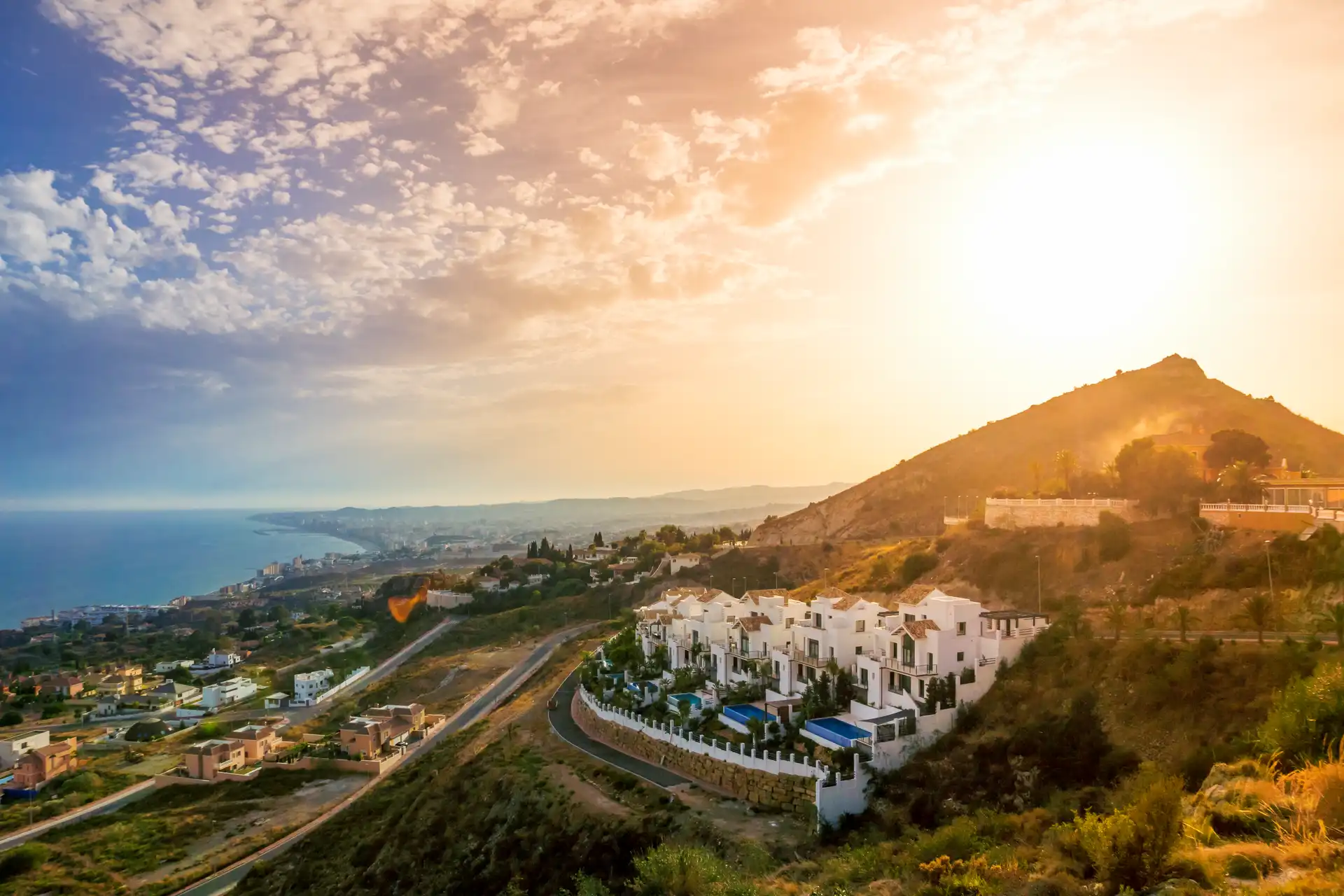
Chic Costa del Sol: Boutique Bliss
So, you’re thinking about a trip to the Costa del Sol but want to skip the mega-resorts and find something a little more… special? You’re …
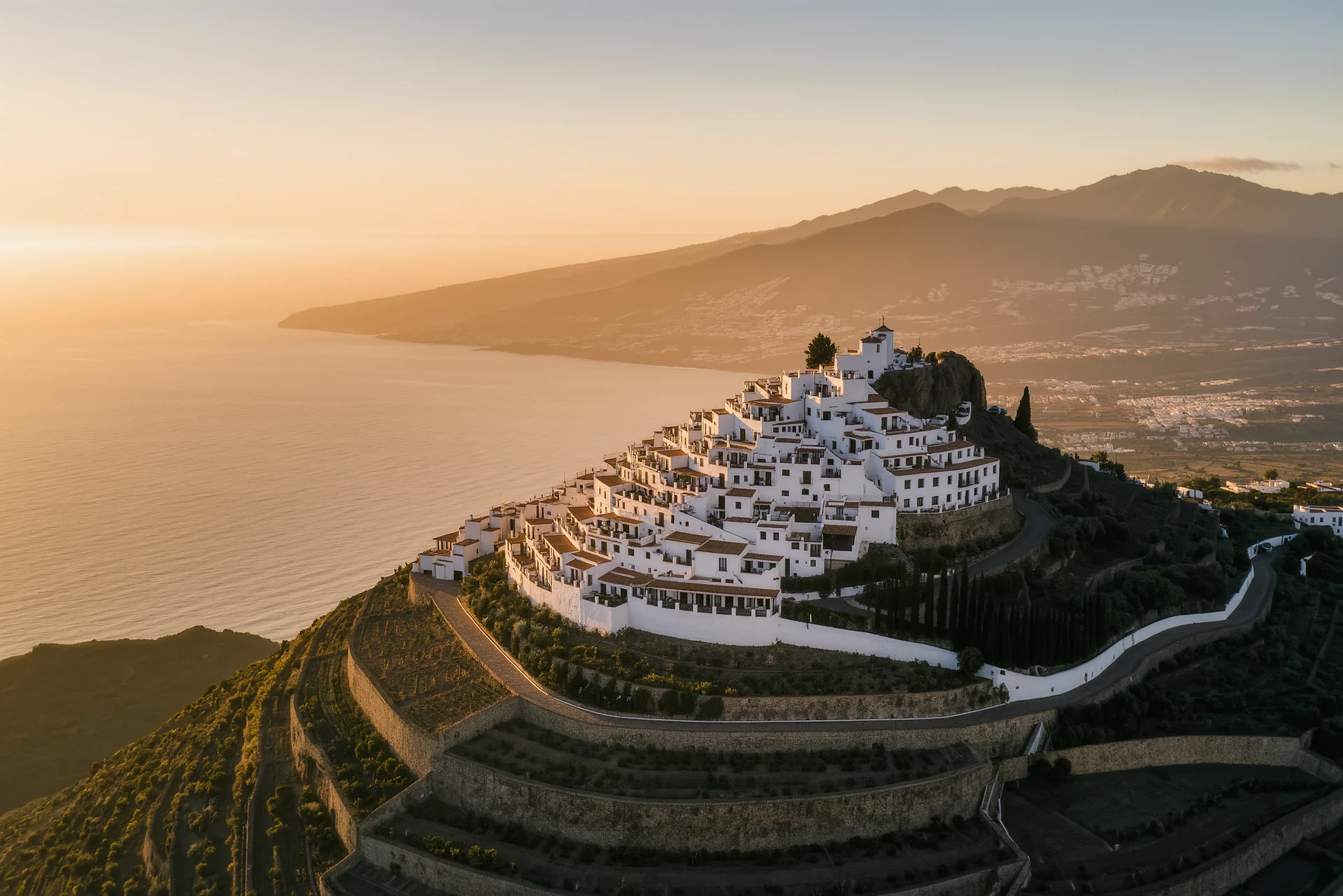
Charming Towns Near Marbella: Exploring the Costa del Sol
Looking for that quintessential Spanish charm beyond the glitz of Marbella? You’re in luck! The Costa del Sol is dotted with genuinely lovely to…
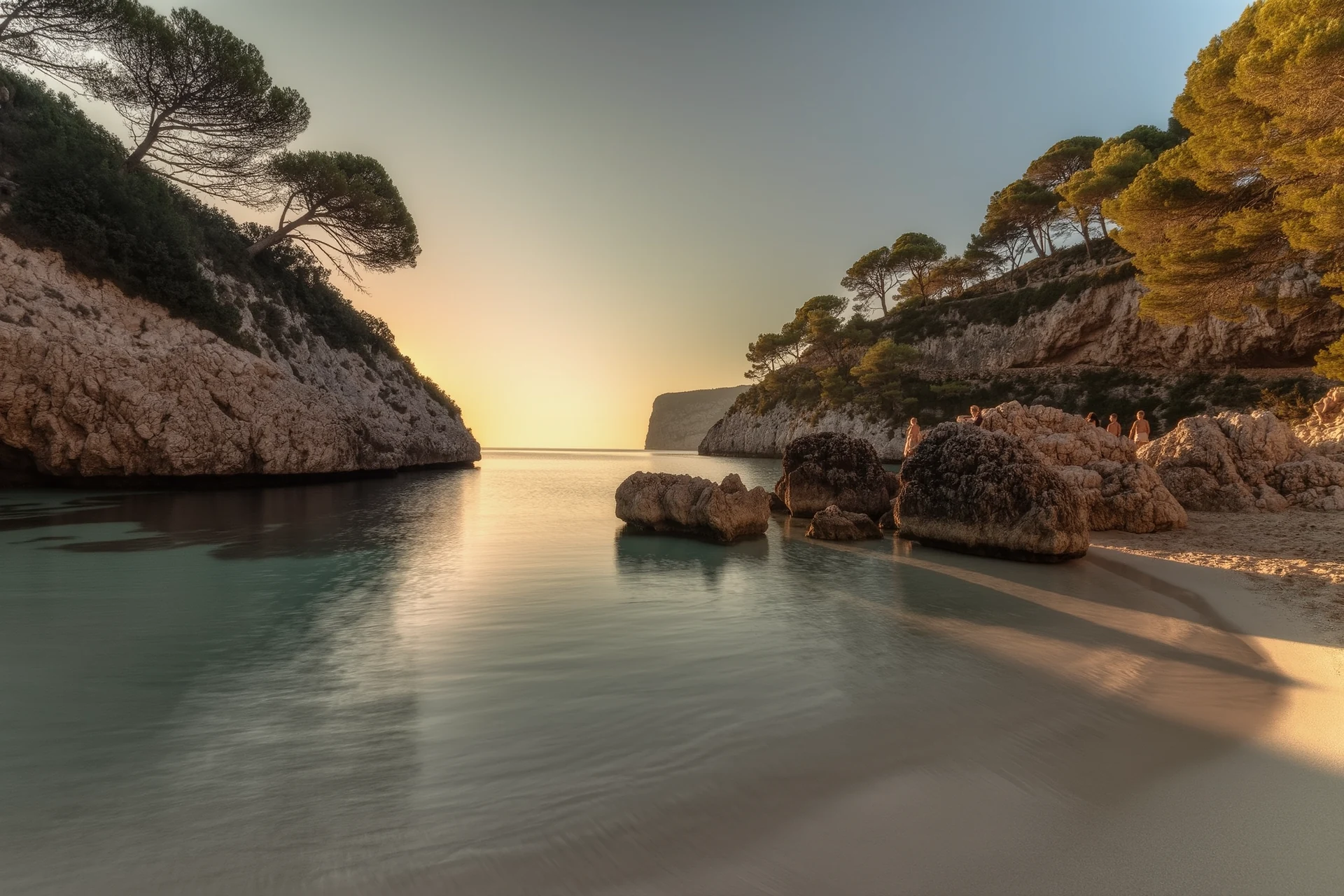
Secret Coves: Costa del Sol’s Hidden Gems
Looking for those tucked-away beaches on the Costa del Sol? While the main playas are great for families and facilities, sometimes you just want a bit…