Discover the Ultimate Costa del Sol Lifestyle Guide
So, you’re thinking about diving into the Costa del Sol lifestyle? It’s more than just sunshine and beaches, though it certainly has those in spades! Basically, if you&…
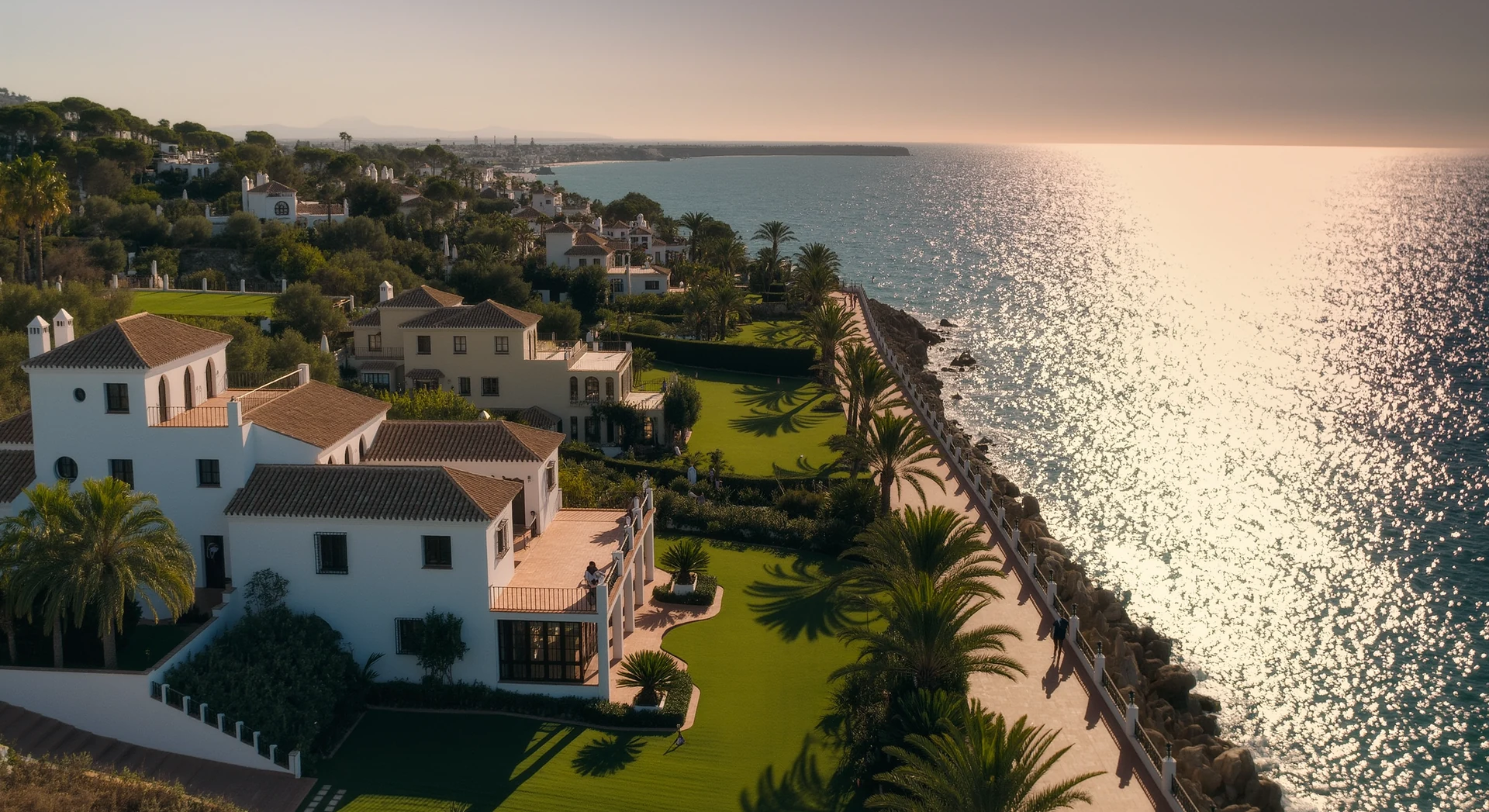
So, you’re thinking about diving into the Costa del Sol lifestyle? It’s more than just sunshine and beaches, though it certainly has those in spades! Basically, if you’re after a life filled with good food, beautiful scenery, outdoor activities, and a relaxed pace, the Costa del Sol can definitely deliver. It’s a place where you can craft your own perfect blend of leisure and engagement, depending on what you’re looking for.
Choosing where to live on the Costa del Sol is a big part of shaping your experience. It’s a long stretch of coast, and each town, from bustling cities to sleepy villages, offers something a little different. Think about what kind of atmosphere you’re after, do you want to be in the thick of things, or prefer a quieter escape?
The Lively Hubs: Marbella, Puerto Banús, and Málaga City
If you’re drawn to a sophisticated, vibrant scene, the western part of the Costa del Sol has some major players.
Marbella: Beyond the Beach Clubs
Marbella is probably the most famous name, and for good reason. It’s a blend of old and new. You’ve got the charming Old Town with its narrow, winding streets, flower-filled balconies, and traditional tapas bars. Then, there’s the glitz and glamour of Puerto Banús, the marina lined with luxury yachts, designer boutiques, and high-end restaurants. But Marbella is also surprisingly family-friendly and offers excellent amenities for everyday living.
What to Expect in Marbella
- Shopping: From independent boutiques in the Old Town to international designer brands in Puerto Banús.
- Dining: A huge range, from Michelin-starred restaurants to casual beachfront chiringuitos.
- Nightlife: Bustling with bars, clubs, and the occasional celebrity sighting, especially in season.
- Real Estate: A wide spectrum, from urban apartments to sprawling villas in the hills.
- Vibe: Energetic, international, and often a bit decadent in certain areas.
Puerto Banús: The Epitome of Glamour
Puerto Banús is less a town and more an experience. It’s the playground for the rich and famous, a place to see and be seen. If you enjoy high-octane energy, luxury shopping, and a buzzing atmosphere, this is your spot. It’s connected to Marbella, so you get the best of both worlds.
Life in Puerto Banús
- Marina Life: The star attraction, with impressive boats and waterfront bars.
- Designer Shopping: Think Gucci, Louis Vuitton, and the like.
- Exclusive Dining: Upscale restaurants catering to a discerning clientele.
- Nightlife: A very active and sophisticated scene.
- Atmosphere: Flashy, luxurious, and always buzzing.
Málaga City: Culture and Coast Combined
Don’t underestimate Málaga! It’s the provincial capital and has undergone a massive transformation in recent years. It offers the amenities of a city, a major airport, excellent transport links, a thriving cultural scene, and a fantastic university, combined with its own beautiful beaches and a charming historic center. It’s a more authentic Spanish feel than some of the more tourist-centric spots.
Málaga’s Appeal
- Culture: Numerous museums (Picasso Museum, Pompidou Centre, Carmen Thyssen Museum), theatres, and galleries.
- Food Scene: Excellent tapas bars, traditional markets (like Mercado Central de Atarazanas), and modern restaurants.
- Beaches: Urban beaches like Malagueta are easily accessible.
- Connectivity: Home to one of Spain’s busiest airports.
- Cost of Living: Generally more affordable than the prime resort towns.
The Tranquil Retreats: Estepona, Nerja, and Villages in the Hills
If a more laid-back, traditional vibe is your goal, there are plenty of options that offer a break from the high-energy hotspots. These places still have amenities but without the constant buzz.
Estepona: The Blooming Gem
Estepona has managed to retain a lot of its charm while still being well-connected. It’s known for its beautiful flower-filled streets, a lovely promenade, and a more relaxed atmosphere than its neighbours. It’s a great compromise if you want a sense of community and local life but still enjoy good infrastructure.
What Estepona Offers
- Old Town Charm: A picturesque historic centre, perfect for strolls.
- Promenade: Long and pleasant, ideal for walking or cycling.
- Beaches: Wide and well-maintained.
- Family-Friendly: A good choice for those with children.
- Community Feel: Strong sense of local life.
Nerja: Caves, Cliffs, and Calming Waters
Heading east, Nerja offers a different kind of beauty. It’s characterized by its dramatic cliffs, hidden coves, and the famous Caves of Nerja. It has a more traditionally Andalusian feel and is popular with both domestic and international visitors looking for a more authentic Spanish coastal experience.
Nerja’s Allure
- Natural Beauty: Stunning beaches, dramatic coastline, and the impressive caves.
- Balcón de Europa: A famous viewpoint offering panoramic sea vistas.
- Authentic Atmosphere: Less developed in parts, with a strong local flavour.
- Outdoor Activities: Hiking, water sports, and exploring the local landscape.
- Seafood: Fresh, local fish is a highlight.
Inland Villages: A Taste of True Andalusia
For a truly immersive Costa del Sol lifestyle, consider moving just a few kilometres inland. Towns like Mijas Pueblo, Frigiliana, or Coin offer a completely different pace of life. White-washed houses, cobbled streets, incredible mountain views, and a strong sense of tradition. You’ll be closer to nature, and it’s a great way to experience authentic Andalusian culture.
The Inland Advantage
- Peace and Quiet: A stark contrast to the coastal hustle.
- Stunning Scenery: Rolling hills, olive groves, and dramatic mountain vistas.
- Affordability: Property and daily living costs are often lower.
- Cultural Immersion: Experience local festivals and traditions.
- Proximity: Still close enough to the coast for day trips.
Fuelling Your Body and Soul: The Culinary Delights
Spanish food is world-renowned, and the Costa del Sol is a fantastic place to experience it. It’s not just about paella; it’s about fresh, seasonal ingredients prepared with passion. From simple, honest tapas to innovative fine dining, your taste buds are in for a treat.
The Cornerstone: Tapas Culture
Tapas are more than just small plates; they’re a way of life. They’re about socialising, about trying a bit of everything, and about enjoying good company with good food.
Understanding Tapas
- Variety is Key: Expect everything from simple olives and jamón to more elaborate dishes like gambas al ajillo (garlic shrimp) or patatas bravas.
- Where to Find Them: Bars will often offer a tapa with your drink, or you can order plates to share at dedicated tapas restaurants.
- Regional Specialties: Each town and bar might have its own signature tapa.
Fresh from the Sea: Seafood Heaven
With the Mediterranean on its doorstep, it’s no surprise that seafood is a star player here.
Must-Try Seafood
- Espetos de Sardinas: Fresh sardines grilled on skewers over an open fire, especially popular on the beach.
- Paella Marinera: The classic rice dish loaded with fresh seafood, a true crowd-pleaser.
- Pescaito Frito: Assorted small fried fish, a simple yet delicious local favourite.
- Calamares a la Romana: Battered and fried squid rings.
Beyond the Coast: Flavours of Andalusia
Don’t forget the traditional dishes that hail from the wider Andalusian region.
Andalusian Staples
- Gazpacho/Salmorejo: Cold tomato soups, perfect for beating the heat.
- Jamón Ibérico: World-famous cured ham, a true delicacy.
- Queso Manchego: A delicious sheep’s milk cheese.
- Rabo de Toro: Oxtail stew, a rich and flavourful dish.
Staying Active: Embracing the Outdoor Lifestyle
The climate here practically begs you to spend time outdoors. Whether you’re a seasoned athlete or just enjoy a leisurely stroll, there are endless ways to stay active.
Coastal Pursuits: Sun, Sand, and Sea
The beaches are the obvious draw, but there’s more to them than just lounging.
Beach Bliss and Beyond
- Water Sports: Paddleboarding, kayaking, jet skiing, and windsurfing are popular.
- Beach Volleyball: Many beaches have designated spots for a game.
- Coastal Walks: The promenade offers miles of pleasant walking.
- Chiringuitos: Beach bars serving food and drinks, perfect for a break.
Hitting the Trails: Hiking and Cycling Adventures
The landscape inland offers incredible opportunities for exploration on foot or two wheels.
Exploring the Hinterland
- Sierra de Mijas: Offers well-marked trails with stunning views down to the coast.
- El Caminito del Rey: A famous, thrilling walkway through a narrow gorge (booking essential!).
- Cycling Routes: From coastal cycle paths to challenging mountain climbs.
- Nature Reserves: Explore the diverse flora and fauna.
On the Green: Golfing Paradise
The Costa del Sol is often called the “Costa del Golf” for a reason. It boasts a huge number of world-class golf courses.
Teeing Off
- Variety of Courses: From championship links to parkland courses, catering to all skill levels.
- Year-Round Play: The climate allows for golfing throughout the year.
- Stunning Settings: Many courses are set against beautiful mountain backdrops or offer sea views.
Embracing the Culture: Festivals, Flamenco, and Fiesta
Life on the Costa del Sol is punctuated by vibrant traditions and celebrations. These events offer a glimpse into the heart of Andalusian culture.
The Joy of Fiesta: Local Celebrations
Almost every town and village has its own patron saint’s day or local festival. These are usually colourful affairs with music, dancing, food, and processions.
Experiencing a Fiesta
- Religious Parades: Especially during Semana Santa (Holy Week) and local saint’s days.
- Music and Dancing: Live bands and spontaneous flamenco performances.
- Food Stalls: Sample local delicacies and treats.
- Community Spirit: A fantastic way to feel part of the local fabric.
The Soul of Spain: Flamenco
Flamenco is more than just music and dance; it’s an expression of deep emotion and passion. You can find authentic flamenco shows in many places.
Where to Experience Flamenco
- Tablaos: Purpose-built venues that offer professional flamenco shows, often with dinner.
- Local Bars: Some smaller bars might host impromptu flamenco sessions.
- Festivals: Many local fiestas will feature flamenco performers.
Art and History: Beyond the Beaches
The region is rich in history and artistic heritage, with much to explore beyond the sun and sand.
Cultural Exploration
- Málaga’s Museums: As mentioned, the Picasso Museum and others are highlights.
- Roman Ruins: Discover remnants of ancient civilizations, like the Roman Theatre in Málaga.
- Moorish Heritage: Explore alcazabas (fortresses) and other architectural marvels.
- Artisan Crafts: Look for local pottery, leather goods, and textiles.
Practicalities of the Costa del Sol Life: Making the Move
Thinking of making the move or spending extended time here requires a little practical planning. It’s not just about the dream; it’s about the day-to-day reality.
Navigating the Bureaucracy: Residency and Documentation
If you’re from outside of the EU and plan to stay long-term, you’ll need to look into residency permits. Even for EU citizens, understanding the requirements is important.
Key Documents to Consider
- NIE Number (Número de Identificación de Extranjero): Essential for almost any transaction in Spain, from buying property to opening a bank account.
- Residency Permit: If you’re not an EU citizen, you’ll need to investigate visa and residency options.
- Health Insurance: Crucial for accessing healthcare services.
- Bank Account: Necessary for managing your finances.
Daily Living: From Groceries to Getting Around
Understanding how to manage your daily life will make the transition smoother.
Everyday Essentials
- Supermarkets: A mix of large chains (Mercadona, Carrefour, Lidl, Aldi) and smaller local markets.
- Markets: Central markets offer fresh produce, fish, and local products.
- Transportation:
- Car: Often essential, especially for exploring inland areas.
- Public Transport: Buses are good between major towns, and there’s a train line along the coast.
- Taxis/Ride-Sharing: Available in most urban areas.
- Language: While many people in tourist areas speak English, learning some basic Spanish will greatly enhance your experience and integration.
Connecting with Others: Building Your Community
Moving to a new place can be daunting, but the Costa del Sol has a large international community, making it easier to find your tribe.
Integrating into Local Life
- Expat Groups: Numerous online and in-person groups cater to expatriates.
- Local Clubs and Activities: Join a sports club, a language exchange, or a volunteer group.
- Embrace Local Customs: Participate in fiestas, visit local bars, and make an effort to interact with Spanish neighbours.
- Language Exchange Meetups: A great way to practice Spanish and meet new people.
FAQs
What is the Costa del Sol lifestyle like?
The Costa del Sol lifestyle is known for its relaxed and sunny atmosphere, with a focus on outdoor activities, beach living, and a vibrant social scene. The region offers a mix of traditional Spanish culture and modern amenities, making it an attractive destination for both tourists and expats.What are the popular activities in Costa del Sol?
Popular activities in Costa del Sol include sunbathing and swimming at the beautiful beaches, golfing at world-class courses, exploring charming villages and historic sites, enjoying water sports such as sailing and windsurfing, and indulging in the region’s renowned culinary scene.What are the housing options in Costa del Sol?
Costa del Sol offers a wide range of housing options, including beachfront villas, luxury apartments, traditional Spanish townhouses, and modern developments. The region also has a variety of gated communities and golf resorts, catering to different preferences and budgets.What is the cost of living in Costa del Sol?
The cost of living in Costa del Sol can vary depending on the specific location and lifestyle choices. Generally, the region offers a relatively affordable cost of living compared to other European destinations, with reasonable prices for dining out, groceries, and entertainment.What are the healthcare and education options in Costa del Sol?
Costa del Sol has a well-developed healthcare system, with both public and private hospitals and clinics available. The region also offers a range of international schools and educational institutions, making it a popular choice for families looking to relocate.More from Mediterranean Lifestyle
Costa del Sol Family Guide
Costa del Sol family guide: the best towns, international schools, healthcare, childcare costs, kids’ attractions and rainy-day ideas for famili…
Costa del Sol Living Guide 2026
Costa del Sol Living Guide 2026: zones, cost of living, healthcare, schools, visas and property prices from Marbella to Nerja for your move to souther…
Top 5 Best Places to Live on the Costa del Sol
Thinking about making the move to the Costa del Sol? Smart choice! It’s a fantastic part of Spain with a lot to offer. But with so many beautifu…