Discovering Hidden Gems on the Costa del Sol
Here’s an article about discovering hidden gems on the Costa del Sol, written in a friendly, practical, and conversational tone. Let’s face it, when someone says …

Here’s an article about discovering hidden gems on the Costa del Sol, written in a friendly, practical, and conversational tone.
Let’s face it, when someone says “Costa del Sol,” your mind probably jumps to sun-drenched beaches, buzzing nightlife, and maybe even a few of those famously stacked resorts. And hey, that’s all part of the charm, right? But what if I told you there’s a whole other Costa del Sol waiting to be explored, one where you can escape the crowds and find places that feel genuinely special?
“Hidden gems” might sound a bit cliché, but on the Costa del Sol, they’re very real. It’s about peeling back the familiar layers to uncover authentic experiences, charming villages that time seems to have forgotten, and stretches of coastline that offer peace and quiet. This isn’t about dismissing the popular spots, they’re popular for a reason, but about adding a different dimension to your trip, finding places that resonate with you on a deeper level.
So, if you’re ready to go beyond the usual tourist trails and discover the Costa del Sol’s quieter, more soulful side, you’re in the right place. We’ll dive into places that offer natural beauty, rich history, delicious local food, and a sense of discovery that makes any trip feel more meaningful.
Forget the beach for a day or two and venture inland. The “Pueblos Blancos,” or White Villages, are an absolute must-do for anyone seeking a more authentic Andalusian experience. These villages, clinging to hillsides, are characterized by their dazzling whitewashed houses, narrow cobbled streets, and breathtaking views. They feel a world away from the coastal bustle, offering a glimpse into a slower, more traditional way of life.
Frigiliana: The Jewel of the Axarquía
Often cited as one of the most beautiful villages in Spain, Frigiliana truly lives up to its reputation. Nestled in the hills just a short drive from Nerja, it’s a labyrinth of winding, flower-draped alleys that beg to be explored. Every corner offers a new picturesque scene, from brightly painted doorways to tiny plazas shaded by orange trees.
Exploring the Old Arab Quarter
The “Barribarto” or Old Arab Quarter is where Frigiliana’s history truly comes alive. As you ascend through the steep, narrow streets, you’ll notice the unique ceramic tiles that adorn many of the doorways, each telling a story. It’s easy to get lost here, and honestly, that’s part of the fun. Just wander, soak in the atmosphere, and imagine life centuries ago.
Local Delights to Savour
Frigiliana isn’t just a feast for the eyes; it’s a treat for the taste buds too. The local honey, produced from the wild herbs of the surrounding Sierra de Almijara mountains, is famous. You’ll find small shops selling it, along with other local produce like olive oil and sweet wines. Don’t miss trying some “tapas” at one of the local bodegas, often a more rustic and authentic experience than you’ll find on the coast.
Walking Trails with a View
For those who enjoy a bit of exercise, the surrounding hills offer numerous walking trails. These routes provide stunning panoramic views of the coastline and the sprawling olive groves below. Even a short stroll will reward you with incredible vistas.
Mijas Pueblo: More Than Just Altitude
While Mijas Pueblo is one of the more well-known white villages, its charm often gets overshadowed by its proximity to the busier coastal resorts. However, if you visit with an open mind, you’ll discover a tranquil and incredibly picturesque escape. It sits high up, offering spectacular views all the way down to the Mediterranean Sea.
The Iconic Donkey Taxis
Yes, the donkey taxis are a tourist attraction, but they’re also a part of Mijas’s history. If you choose to take a ride, it’s a novel way to see the immediate surroundings of the village’s center. Just remember to be respectful and choose ones that look well-cared for.
Hidden Plazas and Artisan Shops
Beyond the main thoroughfare, Mijas Pueblo hides many delightful, smaller squares. These are perfect spots to sit with a coffee or a glass of wine and watch local life unfold. You’ll also find numerous artisan shops selling ceramics, leather goods, and local crafts, often at more reasonable prices than you might expect.
The Mirador de la Sierra
This viewpoint offers unparalleled vistas. On a clear day, you can see for miles along the coast, with Africa on the horizon. It’s a fantastic place to catch the sunset.
Untouched Coastlines: Beyond the Resorts
The Costa del Sol isn’t all golden sands packed with sunbeds. Venture west of Marbella, and you’ll find stretches of coastline that retain their natural beauty, offering a more serene beach experience. These are places where you can still hear the waves and feel the sand between your toes without a constant buzz of activity.
El Palmar and Zahara de los Atunes: The Wild West of Cádiz
Technically just beyond the traditional Costa del Sol boundary and into the province of Cádiz, these beaches are worth the short extra drive. El Palmar is a surfer’s paradise, known for its long, sandy beach and laid-back vibe. Zahara de los Atunes, adjacent to El Palmar, offers a slightly more developed but still wonderfully unspoiled beach experience, famous for its delicious tuna.
The Magic of “Atún de Almadraba”
If you’re a seafood lover, you absolutely must try the local tuna, caught using the ancient almadraba fishing method. Restaurants in Zahara de los Atunes are renowned for serving the freshest, most exquisite tuna dishes. It’s a culinary experience you won’t forget.
Surfing and Sunsets at El Palmar
El Palmar beach is wide and long, perfect for long walks or simply finding your own patch of sand. It’s particularly popular with surfers, and you can rent boards or take lessons if you feel inspired. The sunsets here are legendary, painting the sky in vibrant hues.
Chiringuito Culture at its Finest
Both areas boast fantastic chiringuitos (beach bars and restaurants). These are often right on the sand, serving up fresh seafood, cold drinks, and a relaxed atmosphere. They’re the perfect spot to spend a lazy afternoon or enjoy dinner with your feet in the sand.
Bolonia: Natural Wonders and Roman Remains
A little further west, Bolonia beach is a truly spectacular, wild stretch of sand backed by impressive sand dunes. It’s a place of raw natural beauty that feels incredibly remote.
The Grand Dune of Bolonia
The star attraction here is the colossal sand dune, which you can climb for breathtaking views over the beach and the surrounding countryside. It’s a bit of a workout, but the panoramas are well worth the effort.
Baelo Claudia: A Glimpse into Roman Life
Emerging from the sand at the eastern end of Bolonia beach are the remarkably preserved ruins of Baelo Claudia, an ancient Roman city. This archaeological site, with its intact forum, basilica, and tuna processing factories, offers a fascinating insight into Roman daily life and their mastery of the sea. Exploring these ruins with the sound of the waves in the background is a uniquely powerful experience.
Estepona’s Quieter Shores
While Estepona has a lovely promenade and a charming old town, if you’re looking for truly unspoiled beaches, keep heading west. Look for smaller coves and less developed areas around the Torre de Guadalmansa or further towards the ‘Costa de la Luz’ border.
Rocky Coves for Snorkelling
Away from the main stretches of sand, you’ll find rocky coves that are excellent for snorkelling. The clearer waters often reveal a surprising amount of marine life if you take the time to look.
Finding Your Own Private Patch
These less accessible spots mean fewer people. With a little exploration, you can often find a secluded cove where you feel like you have the beach all to yourself for a few hours. Pack a picnic and make a day of it.
Culinary Discoveries: Beyond the Tourist Menu
The Costa del Sol is a food lover’s paradise, but if you stick to the typical tourist traps, you might miss out on some truly incredible, authentic flavours. The real magic happens when you venture into local markets, seek out family-run tavernas, and explore the regional specialties.
Mercado de Atarazanas: A Feast for the Senses
In Málaga city, the Mercado de Atarazanas is an absolute must-visit. This beautifully restored old market hall is a vibrant hub of activity, filled with stalls overflowing with fresh produce, the catch of the day, fragrant spices, and local delicacies.
Fresh Seafood Galore
The seafood section is particularly impressive, a testament to the coast’s bounty. You’ll see everything from glistening sardines and plump prawns to octopuses and sea urchins. It’s a great place to get a feel for what’s in season.
Local Cheeses and Olives
Don’t forget to explore the stalls selling regional cheeses, a wide variety of pickled olives, and the famous Andalusian olive oils. Tasting samples are often available, so be adventurous!
Tapas Bars Within the Market
Some of the most authentic and delicious tapas are to be found right inside the market. Grab a small plate of fried fish, some local jamón, and a cold beer or glass of fino sherry, all while surrounded by the vibrant market buzz.
The Art of Tapas: Local Tavernas
Tapas are more than just small plates; they’re a way of life in Andalusia. While many places offer them, finding the ones that serve truly local, no-frills tapas is key.
Look for the “Pescado del Día”
Always keep an eye out for the “fish of the day” specials. These are usually prepared in simple, traditional ways that let the freshness of the ingredients shine through. Think grilled sardines, fried anchovies, or boquerones en vinagre (marinated anchovies).
Exploring Regional Specialties
Beyond the ubiquitous patatas bravas, try regional dishes like espetos (sardines grilled on a skewer over an open fire, a Málaga specialty), gazpacho (cold tomato soup), and salmorejo (a thicker, creamier version of gazpacho, often topped with ham and egg).
Head Slightly Off the Beaten Path
The best tapas are often found in slightly less touristy areas, in family-run establishments where locals gather. Don’t be afraid to wander a few blocks away from the main squares.
Inland Gastronomy: Beyond Seafood
While the coast is known for its seafood, the inland areas offer a different, but equally delicious, culinary landscape. Think hearty stews, game meats, and excellent local produce.
The Pork of Montes de Málaga
The mountains north of Málaga are renowned for their excellent pork. Look for dishes featuring presa ibérica or secreto ibérico, cuts of pork that are incredibly flavourful and tender.
Local Wines and Olive Oils
The Axarquía region, in particular, produces some excellent wines, including Moscatel. And of course, no meal in Andalusia is complete without sampling the local olive oils, which vary in flavour from peppery to fruity.
Off-the-Beaten-Path Adventures: Nature and Serenity
The Costa del Sol offers more than just beaches and villages. Its natural landscapes provide ample opportunities for adventure and quiet contemplation, far from the crowds.
El Torcal de Antequera: A Martian Landscape
Just an hour’s drive inland from the coast lies El Torcal de Antequera, a nature reserve that feels like it’s from another planet. It’s a karstic landscape characterized by a fascinating array of unique rock formations, sculpted over millennia by wind and water.
Hiking Through the Limestone Labyrinths
There are well-marked walking trails that wind through El Torcal, allowing you to get up close and personal with these incredible natural sculptures. Some trails are easy and suitable for families, while others are more challenging.
Discovering Hidden Caves and Flora
Keep an eye out for the diverse plant life that thrives in this harsh environment, as well as the hidden caves and crevices within the rock formations. The sheer scale and artistry of nature here are breathtaking.
Birdwatching Opportunities
Avid birdwatchers will find El Torcal a rewarding destination, with various raptors and other species found in the area.
The Caves of Nerja: Subterranean Wonders
While the Caves of Nerja are a popular attraction, they are still a worthwhile “gem” to discover, especially if you go during off-peak hours or explore the less-visited sections. This vast network of caverns is a spectacular natural wonder.
Exploring the Enormous Chambers
The sheer size of some of the cave chambers is awe-inspiring. You’ll see stalactites and stalagmites of all shapes and sizes, some reaching colossal proportions. The highlight is often the world’s largest stalagmite, which is an incredible sight.
Art and Archaeology Within
Remarkably, the caves also contain cave paintings dating back thousands of years, offering a glimpse into prehistoric human life. These are often displayed in specific areas and add another layer of wonder to the visit.
The Montes de Málaga: Rural Escapes
North of the city of Málaga lies the Montes de Málaga Natural Park. This is a verdant, mountainous area that offers a refreshing contrast to the coastal landscape. The air is fresher, the vegetation is denser, and the pace of life is decidedly slower.
Driving the Scenic Routes
There are several well-maintained roads that wind through the park, offering spectacular views. Pull over at the miradores (viewpoints) to take in the sweeping vistas of the countryside and the distant coast.
Hiking and Picnicking Among the Pines
The park is crisscrossed with hiking trails, ranging from gentle walks to more strenuous climbs. It’s an ideal spot for a picnic lunch amidst the pine forests and dotted with cork oak trees. Look for rustic restaurants (venta) along the routes for a hearty meal.
Discovering Traditional “Cortijos”
As you drive through the park, you’ll spot traditional rural farmhouses, known as cortijos. Some have been restored and converted into rustic restaurants or charming accommodation, offering a taste of country life.
Embracing the Local Rhythm: Authentic Experiences
The true essence of a hidden gem lies in its ability to offer an experience that feels authentic and connected to the local culture. This often means slowing down, observing, and engaging with the rhythm of daily life.
Exploring Less-Touristed Villages
Beyond the famous white villages, there are countless smaller hamlets and villages scattered throughout the inland areas. These places often have a strong sense of community and offer a peaceful glimpse into traditional Andalusian life.
Examples of Quieter Villages
Consider places like Ardales (with its stunning El Caminito del Rey nearby, though that is now very popular), Guaro (known for its olive oil and festivals), or Yunquera (a gateway to the Sierra de las Nieves). Even smaller places like Benamargosa or Sedella can offer a quiet charm.
Embracing the “Siesta” Culture
When visiting these smaller towns, be prepared for the traditional midday break. Many shops and businesses close for a few hours in the afternoon for siesta. This can be a great opportunity to relax, enjoy a leisurely lunch, or have a quiet wander.
Attending Local Festivals and Fairs
If your visit coincides with a local festival (romería, feria, or fiesta), you’re in for a treat. These events are deeply ingrained in the local culture and offer a vibrant display of tradition, music, dance, and community spirit.
What to Expect
These festivals can range from religious processions and agricultural fairs to music and dance celebrations. You’ll often find local food stalls, craft markets, and lively music. It’s a fantastic way to interact with locals and experience genuine Andalusian joy.
Researching Local Schedules
Check local town hall websites or tourist information offices for event schedules. Sometimes they are advertised a few weeks in advance, and other times they are more spontaneous.
Engaging with Local Artisans
The Costa del Sol, particularly inland, is home to skilled artisans who continue traditional crafts. Seek out workshops and studios where you can see them at work and perhaps even purchase a unique, handmade souvenir.
Ceramics and Pottery
Many villages have local potters keeping alive traditional designs. Look for workshops where you can see the clay being shaped and the intricate decorative processes.
Leatherwork and Basket Weaving
In some areas, you might find artisans specializing in leather goods or traditional basket weaving from natural materials. These items are not only beautiful but also carry the story of generations of craftsmanship.
Making Your “Hidden Gem” Hunt a Success
Discovering these less-trodden paths isn’t about avoiding popular places entirely, but about adding depth and personal discovery to your trip. It’s about seeking out experiences that resonate with you and leave you with a sense of having uncovered something special.
Be Prepared to Explore
The best hidden gems often require a little bit of effort to find. This might mean renting a car to venture inland, going for a walk along a lesser-known coastal path, or simply taking a wrong turn down an enticing side street.
Embrace Spontaneity
While it’s good to have an idea of places you want to visit, don’t be afraid to deviate from your plan if something catches your eye. Some of the most memorable discoveries happen by chance.
Pack Appropriately
Comfortable walking shoes are a must for exploring villages and nature trails. Sun protection is essential, and a reusable water bottle will be your best friend for staying hydrated. If you plan on visiting churches or more formal establishments, a light scarf or jacket can be handy.
Learn a Few Basic Spanish Phrases
While many people on the Costa del Sol speak English, especially in tourist areas, knowing a few basic Spanish phrases can go a long way in smaller, more traditional villages. A simple “Hola,” “Gracias,” and “Por favor” can open doors and foster warmer interactions.
Respect Local Customs and Traditions
When visiting smaller villages or attending local events, remember that you are a guest. Be mindful of local customs, dress appropriately when visiting religious sites, and be respectful of the pace of life. A little consideration can make a big difference.
Enjoy the Journey, Not Just the Destination
Ultimately, the magic of discovering hidden gems is in the process itself. It’s about the anticipation, the exploration, and the quiet moments of connection. So, slow down, be present, and let the Costa del Sol reveal its authentic heart to you. You might be surprised by what you find.
FAQs
What is the Costa del Sol?
The Costa del Sol is a region in the south of Spain, known for its beautiful coastline, sunny weather, and popular tourist destinations.What are some off the beaten path attractions in Costa del Sol?
Some off the beaten path attractions in Costa del Sol include the village of Frigiliana, the El Torcal Natural Park, and the Caves of Nerja.What activities can visitors enjoy in off the beaten path Costa del Sol?
Visitors can enjoy activities such as hiking in the mountains, exploring hidden beaches, visiting local markets, and experiencing traditional Andalusian culture.How can visitors access off the beaten path locations in Costa del Sol?
Visitors can access off the beaten path locations in Costa del Sol by renting a car, taking guided tours, or using public transportation to reach these less-visited areas.What are the benefits of exploring off the beaten path Costa del Sol?
Exploring off the beaten path Costa del Sol allows visitors to experience authentic local culture, avoid crowds, and discover hidden gems that are not as well-known to tourists.More from Hidden Gems
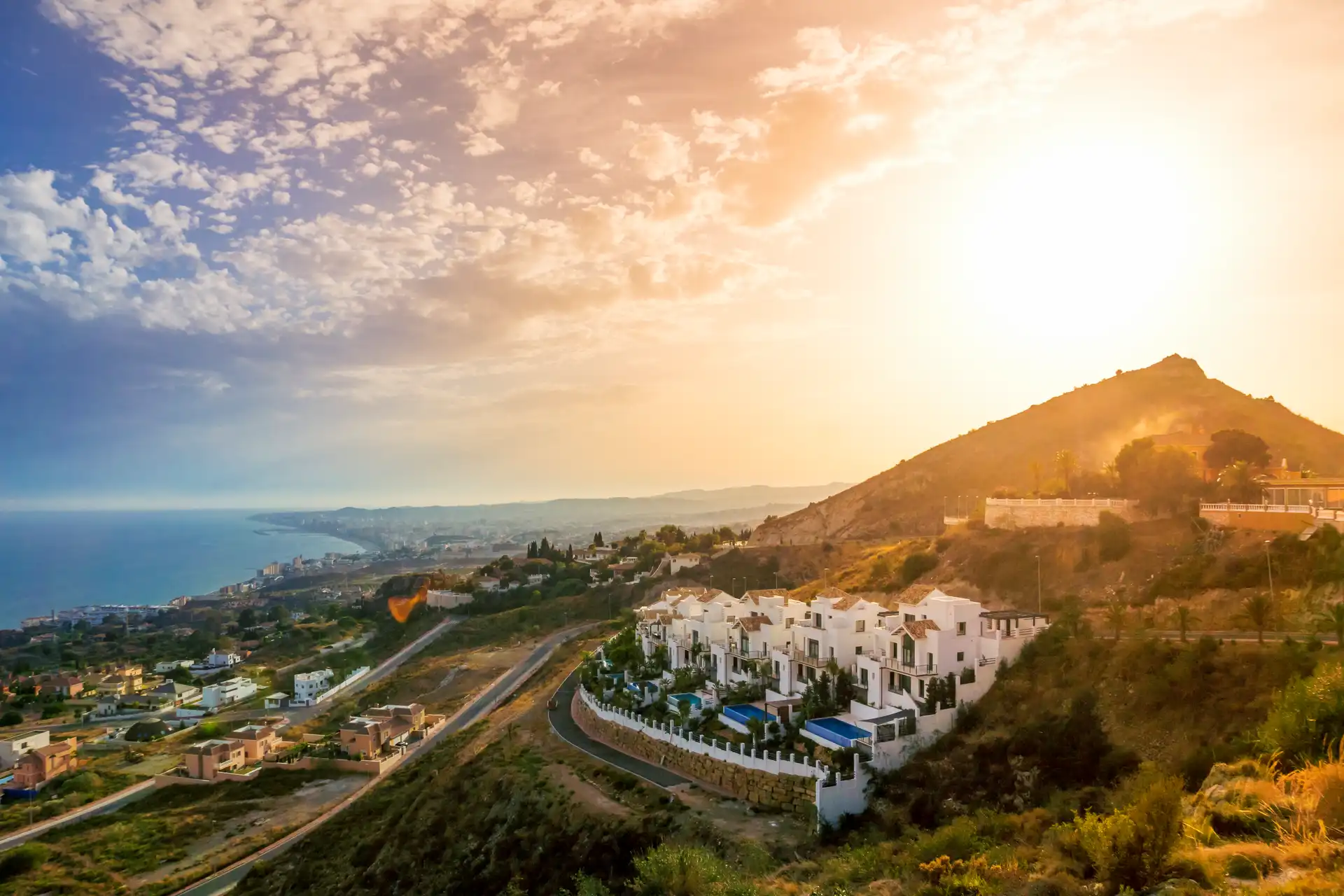
Chic Costa del Sol: Boutique Bliss
So, you’re thinking about a trip to the Costa del Sol but want to skip the mega-resorts and find something a little more… special? You’re …
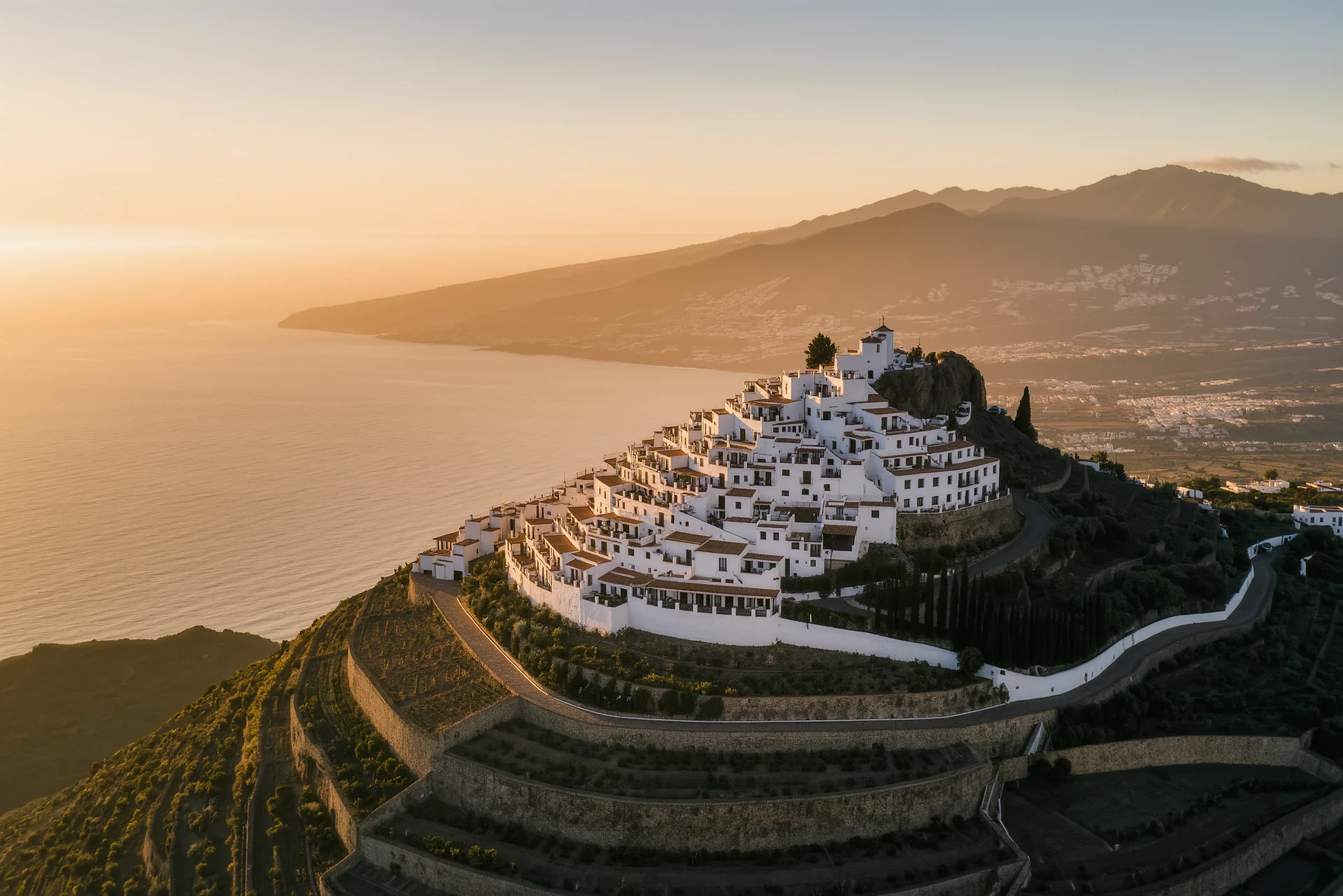
Charming Towns Near Marbella: Exploring the Costa del Sol
Looking for that quintessential Spanish charm beyond the glitz of Marbella? You’re in luck! The Costa del Sol is dotted with genuinely lovely to…
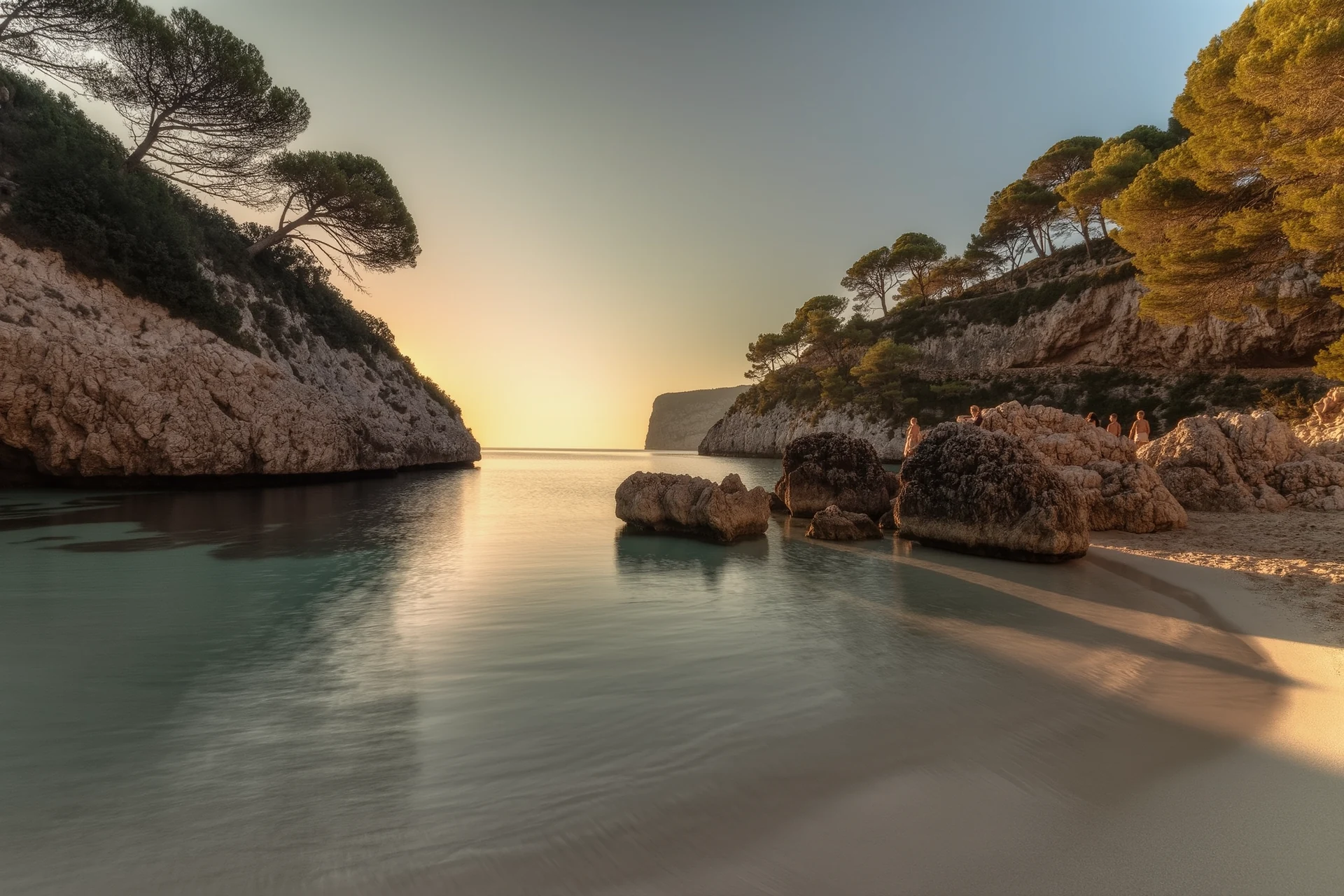
Secret Coves: Costa del Sol’s Hidden Gems
Looking for those tucked-away beaches on the Costa del Sol? While the main playas are great for families and facilities, sometimes you just want a bit…