Discovering Malaga Old Town: A Complete Guide
Let’s talk about Malaga’s Old Town. Essentially, it’s a vibrant tapestry woven with history, culture, and an undeniable Spanish flair. Think ancient Roman ruins r…
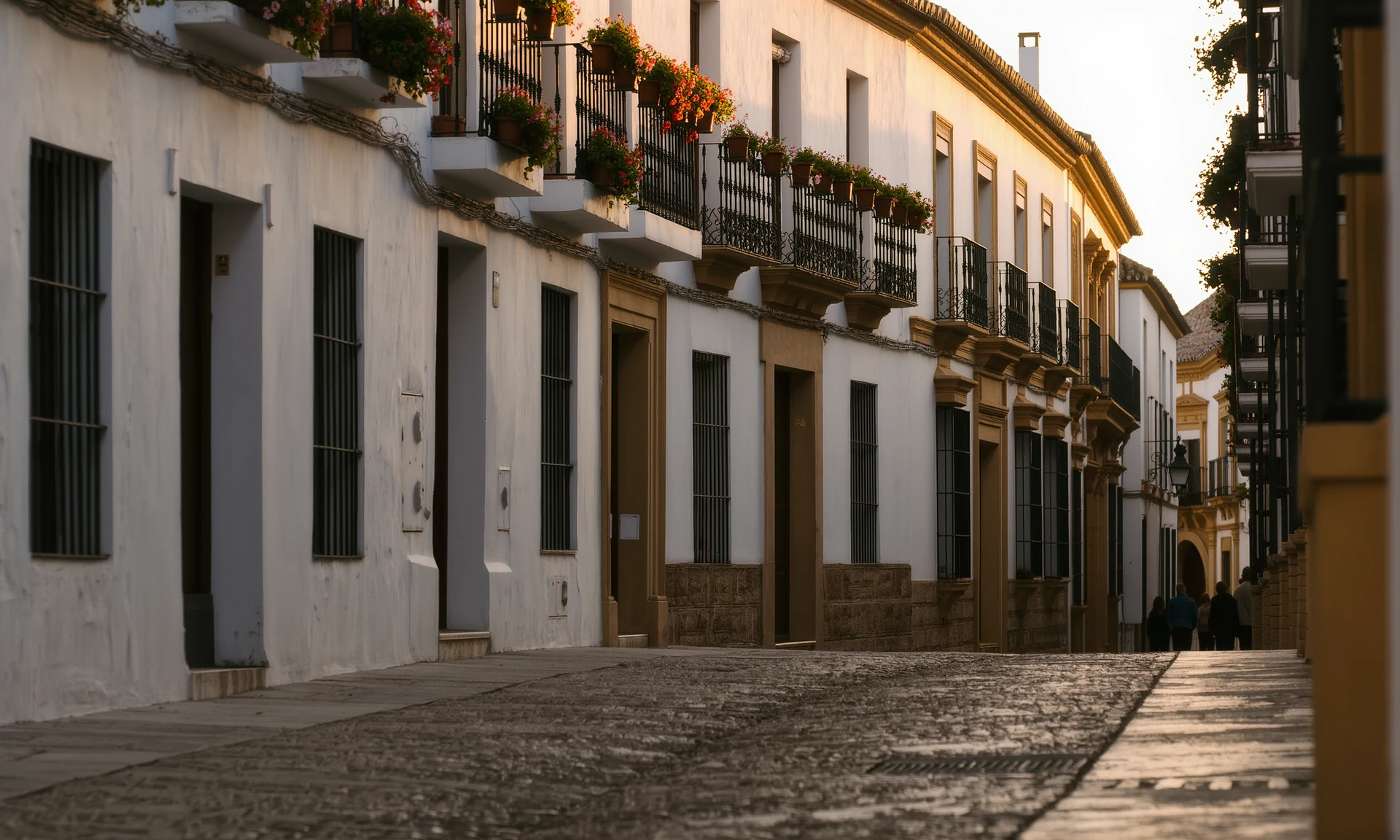
Let’s talk about Malaga’s Old Town. Essentially, it’s a vibrant tapestry woven with history, culture, and an undeniable Spanish flair. Think ancient Roman ruins rubbing shoulders with Moorish architecture, all set against a backdrop of lively plazas and scent of orange blossoms. It’s a place that feels both grand and intimately approachable, offering something fascinating around every corner. Whether you’re a history buff, a foodie, an art lover, or just someone who enjoys soaking up an authentic atmosphere, Malaga’s Old Town has you covered.
Malaga’s Old Town, or Casco Antiguo, isn’t some sprawling labyrinth. It’s quite remarkably walkable, which is a huge plus. The heart of it all is broadly defined by the Guadalmedina River to the west and the imposing Alcazaba, a Moorish fortress, to the east. The main arteries are pretty easy to spot, and you’ll naturally gravitate towards the buzzing squares and historical landmarks. Understanding this basic layout helps immensely when you’re planning your explorations. Don’t worry about getting lost; most of the time, “getting lost” in Malaga’s Old Town leads to some of the best discoveries.
The Central Hub: Where Everything Connects
If you were to pick a single point that acts as a central nervous system for the Old Town, it would probably be the area around Calle Larios. This elegant, pedestrianized street is the main shopping avenue, lined with beautiful 19th-century buildings. It’s always lively, filled with people strolling, window shopping, or grabbing a coffee. From Calle Larios, you can easily access many of the other key areas we’ll discuss. It’s a good starting point for orientation and a place to get a feel for the city’s pulse right away.
Calle Larios: More Than Just Shopping
While it’s undeniably a shopping street, Calle Larios is more than just storefronts. It’s a showcase of Malaga’s architectural heritage, with its wrought-iron balconies and ornate facades. During festivals and local celebrations, it often becomes the stage for parades, concerts, and other events, transforming it into an even more vibrant spectacle. You’ll find plenty of cafes and tapas bars lining its sides, making it a perfect spot to rest your feet and people-watch.
The Moorish Legacy: Walls That Whisper Tales
Malaga’s history is deeply intertwined with its Moorish past, and nowhere is this more evident than in the monumental structures that still stand today. The Alcazaba and the Gibralfaro Castle are the crown jewels of this era, offering not only a glimpse into military architecture but also breathtaking panoramic views. Walking through these ancient fortifications is like stepping back in time, and the sense of history is palpable.
The Alcazaba: A Fortress Palace
This is probably the most iconic landmark in Malaga’s Old Town. Built by the Hammudid dynasty in the 11th century, the Alcazaba is a well-preserved palace-fortress. Its intricate courtyards, horseshoe arches, and lush gardens are a testament to Moorish artistry. It’s not a single imposing structure but rather a complex of defensive walls, towers, and residential palaces. Take your time exploring its nooks and crannies; each corner reveals a new detail.
Navigating the Alcazaba: Timed Entry and Best Views
It’s worth checking the opening hours and potentially booking tickets online, especially during peak season, to avoid queues. The ascent through the Alcazaba is gradual, offering increasingly spectacular vistas of the city and the port. Don’t miss the inner courtyards, which provide a welcome respite from the sun and a chance to admire the detailed tile work and water features. The sheer strategic location of the Alcazaba also highlights its importance as a defensive stronghold.
Gibralfaro Castle: The Watchtower with a View
Perched on a hill above the Alcazaba, Gibralfaro Castle offers an even more commanding perspective. Connected to the Alcazaba by a fortified walkway (which you can walk or take a bus up to), this castle was an essential lookout point. Its ramparts provide unparalleled, sweeping views of Malaga, the Mediterranean Sea, and the surrounding coastline. It’s the perfect spot for those iconic panoramic photos.
The Walk Up or Bus Ride: Your Choice
You can choose to walk up to Gibralfaro, which is a bit of a climb but offers some lovely scenery along the way. Alternatively, a bus service runs up the hill, which is a more convenient option if you prefer to save your energy for exploring the castle itself. Whichever you choose, the reward is undeniably worth the effort. The sheer scale of the fortifications at Gibralfaro is impressive, hinting at its historical significance.
Roman Echoes: Ruins Beneath the Surface
While the Moorish influence is prominent, Malaga’s history stretches back much further. The Romans also left their mark, and remnants of their presence can be found scattered throughout the Old Town. These ancient ruins, often unexpectedly discovered, add another layer to the city’s rich historical tapestry.
The Roman Theatre: An Ancient Stage
Tucked away at the foot of the Alcazaba, the Roman Theatre is a striking discovery. It was built in the 1st century BC and lay buried and forgotten until the mid-20th century. Today, its reconstructed seating area and the remains of the stage are a poignant reminder of Malaga’s Roman origins. It’s fascinating to stand where ancient performances once took place.
Appreciating the Theatre: Context and Discovery
When you visit the Roman Theatre, try to imagine it in its heyday. The juxtaposition of the ancient ruins against the modern city around them is quite striking. The adjacent Interpretation Centre provides valuable context about the theatre’s discovery and its significance within Roman Malaga, known as Malaca. It’s a great place to get a deeper appreciation for this historical site.
Artistic Expressions: From Old Masters to Modern Masters
Malaga has firmly established itself as a city that celebrates art, and its Old Town is home to galleries and museums that cater to a wide range of artistic tastes. Whether you’re drawn to the works of Picasso, the city’s most famous son, or prefer exploring contemporary art scenes, you’ll find plenty to engage with.
The Picasso Museum: A Local Hero’s Tribute
You can’t really talk about Malaga without mentioning Picasso. The Museo Picasso Málaga, located in the beautiful Buenavista Palace, houses an extensive collection of his works. It focuses on various periods and styles of his prolific career, showcasing his evolving artistic vision. It’s an obligatory stop for art lovers and a proud cultural pillar for the city.
What to Expect at the Picasso Museum: Beyond the Famous Names
While you’ll see familiar works, the museum also offers a comprehensive look at Picasso’s artistic journey, including his early sketches and personal items. It’s not just about the paintings; it’s about understanding the artist within the context of his birthplace. Allow ample time to wander through the exhibition spaces at your own pace.
Contemporary Art Spaces: Emerging Talent and Diverse Styles
Beyond Picasso, Malaga’s Old Town boasts a growing number of contemporary art galleries and exhibition spaces. These venues showcase both established and emerging artists, offering a vibrant and diverse artistic landscape. You might stumble upon a hidden gem in a small, independent gallery tucked away on a side street.
Exploring the Galleries: Spontaneity and Serendipity
One of the joys of exploring Malaga’s Old Town is the element of surprise. Keep an eye out for signs for smaller galleries, as they often house cutting-edge and thought-provoking works. These spaces can offer a different perspective on the contemporary art scene, away from the larger, more established institutions.
Culinary Delights: Tasting Malaga’s Flavors
Malaga’s Old Town isn’t just a feast for the eyes and the mind; it’s also a paradise for your taste buds. The culinary scene here is a delicious blend of traditional Andalusian flavors and modern gastronomic innovation. From bustling tapas bars to charming restaurants, you’ll find plenty of opportunities to savor the local cuisine.
Tapas Culture: The Heartbeat of Malaga’s Food Scene
Tapas are more than just small plates; they are a social experience. In Malaga’s Old Town, hopping from one tapas bar to another is a quintessential part of the cultural immersion. Enjoying a drink with a small, flavorful dish is the perfect way to sample a variety of local specialties and mingle with locals.
Essential Tapas to Try: A Flavorful Journey
Don’t leave Malaga without trying espetos de sardinas (sardines grilled on skewers, usually by the beach but available in the Old Town), boquerones en vinagre (anchovies marinated in vinegar), and gambas al pil pil (prawns cooked in garlic and chili oil). Many bars offer a daily selection, so ask for recommendations and be adventurous.
Traditional Restaurants: Savoring Andalusian Classics
For a more sit-down experience, the Old Town is dotted with traditional mesones and restaurants that serve hearty Andalusian dishes. These establishments often have a long history and a cozy, authentic atmosphere. It’s a great way to delve deeper into the local gastronomy, especially if you’re looking for more substantial meals.
Finding Hidden Gems: Beyond the Tourist Traps
While many restaurants cater to tourists, try looking for places slightly off the main drag or those that seem to be popular with locals. Ask your hotel or guesthouse for recommendations. The atmosphere and authenticity are often much higher in these less obvious spots, and the food can be truly exceptional.
Plaza Hopping: The Soul of the Old Town
The numerous plazas and squares are the beating heart of Malaga’s Old Town. These are the spaces where life unfolds, where locals and visitors alike gather to socialize, relax, and soak in the atmosphere. Each plaza has its own distinct character and charm, making them perfect for leisurely exploration.
Plaza de la Constitución: The Grand Stage
This is arguably the most important public square in Malaga. Historically, it has been the center of civic life, hosting important events and celebrations. Today, it’s a vibrant hub with cafes, restaurants, and the impressive Renaissance-style Ayuntamiento (City Hall). It’s an excellent place to start your plaza hopping journey.
People-Watching and Street Performers: The Plaza Vibe
Plaza de la Constitución is always buzzing with activity. Take a seat at one of the outdoor cafes, order a drink, and simply watch the world go by. You might encounter street musicians, artists, or local families enjoying their day. It’s a place to feel the pulse of the city.
Plaza del Obispo: A Baroque Gem
This beautiful square is dominated by the striking facade of the Malaga Cathedral and the adjacent Episcopal Palace. The architecture here is magnificent, reflecting the Baroque period. It’s a quieter and more elegant square than Plaza de la Constitución, offering a sense of grandeur and artistry.
Admiring the Architecture: Cathedral and Palace Views
The detail on the Episcopal Palace, with its ornate balconies and intricate carvings, is stunning. The imposing Malaga Cathedral, even if unfinished, is a powerful presence. The plaza itself is often a peaceful oasis, perfect for a moment of reflection and appreciation of the surrounding beauty.
Plaza de la Merced: Picasso’s Birthplace and Bohemian Charm
This lively square is famous for being the birthplace of Pablo Picasso, and a statue of the artist sits proudly in its center. Plaza de la Merced is brimming with life, lined with numerous bars and cafes, making it a popular spot for both locals and tourists. It has a slightly more bohemian vibe compared to other plazas.
Picasso’s Roots and the Plaza’s Energy: A Dual Appeal
Visiting Plaza de la Merced offers a double appeal: appreciating its connection to Picasso and enjoying its vibrant social scene. The energy here is infectious, especially in the evenings, when the outdoor seating spills out and the square fills with chatter and laughter. It’s a great place to experience Malaga’s contemporary social life.
Practical Tips for Your Old Town Adventure
Navigating any new place can be made smoother with a few practical pointers. Malaga’s Old Town is generally easy to manage, but a little foresight can ensure you make the most of your visit without any unnecessary hitches.
Getting Around: Walking is Key
As mentioned, Malaga’s Old Town is best explored on foot. Wear comfortable shoes because you’ll be doing a lot of walking on cobblestone streets. The compact nature of the area means that most major attractions are within easy walking distance of each other.
Embracing the Stroll: Discovering Hidden Corners
Don’t be afraid to wander off the main paths. Some of the most charming discoveries are made on the smaller, less-traveled side streets. Allow yourself to get a little lost; it’s part of the adventure and often leads to picturesque courtyards or quaint shops you might otherwise miss.
When to Visit: Timing Your Trip
Malaga enjoys a fantastic climate for most of the year. However, consider the seasons if you want to avoid the largest crowds. Spring (April-May) and autumn (September-October) offer pleasant temperatures and fewer tourists than the peak summer months. Winter can also be quite mild and enjoyable.
Beat the Crowds: Off-Season Advantages
Visiting during the shoulder seasons means you’ll likely find shorter queues for attractions, more relaxed dining experiences, and generally a more laid-back atmosphere. Even in the summer, venturing out early in the morning or late in the afternoon can help you avoid the midday heat and the densest crowds.
Siesta and Opening Hours: A Local Rhythm
Remember that Spain has a strong tradition of siesta. While many businesses in tourist areas stay open, some smaller shops and even certain attractions might close for a few hours in the early afternoon. It’s always a good idea to check opening hours in advance, especially if you have specific places you want to visit.
Planning Around the Siesta: Flexibility is Key
Don’t let the siesta disrupt your plans too much. Use this time to enjoy a leisurely lunch, relax in a cafe, or explore an indoor attraction that you know will be open. This rhythm is part of the local charm, and embracing it can lead to a more authentic experience.
Food and Drink Etiquette: Essential Courtesies
When dining or enjoying drinks, a few local customs can enhance your experience. Tipping is appreciated but not as ingrained as in some other countries; a small tip for good service is usually sufficient. When ordering tapas, it’s common to stand at the bar, particularly in more traditional establishments.
Mastering the Order: Asking for Recommendations
Don’t hesitate to ask for recommendations from your server or the bartender. They are often happy to guide you through the menu and suggest their specialties. Learning a few basic Spanish phrases like “Una cerveza, por favor” (A beer, please) or “La cuenta, por favor” (The bill, please) will also be greatly appreciated.
Conclusion: A City That Stays With You
Malaga’s Old Town is more than just a collection of historical sites; it’s an experience. It’s the scent of jasmine on a warm evening, the lively chatter spilling from a tapas bar, the breathtaking view from the Alcazaba, and the unexpected beauty found on a quiet side street. It’s a place that invites you to slow down, to soak it all in, and to discover something new around every corner. The blend of ancient history and modern vibrancy creates a unique atmosphere that is both captivating and utterly charming. Whether you’re on a short visit or a longer stay, Malaga’s Old Town is sure to leave a lasting impression.
FAQs
What is Malaga old town known for?
Malaga old town is known for its charming narrow streets, historic buildings, and traditional Andalusian architecture. It is also famous for its lively atmosphere, with numerous shops, restaurants, and cultural attractions.What are the must-see attractions in Malaga old town?
Some of the must-see attractions in Malaga old town include the Alcazaba, a Moorish fortress, the Roman Theatre, the Cathedral of Malaga, and the Picasso Museum. Visitors can also explore the Plaza de la Merced and the Atarazanas Market.What are the best ways to explore Malaga old town?
The best ways to explore Malaga old town are by walking or taking a guided tour. Walking allows visitors to immerse themselves in the charming atmosphere and discover hidden gems, while guided tours provide insightful information about the history and culture of the area.What are the dining options in Malaga old town?
Malaga old town offers a wide range of dining options, including traditional Spanish tapas bars, seafood restaurants, and international cuisine. Visitors can also find charming cafes and bakeries serving delicious pastries and coffee.Is Malaga old town easily accessible?
Yes, Malaga old town is easily accessible by public transportation, including buses and trains. It is also within walking distance from the Malaga port and the city center, making it convenient for visitors to explore.More from Malaga City Guide
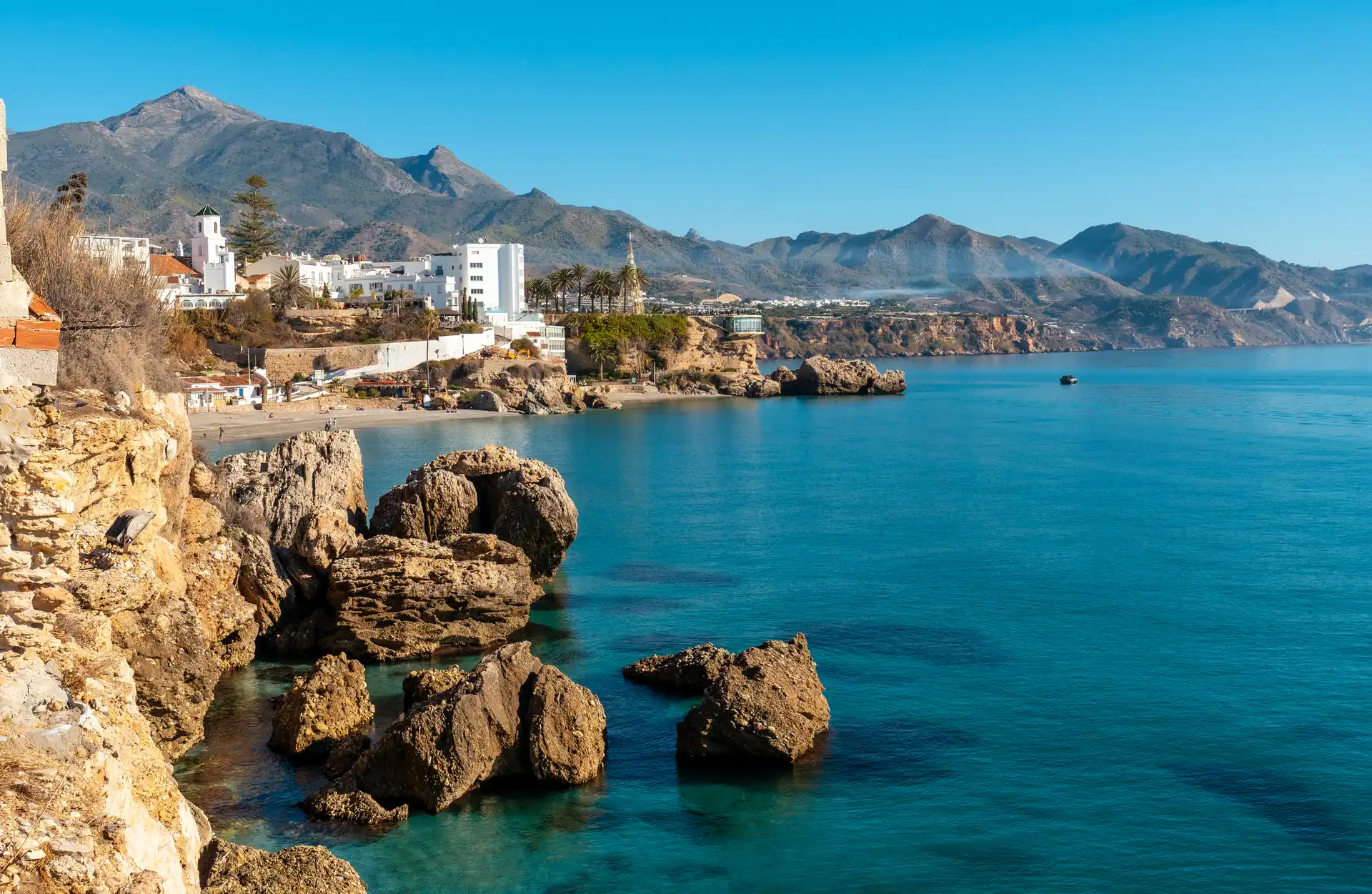
Exploring Malaga’s Charming Wine Bars
So, you’re thinking about hitting up Malaga and wondering about the wine bar scene? You’re in for a treat. Malaga isn’t just about sun and beaches; it…
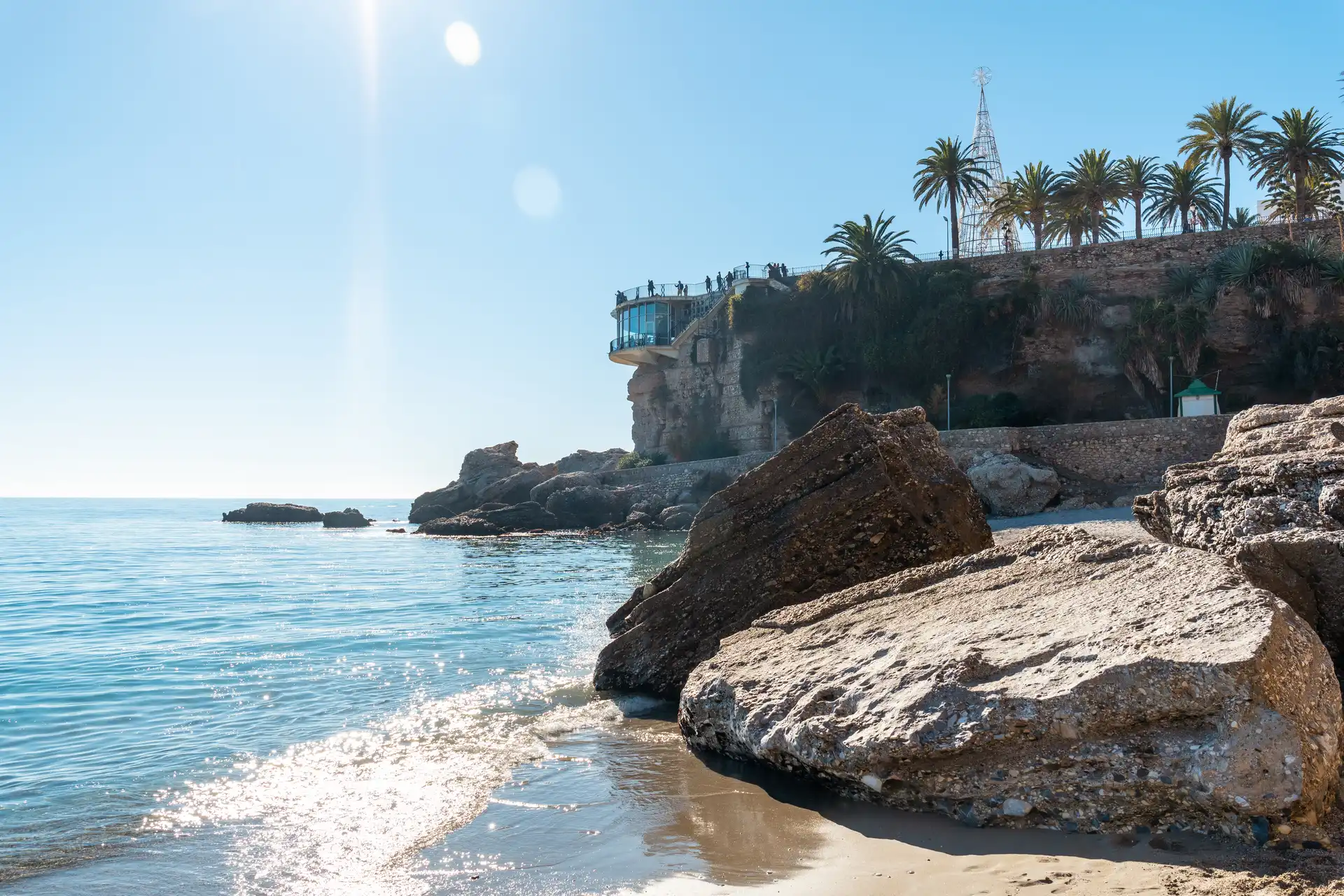
Malaga Relocation Guide: Your Essential Move
Thinking about packing up and heading to sunny Málaga? You’re not alone! It’s a fantastic city, brimming with culture, delicious food, and…
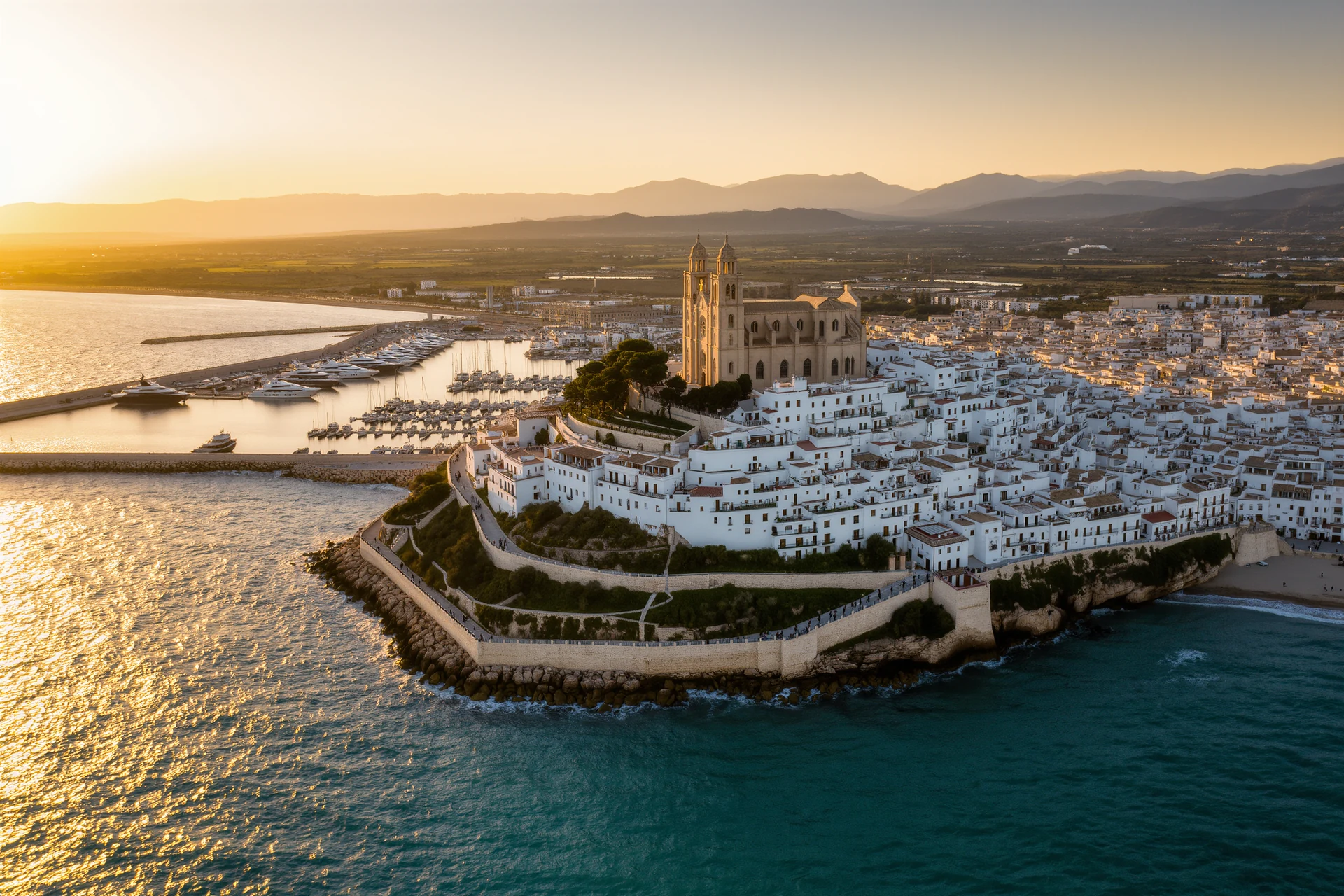
Discover Malaga: The Perfect City Break Destination
Malaga makes for an excellent city break, blending history, culture, and fantastic food with a relaxed, coastal vibe. It’s easy to get to, compa…