Discovering Malaga: Top Things to Do
Malaga, a vibrant city on Spain’s Costa del Sol, is far more than just a gateway to sun-soaked beaches. It’s a place rich in history, culture, and delicious food, offer…
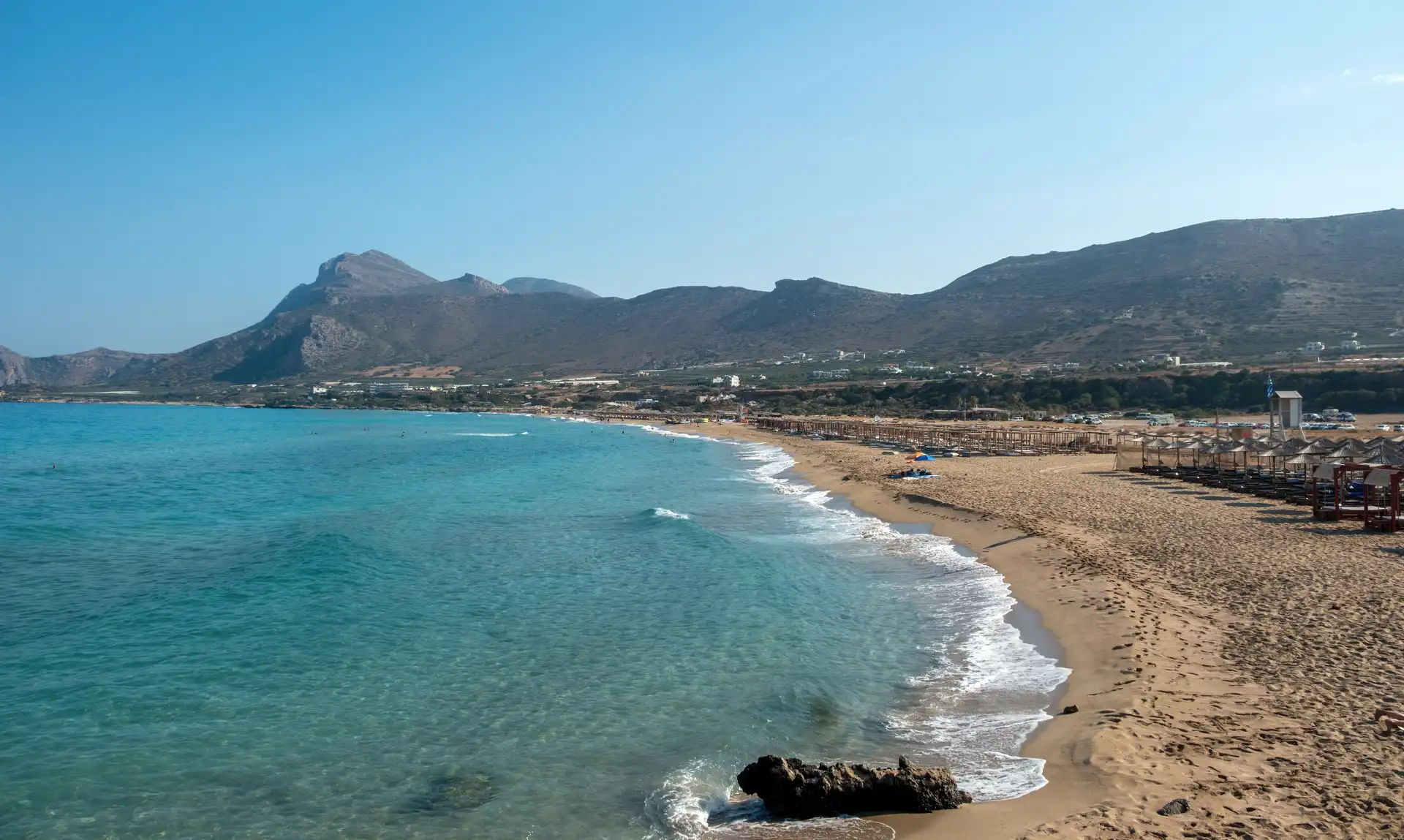
Malaga, a vibrant city on Spain’s Costa del Sol, is far more than just a gateway to sun-soaked beaches. It’s a place rich in history, culture, and delicious food, offering a genuinely engaging experience for anyone who ventures beyond its airport. From ancient fortresses and world-class art to bustling markets and stunning coastal views, Malaga has something to captivate every kind of traveler. Forget the stereotypes of a purely resort town. Malaga is a dynamic city with plenty to discover, whether you’re here for a weekend or a longer stay.
Malaga’s past is written right into its streets and buildings, a fascinating blend of Phoenician, Roman, and Moorish influences. Exploring these historical sites offers a real sense of connection to the city’s long and varied story.
Alcazaba: A Moorish Masterpiece
The Alcazaba is one of Malaga’s most iconic landmarks and a must-visit. This stunning Moorish fortress-palace, dating back to the 11th century, is remarkably well preserved. As you wander through its intricate courtyards, lush gardens, and defensive walls, you’ll feel transported back in time. The views from the top, overlooking the city and the port, are spectacular and offer a great perspective on Malaga’s layout.
- Don’t miss: The internal palaces and patios like the Patio de los Naranjos (Courtyard of Oranges).
- Practical tip: Wear comfortable shoes, as there’s a fair bit of walking and stairs. It’s also a good idea to visit in the morning or late afternoon to avoid the midday heat.
Roman Theatre: An Ancient Stage
Right at the foot of the Alcazaba lies the Roman Theatre, a powerful reminder of Malaga’s ancient heritage. Discovered only in 1951, after being buried for centuries, this amphitheater dates from the 1st century AD. It’s now partially restored and occasionally used for performances, breathing new life into this historical gem. You can walk around the site and imagine gladiatorial contests or theatrical performances taking place here millennia ago.
- Did you know?: It was used as a quarry for the construction of the Alcazaba for a period before its rediscovery.
- Accessibility: It’s easily accessible and free to view from the street level. There’s also an interpretation center for more context.
Malaga Cathedral: “La Manquita”
Affectionately known as “La Manquita” (the One-Armed Lady) because one of its towers remains unfinished, Malaga Cathedral is an impressive Renaissance masterpiece. Construction began in 1528 and continued for centuries, resulting in a fascinating blend of architectural styles. The interior is vast and ornate, with beautiful chapels, choir stalls, and a stunning altarpiece. Climbing to the rooftop offers incredible panoramic views of the city, well worth the effort.
- What to look for: The detailed choir stalls carved by Pedro de Mena and the various chapels.
- Rooftop access: Check opening times for rooftop tours, as these can be separate from general admission.
Immerse Yourself in Art and Culture
Malaga has a strong cultural pulse, particularly when it comes to art. As the birthplace of Pablo Picasso, it’s no surprise that the city boasts several excellent museums and galleries.
Picasso Museum Malaga: A Homage to a Master
Located in the Palacio de Buenavista, the Picasso Museum Malaga is an essential stop for any art enthusiast. While his most famous works are often found elsewhere, this museum offers a deep dive into Picasso’s artistic evolution, housing over 200 works donated by members of his family. It covers a wide stylistic range, from his early academic studies to his revolutionary cubist pieces and later works. You’ll gain a richer understanding of the artist’s roots and connection to his hometown.
- Tip for avoiding crowds: Visit first thing in the morning or late afternoon.
- Beyond the art: The building itself, a restored 16th-century palace with Moorish and Renaissance elements, is beautiful.
Carmen Thyssen Museum: Spanish Art Showcase
For a comprehensive look at 19th-century Spanish art, particularly Andalusian painting, the Carmen Thyssen Museum is a real treasure. Housed in the Palacio de Villalón, another beautifully restored historical building, the collection features works by Spanish masters often overlooked in more international collections. It’s a great opportunity to explore movements like Romanticism, Costumbrismo, and even some early avant-garde pieces, offering a different perspective on Spanish identity and landscape.
- Highlights: The focus on Costumbrismo, which depicts local customs and scenes, provides a vivid snapshot of historical Andalusia.
- Location: It’s conveniently located in the city center, making it easy to combine with other sightseeing.
Centre Pompidou Malaga: A Modern Touch
The Centre Pompidou Malaga, identifiable by its striking multi-coloured glass cube, is France’s first foray outside its home country. This outpost brings a touch of contemporary flair to Malaga’s port area, exhibiting a permanent collection of avant-garde and modern art from the 20th and 21st centuries. You’ll find works by artists like Frida Kahlo, Francis Bacon, and Joan Miró. It’s a great counterpoint to the more traditional art on display elsewhere.
- Architecture: The building itself is an artwork. Don’t just focus on the inside!
- Surroundings: Located in the Muelle Uno area, it’s perfect for combining with a stroll along the waterfront.
Savor Malaga’s Culinary Delights
Malaga’s food scene is vibrant, diverse, and incredibly delicious. From traditional tapas bars to sophisticated seafood restaurants, you’ll find plenty to tempt your taste buds.
Tapas Hopping in the Historic Centre
You can’t visit Malaga without indulging in a tapas crawl. The historic center is dotted with countless bars, each with its own specialities. Tapas are not just small plates of food; they’re a way of life, a social activity. Go from bar to bar, trying a few dishes and a drink (like a caña of beer or a glass of local wine) at each. It’s a fantastic way to sample a wide array of local flavors.
- Local favorites: Espetos de sardinas (sardine skewers), boquerones fritos (fried anchovies), tortilla de patatas (Spanish omelette), gambas al pil-pil (sautéed prawns in garlic and chili oil).
- Where to go: Calle Larios and the surrounding side streets are a good starting point, but don’t be afraid to venture off the main drag for more local spots.
Atarazanas Market: A Feast for the Senses
The Mercado Central de Atarazanas is an absolute must for food lovers. Housed in a beautiful 19th-century building with a stunning stained-glass window, this bustling market is a hive of activity. You’ll find stalls overflowing with fresh seafood, local produce, cheeses, cured meats, and spices. It’s not just a place to shop; it’s an experience. Many stalls also offer tapas and drinks, allowing you to sample the fresh produce right there.
- Best time to visit: Go in the morning to see the market at its liveliest.
- Lunch option: Grab some incredibly fresh seafood tapas at one of the bar stalls inside.
Málaga’s Sweeter Side: Ice Cream and Wine
Malaga also has a sweet tooth. After a meal, or even just as a mid-afternoon treat, seek out some helado (ice cream). There are numerous heladerías throughout the city, offering classic and innovative flavors. And, of course, Malaga is famous for its sweet wine. Traditionally enjoyed as a dessert wine, it’s a rich and aromatic experience.
- Ice cream recommendation: Look for small, independent heladerías for unique, artisanal flavors.
- Wine tasting: Many local bars will offer small glasses of sweet Malaga wine; ask for a recommendation.
Enjoy Malaga’s Outdoors and Views
Beyond its historical and cultural core, Malaga offers plenty of opportunities to enjoy the outdoors, soak up the sun, and take in some truly stunning vistas.
Stroll Along Muelle Uno and La Malagueta Beach
Muelle Uno is a modern, open-air shopping and dining area located right by the port. It’s perfect for a leisurely stroll, with plenty of shops, restaurants, and cafes overlooking the boats. From here, you can continue directly to La Malagueta Beach, Malaga’s main urban beach. While it can get busy, it’s great for a dip in the Mediterranean, sunbathing, or enjoying a drink at one of the chiringuitos (beach bars) that line the sand.
- Evening ambiance: Muelle Uno is especially charming in the evening when the lights come on.
- Beach tip: The sand can be a bit coarse here, so consider bringing a beach mat if you plan to lie down for a while.
Gibralfaro Castle: Panoramic Perfection
Perched high above the city, Gibralfaro Castle offers arguably the best panoramic views of Malaga. This 14th-century fortress is connected to the Alcazaba by a walled corridor. While the castle itself isn’t as ornate as the Alcazaba, the walk along its ramparts provides breathtaking vistas of the bullring, the port, the city, and the distant mountains. It’s a fantastic spot for photography, especially around sunset.
- Getting there: You can walk up (it’s a steep climb but manageable), take a bus (number 35 from Alameda Principal), or a taxi.
- Combined ticket: There’s often a combined ticket for the Alcazaba and Gibralfaro, which can save you a bit of money.
Parque de Malaga: An Urban Oasis
Right in the heart of the city, the Parque de Malaga is a beautiful sub-tropical park, perfect for a shaded escape from the bustling streets. Lined with exotic plants, palm trees, and fountains, it’s a pleasant place for a leisurely walk, a picnic, or simply to sit on a bench and people-watch. It provides a green lung to the city and a lovely transition between the city center and the port area.
- What to see: Look for the various statues and monuments scattered throughout the park.
- Kids’ friendly: There are playgrounds here, making it a good spot if you’re traveling with children.
Day Trips from Malaga
While Malaga itself offers plenty to keep you busy, its prime location on the Costa del Sol makes it an excellent base for exploring the wider Andalusian region.
Ronda: The City on the Gorge
Just a scenic drive inland, Ronda is one of Spain’s most dramatic towns, famous for its Puente Nuevo (New Bridge) that spans a 100-meter-deep gorge. The views of the El Tajo gorge are simply astounding. Ronda also boasts one of Spain’s oldest bullrings, charming old town streets, and beautiful squares. It’s a place that truly takes your breath away.
- Must-do: Walk across the Puente Nuevo and then find the viewpoints both above and below the bridge for different perspectives.
- History buff tip: Explore the Palacio de Mondragón, with its beautiful gardens and Moorish-influenced architecture.
Nerja and the Caves: Coastal Beauty and Prehistoric Wonders
East of Malaga, the charming coastal town of Nerja offers stunning beaches and, most famously, its impressive caves (Cueva de Nerja). Discovered in 1959, these caves contain some of the largest stalactites and stalagmites in the world, along with prehistoric paintings. After exploring the caves, head to the “Balcón de Europa” in Nerja for breathtaking views of the Mediterranean Sea.
- Best of both worlds: Combine a visit to the prehistoric caves with some relaxing time on Nerja’s beautiful beaches.
- Transportation: Buses regularly run from Malaga to Nerja, making it an easy day trip.
Caminito del Rey: A Thrilling Walk
For the more adventurous, a day trip to the Caminito del Rey is an unforgettable experience. Once known as the “most dangerous walkway in the world,” it has been meticulously renovated and is now a safe but exhilarating path clinging to the rock faces of a stunning gorge. The views are incredible, and the walk itself offers a unique perspective on Andalusia’s rugged natural beauty.
- Booking essential: Tickets must be booked well in advance, as they sell out quickly.
- Physical demands: Although safe, it’s still a decent walk over varying terrain, so comfortable shoes and a reasonable level of fitness are necessary.
Malaga is a city that continues to impress, offering a genuine and diverse travel experience. Whether you’re captivated by its ancient past, inspired by its artistic legacy, indulged by its culinary scene, or simply enjoying its sunny disposition, you’ll find that Malaga offers more than enough to fill your days with memorable moments. It’s a city that blends tradition with modernity, creating a welcoming and engaging atmosphere for all who visit.
FAQs
What are some popular attractions in Malaga?
Some popular attractions in Malaga include the Alcazaba, Gibralfaro Castle, Malaga Cathedral, and the Picasso Museum.What outdoor activities can I do in Malaga?
In Malaga, you can enjoy activities such as visiting the beaches, hiking in the Montes de Malaga Natural Park, and exploring the Botanical Gardens.What cultural experiences can I have in Malaga?
Visitors to Malaga can experience the city’s rich culture by attending a flamenco show, exploring the historic city center, and trying traditional Andalusian cuisine.Are there any day trips from Malaga worth taking?
Yes, there are several day trips worth taking from Malaga, including visiting the charming town of Ronda, exploring the beautiful city of Granada, and taking a trip to the picturesque village of Frigiliana.What are some family-friendly activities in Malaga?
Families visiting Malaga can enjoy activities such as visiting the Tivoli World amusement park, exploring the interactive MIMA Children’s Museum, and taking a boat trip along the coast.More from Malaga City Guide
Exploring Malaga’s Charming Wine Bars
So, you’re thinking about hitting up Malaga and wondering about the wine bar scene? You’re in for a treat. Malaga isn’t just about sun and beaches; it…
Malaga Relocation Guide: Your Essential Move
Thinking about packing up and heading to sunny Málaga? You’re not alone! It’s a fantastic city, brimming with culture, delicious food, and…
Discover Malaga: The Perfect City Break Destination
Malaga makes for an excellent city break, blending history, culture, and fantastic food with a relaxed, coastal vibe. It’s easy to get to, compa…