Discovering Marbella’s Secret Restaurants
So, you’re in Marbella and done with the usual suspects? Great! You’re probably wondering where to find those places that locals really go to, the ones that aren’…
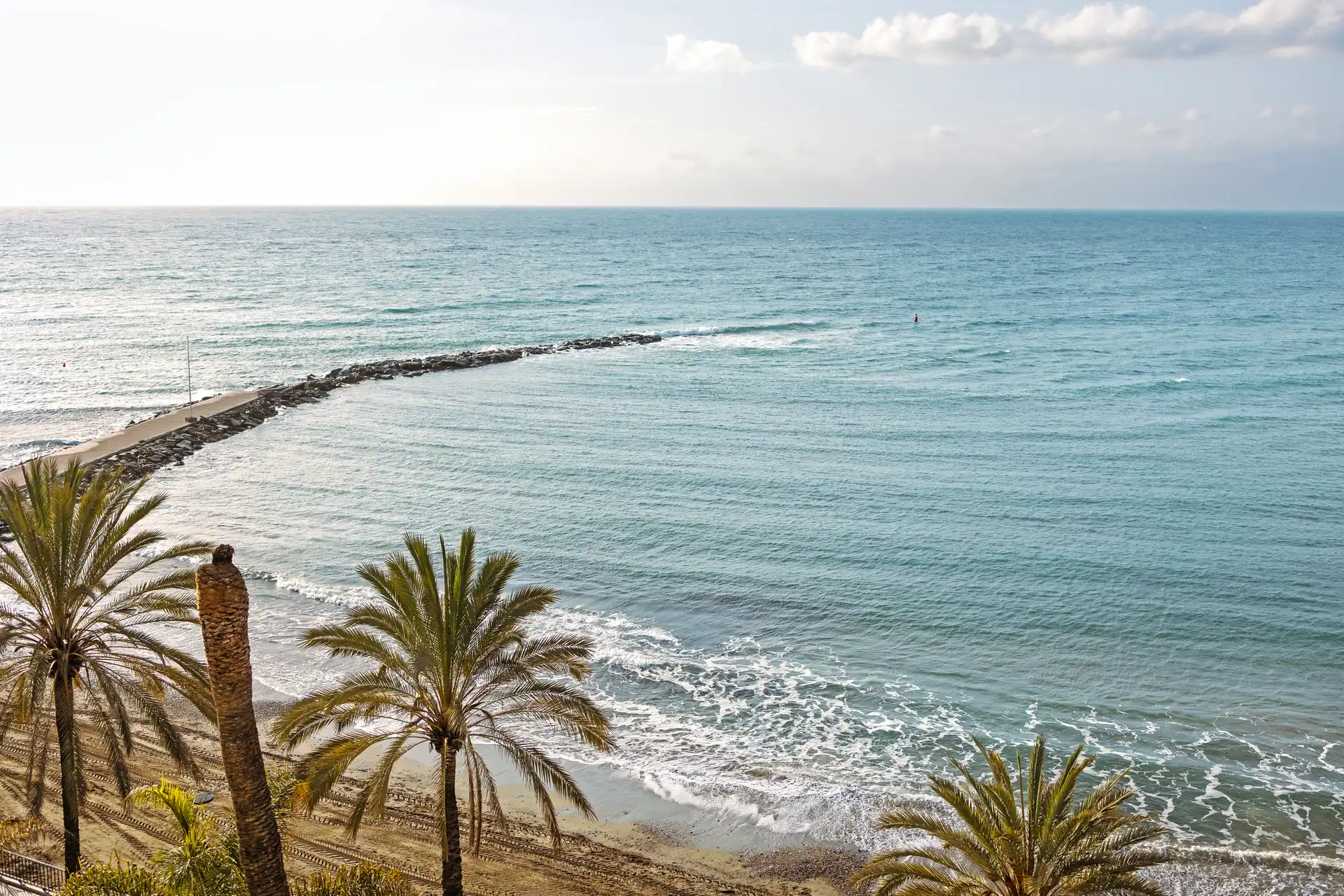
So, you’re in Marbella and done with the usual suspects? Great! You’re probably wondering where to find those places that locals really go to, the ones that aren’t plastered all over Instagram but offer a genuine taste of something special. You’re looking for the “secret restaurants,” right? The good news is, they exist, and finding them is part of the adventure. It’s less about hidden doors and more about tuning into a different frequency than the glitz and glamour. It’s about seeking out places that focus on flavour, tradition, and a welcoming vibe, without needing to shout about it. Let’s dive in and uncover some of those gems.
Marbella’s reputation is often synonymous with the port of Puerto Banús, its superyachts, and the buzzing chiringuitos right on the sand. While those have their place, the true culinary heart of Marbella beats a little further inland, or in less obvious nooks within the town itself. These are the spots where generations of families have been perfecting their recipes, where the ingredients are king, and where you’re likely to hear more Spanish than English. Forget the tasting menus and the celebrity sightings for a moment; we’re talking about hearty, honest food that tells a story.
The Old Town’s Hidden Courtyards
The Casco Antiguo (Old Town) of Marbella is a labyrinth of whitewashed streets, vibrant bougainvillea, and charming plazas. Amidst this picturesque setting are culinary treasures that often go unnoticed by the casual walker. Venture off the main tourist paths, down narrow alleyways, and you might stumble upon a small, unassuming doorway that leads to a delightful courtyard restaurant. These are the places where the pace slows down, and the food is prepared with a love that’s hard to find elsewhere.
Finding that Elusive Plaza
It’s easy to get lost, in a good way, in the Old Town. The trick is to embrace the exploration. Don’t aim for a specific address initially. Instead, wander. Notice the smaller squares, the ones that aren’t the bustling Plaza de los Naranjos (which is lovely, but well-known). Look for places with a few locals already seated, particularly at lunchtime on a weekday. That’s your first clue. These courtyards often have a shaded canopy, a few well-worn tables, and the gentle clinking of cutlery.
The Atmosphere of Simplicity
The charm here isn’t about extravagant decor. It’s about the intimacy of the space. Picture a few potted plants, perhaps some traditional Spanish tiles, and the soft murmur of conversation. The staff, often the owners themselves, are usually attentive but never intrusive. They take pride in what they serve, and their recommendations are worth following. This is where you’ll find the kind of traditional Andalusian cuisine that has sustained communities for centuries.
The Appeal of Unpretentious Eateries
What makes these restaurants “secret” isn’t that they’re actively trying to hide, but rather that they don’t chase the spotlight. They don’t rely on flashy marketing or prime beachfront locations. Their draw is word-of-mouth, reputation, and the sheer quality of their offerings. For the discerning diner, this is precisely what makes them so appealing. It’s an experience that feels earned, a discovery rather than an expectation.
The Importance of Local Recommendation
If you have the chance to chat with someone who lives or works in Marbella, ask them where they eat. Not where they take their visitors, but where they go for their own supper. This is gold. Locals know the difference between a tourist trap and a genuine culinary experience. They’ll point you towards places that offer value for money and, more importantly, unforgettable flavours.
Focusing on Regional Specialities
These hidden spots often excel at specific regional dishes. Think about what Andalusia is famous for: slow-cooked meats, fresh seafood prepared simply, gazpacho in the warmer months, and the rich, savoury flavours of Iberian pork. The secret restaurants are where these dishes are often at their absolute best, prepared using time-honoured techniques.
Venturing Inland: Rural Fincas and Countryside Delights
Marbella isn’t just its coastline. Just a short drive inland, the landscape transforms into rolling hills, olive groves, and traditional fincas (country estates) that often house some of the region’s most authentic restaurants. These are destinations in themselves, requiring a deliberate journey but rewarding you with a serene setting and exceptional food.
The Gastronomic Journey to the White Villages
Head towards the Sierra Blanca mountains, and you’ll find picturesque white villages like Ojén. These charming communities, perched on hillsides, often have family-run establishments that have been serving local families for decades. The focus here is on rustic, hearty cuisine, often featuring game, local vegetables, and slow-cooked stews.
Scenic Drives and Culinary Rewards
The drive itself is part of the experience. As you ascend, the views of the coast become increasingly spectacular. Arriving at one of these rustic restaurants feels like stepping back in time. The air is cleaner, the pace is slower, and the welcome is warm. These are places where you can disconnect from the hustle and truly savour your meal.
The Art of Slow Cooking
Many dishes served in these inland restaurants are a testament to the art of slow cooking. Think about carrillada de cerdo ibérico (Iberian pork cheeks) braised until melt-in-your-mouth tender, or conejo a la cazadora (hunter’s rabbit). These are dishes that require patience and a deep understanding of flavour development, something that’s perfected over generations in these rural kitchens.
Fincas Offering an Authentic Escape
Some of the most memorable dining experiences in Marbella are found at fincas that have been converted into restaurants. These often have beautiful grounds, sometimes with their own gardens supplying fresh produce. They offer a sense of occasion without the formality of a Michelin-starred establishment.
Experiencing Traditional Andalusian Hospitality
The hospitality at these fincas is typically warm and familial. You’ll often be greeted by the owners, who are passionate about their food and their establishment. The atmosphere is relaxed, whether you’re dining al fresco under the stars or in a charming, rustic dining room.
The Use of Fresh, Local Produce
A hallmark of these fincas is their commitment to using fresh, seasonal, and local ingredients. You might find dishes featuring the olive oil from a nearby grove, vegetables from their own garden, or fish caught that very morning by local fishermen. This direct connection to the produce translates into vibrant, flavourful dishes.
The Neighbourhood Bistros: Everyday Gems
Beyond the Old Town and the countryside, Marbella has a network of neighbourhood bistros that serve as the culinary backbone for its residents. These are the places where you’ll find consistent quality, friendly service, and a genuine reflection of everyday Andalusian life. They might not have a sweeping view or a designer interior, but they deliver on flavour and value.
Exploring the Less Touristy Districts
Venture away from the immediate beachfront of Marbella town and its more tourist-centric areas. Explore residential neighbourhoods or areas slightly further from the main commercial centres. These are the places where you’ll find these unassuming but brilliant eateries. Look for where local workers are grabbing their lunch or where families are gathering for dinner on a typical evening.
The Allure of “The Local Spot”
There’s a unique satisfaction in finding “your” local spot when you’re travelling. It’s about feeling like you’ve peeled back a layer and discovered something authentic. These neighbourhood bistros offer that feeling in spades. They become your go-to for a reliable and delicious meal, a taste of the real Marbella.
Recognizing the Signs of Quality
What are the signs of a great neighbourhood bistro? Often, it’s a packed car park at lunchtime, a menu that isn’t translated into a dozen languages (though some translation is common and helpful), and a general buzz of local chatter. The staff might seem busy, but they’ll usually have time for a friendly nod or a recommendation.
Dining Like a Local: The “Menú del Día”
One of the best kept secrets for experiencing local eateries is to embrace the “menú del día” (menu of the day). This is a set-price lunch menu that typically includes a starter, a main course, a dessert or coffee, and a drink. It’s incredibly affordable and offers a fantastic opportunity to sample traditional dishes.
The Value Proposition
The menú del día is an institution in Spain, offering incredible value. These set menus are designed to be accessible and provide a satisfying meal without breaking the bank. It’s a way for restaurants to ensure they’re busy during lunchtime and for locals to enjoy a well-rounded meal.
What to Expect on the Menu
The offerings for the menú del día vary daily, reflecting what’s fresh and in season. You might find options like a hearty lentil stew, grilled fish, or chicken with vegetables. It’s a great way to try dishes you might not otherwise order, and they are almost always prepared with the same care as the à la carte options.
Seafood Havens Off the Beaten Path
While the beachfront restaurants are famous for their seafood, some of the most authentic and freshest fish dishes are found in less obvious locations, often by the smaller fishing harbours or in unassuming establishments a stone’s throw from the sea. These are the places where the fish has likely been caught that very morning.
Coastal Gems Beyond the Main Marinas
Head to smaller coastal towns just outside of Marbella, or explore the lesser-known stretches of coastline. Often, you’ll find small, family-run restaurants near where the fishing boats come in. These places are usually unpretentious, with simple decor, but their focus is entirely on the quality of the seafood.
The Freshest Catch of the Day
The magic of these seafood restaurants lies in their direct access to the daily catch. You can often see the day’s offerings displayed on ice, and the staff can tell you exactly where and when your meal was caught. This freshness is paramount to the flavour.
Simple Preparation, Maximum Impact
Seafood at these establishments is usually prepared with a minimalist approach, allowing the natural flavours of the fish to shine. Expect grilled fish with a drizzle of olive oil and a squeeze of lemon, or simple seafood stews that are rich with the essence of the ocean.
The Charm of Local Fishing Ports
Some of the most delightful seaside dining experiences can be found at restaurants situated directly on or very near local fishing ports. These aren’t the glamorous marinas, but rather the working harbours where tradition and the fishing life are still very much alive.
The Unspoiled Atmosphere
The atmosphere in these port-side eateries is often more laid-back and authentic. You’ll hear the sounds of seagulls, the gentle lapping of waves, and the murmur of fishermen discussing their day. It’s a sensory experience that complements the fresh seafood.
The Story Behind the Dish
Diners at these spots often get a glimpse into the maritime heritage of the region. The fish on your plate has a story, from the boat it was caught on to the hands that prepared it expertly. It’s a connection to the sea that adds another layer to the dining experience.
Sweet Endings and Local Delicacies
No culinary exploration is complete without savouring the sweet treats and local delicacies that define a region. Marbella, with its Andalusian roots, offers a delightful array of desserts and traditional sweets that are often found in smaller bakeries or pastry shops, tucked away from the main thoroughfares.
Artisan Bakeries and Pastry Shops
While you might find ubiquitous desserts on menus, seeking out local bakeries (panaderías) and pastry shops (pastelerías) will lead you to something truly special. These are the places that specialize in traditional sweets, often using recipes passed down through generations.
The Handcrafted Difference
The difference between mass-produced sweets and those made by skilled artisans is palpable. You can taste the care and attention to detail in every bite. Look for places that showcase a variety of local cakes, biscuits, and pastries, often with regional ingredients.
Discovering Traditional Treats
Key to discovering these local delicacies is to ask. Don’t be afraid to inquire about what’s traditional and what the house specialities are. You might be introduced to polvorones (crumbly shortbread cookies), mantecados (similar to polvorones but often softer), or exquisite almond-based pastries that are a testament to the region’s sweet craftsmanship.
The Magic of Local Produce in Desserts
Andalusia’s rich agricultural bounty, including its abundant citrus fruits, almonds, and olive oil, often finds its way into local desserts. These ingredients are used to create flavour profiles that are distinctively regional and utterly delicious.
Almonds: A Staple of Andalusian Sweets
Almonds are a cornerstone of Andalusian confectionery. From delicate almond biscuits to richer cakes and tarts, the nutty depth of almonds is a recurring, delightful theme. Look for dishes that highlight the quality of locally grown almonds.
Citrus Notes and Olive Oil Infusions
The vibrant flavours of local citrus fruits, particularly oranges and lemons, often lend a zesty brightness to desserts. Increasingly, you’ll also find innovative uses of high-quality local olive oil, which can add a subtle fruitiness and a wonderfully smooth texture to cakes and other sweet creations, providing a truly unique touch to your “secret” culinary encounters.
FAQs
What are secret restaurants in Marbella?
Secret restaurants in Marbella are exclusive dining experiences that are often hidden from the public eye. These establishments are typically known for their unique and intimate settings, as well as their carefully curated menus.How can one find secret restaurants in Marbella?
Finding secret restaurants in Marbella can be a challenge, as they are intentionally kept under the radar. However, word of mouth, social media, and specialized websites or apps dedicated to secret dining experiences can be helpful in discovering these hidden gems.What makes secret restaurants in Marbella unique?
Secret restaurants in Marbella are unique due to their elusive nature and the sense of exclusivity they offer. These establishments often provide a one-of-a-kind dining experience, with carefully crafted menus, personalized service, and an air of mystery.Are reservations required for secret restaurants in Marbella?
Yes, reservations are typically required for secret restaurants in Marbella. Due to their limited seating and exclusive nature, these establishments often operate on a reservation-only basis to ensure a personalized and intimate dining experience for their guests.What should one expect from a meal at a secret restaurant in Marbella?
Guests can expect a memorable and unique dining experience at a secret restaurant in Marbella. From carefully curated menus featuring gourmet dishes to personalized service and an intimate setting, these establishments aim to provide an unforgettable culinary journey for their patrons.More from Hidden Gems

Chic Costa del Sol: Boutique Bliss
So, you’re thinking about a trip to the Costa del Sol but want to skip the mega-resorts and find something a little more… special? You’re …

Charming Towns Near Marbella: Exploring the Costa del Sol
Looking for that quintessential Spanish charm beyond the glitz of Marbella? You’re in luck! The Costa del Sol is dotted with genuinely lovely to…

Secret Coves: Costa del Sol’s Hidden Gems
Looking for those tucked-away beaches on the Costa del Sol? While the main playas are great for families and facilities, sometimes you just want a bit…