Embrace Mediterranean Home Living: A Lifestyle of Elegance and Comfort
Feeling overwhelmed by choices when decorating? Want a home that feels like a permanent vacation without the kitsch? Mediterranean home living offers just that: a blend of elegance…
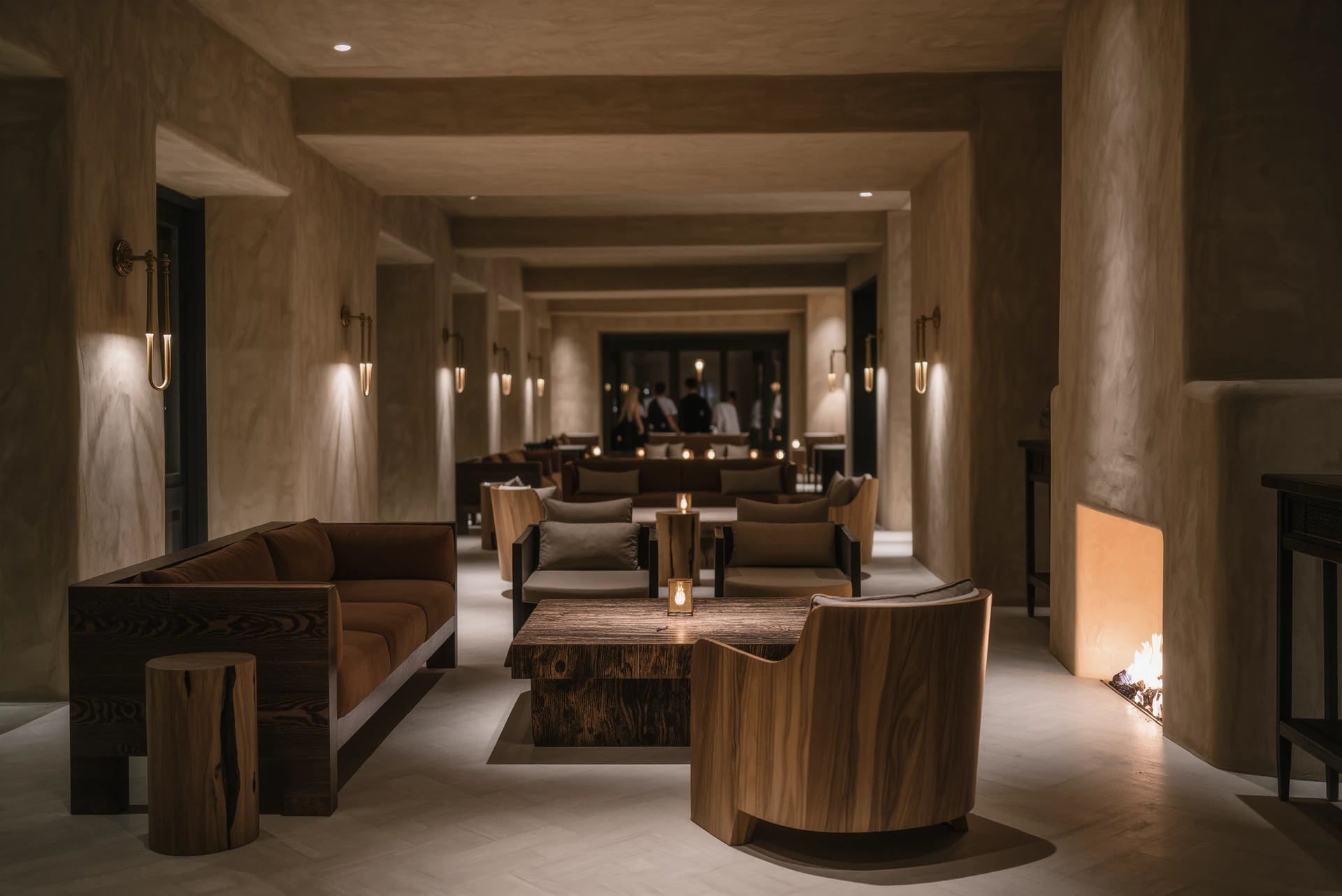
Feeling overwhelmed by choices when decorating? Want a home that feels like a permanent vacation without the kitsch? Mediterranean home living offers just that: a blend of elegance and comfort that emphasizes natural light, earthy textures, and a relaxed, unhurried atmosphere. It’s less about a strict design brief and more about a sensibility, think sun-drenched European villas, coastal retreats, and a deep appreciation for the simple pleasures.
The Essence of Mediterranean Living
At its core, Mediterranean design isn’t about replicating a specific region’s architecture brick for brick. Instead, it’s about capturing a feeling. Imagine the warm sun on your skin, the scent of olive groves, and the gentle sound of waves. This feeling translates into a home that is both inviting and sophisticated, creating a serene sanctuary from the modern world. It’s about creating spaces where you can genuinely unwind, entertain effortlessly, and connect with nature, even if your “nature” is a small backyard garden.
A Nod to History and Geography
The geographical and historical influences are key here. Spanning countries like Spain, Italy, Greece, and parts of North Africa, the Mediterranean region boasts a rich tapestry of cultures, each contributing to a diverse yet cohesive design language. Think of the whitewashed walls of Greek islands, the rustic terracotta tiles of Tuscany, or the intricate mosaics of Moorish Spain. These aren’t just aesthetic choices; they are practical responses to intense sunlight and warm climates.
So, how do you bring this feeling into your own home? It starts with understanding the foundational elements.
Embracing Natural Materials
The Mediterranean aesthetic is deeply rooted in nature. Forget synthetic finishes and embrace the genuine article.
Terracotta and Stone: Grounding Elements
These materials are timeless and durable, perfect for flooring, patios, or even accent walls. Terracotta, with its warm, earthy tones, instantly evokes sun-baked landscapes. Stone, whether limestone, travertine, or river rock, adds a sense of timeless solidity and coolness, a welcome relief in warmer climates. Using large format tiles can create a feeling of expansiveness, while smaller, more intricate patterns can add visual interest. Don’t be afraid to mix and match; a stone fireplace against a terracotta floor feels incredibly authentic.
Wood: Warmth and Texture
Wood, especially in its natural, unvarnished state, is crucial. Think rough-hewn beams, distressed furniture, and often, lighter-toned woods like alder or oak, rather than very dark, heavy woods. Exposed wooden beams on ceilings are a hallmark of Mediterranean homes, adding architectural interest and a rustic touch. For furniture, look for pieces with a slightly aged or weathered appearance, reflecting years of comfortable use.
Wrought Iron: Delicate Strength
From intricate balustrades to elegant light fixtures and furniture accents, wrought iron adds a touch of classic elegance and delicate strength. Its dark, often twisted forms provide a beautiful contrast to lighter walls and natural textures, reminiscent of old-world craftsmanship. Consider a wrought iron chandelier as a focal point, or smaller decorative pieces around the home.
The Power of Color and Light
Light is paramount in Mediterranean design, and colors are chosen to enhance it.
Whitewashed Walls: Reflecting the Sun
This is perhaps the most iconic element. Whitewashed walls aren’t just aesthetically pleasing; they’re practical. They reflect abundant sunlight, keeping interiors cool and bright. This doesn’t mean stark white; often, there’s a subtle warmth or hint of cream in the plaster, giving the walls a soft, inviting glow. This blank canvas also allows natural textures and vibrant accents to truly pop.
Earth Tones and Coastal Hues: A Harmonious Palette
Beyond white, the color palette draws directly from the Mediterranean landscape. Think sandy beiges, warm ochres, terracotta oranges, and olive greens. These are complemented by the brilliant blues and turquoises of the sea and sky. Use these as accent colors in textiles, ceramics, or smaller decorative items, rather than dominating large surfaces. The goal is to create a sense of harmony and tranquility.
Maximizing Natural Light: Openness and Connection
Large windows, often arched or rectangular, are essential. They invite the outside in, blurring the lines between indoor and outdoor spaces. Sheer curtains or light linen drapes can filter harsh sunlight while preserving an airy feel. Strategic placement of mirrors can also amplify light and expand a space. The idea is to create an environment where the sun is a constant, welcome presence.
Furnishings: Comfort Meets Craftsmanship
Mediterranean furnishings lean towards comfort and durability, favoring natural materials and artisanal touches over mass-produced uniformity.
Rustic and Handcrafted Furniture: Stories in Wood
Look for sturdy, comfortable pieces, often made from wood with a visible grain or slightly distressed finish. Think large, inviting sofas covered in natural fabrics, wooden dining tables that can accommodate many guests, and intricately carved chests or cabinets. Each piece should feel like it has a history, an heirloom quality. Upholstery often features natural fibers like linen, cotton, or even jute, in muted or earthy tones.
Comfortable Seating: The Art of Lounging
Mediterranean living encourages relaxation. This means plush seating, oversized cushions, and inviting nooks. Think deep sofas, chaises lounges, and comfortable armchairs perfect for an afternoon siesta. Outdoor seating is equally important, often with ample shade and comfortable cushions, encouraging al fresco dining and socializing.
Decorative Accents: Adding Character
This is where you weave in personality and regional flair.
Ceramics and Pottery: Earthy Charm
Hand-painted ceramics, terracotta pots, and decorative pottery are indispensable. They bring bursts of color and pattern, whether as functional tableware, decorative vases, or wall hangings. Look for pieces with traditional motifs or a rustic, handmade feel.
Textiles: Texture and Softness
Sumptuous textiles add warmth and softness. Think rich, woven rugs (often kilims or dhurries), embroidered throw pillows, and light, airy linen drapes. Patterns often feature geometric designs, stripes, or subtle floral motifs, drawing inspiration from various Mediterranean cultures.
Woven Baskets: Practical and Pretty
Woven baskets, made from natural materials like rattan, seagrass, or wicker, are both practical for storage and add a textural element. Use them for blankets, magazines, or even as decorative planters.
Bringing the Outdoors In (and Vice Versa)
The seamless flow between indoor and outdoor spaces is a cornerstone of Mediterranean living.
Courtyards and Patios: Extensions of the Home
If you have the space, a courtyard or patio becomes an essential “room” of the house. Furnish it with comfortable seating, outdoor rugs, and plenty of plants to create an inviting oasis. These spaces are designed for relaxation, dining, and entertaining, bridging the gap between structure and nature. Even a small balcony can be transformed into a Mediterranean-inspired retreat with the right plants and furniture.
Lush Greenery and Fragrant Herbs: A Living Landscape
Plants are not just decorative; they are integral to the Mediterranean lifestyle. Olive trees, citrus plants (lemon and orange), rosemary, lavender, and bougainvillea are commonly associated with the region. Whether in large terracotta pots, climbing walls, or in a carefully curated garden, greenery adds freshness, fragrance, and vibrancy. Don’t forget scented herbs like basil and oregano, perfect for both cooking and creating an aromatic environment.
Water Features: Sound and Serenity
The gentle trickle of a fountain or the calm surface of a pool adds a crucial sensory element. It brings a sense of coolness, tranquility, and a soothing soundscape that enhances the relaxed atmosphere. Even a small tabletop fountain can make a difference in a limited space.
Living the Mediterranean Way
Beyond the aesthetics, Mediterranean living is also about a lifestyle.
Emphasis on Slow Living and Connection
It’s about slowing down, savoring moments, and prioritizing connection, with family, friends, and nature. This translates into spaces designed for gathering, communal meals, and relaxed conversation. Forget the rush; embrace the linger.
Al Fresco Dining: A Celebration of Food
Food is central to Mediterranean culture. Creating inviting spaces for outdoor dining, whether a simple bistro set on a balcony or a grand patio table, encourages shared meals and extended celebrations under the open sky. Good food, good company, and a beautiful setting, that’s the Mediterranean dream.
Sustainability and Durability: Built to Last
The use of natural, locally sourced materials and timeless designs means Mediterranean homes are often built to endure. There’s an inherent sustainability in choosing quality, durable items that won’t need frequent replacement, a far cry from disposable trends. It’s about investing in your home for the long term.
Practical Tips for Your Home
Ready to infuse your home with Mediterranean charm? Here are a few practical pointers.
Start Small: Focus on Key Elements
You don’t need a complete overhaul. Begin by incorporating one or two defining elements: a terracotta planter with an olive tree, a whitewashed accent wall, or some hand-painted ceramic dinnerware. These small changes can have a big impact.
Embrace Imperfection: Patina and Character
Mediterranean design isn’t about clinical perfection. Embrace the beauty of aged wood, slightly worn textiles, and hand-finished ceramics. These imperfections add character and a sense of history, contributing to the lived-in, welcoming feel.
Declutter: Simplicity is Key
While rich in texture and detail, Mediterranean homes generally avoid excessive clutter. Focus on quality over quantity, allowing each curated piece to breathe and contribute to the overall aesthetic without overwhelming the space.
Layer Textures: A Feast for the Senses
Combine rough stone with smooth plaster, soft linen with woven rugs, and sturdy wood with delicate wrought iron. This layering creates depth and visual interest, making the space feel rich and inviting.
Blend Styles: Your Personal Touch
While there are common threads, remember the Mediterranean region is vast and diverse. Feel free to mix elements from different sub-regions, a touch of Moroccan tile here, a Greek archway there, to create a style that truly resonates with you. It’s about personal interpretation, not strict adherence to a single blueprint. The goal is a home that feels like an authentic reflection of warmth, comfort, and a life well-lived.
FAQs
What is Mediterranean home living?
Mediterranean home living refers to a style of home design and decor that is inspired by the countries surrounding the Mediterranean Sea, such as Spain, Italy, Greece, and Morocco. This style is characterized by its use of natural materials, earthy colors, and rustic elements.What are some key features of Mediterranean home living?
Key features of Mediterranean home living include stucco or stone exteriors, red tile roofs, wrought iron accents, arched doorways, and terracotta or mosaic tile flooring. Additionally, Mediterranean homes often feature outdoor living spaces such as courtyards, patios, and balconies.What are common interior design elements in Mediterranean homes?
Common interior design elements in Mediterranean homes include exposed wooden beams, textured walls, hand-painted tiles, and ornate light fixtures. Furniture is often made from dark woods and features intricate carvings, while textiles such as rugs, curtains, and upholstery showcase rich, vibrant colors and patterns.How can I incorporate Mediterranean home living into my own home?
To incorporate Mediterranean home living into your own home, consider using warm, earthy colors such as terracotta, ochre, and deep blues. Incorporate natural materials like stone, wood, and wrought iron, and add decorative elements such as mosaic tiles, pottery, and lush greenery.What are some popular Mediterranean home living destinations?
Popular destinations for Mediterranean home living include the coastal regions of Spain, the countryside of Tuscany in Italy, the Greek islands, and the coastal towns of Morocco. These areas offer a rich cultural heritage and architectural inspiration for those seeking to embrace the Mediterranean lifestyle.More from Mediterranean Lifestyle
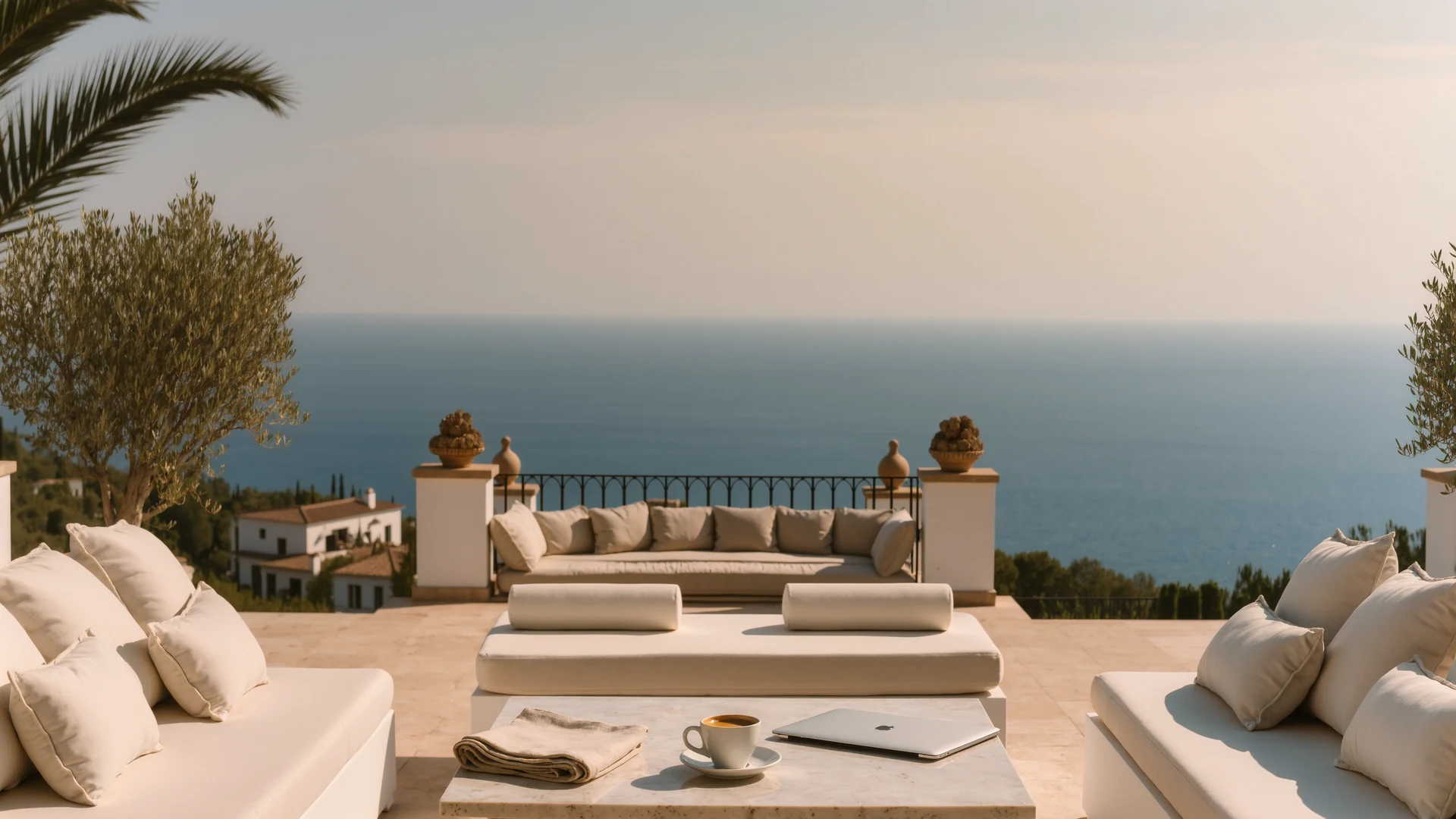
Costa del Sol Family Guide
Costa del Sol family guide: the best towns, international schools, healthcare, childcare costs, kids’ attractions and rainy-day ideas for famili…
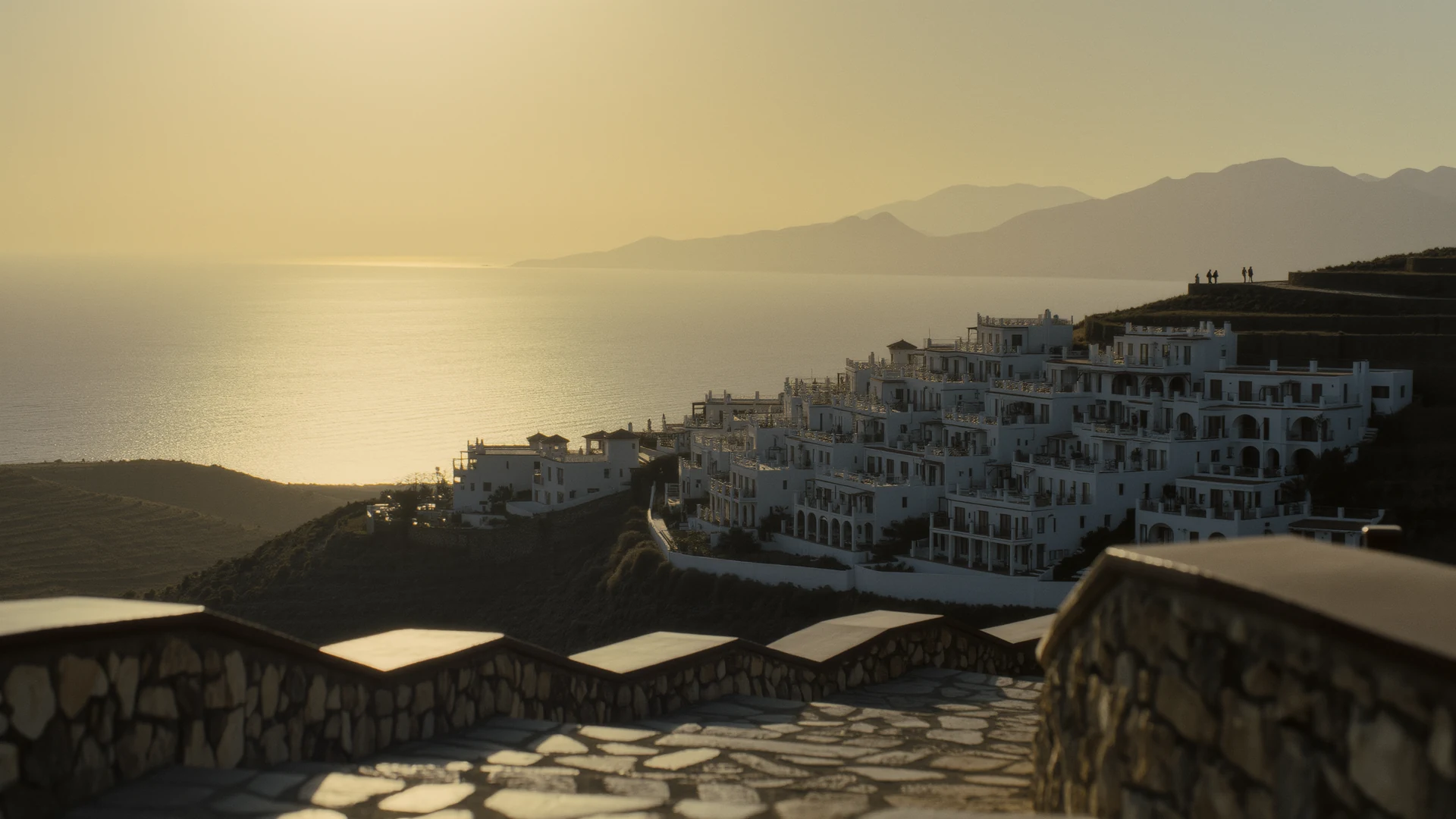
Costa del Sol Living Guide 2026
Costa del Sol Living Guide 2026: zones, cost of living, healthcare, schools, visas and property prices from Marbella to Nerja for your move to souther…
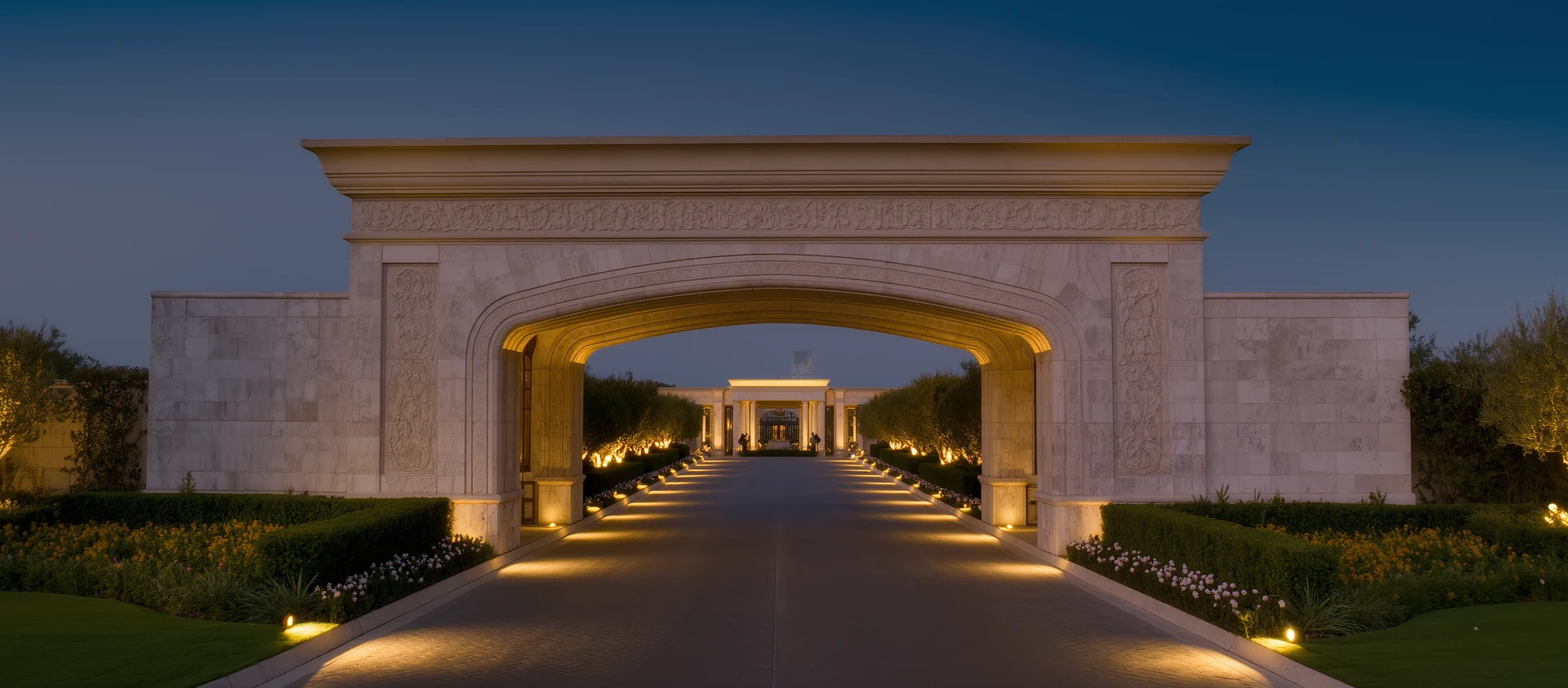
Top 5 Best Places to Live on the Costa del Sol
Thinking about making the move to the Costa del Sol? Smart choice! It’s a fantastic part of Spain with a lot to offer. But with so many beautifu…