Embracing the Costa del Sol Beach Lifestyle
So, you’re wondering what the whole Costa del Sol beach lifestyle is all about? In a nutshell, it’s a pretty sweet deal: sunshine-soaked days, easy access to beautiful …
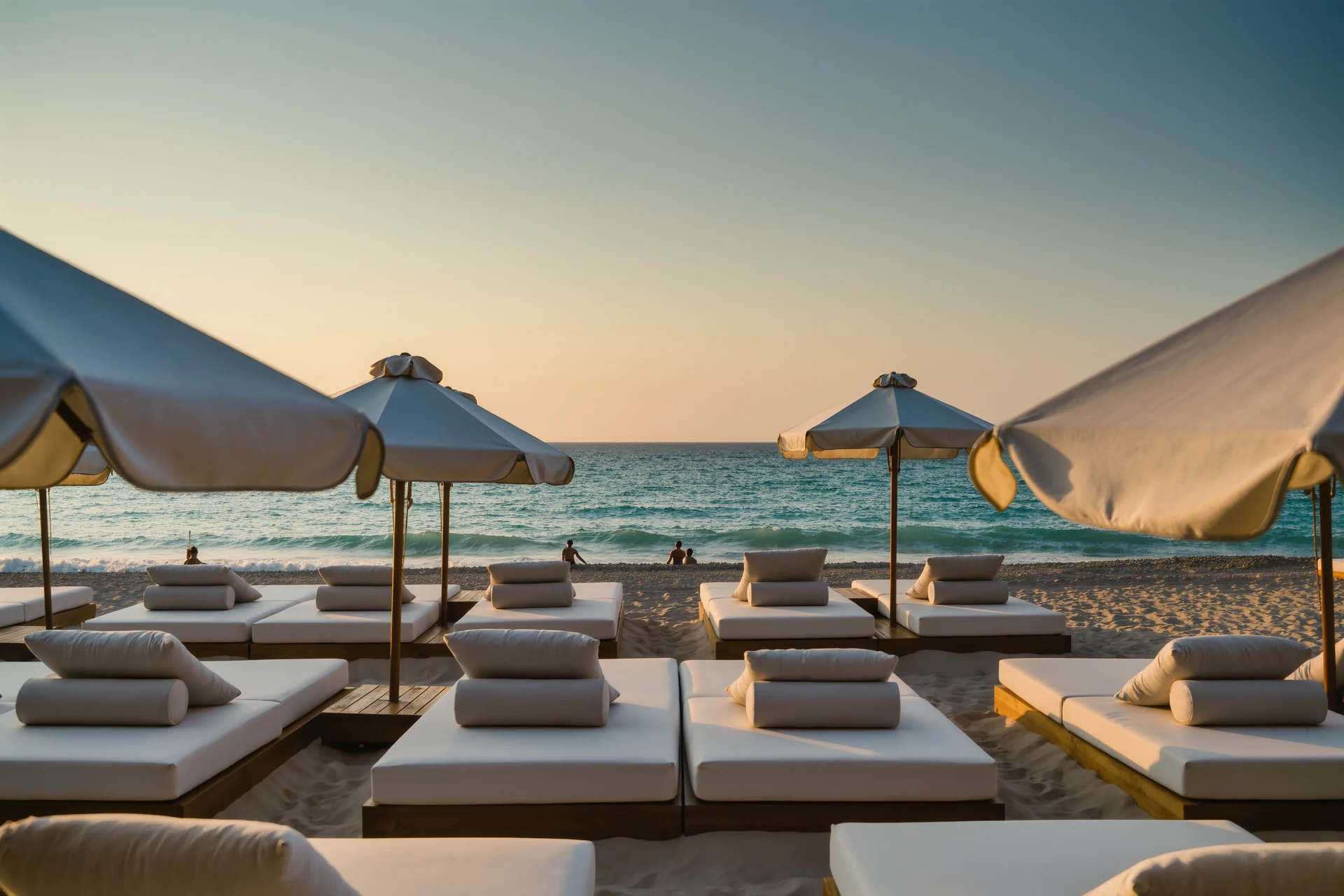
So, you’re wondering what the whole Costa del Sol beach lifestyle is all about? In a nutshell, it’s a pretty sweet deal: sunshine-soaked days, easy access to beautiful Mediterranean beaches, and a relaxed, outdoor-focused way of living. It’s less about ticking off tourist boxes and more about savoring the everyday. Think long lunches with sea views, late afternoon strolls along the shore, and evenings spent enjoying the balmy air. It’s about finding your rhythm in a place that encourages you to slow down and appreciate the simple pleasures.
The Costa del Sol stretches for miles, and while the core vibe is consistent, the specific beach experience can vary quite a bit. It’s worth exploring to see what suits your mood.
Bustling Beaches for Social Butterflies
- Marbella’s Golden Mile: If you like to see and be seen, this is your spot. Think stylish beach clubs, designer sarongs, and a vibrant atmosphere. You’ll find plenty of chiringuitos (beach bars) offering everything from fresh seafood to fancy cocktails. It’s a place to people-watch, enjoy good music, and soak up the energy. Don’t expect solitude, but do expect a good time.
- Puerto Banús: Adjacent to Marbella, Puerto Banús is known for its glamorous marina and the beaches that flank it. Here, the beach lifestyle often blends with luxury. You’ll find high-end beach restaurants and plenty of opportunities for yacht watching. It’s a lively spot, particularly in the summer months, attracting a fashionable crowd.
- Torremolinos & Benalmádena: These resorts have a long history as popular tourist destinations. Their beaches are well-equipped, busy, and offer a wide range of amenities. Think promenade walks, plenty of sun loungers for hire, and easy access to shops and restaurants. They’re great for families and those who appreciate a bustling, convenient beach experience with lots of options.
Tranquil Coves for Serene Seekers
- Nerja’s Balcón de Europa & Surrounding Coves: While the Balcón itself can be busy, the area around Nerja boasts some truly picturesque coves tucked away between cliffs. Beaches like Burriana (a bit livelier but still charming) or the quieter Maro-Cerro Gordo natural park beaches (a bit more effort to reach but rewarding) offer a more natural, less developed feel. You might find snorkeling opportunities here.
- Cabopino Beach (East of Marbella): This beach offers a bit of a pleasant surprise. Nestled within a natural park and home to a small, charming marina, it feels a world away from the glitz of Marbella center. The sand dunes add to its natural beauty, and there are some good chiringuitos, including a few that are clothing-optional further along. It’s a good balance of natural beauty and convenience.
- Playa del Cañuelo (East of Nerja): This is one for those who truly want to escape. It’s a bit of a trek to get to, involving a shuttle bus down a steep road from the parking lot, but the reward is a crystal-clear, pebble beach popular for snorkeling and diving. It feels wilder, less commercialized, and offers a real sense of getting away from it all. Pack a picnic, as facilities are limited.
Family-Friendly Shores
- Fuengirola: With its long, wide expanse of sand and excellent amenities, Fuengirola is a perennial favorite for families. The promenade is perfect for strolling or cycling, and there are plenty of playgrounds, ice cream shops, and restaurants catering to all tastes. The water is generally calm, making it safe for younger children.
- Estepona: Estepona strikes a nice balance. It has a beautiful, well-maintained town beach (Playa de la Rada) right in front of the charming old town, offering easy access to facilities. Yet, it feels a little less frenetic than some of its eastern neighbors. The marina area also has lovely beaches with a more relaxed atmosphere. It’s a good choice for those who want a family-friendly beach without sacrificing authentic Spanish charm.
Mastering the Art of the Chiringuito
The chiringuito is an integral part of the Costa del Sol beach lifestyle. It’s more than just a place to eat; it’s a social hub, a refuge from the sun, and often the soundtrack to your beach day.
What to Expect
- Casual Dining: Don’t expect white tablecloths (though some can be quite sophisticated). Most chiringuitos are laid-back, serving fresh, simple food.
- Fresh Seafood: This is the star. Esaditos (sardines cooked on skewers over an open fire boat) are a must-try. You’ll also find grilled fish, calamari, prawns, and paella.
- Cold Drinks: Essential for any sunny day. Think refreshing cañas (small beers), tinto de verano (red wine and lemonade/soda), sangria, and soft drinks.
- Varying Ambiance: From rustic, wooden shacks to stylish, modern establishments with DJs and comfy lounges, chiringuitos come in all shapes and sizes. You’ll find one to suit any mood.
Chiringuito Etiquette (Practical Tips)
- Lunch is Late: Don’t expect to eat a full lunch at noon. Spanish lunch traditionally runs from 2 PM to 4 PM. Many chiringuitos will take orders earlier, but the main rush is later.
- Share Plates: Ordering several “raciones” (larger sharing plates) or “medias raciones” (half portions) for the table is common, allowing everyone to try a variety of dishes.
- Table Service: Usually, you’ll be seated and served at your table rather than ordering at a counter.
- Don’t Rush: This is a place to linger. Enjoy your food, the view, and the company.
Beyond the Esaditos
While sardines are iconic, experiment with other dishes. Look for “gambas al pil-pil” (sizzling garlic prawns), “boquerones fritos” (fried anchovies), or “ensalada malagueña” (Malaga salad with cod, potatoes, oranges, and olives). Many chiringuitos also offer straightforward chicken, pork, or steak dishes for those less inclined towards seafood.
Embracing the Outdoor Culture
The beach is just one facet of the Costa del Sol’s outdoor appeal. The lifestyle encourages you to be outside, moving, and enjoying the natural surroundings.
Walking and Cycling the Senda Litoral
- Coastal Path Project: This ambitious project aims to create a continuous coastal path along the entire Malaga coastline. While not fully complete, many sections are open and incredibly popular.
- Stunning Views: Imagine walking or cycling along purpose-built boardwalks, sometimes right over the water, with endless sea views on one side and often pretty beachfront properties or cliffs on the other.
- Connects Towns: The Senda Litoral allows you to walk or cycle between towns and beaches, making it easy to explore different areas without needing a car. Sections near Estepona, La Cala de Mijas, and Marbella are particularly well-developed and enjoyable.
- Accessibility: Many sections are flat and accessible, suitable for all ages and fitness levels.
Watersports and Activities
- Paddleboarding & Kayaking: These are hugely popular, offering a fantastic way to explore the coastline, particularly calmer coves. Renting equipment is easy at most larger beaches.
- Jet Skis & Parasailing: For a bit more adrenaline, these are readily available at tourist beaches like Marbella, Fuengirola, and Benalmádena.
- Scuba Diving & Snorkeling: The waters around Nerja and the Maro-Cerro Gordo Natural Park are particularly good for underwater exploration, with clear waters and marine life.
- Sailing & Boat Trips: From short catamaran trips to longer yacht charters, exploring the coast from the water is a wonderful experience. Dolphin spotting trips are also popular from marinas like Puerto Banús and Benalmádena.
Golf, Anyone?
The Costa del Sol is famously known as the “Costa del Golf.” If you’re a golfer, this region is a paradise, boasting over 70 courses. Even if you’re not a golfer, the green expanses and well-maintained landscapes add to the region’s overall aesthetic and recreational appeal.
Integrating into Local Life, Beyond the Sand
While the beach is a major draw, the “lifestyle” part of it means connecting with the broader culture and rhythm of the region.
Exploring the “Pueblos Blancos” (White Villages)
- A Taste of Authentic Andalusia: Just a short drive inland from the coast, you’ll find these charming, whitewashed villages clinging to hillsides. Places like Mijas Pueblo, Frigiliana, and Casares offer a stark contrast to the bustling coast.
- Narrow Cobbled Streets: Get lost in the labyrinthine alleys, discover hidden plazas, and enjoy breathtaking views back down to the coast.
- Traditional Food: Experience more traditional Spanish cuisine in these villages. Look for local stews, cured meats, and regional wines.
- Artisan Shops: You’ll often find local crafts, pottery, and textiles in these villages, making for unique souvenirs.
Understanding the Spanish Schedule
- Later Meals: Lunch (comida) is typically the biggest meal of the day and eaten between 2 PM and 4 PM. Dinner (cena) is late, often after 9 PM.
- Siesta Culture (Evolving): While not as strictly observed as it once was, especially in more commercial areas, many smaller shops and businesses still close for a few hours in the early afternoon. Plan accordingly!
- Evening Strolls: The “paseo” (evening stroll) is a big part of Spanish culture, especially in warmer months. Families and friends come out to walk, socialize, and enjoy the cooler evening air. Join in!
The Importance of Community & Socializing
- Terrace Life: Cafes and bars with outdoor terraces are central to Spanish social life. It’s where people meet for coffee, a quick tapa, or an evening drink.
- Fiestas and Ferias: Spain is famous for its festivals. The Costa del Sol towns each have their own annual ferias (festivals) with music, dancing, food, and parades. These are fantastic opportunities to witness and participate in local traditions.
- Learning a Little Spanish: While English is widely spoken in tourist areas, making an effort to learn a few basic phrases will go a long way in enhancing your experience and connecting with locals. A simple “Hola,” “Gracias,” and “Por favor” are always appreciated.
Practicalities for Seamless Living
Embracing the lifestyle is easier when you’ve got a handle on the practical side of things.
Getting Around
- Car Rental: For true flexibility, especially if you want to explore inland villages or quieter beaches, a car is recommended. Roads are generally good, but navigating town centers and parking can be challenging in peak season.
- Public Transport: The coastal train (Cercanías) runs from Malaga city to Fuengirola, connecting key towns like Torremolinos, Benalmádena, and the airport. Buses fill in the gaps and connect a wider range of destinations. Public transport is generally reliable and affordable.
- Taxis & Ride-Sharing: Taxis are readily available, and ride-sharing apps like Uber and Cabify operate in the larger towns.
Weather Wise
- Hot Summers: July and August are very hot, with temperatures often in the 30s°C (80s-90s°F) and sometimes higher. Beach days are a must, and shaded outdoor spaces are cherished.
- Mild Winters: Winters are generally mild and sunny, although you can get rainy days. It’s perfect for exploring, hiking, and enjoying the region without the summer crowds.
- Spring & Autumn: These are often considered the sweet spot, abundant sunshine, pleasant temperatures, and fewer tourists. Ideal for outdoor activities.
Packing Essentials
- Sun Protection: Non-negotiable. Sunscreen (high SPF!), hats, and sunglasses. The Mediterranean sun is intense.
- Swimwear: Obvious, but worth reiterating. You’ll live in it.
- Light Clothing: Breathable fabrics like cotton and linen are your friends. Evenings can be warm, but a light cover-up or cardigan might be needed in spring/autumn or if there’s a sea breeze.
- Comfortable Shoes: For walking the promenades, exploring villages, and general sightseeing. Flip-flops for the beach, but something sturdier for walks.
- Reusable Water Bottle: Stay hydrated, and it’s good for the environment.
- Beach Bag: A large, sturdy bag for all your beach essentials.
The Costa del Sol beach lifestyle isn’t just about spending a week on holiday; it’s about adopting a slower pace, enjoying the sun and sea, and making space for simple pleasures. It’s about eating well, being active outdoors, and embracing a culture that values community and relaxation. It’s less about a destination and more about a mindset.
FAQs
What is the Costa del Sol beach lifestyle?
The Costa del Sol beach lifestyle refers to the way of life enjoyed by residents and visitors to the coastal region of the province of Malaga in southern Spain. It encompasses a relaxed and leisurely approach to living, with a focus on enjoying the beautiful beaches, warm climate, and outdoor activities.What are some popular activities associated with the Costa del Sol beach lifestyle?
Popular activities associated with the Costa del Sol beach lifestyle include sunbathing, swimming, water sports such as surfing and paddleboarding, beach volleyball, and beachside dining. The region also offers opportunities for hiking, golfing, and exploring charming coastal towns.What are the characteristics of the Costa del Sol beaches?
The Costa del Sol is known for its long stretches of sandy beaches, clear blue waters, and picturesque coastal landscapes. Many of the beaches are lined with promenades, beach bars, and restaurants, creating a vibrant and lively atmosphere for beachgoers.What is the climate like in the Costa del Sol?
The Costa del Sol enjoys a Mediterranean climate, characterized by hot, dry summers and mild winters. The region receives an abundance of sunshine throughout the year, making it an ideal destination for beach lovers and outdoor enthusiasts.What are some popular destinations within the Costa del Sol for experiencing the beach lifestyle?
Popular destinations within the Costa del Sol for experiencing the beach lifestyle include Marbella, Torremolinos, Fuengirola, and Nerja. Each of these coastal towns offers its own unique charm, with a variety of beaches, waterfront promenades, and amenities for visitors to enjoy.More from Beach Life
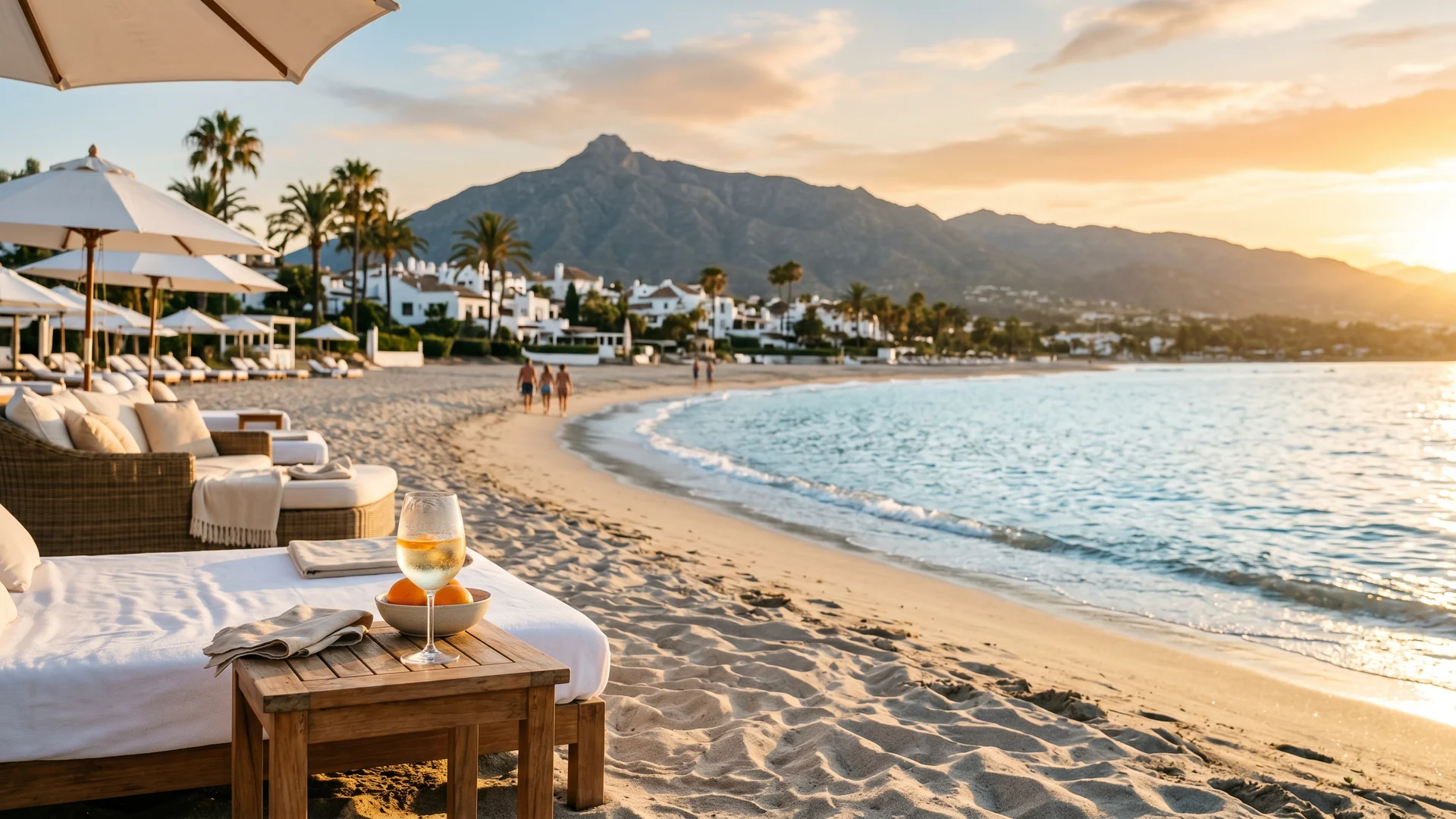
Best Beaches of the Costa del Sol
Discover the best beaches of the Costa del Sol, from family-friendly Burriana in Nerja to Marbella’s beach clubs, with tips on facilities, parki…
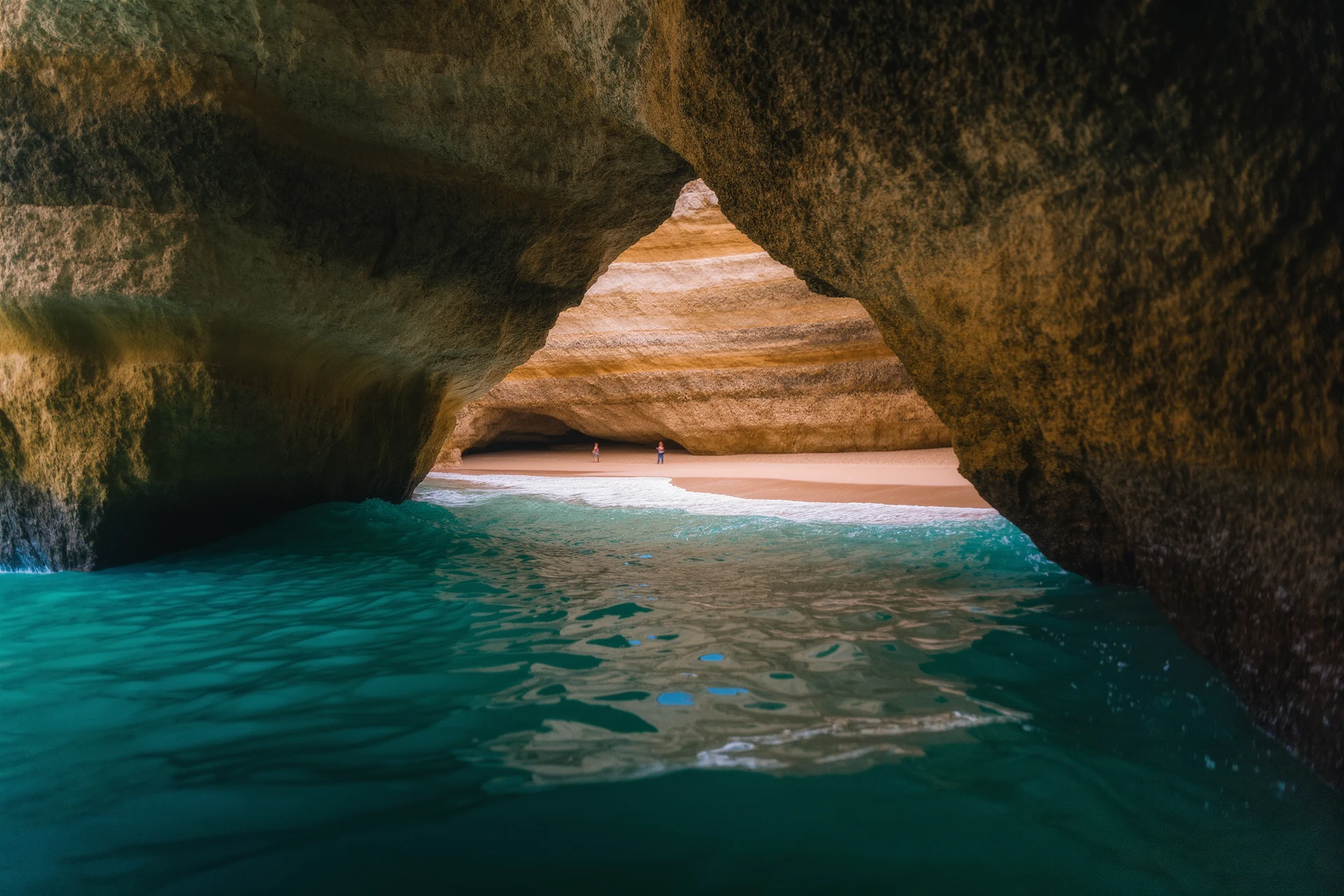
Secret Beaches: Costa del Sol’s Hidden Gems
Finding a quiet spot on the Costa del Sol can feel like a quest, right? You picture those postcard-perfect beaches but often find them packed with sun…
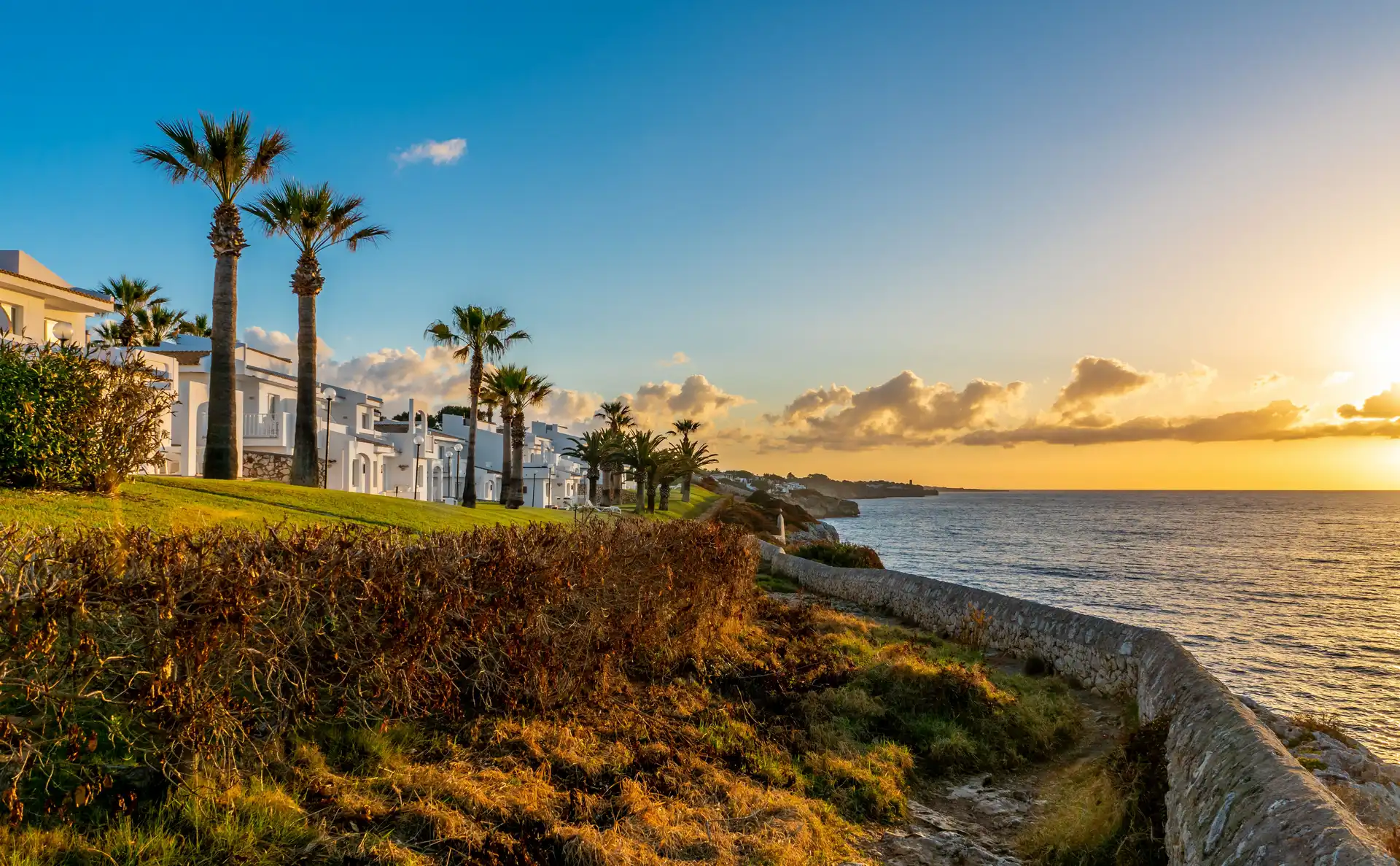
Ultimate Guide to Costa del Sol’s Summer Beaches
So, you’re wondering how to make the most of the Costa del Sol’s summer beaches? It’s a fair question, and the good news is, it’s pretty s…