Embracing the Healthy Mediterranean Lifestyle
So, you’re wondering if diving into the Mediterranean lifestyle is actually worth the hype for your health? The short answer is a resounding yes. It’s less about rigid rules …
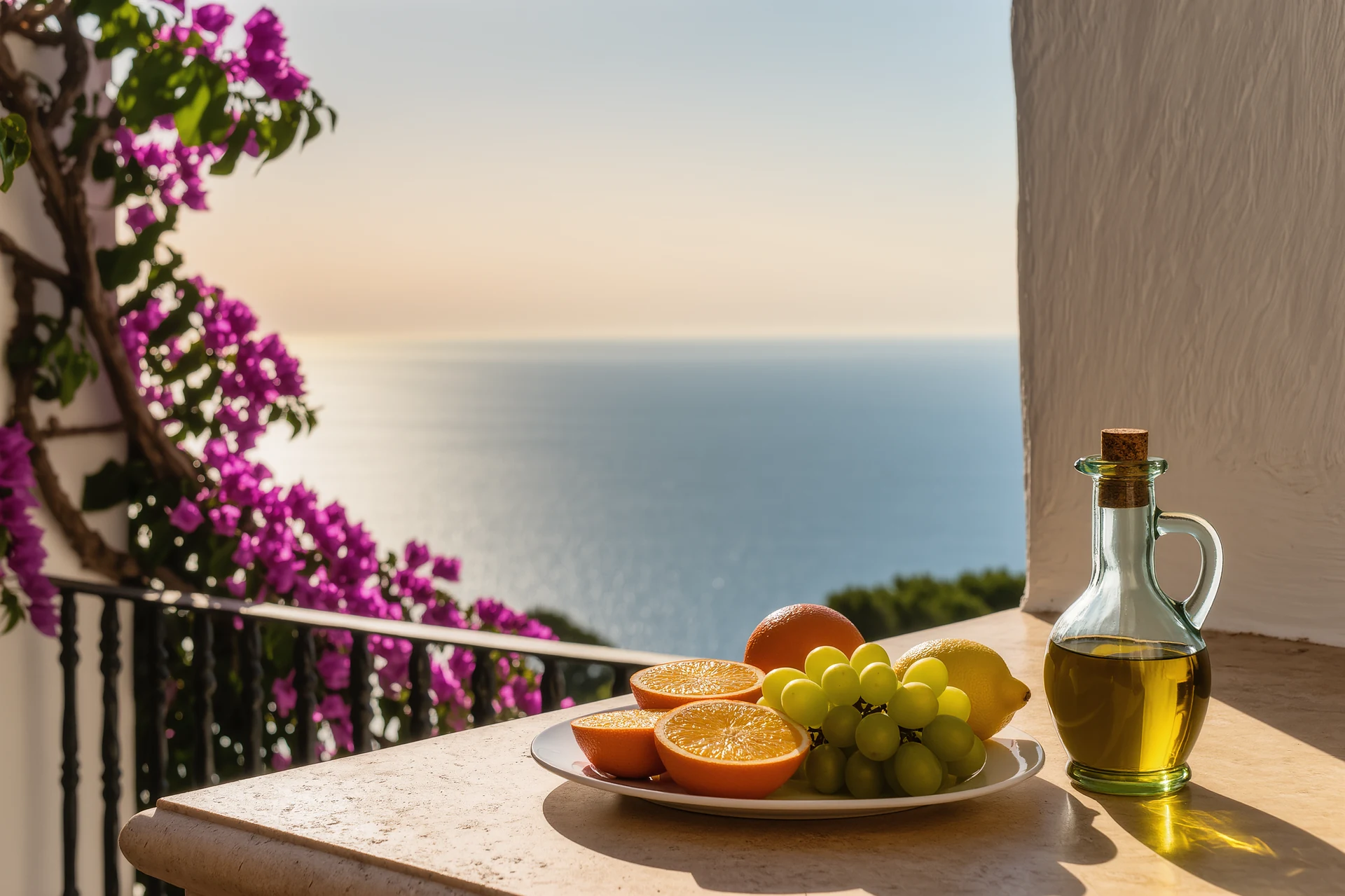
So, you’re wondering if diving into the Mediterranean lifestyle is actually worth the hype for your health? The short answer is a resounding yes. It’s less about rigid rules and more about a sustainable way of living that naturally leans towards well-being, and it’s surprisingly adaptable to modern life.
The Mediterranean lifestyle isn’t a fad diet; it’s a holistic approach to eating and living that has been around for centuries. It emphasizes fresh, whole foods, movement, and social connection, all of which contribute to better physical and mental health. It’s about enjoying life’s pleasures while making choices that nourish your body and mind.
It’s More Than Just What’s on Your Plate
When people think of the Mediterranean diet, they often picture plates bursting with colorful vegetables, olive oil, and fresh fish. And while that’s a huge part of it, the lifestyle encompasses so much more. It’s a tapestry woven with threads of culinary tradition, physical activity, community, and a general appreciation for life’s simpler joys. It’s a philosophy that promotes balance and mindful indulgence.
What Does the Mediterranean Lifestyle Actually Include?
At its core, the Mediterranean lifestyle is characterized by a few key pillars. These aren’t strict commandments, but rather guiding principles that foster a healthier, happier existence. Think of them as gentle nudges in the right direction, rather than rigid requirements.
Delicious and Nutritious Eating
This is arguably the most well-known aspect, and for good reason. The way people eat in Mediterranean countries is intrinsically linked to their health benefits. It’s about focusing on nutrient-dense foods that are naturally low in processed ingredients and saturated fats.
The Power of Plants
- Vegetables and Fruits Galore: This is the foundation. Think generous portions of leafy greens, ripe tomatoes, crisp cucumbers, bright bell peppers, sweet berries, and juicy citrus. They are packed with vitamins, minerals, antioxidants, and fiber, which are crucial for overall health and disease prevention. Don’t be shy with them; aim to fill at least half your plate with these at every meal.
- Whole Grains are Your Friends: Instead of refined white bread or pasta, embrace the goodness of whole grains like barley, quinoa, brown rice, and whole wheat. These provide sustained energy, fiber for digestive health, and essential nutrients. They are more filling and contribute to better blood sugar control.
- Legumes: The Unsightly Gems: Beans, lentils, chickpeas, these are nutritional powerhouses. They are excellent sources of plant-based protein, fiber, and iron. They are versatile, budget-friendly, and can be incorporated into countless dishes, from hearty stews to flavorful salads.
Healthy Fats, Not Scary Ones
- Olive Oil is the Unsung Hero: Extra virgin olive oil is the cornerstone of Mediterranean cooking. It’s rich in monounsaturated fats, which are linked to improved heart health and reduced inflammation. Use it generously for dressings, sautéing, and finishing dishes. Look for high-quality, cold-pressed varieties for maximum benefit.
- Nuts and Seeds: Tiny Treasures: Almonds, walnuts, pistachios, sunflower seeds, pumpkin seeds, these offer healthy fats, protein, fiber, and a wealth of micronutrients. They make for excellent snacks, salad toppings, or additions to your morning yogurt. Just be mindful of portion sizes, as they are calorie-dense.
- Fatty Fish for a Happy Heart: Aim to include fatty fish like salmon, mackerel, sardines, and anchovies in your diet a couple of times a week. They are rich in omega-3 fatty acids, which have been extensively studied for their heart-protective and anti-inflammatory properties.
Moderate Protein Sources
- Lean Proteins Lean In: While fish is favored, poultry like chicken and turkey are also part of the picture, consumed in moderation. Focus on lean cuts and skinless options.
- Dairy in Small Doses: Yogurt and cheese are consumed, but typically in smaller quantities and often as part of a meal rather than the main event. Opt for plain, unsweetened yogurt and cheeses like feta or goat cheese.
Moving Your Body with Joy
The Mediterranean lifestyle isn’t about grueling gym sessions. It’s about integrating physical activity into your daily routine in ways that feel natural and enjoyable.
Everyday Movement is Key
- Walking is a Superpower: Whether it’s a brisk walk to the local market, a stroll after dinner, or simply walking instead of driving short distances, walking is the cornerstone of physical activity in these regions. It’s accessible, free, and surprisingly effective for cardiovascular health and mood improvement.
- Gardening and Chores Count: Everyday activities like tending to a garden, doing household chores, or even dancing around your kitchen are all forms of movement. These contribute to overall energy expenditure and can be quite therapeutic.
- Embrace Functional Fitness: Think about activities that mimic natural movements. Carrying groceries, climbing stairs, or playing with children all contribute to building strength and mobility without requiring formal exercise.
Making it Social and Fun
- Group Activities: Many Mediterranean cultures embrace group activities. Think dancing classes, community walks, or sports played with friends. The social aspect makes exercise more enjoyable and easier to stick with.
- Active Hobbies: Pursuing active hobbies like hiking, cycling, swimming, or even just playing a casual game of frisbee in the park adds movement to your life without feeling like a chore.
The Importance of Social Connection and Well-being
This is a less talked-about but equally vital component. Strong social bonds and a mindful approach to life contribute significantly to overall health and longevity.
Nourishing Your Social Soul
- Shared Meals are Sacred: Meals in Mediterranean cultures are often a social affair, shared with family and friends. This fosters connection, slows down eating, and allows for mindful enjoyment of food. It’s about the conversation and company as much as the food itself.
- Community Engagement: Participating in local events, volunteering, or simply spending time with neighbors creates a strong sense of belonging. This social support network is invaluable for mental well-being.
- Prioritizing Relationships: Nurturing friendships and family ties is seen as a fundamental aspect of a good life. These connections provide emotional support and reduce feelings of isolation.
Mindful Living and Rest
- Slowing Down: There’s a general appreciation for savoring the moment. This can translate to taking time to enjoy your coffee, read a book, or simply sit and people-watch. It’s about being present rather than rushing through life.
- Adequate Rest: While not always explicitly stated as a “diet” component, getting enough quality sleep is crucial for physical and mental restoration. The slower pace of life often facilitates better sleep patterns.
- Stress Management: The emphasis on social connection and mindful living naturally contributes to better stress management. Finding time for activities that relax and rejuvenate you is key.
Adapting the Mediterranean Lifestyle to Your Life
The beauty of the Mediterranean lifestyle is its flexibility. You don’t need to move to the Mediterranean to reap its benefits. It’s about making small, sustainable changes that fit your current lifestyle.
Practical Ways to Start Today
- Start with Your Plate:
- Increase Vegetable Intake: Aim to add one extra vegetable serving to your breakfast, lunch, or dinner. Throw spinach into your eggs, add a side salad to your sandwich, or blend extra veggies into your pasta sauce.
- Swap refined grains for whole grains: Choose whole wheat bread over white, opt for brown rice, or try quinoa. This is a simple switch that has a big impact.
- Embrace healthy fats: Use olive oil for cooking and dressings. Keep a handful of nuts or seeds for snacking.
- Incorporate legumes: Add a can of chickpeas to your salad, make lentil soup, or enjoy hummus with your veggies.
- Move More, Not Harder:
- Walk more: Park further away, take the stairs, or go for a short walk during your lunch break.
- Find an activity you enjoy: This could be dancing, gardening, cycling, or even just playing with your kids or pets outdoors.
- Make it social: Invite a friend for a walk or join a local walking group.
- Connect and Unwind:
- Prioritize meals with loved ones: Even if it’s just a quick family dinner, make an effort to connect.
- Schedule “me time”: Even 15-30 minutes of quiet time to read, meditate, or simply relax can make a difference.
- Reach out to friends: Schedule a call or coffee with someone you haven’t spoken to in a while.
Busting Common Myths about the Mediterranean Lifestyle
There are a few misconceptions that often surround this way of living, so let’s clear them up.
Myth 1: It’s all about pasta and pizza.
While these staples are present, they are generally made with whole grains, fresh vegetables, and healthy fats in moderation. It’s not the Americanized version that often dominates. Think more rustic, vegetable-heavy dishes.
Myth 2: You have to eat fish every day.
While fish is recommended a couple of times a week, the focus is on a varied diet. Legumes, nuts, and seeds provide ample protein.
Myth 3: It’s too expensive or time-consuming.
In reality, many of the core components, vegetables, legumes, whole grains, are budget-friendly. And focusing on simple, whole foods often means less reliance on expensive processed items. The emphasis on cooking at home can also save money.
Myth 4: It’s too restrictive.
The Mediterranean lifestyle is about abundance, not deprivation. It celebrates delicious, healthy foods and a balanced approach to life. It’s more about what you add than what you take away.
The Long-Term Benefits: Why It’s a Sustainable Choice
The Mediterranean lifestyle isn’t about quick fixes; it’s about fostering long-term health and well-being. The studies consistently show its positive impact on various aspects of health.
Protecting Your Heart Health
This is perhaps the most widely celebrated benefit. The emphasis on healthy fats, fiber, and antioxidants helps to lower LDL (bad) cholesterol, reduce blood pressure, and decrease the risk of heart disease and stroke. It’s a comprehensive approach to cardiovascular wellness.
Reducing Inflammation
Chronic inflammation is a root cause of many diseases. The abundance of antioxidants from fruits, vegetables, and olive oil in the Mediterranean diet helps to combat this. Omega-3 fatty acids also play a crucial role in reducing inflammatory responses.
Lowering the Risk of Chronic Diseases
Beyond heart health, research suggests that adopting this lifestyle can significantly reduce the risk of developing type 2 diabetes, certain types of cancer, and neurodegenerative diseases like Alzheimer’s. It’s a powerful tool for disease prevention.
Boosting Mental Well-being
The combination of nutritious food, regular movement, and strong social connections has a profound impact on mental health. It can help reduce stress, improve mood, and combat feelings of anxiety and depression.
Promoting Longevity
Studies have consistently shown that people who adhere to a Mediterranean way of eating and living tend to live longer, healthier lives. It’s a testament to the power of a balanced and nourishing approach.
Making it Your Own: Personalizing the Mediterranean Approach
The beauty of embracing the Mediterranean lifestyle is that it isn’t a one-size-fits-all prescription. It’s a framework that you can adapt to fit your individual preferences, cultural background, and dietary needs.
Experiment with Flavors
- Herbs and Spices are Your Best Friends: Instead of relying on salt and unhealthy sauces, explore the vast world of herbs and spices to add flavor to your dishes. Basil, oregano, thyme, rosemary, garlic, and paprika are just a few starting points.
- Sauces and Dressings: Create your own light vinaigrettes with olive oil, lemon juice, and herbs. Experiment with tahini-based dressings or yogurt-based sauces for a healthier alternative to creamy, store-bought options.
- Regional Variations: Even within the Mediterranean, there are diverse culinary traditions. Explore Greek, Italian, Spanish, or North African influences to find flavors that resonate with you.
Finding Your Movement Rhythm
- Listen to Your Body: Not everyone enjoys high-intensity workouts. Find movement that feels good for you. If you have knee issues, swimming or cycling might be better than running. If you love to dance, make it a regular part of your week.
- Break it Down: If finding a solid hour for exercise is challenging, aim for 10-15 minute bursts of activity throughout the day. A brisk walk after each meal, for instance, can be highly beneficial.
- Incorporate it into Your Commute: If possible, walk or cycle to work or for errands. This kills two birds with one stone, getting your exercise and reducing your carbon footprint.
Cultivating Social Connections
- Regular “Dates” with Loved Ones: Schedule regular calls, video chats, or in-person meetups with friends and family. Make it a priority, not an afterthought.
- Join a Club or Group: Pursue a hobby that involves social interaction, whether it’s a book club, a choir, a hiking group, or a cooking class.
- Be a Good Neighbor: Simple acts of kindness, like sharing garden produce or offering a helping hand, can foster stronger community bonds.
The takeaway is simple: embrace the Mediterranean lifestyle for a healthier, more joyful you. It’s a journey, not a destination, and every small step you take towards it makes a difference.
FAQs
What is the Mediterranean lifestyle?
The Mediterranean lifestyle refers to the traditional way of living in countries bordering the Mediterranean Sea, such as Greece, Italy, and Spain. It is characterized by a diet rich in fruits, vegetables, whole grains, and healthy fats, as well as regular physical activity and a strong sense of community.What are the key components of a healthy Mediterranean lifestyle?
The key components of a healthy Mediterranean lifestyle include a diet high in fruits, vegetables, whole grains, and healthy fats such as olive oil and nuts, regular physical activity, moderate wine consumption, and a strong emphasis on social connections and community.What are the health benefits of following a Mediterranean lifestyle?
Following a Mediterranean lifestyle has been associated with numerous health benefits, including reduced risk of heart disease, stroke, and certain cancers, as well as improved weight management, better cognitive function, and a longer lifespan.How can I incorporate the Mediterranean lifestyle into my daily routine?
You can incorporate the Mediterranean lifestyle into your daily routine by focusing on eating a variety of fruits, vegetables, whole grains, and healthy fats, engaging in regular physical activity such as walking or swimming, enjoying meals with family and friends, and finding ways to reduce stress and prioritize relaxation.Are there any potential drawbacks to following a Mediterranean lifestyle?
While the Mediterranean lifestyle is generally considered to be a healthy way of living, it’s important to note that individual responses to dietary and lifestyle changes can vary. Some people may need to make adjustments based on their specific health needs or preferences. Additionally, it’s important to be mindful of portion sizes and overall calorie intake, especially when it comes to foods like nuts and olive oil, which are calorie-dense.More from Mediterranean Lifestyle

Costa del Sol Family Guide
Costa del Sol family guide: the best towns, international schools, healthcare, childcare costs, kids’ attractions and rainy-day ideas for famili…

Costa del Sol Living Guide 2026
Costa del Sol Living Guide 2026: zones, cost of living, healthcare, schools, visas and property prices from Marbella to Nerja for your move to souther…

Top 5 Best Places to Live on the Costa del Sol
Thinking about making the move to the Costa del Sol? Smart choice! It’s a fantastic part of Spain with a lot to offer. But with so many beautifu…