Embracing the Mediterranean Design Lifestyle
Mediterranean design is more than just sun-bleached walls and blue shutters; it’s a way of living that prioritizes comfort, connection, and a deep appreciation for the natura…

Mediterranean design is more than just sun-bleached walls and blue shutters; it’s a way of living that prioritizes comfort, connection, and a deep appreciation for the natural world. It’s about creating spaces that feel lived-in, inviting, and effortlessly elegant, often with a nod to the historical architecture of regions bordering the Mediterranean Sea. If you’re looking for a style that brings a sense of calm and warmth into your home, embracing this lifestyle might be exactly what you need. It’s less about following strict rules and more about capturing a feeling.
At its heart, Mediterranean design is about creating a harmonious connection between indoor and outdoor spaces. It’s a philosophy that emphasizes simplicity, natural materials, and a relaxed approach to everyday life. Think about the way people live in places like Greece, Italy, Spain, or Morocco, there’s a tangible sense of ease and a focus on enjoying the present moment. This translates directly into how their homes are designed and lived in.
Bringing the Outdoors In
This is probably the most defining aspect. Large windows, French doors, and courtyards are key. The aim is to blur the lines between inside and out, letting natural light flood in and providing easy access to gardens, patios, or balconies. It’s about extending your living space into the open air, especially during pleasant weather.
Maximizing Natural Light
Mediterranean homes rarely feel dark or stuffy. Large, often unadorned windows are crucial. The focus is on letting the sunshine in, which not only brightens the space but also contributes to a sense of openness and airiness. Openings are designed to frame views of nature, making the landscape an integral part of your interior.
Seamless Indoor-Outdoor Transitions
You’ll often find living areas that flow directly onto terraces or patios. This encourages al fresco dining, lounging, and entertaining. Materials used outdoors, like terracotta tiles or stone, might even be brought inside to create a continuous feel, further dissolving the boundary between the built environment and the natural world.
A Palette Inspired by Nature
The color schemes in Mediterranean design are deeply rooted in the landscapes themselves. You won’t find harsh or overly saturated colors. Instead, the palette is muted, earthy, and calming, reflecting the azure sea, the terracotta earth, and the vibrant greenery.
Earthy Tones and Warm Neutrals
Think of warm beiges, sandy browns, creamy whites, and soft ochres. These form the foundation of the color scheme, creating a serene and grounding atmosphere. These colors are reminiscent of sun-baked stucco and natural clay.
Pops of Coastal Blues and Greens
While earthy tones dominate, you’ll often see accents of deep blues, sky blues, and verdant greens. These reflect the Mediterranean Sea and the lush foliage found in the region. These colors are typically used in smaller doses, perhaps through textiles, ceramic accents, or even painted doors.
Emphasis on Natural Materials
Authenticity is key. Mediterranean design heavily relies on raw, natural materials that age gracefully and contribute to the tactile appeal of a space. Wood, stone, and terracotta are ever-present, bringing texture and warmth.
Terracotta and Stone Flooring
Terracotta tiles, with their earthy hues and rustic charm, are a hallmark. They are cool underfoot in warmer climates and add a distinct Mediterranean character. Natural stone, like travertine or slate, is also a popular choice, offering durability and a timeless aesthetic.
Aged Wood Accents
Wood is used for beams, furniture, and decorative elements. It’s often left with a slightly weathered or distressed finish, adding to the lived-in feel. Think of rough-hewn wooden beams on ceilings or rustic wooden tables.
Creating an Inviting Atmosphere
Beyond the visual elements, Mediterranean design is about fostering an atmosphere of comfort, relaxation, and genuine warmth. It’s a style that encourages you to slow down, savor your surroundings, and connect with others. The spaces are designed to be lived in, not just looked at.
Comfortable and Casual Furnishings
Furniture in Mediterranean homes is generally comfortable and unfussy. Upholstered pieces are often covered in natural fabrics like linen or cotton, in neutral tones or subtle patterns. The emphasis is on inviting seating arrangements that encourage conversation and lounging.
Plush Sofas and Armchairs
Think deep, comfortable sofas and plush armchairs that beg you to sink in. They are often layered with soft throws and cushions, adding to the sense of cozy indulgence. The look is intentionally relaxed, not overly perfect.
Distressed and Rattan Furniture
Pieces with a slightly distressed finish, or furniture made from rattan and wicker, contribute to the casual, bohemian vibe. These materials add texture and a relaxed, artisanal quality to the space.
The Charm of Handcrafted Details
There’s a profound appreciation for handmade items and artisanal craftsmanship. These unique pieces add character and a personal touch, telling a story and lending an air of authenticity.
Artistic Tiles and Ceramics
Hand-painted tiles, intricate mosaic work, and decorative pottery are often used to add visual interest and cultural flair. These elements can appear as backsplash details, decorative wall art, or functional pieces like bowls and vases.
Wrought Iron and Metalwork
Wrought iron is a classic Mediterranean material, used for everything from lighting fixtures and stair railings to decorative screens and furniture. Its intricate designs add a touch of old-world elegance and are often softened by the surrounding natural materials.
A Focus on Natural Textures and Fabrics
The tactile experience is important. Layering different natural textures creates depth and visual interest, making the space feel more inviting and touchable.
Linen, Cotton, and Jute
These natural fibers are favored for upholstery, curtains, rugs, and soft furnishings. They offer breathability, a soft drape, and a connection to the earth. Jute or sisal rugs, for instance, add a rustic texture.
Woven Baskets and Jute Rugs
These elements bring in organic texture and a handmade feel. They are practical for storage and add a warm, earthy touch to floors and surfaces.
Key Architectural Features to Consider
While you might not be renovating your home entirely, understanding the architectural hallmarks of Mediterranean design can help you incorporate its essence into your existing space. Many of these elements can be achieved through thoughtful decorating choices.
Arches and Curves
Arches are a quintessential Mediterranean feature, softening lines and creating a sense of grandeur and flow. They are seen in doorways, windows, and as architectural details.
Graceful Doorways and Passageways
Arched doorways and openings create a natural flow between rooms and add a touch of timeless elegance. They guide the eye and create a sense of discovery as you move through the home.
Rounded Window Frames
While less common to add retrospectively, rounded window frames contribute to the soft, organic feel of Mediterranean architecture. They break away from the usual rectilinear forms.
Stucco and Textured Walls
The distinctive look of stucco walls is synonymous with Mediterranean homes. Its slightly imperfect texture adds character and depth, especially when painted in earthy tones.
Limewash and Plaster Finishes
These finishes offer a matte, slightly textured appearance that is characteristic of Mediterranean interiors. They absorb light beautifully, creating a soft and inviting glow.
White-Washed Walls
A classic choice, especially for coastal regions. White-washed walls reflect light, keeping spaces bright and airy, and providing a clean backdrop for colorful accents.
Terracotta Roofs and Tiled Exteriors
While not always applicable indoors, the iconic red-tiled roofs are a visual cue. Internally, smaller-scale tiling can be used for decorative purposes.
Decorative Tile Accents
Consider using patterned Mediterranean tiles as accents on backsplashes, in alcoves, or as decorative borders. This can bring a touch of the region’s artistry into your home.
Bringing the Mediterranean Vibe into Your Decor
Embracing Mediterranean design doesn’t mean you need a villa in Tuscany. You can capture its spirit through thoughtful decor choices that emphasize natural elements, earthy colors, and a relaxed approach.
Furniture is Key
Choose furniture that prioritizes comfort and natural materials. Opt for pieces with simple, clean lines, or those that have a slightly worn, lived-in feel.
Natural Wood Furniture
Look for solid wood pieces. Unfinished or lightly stained wood will bring warmth and authenticity. Think of coffee tables, sideboards, or dining sets with this character.
Upholstered Pieces in Natural Fabrics
Soft, comfortable sofas and armchairs upholstered in linen or cotton are a must. Choose neutral colors for a serene base, and layer with textured throws and cushions.
Color and Pattern are Subtle but Significant
The palette is generally muted, but don’t be afraid to introduce pops of color and pattern through accessories.
Artwork and Wall Decor
Opt for art that depicts landscapes, seascapes, or botanical subjects. Ceramic plates hung on the wall can also add a beautiful, artisanal touch.
Textiles and Soft Furnishings
Cushions, throws, and rugs in earthy tones, or with subtle patterns inspired by nature, can easily infuse the Mediterranean feel. Consider patterns like Moroccan geometric designs or simple floral motifs.
Lighting Sets the Mood
Lighting is crucial for creating a warm and inviting atmosphere. Think of warm, ambient light rather than harsh, bright overheads.
Lanterns and Pendant Lights
Wrought iron lanterns or pendant lights with natural materials like rattan can add a touch of the Mediterranean aesthetic. They provide diffused, warm light.
Table and Floor Lamps
Uplighter lamps and table lamps with natural fiber shades create pools of warm light, making spaces feel cozy and intimate.
Incorporating Mediterranean Touches in Smaller Spaces
You don’t need a sprawling home to enjoy the Mediterranean lifestyle. Here’s how to infuse its essence into apartments or smaller homes.
Focus on Color and Texture
Even with limited space, the right color palette and texture can work wonders.
Paint Colors
Use warm neutrals for your walls. A creamy white, a soft beige, or a light earthy tone can make a small space feel larger and brighter, while still evoking the Mediterranean feel.
Natural Fiber Rugs
A jute or sisal rug can add warmth and texture to a living area or bedroom, grounding the space and bringing in organic elements.
Smart Furniture Choices
Select furniture that is functional and doesn’t overwhelm the space. Multi-functional pieces are ideal.
Rattan or Wicker Accents
A small rattan side table or a wicker storage basket can add a touch of the Mediterranean without taking up too much room.
Slipcovered Furniture
Slipcovered sofas and chairs offer a relaxed aesthetic and can be easily updated with new covers in natural fabrics if you want to change the look.
Embrace Greenery
Plants are vital to Mediterranean design, bringing life and color into any space.
Potted Plants
Place potted plants strategically throughout your home. Mediterranean plants like olive trees (even small ones), citrus trees, or sculptural succulents can enhance the theme.
Dried Botanicals
Don’t underestimate the charm of dried flowers or branches. They add a natural, rustic element and require no maintenance.
Accent Pieces with Flair
Small decorative items can make a big impact.
Ceramic Vases and Pottery
Showcase beautiful ceramic vases or handcrafted pottery pieces. These can hold flowers or stand alone as decorative objects.
Wrought Iron Accents
A small wrought iron candle holder or a decorative mirror with an iron frame can add a touch of authentic Mediterranean detail.
Embracing the Mediterranean design lifestyle is about more than just interior decorating; it’s about adopting a philosophy that values connection, relaxation, and a deep appreciation for the simple beauties of life. It’s about creating a sanctuary that feels authentic, inviting, and infused with the warmth of a sun-drenched coast.
FAQs
What is Mediterranean design lifestyle?
Mediterranean design lifestyle is a style of living inspired by the countries surrounding the Mediterranean Sea, such as Italy, Greece, and Spain. It emphasizes outdoor living, natural materials, and a relaxed, casual atmosphere.What are the key elements of Mediterranean design lifestyle?
Key elements of Mediterranean design lifestyle include earthy color palettes, natural materials like stone and wood, open floor plans, and outdoor living spaces such as patios and courtyards. It also emphasizes the use of natural light and incorporating elements of nature into the home.How does Mediterranean design lifestyle influence interior design?
Mediterranean design lifestyle influences interior design by promoting a warm and inviting atmosphere through the use of natural materials, rustic furniture, and decorative elements inspired by the sea and nature. It also encourages the use of vibrant colors and patterns to create a lively and welcoming space.What are the benefits of adopting a Mediterranean design lifestyle?
Adopting a Mediterranean design lifestyle can promote a sense of relaxation, connection to nature, and a focus on outdoor living. It can also create a warm and inviting atmosphere in the home, and encourage a more laid-back and casual approach to daily living.How can one incorporate Mediterranean design lifestyle into their home?
One can incorporate Mediterranean design lifestyle into their home by using earthy color palettes, natural materials like stone and wood, incorporating outdoor living spaces, and adding decorative elements inspired by the sea and nature. Additionally, embracing open floor plans and natural light can help create a Mediterranean-inspired living space.More from Mediterranean Lifestyle
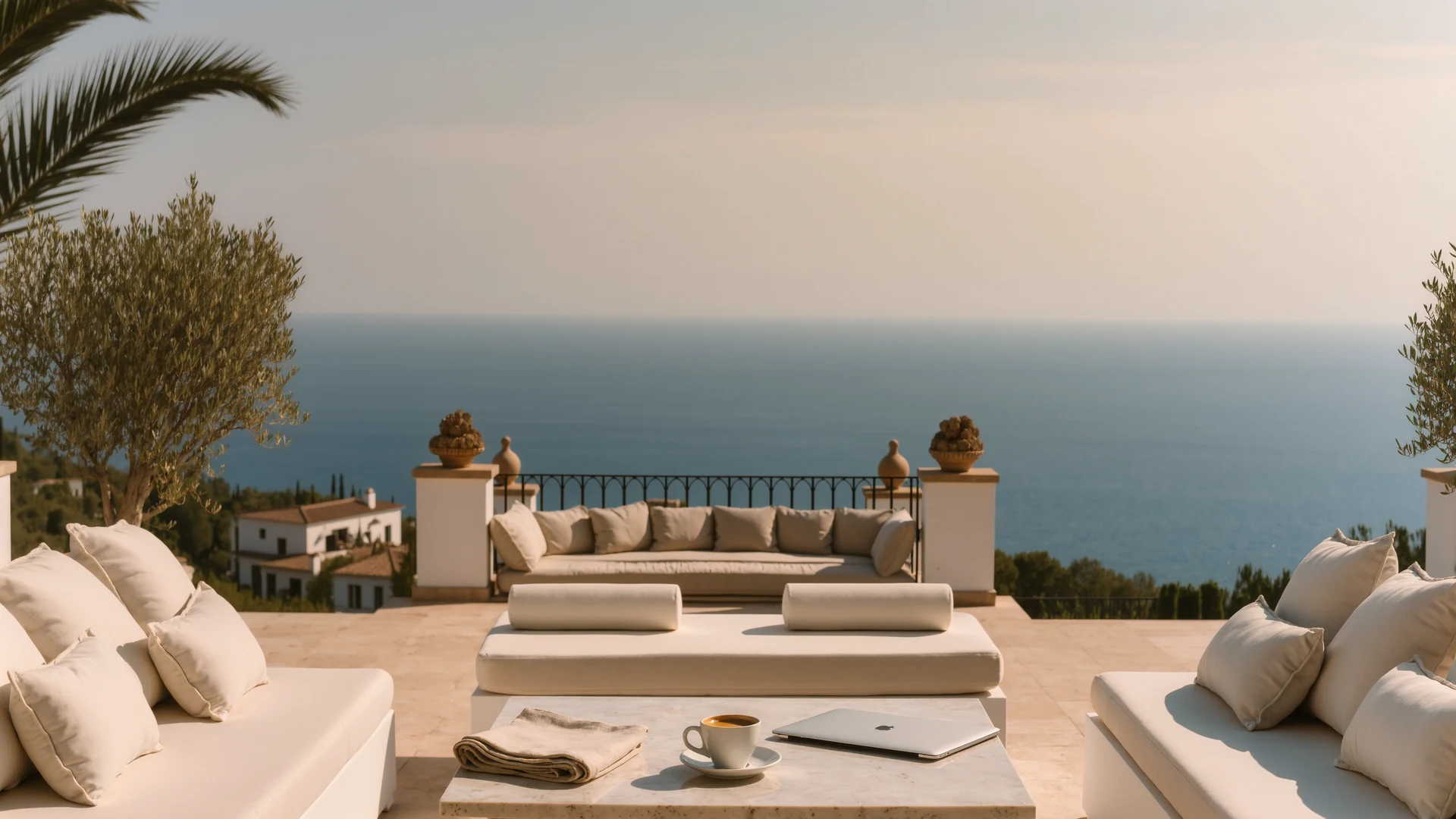
Costa del Sol Family Guide
Costa del Sol family guide: the best towns, international schools, healthcare, childcare costs, kids’ attractions and rainy-day ideas for famili…
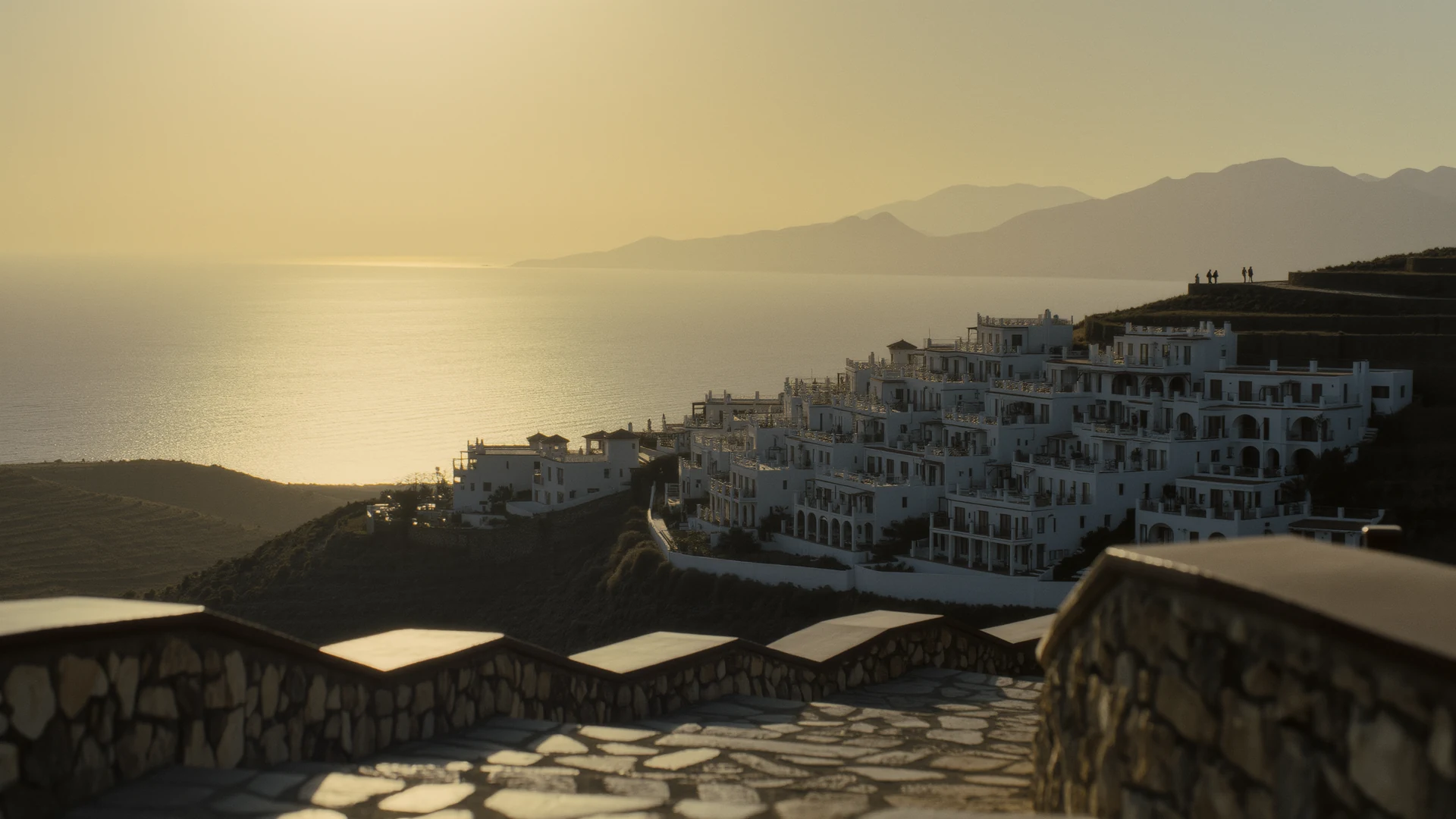
Costa del Sol Living Guide 2026
Costa del Sol Living Guide 2026: zones, cost of living, healthcare, schools, visas and property prices from Marbella to Nerja for your move to souther…
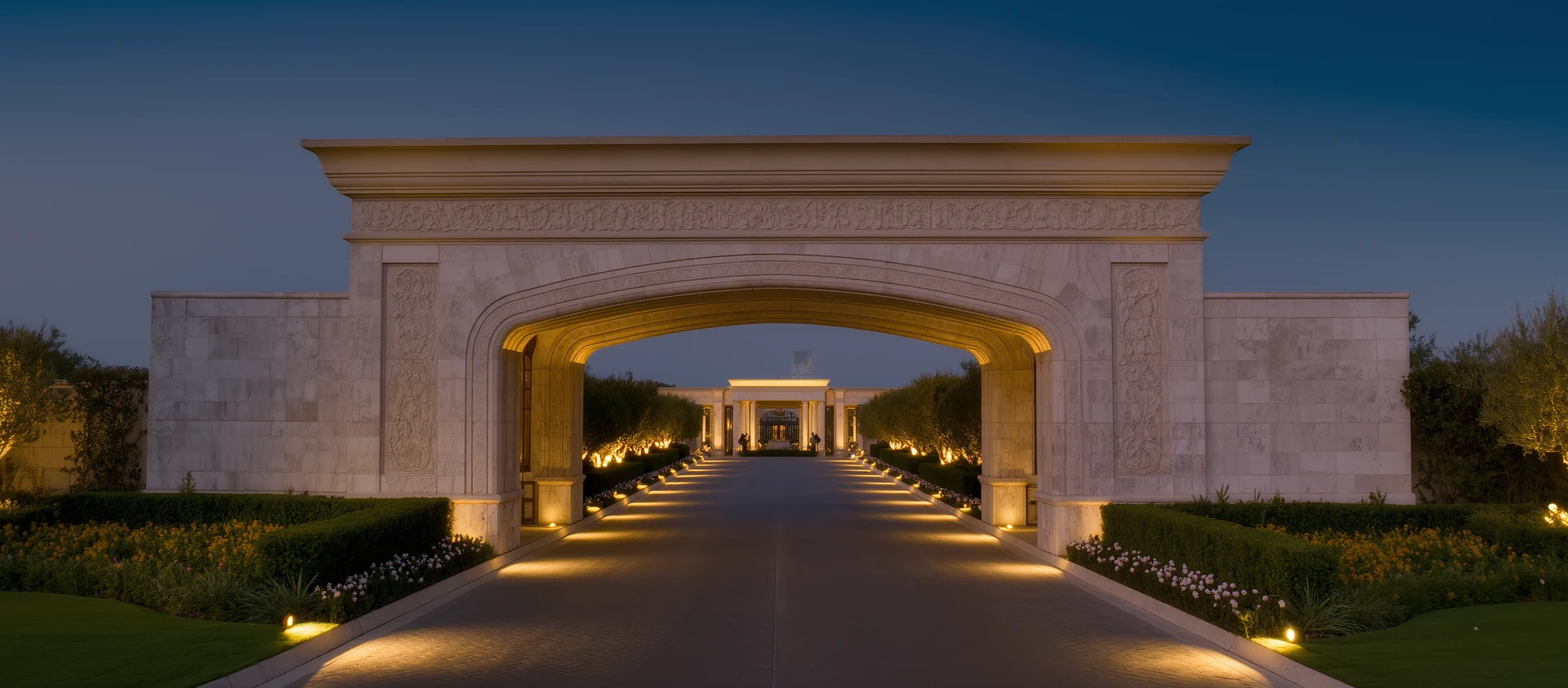
Top 5 Best Places to Live on the Costa del Sol
Thinking about making the move to the Costa del Sol? Smart choice! It’s a fantastic part of Spain with a lot to offer. But with so many beautifu…