Embracing the Mediterranean Lifestyle on the Costa del Sol
So, you’re wondering what embracing the Mediterranean lifestyle on the Costa del Sol actually entails? Simply put, it’s about slowing down, savoring the present, and in…
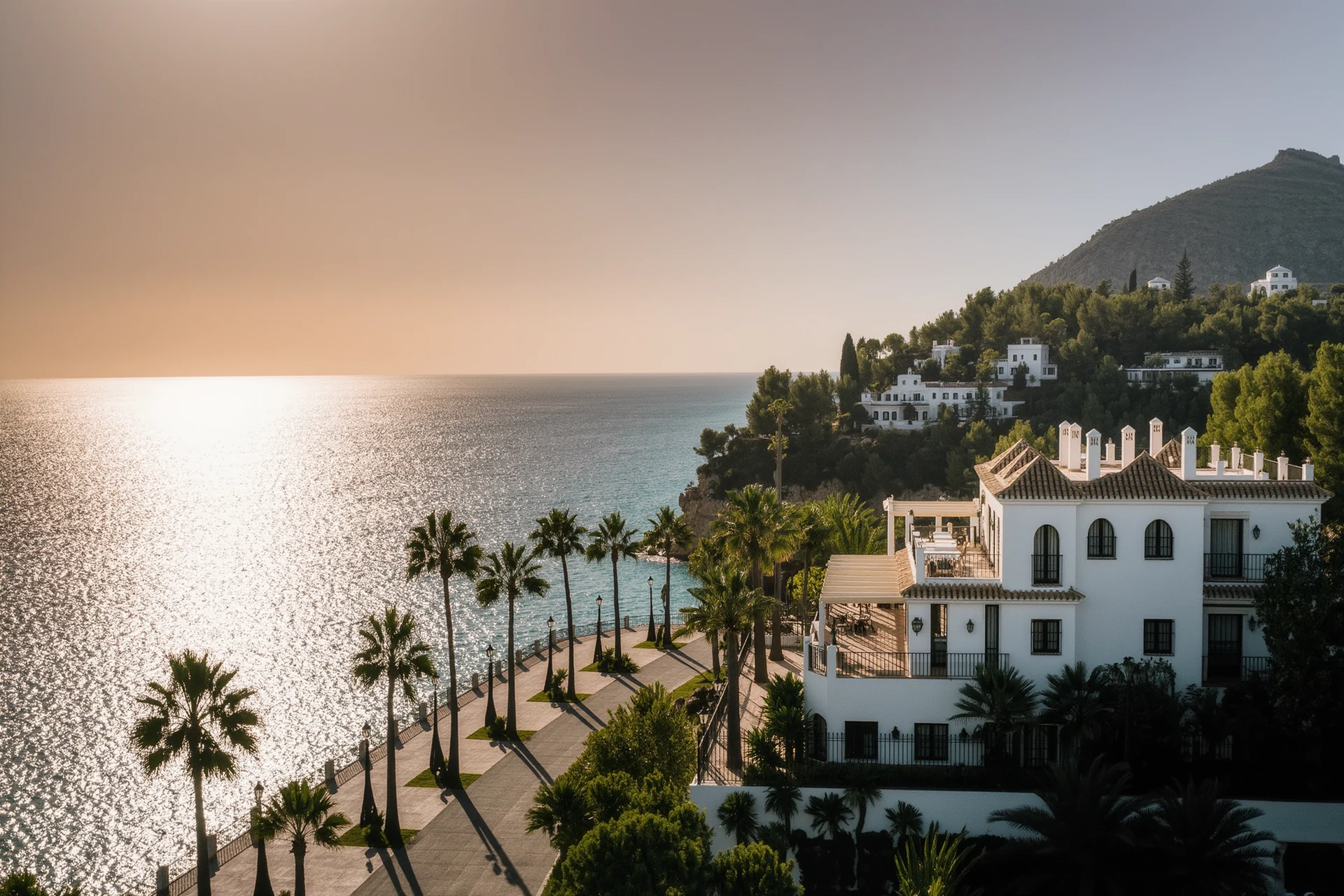
So, you’re wondering what embracing the Mediterranean lifestyle on the Costa del Sol actually entails? Simply put, it’s about slowing down, savoring the present, and integrating the region’s abundant sunshine, fresh food, and social rhythms into your daily life. It’s less about a checklist of things to do, and more about a shift in mindset and priorities. Think long, leisurely meals, evenings spent outdoors, and a genuine appreciation for the simple pleasures available here.
The Costa del Sol lives up to its name, offering over 320 days of sunshine a year. This isn’t just a marketing slogan; it profoundly impacts daily life and encourages an outdoor-centric existence.
Maximizing Your Outdoor Time
With so much sun, you’ll naturally find yourself spending a lot more time outside. This translates to more walks, longer patio lunches, and a general feeling of openness.
- Beach Life Beyond Summer: While the beaches are undeniably popular in summer, don’t underestimate their appeal in spring, autumn, and even mild winter days. A brisk walk along the shore, a quiet read with the sound of waves, or a picnic can be incredibly invigorating. It’s not just for swimming; it’s for living.
- Terrace Culture: Spanish culture thrives on terraces. Whether it’s for a morning coffee, a midday tapas, or an evening drink, the terraza is where life happens. Find your favorite spot, settle in, and watch the world go by. It’s an informal social hub.
- Outdoor Activities: The warm climate encourages a wide range of outdoor pursuits. Hiking in the Sierras, cycling along coastal paths, or simply enjoying a round of golf are common pastimes. It’s about leveraging the weather for your well-being.
The Heart of the Matter: Food and Drink
Food on the Costa del Sol isn’t just sustenance, it’s a social occasion and a celebration of fresh, local ingredients. The Mediterranean diet here is a natural, effortless way of eating well.
Fresh is Best: Local Produce and Markets
One of the cornerstones of the Mediterranean lifestyle is easy access to incredibly fresh, seasonal ingredients. This isn’t gourmet, it’s just how food is.
- Mercados and Fruterías: Forget huge supermarkets for all your produce. Seek out the local mercados (markets) and fruterías (fruit and vegetable shops). You’ll find an astonishing array of seasonal produce, often picked just hours before. The quality and flavor are usually a step above anything you’d find pre-packaged. Don’t be afraid to try something new, and remember to check what’s in season.
- Fish from the Source: Being on the coast, fresh fish is paramount. Head to the fishmonger sections in larger markets or specialized pescaderías. You’ll see the day’s catch, often still glistening, and the staff are usually happy to advise on how to prepare it. Grilled sardines (espetos de sardinas) are a local specialty you absolutely must try.
- Olive Oil: A Staple, Not a Condiment: Olive oil here is not just for cooking; it’s practically a drink. High-quality extra virgin olive oil is used generously in everything from breakfasts to salads, and you’ll find an amazing variety. It’s fundamental to the flavour and health benefits of the local diet.
Eating Habits: Slow and Social
Meals are prolonged events, meant to be shared and enjoyed without rushing. This isn’t about fitting a meal into your schedule; it’s about making time for it.
- Long Lunches (Almuerzo): Almuerzo is often the day’s largest meal. It’s common for businesses to close for two or three hours in the afternoon to allow for this leisurely break. Take advantage of it, sit down, relax, and truly taste your food. It’s a stark contrast to a grab-and-go sandwich.
- Tapas Culture: Tapas isn’t just small plates; it’s a social ritual. It’s about grazing, sharing, and moving between different bars. It’s a fantastic way to sample local specialties and spend an evening with friends without committing to one large meal. Embrace the idea of ordering a few things, having a drink, and then moving to the next spot.
- Late Dinners (Cena): Dinner is typically much later than in many other cultures, often starting around 9 or 10 PM. It’s usually lighter than lunch, but still a communal event. Adjusting your internal clock to this rhythm can take a bit, but it quickly becomes natural.
The Rhythm of Life: Pace and Priorities
One of the most noticeable aspects of the Mediterranean lifestyle is the general pace of life. It’s slower, more relaxed, and less driven by rigid schedules.
Slower Pace, Higher Quality of Life
The emphasis is on living well, rather than just working hard. This translates into a more relaxed approach to many aspects of daily existence.
- Siesta (Sort Of): While the traditional, full-blown siesta is less common in urban areas these days, the concept of a midday break, particularly during the hottest hours, persists. Many shops close, and people genuinely take a pause. It’s about respecting your body’s needs and the climate. Don’t fight it; work with it.
- Prioritizing Leisure and Family: Family and social connections are deeply ingrained in the culture. Weekends and evenings are often dedicated to spending time with loved ones, enjoying meals, and simply being together. There’s a strong belief in maintaining work-life balance, even if that balance looks different from other places.
- Flexibility and Adaptability: Things might not always run exactly on time or be perfectly efficient. Embracing a bit of flexibility and learning to go with the flow will save you a lot of stress. “Mañana” isn’t always procrastination; sometimes it’s a genuine reflection of a less time-driven culture.
Social Connections and Community
The Mediterranean lifestyle thrives on human connection. Solitude has its place, but communal activities and strong social bonds are paramount.
Building Your Circle
Integrating into a new community takes effort, but the Costa del Sol offers many avenues for connection.
- Local Festivals (Ferias and Fiestas): Throughout the year, almost every town and village on the Costa del Sol hosts its own feria or fiesta. These are vibrant, joyful celebrations deeply rooted in tradition, music, dancing, and food. They are fantastic opportunities to witness and participate in genuine local culture and meet people. Don’t just observe; get involved.
- Café and Bar Culture: As mentioned earlier, cafes and bars are more than just places to consume; they are social hubs. Becoming a regular at a local spot can quickly lead to friendships with both staff and other patrons. A simple “hola” and a smile can open doors.
- Learning Spanish (Even a Little): While many people in tourist areas speak English, making an effort to learn even basic Spanish goes a long way. It shows respect for the local culture and makes it much easier to connect with people on a more personal level. It truly unlocks the door to feeling more at home.
- Community Groups and Expat Networks: The Costa del Sol has a large international community. Look for expat groups, hobby clubs, or volunteer opportunities to meet like-minded individuals. These can be a great bridge while you’re getting to grips with the wider local scene.
Embracing the Aesthetics and Sensory Experience
Beyond the practicalities, the Mediterranean lifestyle is also about appreciating the beauty and sensory richness around you.
Engaging All Your Senses
It’s about more than just seeing; it’s about experiencing the fullness of what the Costa del Sol offers.
- Architecture and Ambiance: Stroll through the charming old towns (casco antiguo) of places like Marbella, Estepona, or Mijas. Notice the whitewashed walls, the narrow, winding streets, the vibrant flower pots, and the intricate tile work. These details tell a story and create a unique atmosphere.
- Sounds of the South: Listen to the sounds of flamenco echoing from a local bar, the murmur of conversations on a bustling plaza, the church bells chiming, or simply the waves crashing on the shore. These aren’t just background noise; they’re part of the fabric of life here.
- Scents of the Med: The air is often filled with the fragrance of jasmine, orange blossoms, pine trees, and the salty tang of the sea. Pay attention to these subtle aromas, they contribute significantly to the sense of place.
- Art and Culture: Seek out local art galleries, live music performances, and traditional dance. The region has a rich artistic heritage that is still very much alive. Attending a small, local concert or an art exhibition can be a surprisingly intimate experience.
Ultimately, embracing the Mediterranean lifestyle on the Costa del Sol is an ongoing journey. It requires a willingness to adapt, to slow down, and to truly engage with your surroundings and the people in it. It’s about cultivating gratitude for the simple, everyday joys, a perfect sunset, a delicious meal with friends, a morning coffee in the sun. It’s less about adopting something new, and more about allowing yourself to be absorbed by something truly timeless.
FAQs
What is the Mediterranean lifestyle?
The Mediterranean lifestyle refers to the way of life and eating habits of people living in the Mediterranean region, which includes countries such as Spain, Italy, Greece, and Morocco. It is characterized by a diet rich in fruits, vegetables, whole grains, and healthy fats, as well as regular physical activity and a strong sense of community.What are the key components of the Mediterranean lifestyle?
The key components of the Mediterranean lifestyle include a diet high in fruits, vegetables, whole grains, legumes, and healthy fats such as olive oil and nuts. Regular physical activity, socializing with friends and family, and enjoying leisurely meals are also important aspects of the Mediterranean lifestyle.How does the Mediterranean lifestyle benefit health?
The Mediterranean lifestyle has been associated with numerous health benefits, including reduced risk of heart disease, stroke, and certain types of cancer. The emphasis on fresh, whole foods and healthy fats, as well as regular physical activity, can contribute to better overall health and well-being.What is the Costa del Sol known for in relation to the Mediterranean lifestyle?
The Costa del Sol, located in the southern region of Spain, is known for its beautiful Mediterranean climate, stunning beaches, and vibrant lifestyle. It offers an ideal setting for embracing the Mediterranean lifestyle, with access to fresh, locally sourced produce, outdoor activities, and a strong sense of community.How can one adopt the Mediterranean lifestyle while living in Costa del Sol?
To adopt the Mediterranean lifestyle while living in Costa del Sol, one can focus on incorporating more fruits, vegetables, whole grains, and healthy fats into their diet. Engaging in regular physical activity, such as walking, swimming, or cycling, and taking time to socialize with friends and family can also help embrace the Mediterranean way of life.More from Mediterranean Lifestyle
Costa del Sol Family Guide
Costa del Sol family guide: the best towns, international schools, healthcare, childcare costs, kids’ attractions and rainy-day ideas for famili…
Costa del Sol Living Guide 2026
Costa del Sol Living Guide 2026: zones, cost of living, healthcare, schools, visas and property prices from Marbella to Nerja for your move to souther…
Top 5 Best Places to Live on the Costa del Sol
Thinking about making the move to the Costa del Sol? Smart choice! It’s a fantastic part of Spain with a lot to offer. But with so many beautifu…