Embracing the Spanish Coastal Lifestyle
So, you’re wondering what it’s really like to embrace the Spanish coastal lifestyle? In a nutshell, it’s about a slower pace, a deep connection to the outdoors, a…
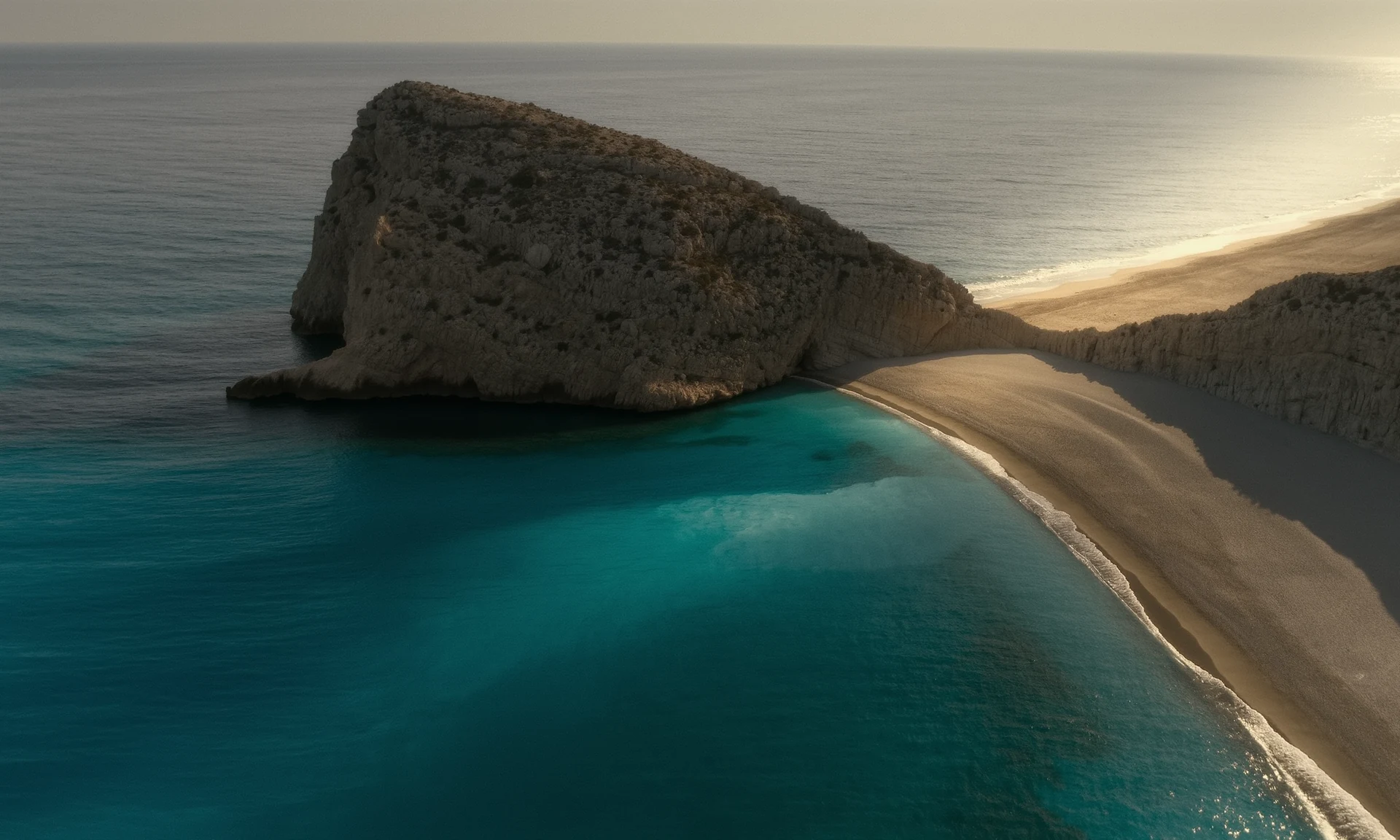
So, you’re wondering what it’s really like to embrace the Spanish coastal lifestyle? In a nutshell, it’s about a slower pace, a deep connection to the outdoors, and a genuine appreciation for good food and company. It’s not just a holiday; it’s a rhythm of life centered around the sea, sunshine, and community. Think less rushing, more savouring.
Things operate differently here, and understanding this is your first step to truly “getting” the Spanish coast. It’s not about strict schedules but rather a flow dictated by the sun and local customs.
Mornings by the Sea
Your day often starts with the light, even if you’re not an early riser. The air is fresh, and the streets are still relatively quiet.
Early Risers and the First Coffee
For many, a walk along the paseo marítimo (promenade) or even a quick dip in the sea before breakfast is common. The first coffee of the day, often a café con leche, is a ritual, not just a caffeine fix. It’s usually enjoyed at a local chiringuito (beach bar) or a neighbourhood cafe, often with a view of the sea or a bustling square. This isn’t a grab-and-go scenario; it’s a moment to sit, observe, and ease into the day.
The Morning Work Pace
While working hours exist, the intensity often ramps up after the morning rush, leading into a mid-day break. There’s a certain efficiency, but it’s rarely frantic. Business often blends with personal interactions, fostering a strong sense of community.
The Long Lunch and Siesta (Kind Of)
Forget a quick sandwich at your desk; lunch is a big deal here.
The Menu del Día Tradition
Many restaurants offer a menú del día, a set lunch menu offering excellent value. This typically includes a starter, main course, dessert, and a drink. It’s a substantial, unhurried meal, designed to be enjoyed with company. This isn’t just about feeding yourself; it’s a social occasion.
The Realities of the Siesta
The traditional siesta is less about a full-on nap for everyone and more about a general slowdown. Many smaller shops close, and businesses might operate on reduced hours in the hotter months. For those working outdoors or in physically demanding jobs, a proper rest is still common. For others, it’s a chance to escape the midday heat, run errands, or simply relax before the afternoon picks up again. It’s less an enforced nap and more a sensible adaptation to climate.
Evening Social Life
Evenings are for coming alive, often starting later than you might be used to.
La Hora del Tapeo
Around 7 or 8 pm, the streets start to fill again for la hora del tapeo. This isn’t dinner yet, but a chance to enjoy small dishes (tapas) with drinks, often moving from one bar to another. It’s incredibly social and a great way to sample local specialities. It’s less about stuffing yourself and more about sharing small bites and conversation.
Late Dinners and Passeos
Dinner generally happens much later, often starting around 9 or 10 pm. After dinner, it’s common to take an evening paseo, a leisurely stroll, often along the promenade or through a town square. This is a chance to digest, socialise, and enjoy the cooler evening air. Children are often out playing late, and families gather together, creating a vibrant, communal atmosphere.
Culinary Delights: Beyond Paella
While paella is famous, Spanish coastal cuisine is incredibly diverse and deeply rooted in fresh, local ingredients. It’s about simplicity and quality.
Seafood Straight from the Source
Being on the coast, fresh fish and shellfish are central to the diet.
Mercado Mornings
Visiting a local mercado (market) in the morning is a sensory experience. You’ll see the day’s catch, often still glistening, laid out by fishmongers. This direct access to fresh, seasonal produce dictates much of what’s cooked at home and served in restaurants. It’s about knowing where your food comes from.
Simple Preparations, Big Flavours
Many seafood dishes are prepared simply: grilled (a la plancha), roasted in salt (a la sal), or fried (fritura). The quality of the ingredient shines through. Think espetos de sardinas (sardines grilled on skewers over an open fire) by the beach, or a plate of perfectly cooked gambas al pil-pil (prawns in sizzling garlic and chilli oil). It’s not overly complicated; it’s just really good.
Regional Specialities and Local Flavours
Each coastal region has its own culinary identity.
Andalucía’s Fried Fish and Gazpacho
In Andalucía, you’ll find a strong emphasis on pescaíto frito (fried fish), often served with a squeeze of lemon. Cold soups like gazpacho and salmorejo are staples, especially in the summer. These are refreshing and substantial, a perfect response to the heat.
Valencia’s Rice Dishes
While paella is from Valencia, the region boasts an array of other exquisite rice dishes (arroces), from arroz a banda (rice cooked in fish broth, with the fish served separately) to fideuà (a pasta-based paella). Exploring these regional variations is a delicious adventure.
Galicia’s Shellfish and Empanadas
Head further north to Galicia, and the focus shifts to exceptional shellfish, scallops, barnacles, and octopus, often prepared a feira (with olive oil, paprika, and salt). Their empanadas (savoury pastries with various fillings) are also a must-try.
The Great Outdoors: Nature as a Way of Life
Life on the Spanish coast naturally draws you outside. The Mediterranean climate encourages it year-round.
Beach Life Beyond Sunbathing
The beach isn’t just for topping up your tan; it’s a dynamic hub of activity.
Year-Round Beach Use
Even in winter, you’ll see people strolling, exercising, or just enjoying the fresh air. In summer, it’s a multi-generational playground, families picnicking, kids building sandcastles, teenagers playing volleyball, and older folks enjoying a leisurely swim. It’s a social space where everyone feels welcome.
Water Sports and Activities
From paddleboarding and kayaking in calm bays to windsurfing and kiteboarding when the breezes pick up, the sea offers endless opportunities for activity. Many towns offer rental equipment and lessons, making it easy to try something new. It’s less about extreme sports and more about enjoying the natural environment.
Exploring the Coastal Landscape
Beyond the sand, the coastline offers diverse landscapes to explore.
Coastal Walking Paths
Many regions boast beautiful sendero litoral (coastal paths) that wind along cliffs, through pine forests, and past hidden coves. These are perfect for hiking, offer stunning views, and provide a different perspective of the sea. They’re usually well-maintained and accessible for various fitness levels.
Natural Parks and Reserves
The Spanish coast is dotted with natural parks and reserves, protecting diverse ecosystems. From the wetlands of Doñana to the volcanic landscapes of Cabo de Gata, these areas offer opportunities for birdwatching, exploring unique flora and fauna, and escaping into nature. They’re often less frequented than the main beaches, offering a sense of tranquility.
Community and Connection: The Heartbeat of Coastal Life
Individualism takes a backseat here; community and family are paramount. This strong social fabric is a defining characteristic.
The Importance of Family
Family extends beyond the nuclear unit, often including grandparents, aunts, uncles, and cousins.
Multi-Generational Gatherings
It’s common to see multi-generational families spending time together, whether at Sunday lunch, evening paseos, or shared holidays. Grandparents often play a significant role in childcare, fostering strong bonds across generations. These aren’t formal affairs; they’re warm, noisy, and full of life.
Support Networks
This extended family network often provides a strong support system, both emotionally and practically. There’s a sense of shared responsibility and mutual care that underpins daily life. It’s about knowing you’re part of something bigger.
Socialising in Public Spaces
Life happens outdoors and in communal areas.
Plazas and Cafes
Town squares (plazas) and local cafes are vital hubs for social interaction. People gather here to chat, watch the world go by, and catch up on local news. These are not just places to eat or drink; they’re extensions of people’s living rooms.
Fiestas and Traditions
Local fiestas are an essential part of coastal life. From religious processions to vibrant summer festivals, these events bring communities together in celebration. They’re a chance to immerse yourself in local culture, enjoy music, dancing, and traditional food, and feel a strong sense of belonging. They’re often loud, colourful, and incredibly joyous.
Embracing the Pace: A Mindset Shift
Ultimately, embracing the Spanish coastal lifestyle requires a mental adjustment. It’s about slowing down and finding joy in the everyday.
Letting Go of the Rush
You’ll quickly learn that deadlines are often softer, and punctuality is sometimes more of a suggestion than a rule.
Patience and Adaptability
Things might take a little longer. Shops might close at unexpected times. Buses might run a few minutes late. Learning patience and adaptability is key. Fighting against this rhythm will only lead to frustration. Instead, lean into it and see it as an opportunity to breathe.
Enjoying the Journey
The focus shifts from rushing to the next thing to savouring the present moment. That coffee on the terrace, the conversation with a neighbour, the sunset over the sea, these become the highlights, not just pauses between tasks. It’s about appreciating the process, not just the outcome.
Prioritising Well-being
The lifestyle inherently promotes a sense of well-being.
Sunshine and Fresh Air
Daily exposure to sunshine (with appropriate protection, of course!) and fresh sea air contributes to both physical and mental health. There’s an undeniable invigoration that comes from living by the ocean.
Connecting with Nature
From daily walks on the beach to exploring nearby natural parks, the constant connection with nature is incredibly grounding. It’s a reminder of the simple pleasures and helps to de-stress from modern life.
In essence, living on the Spanish coast isn’t just about the beautiful scenery or delicious food; it’s about adopting a slower, more connected way of being. It’s about valuing relationships, fresh air, good humour, and the simple beauty of daily life by the sea. It’s a lifestyle that encourages you to live fully, in the present, and with a smile.
FAQs
What is the Spanish coastal lifestyle?
The Spanish coastal lifestyle refers to the way of life enjoyed by people living in coastal areas of Spain. It typically involves a focus on outdoor activities, a relaxed pace of life, and a strong connection to the sea and natural surroundings.What are some common activities associated with the Spanish coastal lifestyle?
Common activities associated with the Spanish coastal lifestyle include swimming, sunbathing, beach volleyball, surfing, sailing, and enjoying fresh seafood at beachside restaurants. Additionally, coastal towns often host festivals and events that celebrate the local culture and traditions.How does the Spanish coastal lifestyle differ from urban living in Spain?
The Spanish coastal lifestyle is often characterized by a more laid-back and leisurely pace compared to urban living in Spain. Coastal residents tend to prioritize outdoor activities and relaxation, while urban dwellers may be more focused on work and city life.What are some popular coastal regions in Spain known for their lifestyle?
Popular coastal regions in Spain known for their lifestyle include the Costa del Sol, Costa Brava, Costa Blanca, and the Balearic Islands. Each of these areas offers its own unique blend of coastal living, with a variety of activities, cuisine, and cultural experiences.What are some benefits of adopting the Spanish coastal lifestyle?
Some benefits of adopting the Spanish coastal lifestyle include access to beautiful beaches, a focus on health and wellness through outdoor activities, a strong sense of community, and the opportunity to enjoy fresh seafood and Mediterranean cuisine. Additionally, the coastal lifestyle often promotes a more relaxed and stress-free way of living.More from Mediterranean Lifestyle
Costa del Sol Family Guide
Costa del Sol family guide: the best towns, international schools, healthcare, childcare costs, kids’ attractions and rainy-day ideas for famili…
Costa del Sol Living Guide 2026
Costa del Sol Living Guide 2026: zones, cost of living, healthcare, schools, visas and property prices from Marbella to Nerja for your move to souther…
Top 5 Best Places to Live on the Costa del Sol
Thinking about making the move to the Costa del Sol? Smart choice! It’s a fantastic part of Spain with a lot to offer. But with so many beautifu…