Embracing the Sunny Lifestyle in Spain
So, you’re thinking about trading in your rainy days for some serious sunshine and a more relaxed pace? Welcome to the club! Embracing the Spanish lifestyle isn’t just …
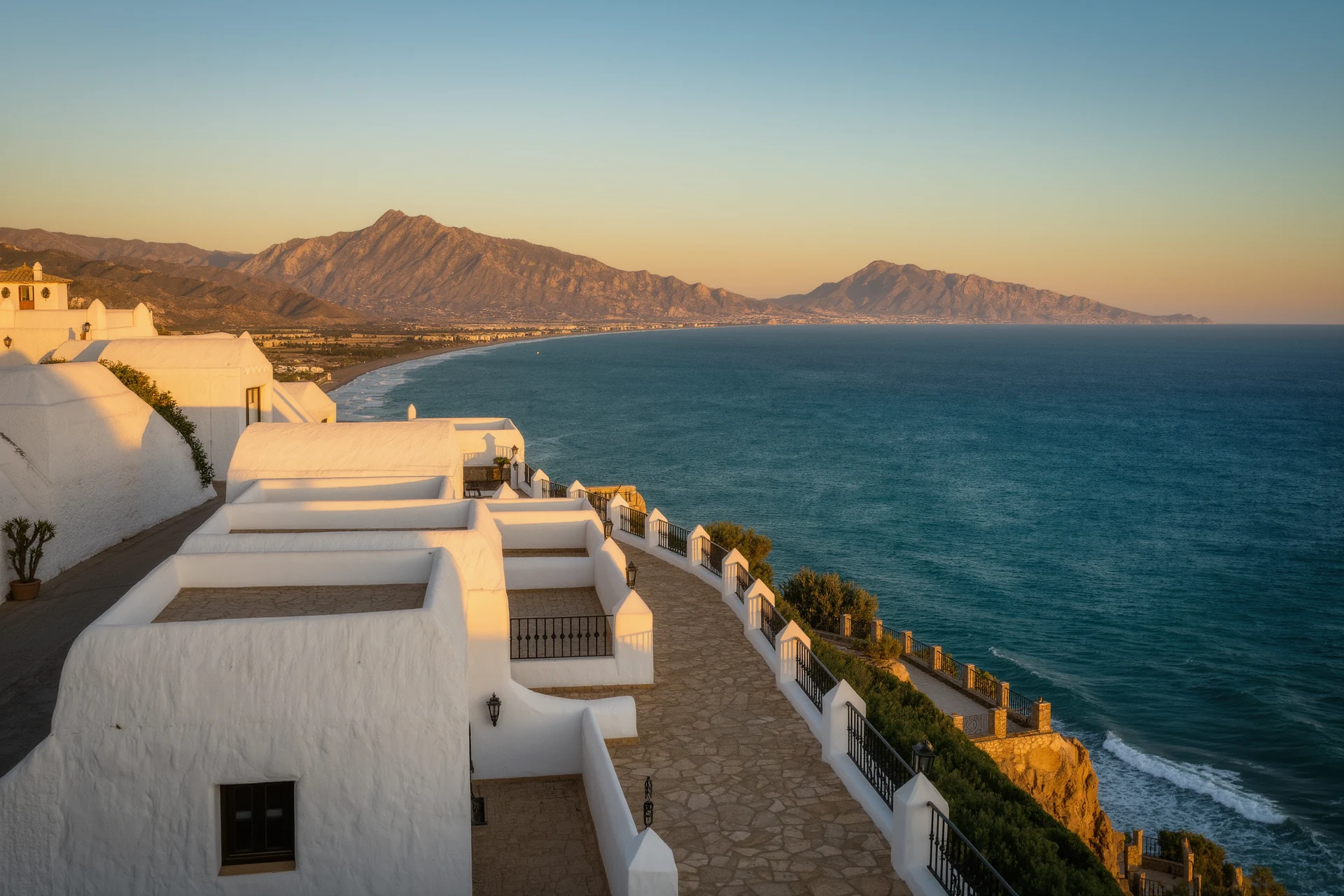
So, you’re thinking about trading in your rainy days for some serious sunshine and a more relaxed pace? Welcome to the club! Embracing the Spanish lifestyle isn’t just about soaking up Vitamin D; it’s a whole approach to life that many find incredibly appealing. Think of warm evenings, fresh food, and a general sense of enjoying the moment. It sounds pretty good, right? Well, it is! And the best part is, it’s more attainable than you might think, no matter where you’re starting from. This guide is here to break down what embracing this sunny vibe actually looks like in practice, offering practical tips and insights to help you get there.
When folks talk about the “sunny lifestyle” in Spain, they often jump straight to the obvious: the climate. And yes, the sunshine is a massive draw, offering long, pleasant days for much of the year across many regions. But to truly embrace it, we need to look deeper. It’s woven into the very fabric of Spanish culture, influencing how people interact, eat, and spend their time. This isn’t just about escaping cold fronts; it’s about adopting a mindset geared towards well-being, community, and savoring the simple pleasures.
It’s More Than Just a Tan
Let’s be clear: while you’ll definitely get a nice tan, that’s just a side effect. The real core of the sunny lifestyle is an intrinsic appreciation for life’s more enjoyable aspects. It’s about finding joy in the everyday, fostering a sense of connection, and prioritizing experiences over material possessions.
The Power of “Slow Living”
This isn’t a buzzword; it’s a tangible reality in Spain. Things tend to move at a less frantic pace. Dinner isn’t rushed, conversations don’t have an expiry date, and there’s an understanding that life isn’t just a checklist of tasks.
Community Connection
Spaniards are generally very social. Whether it’s meeting friends for a coffee, the evening paseo (stroll), or gathering for tapas, there’s a strong emphasis on shared experiences and nurturing relationships. This social glue is a big part of what makes the sunny lifestyle so fulfilling.
The Importance of Place
From bustling city plazas to quiet coastal villages, Spain’s diverse landscapes play a huge role. People actively engage with their surroundings, enjoying outdoor cafes, parks, and beaches. The environment isn’t just a backdrop; it’s an active participant in daily life.
Shifting Your Everyday Habits: Practical Wins
So, how do you actually start incorporating this into your own life, even if you’re not packing your bags tomorrow? It’s about making small, conscious changes. Think of it as a gentle evolution of your daily routine.
Embracing the Siesta (Yes, Really!)
Before you picture yourself napping through the workday, understand that the modern siesta is less about a mandatory afternoon sleep and more about a deliberate break. In many parts of Spain, especially smaller towns, businesses do close for a few hours in the afternoon. This isn’t laziness; it’s a cultural rhythm that allows for rest, family time, and avoiding the harshest heat of the day.
What a Modern Siesta Looks Like
- A genuine break: Instead of just scrolling through your phone, use this time to truly disconnect. Read a book, listen to music, or simply relax.
- Family time: If you have children, this can be a precious window to connect before the evening rush.
- Errands later: Plan your shopping or appointments for before or after this midday lull.
- Adapting it at home: Even if your work doesn’t allow for a full stop, can you carve out 30 minutes for quiet reflection or a short rest?
Redefining Meal Times
Spanish mealtimes are a cornerstone of the sunny lifestyle. They’re not just about sustenance; they’re social events and a chance to savor good food. This often means a later schedule than many other cultures are used to.
Lunch: The Main Event
Lunch (la comida) is typically the largest meal of the day, often enjoyed between 2 PM and 4 PM. It’s a time for family or friends to gather, and restaurant menus often reflect this with hearty menús del día (set lunch menus).
- Savoring the experience: Don’t see lunch as a quick refuel. Allow for conversation and enjoying each course.
- Planning your day around it: If you’re in Spain, embrace the longer lunch. If you’re adapting at home, try to create a dedicated, unhurried lunch break.
- Healthy, seasonal ingredients: Spanish cuisine heavily features fresh, local produce. Incorporating more of this into your diet is a key aspect.
Dinner: A Lighter Affair
Dinner (la cena) is usually much lighter and taken later, often starting around 9 PM or even 10 PM. This isn’t a rigid rule, but it’s a common pattern.
- Tapas as a social meal: Tapa hopping is a popular way to have a light dinner, enjoying small plates with drinks.
- Flexibility is key: Don’t feel you have to eat this late. The principle is less about the exact time and more about the relaxed approach.
The Art of the Evening Stroll (Paseo)
The paseo, or evening stroll, is a cherished tradition. As the sun begins to set and the heat dissipates, people emerge to walk, talk, and connect. It’s a way to digest, socialize, and simply enjoy the town or city while it’s at its most pleasant.
Incorporating a Paseo
- Ditch the phone: Make it a screen-free activity. Focus on your surroundings and the company you’re with.
- Find your route: Whether it’s through a park, along the beach, or down charming streets, pick a route you enjoy.
- Invite others: Turn it into a social event. Meet up with friends or family.
- Even 20 minutes helps: You don’t need an hour. A short, consistent stroll can make a big difference to your well-being.
Food and Drink: Fueling the Sunny Life
The Spanish diet is a major contributor to this lifestyle, emphasizing fresh, seasonal ingredients and a relaxed approach to eating. It’s less about strict diets and more about enjoying quality food in good company.
The Mediterranean Diet in Action
Spain is a cornerstone of the Mediterranean diet, renowned for its health benefits. This isn’t a faddish diet; it’s a way of eating that’s been practiced for centuries.
Key Components
- Olive oil: The king of fats, used liberally in cooking and dressings.
- Fresh fruits and vegetables: Abundant, colorful, and central to most meals.
- Legumes: Beans, lentils, and chickpeas are staples.
- Fish and seafood: Especially in coastal regions, a primary source of protein.
- Whole grains: Bread, rice, and pasta feature prominently.
- Moderate dairy: Often in the form of yogurt and cheese.
- Lean meats: Poultry and less red meat.
- Wine: Enjoyed in moderation, often with meals.
Making It Practical at Home
- Shift your cooking oil: If you’re not already, switch to good quality olive oil.
- Embrace seasonal produce: Visit farmers’ markets or look for seasonal options at your grocery store.
- Cook more fish: Aim for at least two fish meals a week.
- Experiment with legumes: Add beans or lentils to salads, stews, or as a side dish.
- Enjoy
tapas: Recreate the spirit of tapas by making a variety of small, healthy dishes for a shared meal.
The Joy of Tapas and Pinchos
Tapas (small plates) and pinchos (often a slice of bread with toppings, skewered) are more than just appetizers; they are a social ritual. They encourage sharing, variety, and conversation.
Creating Your Own Tapas Night
- Variety is key: Offer a range of small dishes, olives, cheese, cured meats, patatas bravas, gambas al ajillo (garlic shrimp).
- Keep it social: This is meant to be shared. Arrange the food buffet-style and encourage guests to mingle.
- Focus on quality: Use good ingredients. Simple preparation often lets the ingredients shine.
- Don’t forget the drinks: A glass of wine, beer, or even a refreshing
tinto de verano(red wine with soda) complements the experience.
The Role of Coffee and Sobremesa
Coffee isn’t just a morning pick-me-up in Spain; it’s a social lubricant. Cafes are hubs of activity, and the concept of sobremesa, the time spent lingering at the table after a meal, chatting and enjoying conversation, is vital.
Cultivating Sobremesa
- Don’t rush away from the table: After finishing your meal, resist the urge to immediately clear plates or check your phone.
- Order a coffee or digestif: This naturally extends the time at the table.
- Engage in conversation: Use this time to connect with your dining companions.
- At home: Make it a point to sit and chat with family or friends after a meal, even if it’s just for 15-20 minutes.
Embracing the Outdoors: Life Centered Around Nature
Spain’s diverse geography means outdoor life is a given for many. From bustling city parks to rugged trekking trails and sun-drenched beaches, there are myriad ways to connect with nature and enjoy the weather.
Beach Culture: More Than Just a Holiday
For many, beach life is a year-round or at least a significant part of the year occurrence. It’s not just for tourists; locals frequent beaches for exercise, socializing, and relaxation.
Making the Most of Coastal Life
- Morning walks: Even if it’s not swimming weather, a brisk walk along the shore can be invigorating.
- Picnics by the sea: Pack some simple Spanish delights and enjoy lunch with a view.
- Learn watersports: Try kayaking, paddleboarding, or just swimming.
- Evening strolls: As mentioned, the
paseoby the sea is a popular choice.
Parks and Plazas: Urban Oases
Spanish cities and towns are dotted with beautiful parks and lively plazas. These are the lungs of urban areas, offering spaces for recreation, relaxation, and people-watching.
Maximizing Urban Outdoors
- Explore local parks: Find hidden gems and make them part of your routine.
- People-watching from a cafe: Grab a coffee at a cafe overlooking a
plazaand simply observe life go by. - Outdoor exercise: Many parks have outdoor gym equipment or simply offer space for running and yoga.
- Family outings: Parks are perfect for bringing children to play.
Rural Escapes and Trekking
Spain boasts stunning natural landscapes beyond its coastlines, from the Pyrenees to the Sierra Nevada and national parks brimming with biodiversity. Hiking and rural tourism are popular.
Planning a Rural Adventure
- Research local trails: Find routes suited to your fitness level.
- Pack essentials: Water, snacks, sun protection, and appropriate footwear are crucial.
- Embrace the quiet: Rural Spain offers a chance to disconnect and truly relax.
- Support local businesses: Stay in rural guesthouses and eat at local
mesones(inns).
The Pace of Life: Finding Your Rhythm
Perhaps the most transformative aspect of embracing the Spanish lifestyle is consciously slowing down. This isn’t about being unproductive; it’s about prioritizing well-being and presence.
Mastering the Art of “Mañana” (Without the Procrastination)
The Spanish word mañana can mean “tomorrow,” but it also carries a connotation of “the right time” or “not right now.” It’s not about outright procrastination, but about a more relaxed approach to deadlines and urgency.
Finding a Healthy Balance
- When to embrace
mañana: For non-critical tasks or things that are causing undue stress, a slight delay might be beneficial for mental health. - When to be mindful: Crucial appointments, work deadlines, and important commitments still need to be met. The key is discernment.
- Focus on one thing at a time: Instead of juggling multiple tasks half-heartedly, try to focus your attention on one thing before moving to the next.
Prioritizing Down Time and Relaxation
This is where the “sunny lifestyle” truly shines. It’s about making time for activities that replenish your spirit.
Making Time for Yourself
- Schedule relaxation: Just as you schedule meetings, schedule time for reading, hobbies, or simply doing nothing.
- Digital detox: Consciously unplug from screens. Set boundaries for social media and email.
- Mindfulness practices: Even a few minutes of meditation or deep breathing can make a difference.
- Engage in hobbies: Whether it’s painting, music, gardening, or cooking, dedicate time to activities you love.
The Importance of Social Connection
As we’ve touched on, social interaction isn’t just about leisure; it’s integral to well-being. Spaniards are masters at incorporating it into their daily lives.
Nurturing Your Social Circle
- Regular meet-ups: Schedule regular coffee dates, lunches, or drinks with friends.
- Join local groups: Connect with people who share your interests.
- Be open to new friendships: Spaniards are often very welcoming.
- Make time for family: Prioritize spending quality time with loved ones.
The Practicalities: Making it Work for You
Even if you’re not living in Spain, you can weave its sunny lifestyle elements into your life. It’s about intentionality and adaptation.
Adapting the Lifestyle Wherever You Are
- Find your sunshine: Maximize exposure to natural light. Open curtains, spend time by windows, and seek out sunny spots.
- Create a home sanctuary: Make your living space comfortable, inviting, and filled with things you love. Think relaxed, not cluttered.
- Adopt Spanish meal timing (partially): Can you push your dinner a bit later? Can you take a more relaxed lunch break?
- The evening
paseoat home: Even a 15-minute walk around your neighborhood after work can replicate the spirit.
Financial Considerations (If Moving)
If the dream is a permanent move, research is key. The cost of living varies wildly across Spain.
Key Areas to Research
- Cost of living: Research specific regions for rent, food, and utilities. Cities like Madrid and Barcelona are more expensive than smaller towns.
- Healthcare: Understand the Spanish healthcare system (public and private options).
- Visa and residency: If you’re not an EU citizen, this is a crucial step.
- Job market or retirement income: Ensure your finances align with your chosen lifestyle.
Learning the Language
While many people in tourist areas and larger cities speak English, learning Spanish is highly recommended for a truly immersive experience. It opens doors to deeper connections and a better understanding of the nuances of the culture.
Tips for Language Learning
- Start now: Don’t wait until you arrive. Use apps, online courses, or local classes.
- Practice regularly: Even short, consistent practice is more effective than infrequent marathon sessions.
- Immerse yourself: Watch Spanish TV shows, listen to Spanish music, and try to find native speakers to converse with.
- Don’t be afraid to make mistakes: It’s part of the learning process.
Embracing the sunny lifestyle in Spain is less about a dramatic overhaul and more about a conscious shift in perspective. It’s about appreciating good food, good company, and the simple beauty of life lived at a more human pace, all under a beautiful, warm sky. By incorporating these elements into your life, you can bring a little bit of that Spanish sunshine wherever you are.
FAQs
What is the climate like in Spain?
Spain has a diverse climate, with the north experiencing a more temperate climate and the south having a Mediterranean climate with hot, dry summers and mild, wet winters.
What are some popular outdoor activities in Spain?
Some popular outdoor activities in Spain include hiking in the Pyrenees, surfing in the Basque Country, and sunbathing on the beaches of the Costa del Sol.
What are some traditional Spanish dishes to try?
Some traditional Spanish dishes to try include paella, gazpacho, tortilla española, and churros con chocolate.
What are some popular tourist destinations in Spain?
Popular tourist destinations in Spain include Barcelona, Madrid, Seville, Granada, and the Balearic Islands.
What are some cultural events and festivals in Spain?
Some cultural events and festivals in Spain include La Tomatina in Buñol, the Running of the Bulls in Pamplona, and the Feria de Abril in Seville.
More from Mediterranean Lifestyle
Costa del Sol Family Guide
Costa del Sol family guide: the best towns, international schools, healthcare, childcare costs, kids’ attractions and rainy-day ideas for famili…
Costa del Sol Living Guide 2026
Costa del Sol Living Guide 2026: zones, cost of living, healthcare, schools, visas and property prices from Marbella to Nerja for your move to souther…

Top 5 Best Places to Live on the Costa del Sol
Thinking about making the move to the Costa del Sol? Smart choice! It’s a fantastic part of Spain with a lot to offer. But with so many beautifu…