Enhancing Quality of Life on the Costa del Sol
The Costa del Sol offers a fantastic lifestyle for many, but truly enhancing your quality of life here goes beyond just enjoying the sun. It’s about making informed choices regardi…
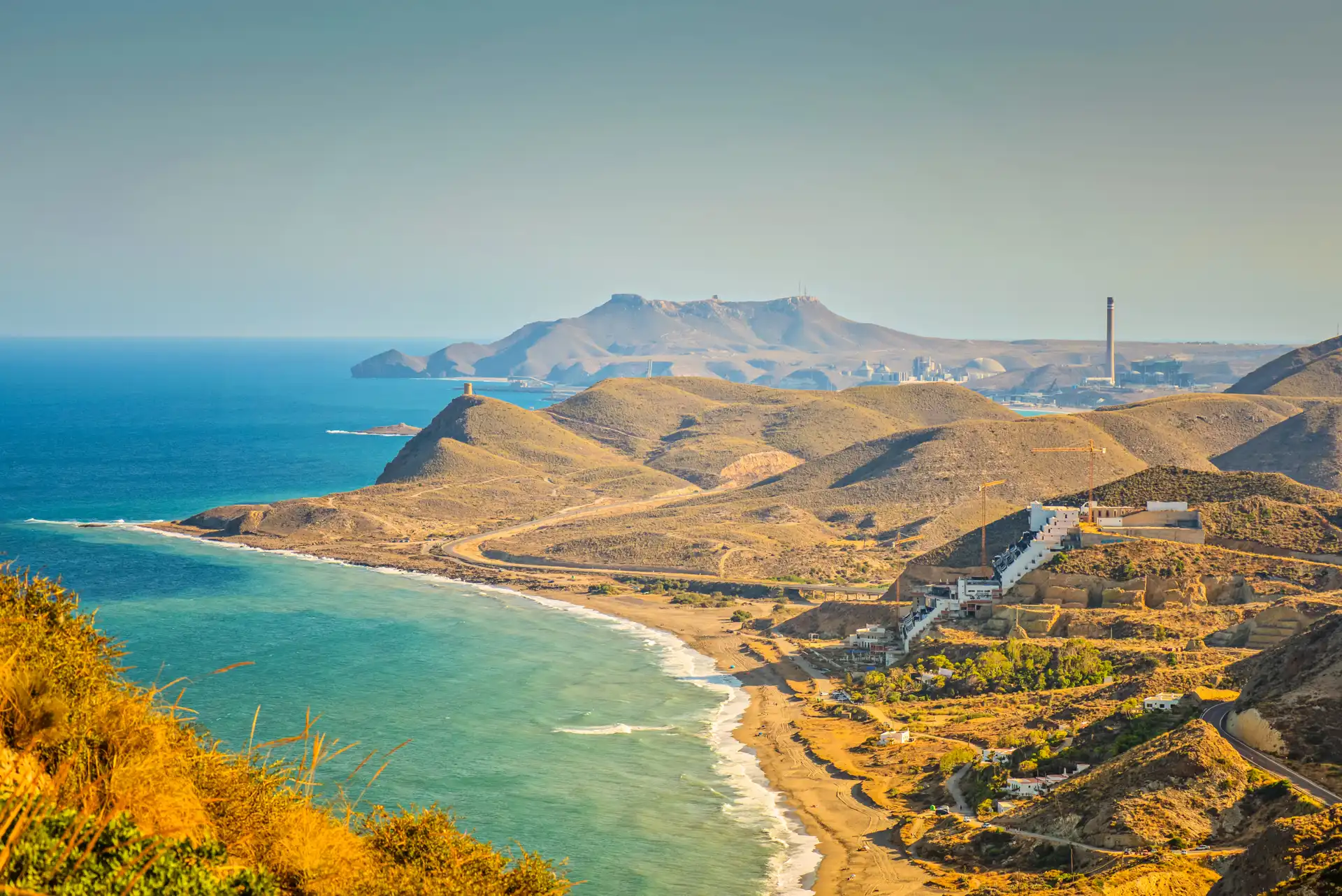
The Costa del Sol offers a fantastic lifestyle for many, but truly enhancing your quality of life here goes beyond just enjoying the sun. It’s about making informed choices regarding health, community, personal growth, and practical living to make your experience truly fulfilling.
Beyond the physical benefits of sunshine and fresh air, a holistic approach to your well-being is crucial.
Navigating Healthcare Options
Understanding the healthcare system is paramount for peace of mind. Spain boasts an excellent public healthcare system, but foreigners often have several routes to access medical care.
Public vs. Private Healthcare
The public healthcare system (Sistema Nacional de Salud) is generally free at the point of use for residents who contribute to social security. This includes most self-employed individuals and employees. It’s comprehensive, covering everything from GP visits to specialist care and hospital stays. However, waiting times for some specialist appointments can be longer than in the private sector.
Private healthcare offers quicker access to specialists, often with English-speaking staff, and more comfortable facilities. Many expats opt for private health insurance, even if eligible for public healthcare, to supplement their coverage or for greater convenience. Providers like BUPA, Sanitas, and DKV are popular choices, offering various plans to suit different needs and budgets. It’s essential to compare policies carefully, considering what’s included, any exclusions, and the network of hospitals and clinics.
Finding English-Speaking Medical Professionals
While many medical professionals, especially in tourist areas, speak some English, it’s not a given. If your Spanish isn’t fluent, seeking out English-speaking doctors, dentists, and other specialists can significantly reduce stress during medical situations. Online directories, expat forums, and recommendations from local expat groups are excellent resources for finding these practitioners. Don’t be shy about asking clinics directly about their language capabilities.
Staying Active and Engaged
The Costa del Sol is an ideal playground for an active lifestyle, offering numerous ways to keep your body and mind healthy.
Embracing Outdoor Activities
The climate lends itself perfectly to outdoor pursuits. Walking and hiking trails are abundant, from coastal paths with stunning sea views to more challenging routes in the Sierra Nevada foothills. The Senda Litoral, a coastal boardwalk system, stretches for miles, connecting towns and offering easy access to beaches.
Cycling is another popular option, with both road and mountain biking routes catering to all levels. Many towns have bike lanes, and there are numerous cycling clubs to join.
The Mediterranean Sea offers opportunities for swimming, paddleboarding, kayaking, and even sailing. Local sports centers and beach clubs often offer lessons and equipment rental. For those seeking a challenge, golf is synonymous with the Costa del Sol, with dozens of world-class courses to choose from.
Joining Community and Social Groups
Combating isolation and fostering a sense of belonging is vital. The Costa del Sol has a vibrant expat community, and numerous groups cater to a wide range of interests.
Hobby-based groups, think book clubs, art classes, photography clubs, or gardening groups, are a fantastic way to meet like-minded individuals. Sports clubs, from tennis and padel to bowls and hiking, provide social interaction alongside physical activity.
Cultural associations often organize events, language exchanges, and outings, offering a deeper dive into Spanish culture while connecting with others. Websites like Meetup.com, Facebook groups, and local community notice boards are excellent places to find these groups. Don’t underestimate the power of simply striking up conversations in local cafés or bars; Spaniards are generally very friendly and welcoming.
Personal Growth and Lifelong Learning
Settling in a new country offers a unique opportunity for personal development.
Learning Spanish: A Key to Integration
While you can certainly get by with English in many tourist areas, learning Spanish drastically improves your quality of life and integration.
Benefits Beyond Basic Communication
Beyond ordering food or asking for directions, learning Spanish opens up a world of possibilities. You’ll be able to communicate more effectively with locals, understand cultural nuances, access local services more easily, and build deeper connections. It shows respect for your adopted country and enriches your daily interactions. Imagine understanding what’s being said at the local market, engaging in conversations with your Spanish neighbors, or comprehending local news.
Practical Tips for Language Acquisition
There are numerous options for learning Spanish. Formal classes at language schools are structured and provide a solid foundation. Many towns offer adult education courses subsidized by the municipality. Online resources like Duolingo, Babbel, and Memrise are great for self-study and building vocabulary.
However, immersion is key. Try to use Spanish as much as possible in daily life, even if you make mistakes. Don’t be afraid to speak! Watch Spanish TV shows and movies, listen to Spanish radio, and read Spanish newspapers (even if it’s just the headlines initially). Find a language exchange partner, a Spanish speaker learning English, for example, to practice conversation in a relaxed setting. Consistency and patience are more important than an intense burst of learning.
Exploring Local Culture and History
The Costa del Sol is steeped in history and vibrant culture, offering endless opportunities for learning and appreciation.
Embracing Andalousian Traditions
Andalucía has a rich tapestry of traditions. Flamenco is a passionate art form deeply ingrained in the culture. Seek out live flamenco shows in less touristy venues for an authentic experience. Ferias, local festivals celebrating patron saints, harvests, or historical events, are colorful and lively affairs, offering insights into local customs, food, and music. Don’t miss the chance to witness a Semana Santa (Holy Week) procession if you’re here during Easter. Learning about these traditions enriches your local experience.
Visiting Museums and Historical Sites
Beyond the beaches, the region boasts an impressive array of museums and historical sites. Málaga city itself is a cultural hub, with the Picasso Museum, Carmen Thyssen Museum, and the Alcazaba (Moorish fortress) and Roman Theatre. Historic white villages (pueblos blancos) like Mijas Pueblo, Ronda, and Frigiliana offer glimpses into traditional Andalusian life and stunning architecture. Exploring these sites not only provides a deeper understanding of the region’s past but also makes for enjoyable day trips.
Practicalities of Living
Managing the daily aspects of life efficiently significantly reduces stress and improves your overall experience.
Navigating Local Services and Bureaucracy
Spain can have a reputation for bureaucracy, but with a bit of patience and preparation, it’s manageable.
Understanding Spanish Administrative Processes
Many administrative tasks require an NIE number (Número de Identificación de Extranjero), your foreign identification number. This is essential for almost everything, from opening a bank account to buying property. The process can be laborious, so be prepared with all required documents.
Residency applications (if you plan to stay long-term) also involve specific paperwork and appointments. It’s often worthwhile to use a gestor or lawyer for these processes, especially if your Spanish isn’t strong. They specialize in navigating Spanish bureaucracy and can save you a lot of time and potential headaches.
For daily interactions like utility bills, internet setup, or even understanding local parking rules, research and asking for help from local expat groups or Spanish friends can be invaluable. Patience is key; things often move at a slower pace than in some other countries.
Banking and Financial Management
Opening a Spanish bank account is relatively straightforward with an NIE. Many banks cater to expats, offering English-speaking staff and online banking in English. Research interest rates, fees, and the range of services offered. Digital banks like N26 or Revolut can also be useful for certain transactions, especially if you’re frequently transferring money internationally. However, having a mainstream Spanish bank account for direct debits and local payments is generally recommended.
Understanding the Spanish tax system is crucial, whether you’re working, retired, or have property here. Seek professional advice from a qualified gestor or tax advisor who specializes in expat taxation to ensure you’re compliant and optimizing your financial situation.
Transport and Mobility
Getting around the Costa del Sol efficiently impacts your freedom and enjoyment.
Public Transport Options
While the Costa del Sol is known for car ownership, public transport options are improving. Buses connect most towns and villages along the coast and also run into Málaga city and inland areas. The train line (Cercanías C1) is particularly useful, connecting Málaga Airport, Málaga city center, and coastal towns like Torremolinos, Benalmádena, and Fuengirola. This is a very convenient and affordable way to travel, avoiding traffic and parking woes. For longer distances, there are intercity bus services and high-speed AVE trains from Málaga to other major Spanish cities.
Car Ownership and Driving
Owning a car offers the ultimate flexibility, especially for exploring inland areas and less accessible spots. Be aware of the process for importing a car or buying a Spanish-registered vehicle, which involves various taxes and paperwork. Driving in Spain is generally straightforward, but be mindful of speed limits, roundabouts, and parking regulations. Getting a Spanish driving license after a certain period of residency is often required. Consider a Toll-road pass (Telepeaje) for frequent use of the AP-7 motorway to save time at toll booths.
Cultivating a Sustainable and Fulfilling Lifestyle
Beyond the practicalities, it’s about making conscious choices that align with your values.
Connecting with Nature and Environment
The natural beauty of the Costa del Sol is a significant draw, and appreciating it involves living consciously.
Supporting Local and Sustainable Practices
Opting for locally sourced produce from farmers’ markets (mercados) not only ensures fresh, seasonal food but also supports local economies and reduces your environmental footprint. Many towns have specific days for these markets. Choosing local restaurants that prioritize regional ingredients over mass-produced fare also contributes to sustainability.
Being mindful of your energy and water consumption is also important, especially in a region prone to droughts. Simple actions like using air conditioning wisely, taking shorter showers, and separating your recycling make a collective difference. Joining local environmental groups can also be a fulfilling way to contribute.
Engaging in Outdoor Living
The sunny climate encourages an outdoor lifestyle. Maximize your outdoor spaces, whether it’s a balcony, terrace, or garden. Spend time in local parks, botanical gardens (like those in Málaga or La Concepción), or simply walking along the beach. Connecting with nature has proven benefits for mental and physical health, grounding you in your environment. Consider hobbies like photography, birdwatching, or painting outdoors to fully immerse yourself in the natural beauty surrounding you.
Integrating into the Local Community
True enhancement of your life comes from feeling truly at home, not just as a visitor.
Participating in Local Events and Traditions
Beyond the big ferias, keep an eye out for smaller, more local events. These could be village festivals, gastronomic routes (rutas de la tapa), music concerts in town squares, or local sporting events. Attending these events shows genuine interest in your local area and provides natural opportunities to interact with Spanish residents. Don’t be afraid to try local foods, join in the dancing, or simply observe and absorb the atmosphere.
Building Relationships with Locals
This is perhaps the most enriching aspect. Learning Spanish is the biggest stepping stone here. Be open, friendly, and respectful. Engage in small talk, share a coffee (un café) in a local bar, or try to learn about their customs. Offering a simple ‘Hola’ and ‘Gracias’ goes a long way. Inviting Spanish neighbors for a drink or offering help can build bridges. While expat friendships are important, truly integrating means cultivating relationships with the local community, which offers a deeper, more authentic experience of life on the Costa del Sol. This sense of belonging is what transforms a good life into an truly enhanced one.
FAQs
What is the cost of living in Costa del Sol?
The cost of living in Costa del Sol is generally lower than in many other European countries. The cost of groceries, dining out, and entertainment is relatively affordable, making it an attractive destination for expats and retirees.What is the healthcare system like in Costa del Sol?
Costa del Sol has a well-developed healthcare system with both public and private options available. The public healthcare system provides quality care to residents and is accessible to expats who contribute to the social security system. Private healthcare is also widely available for those who prefer it.What are the housing options in Costa del Sol?
Costa del Sol offers a wide range of housing options, including apartments, villas, and townhouses. The region has a diverse real estate market, with properties available for both purchase and rental. The cost of housing varies depending on the location and amenities.What is the climate like in Costa del Sol?
Costa del Sol enjoys a Mediterranean climate with mild winters and hot summers. The region experiences an average of 320 days of sunshine per year, making it a popular destination for those seeking a warm and sunny climate.What are the recreational activities available in Costa del Sol?
Costa del Sol offers a variety of recreational activities, including golf, water sports, hiking, and cultural events. The region is known for its beautiful beaches, vibrant nightlife, and numerous outdoor attractions, making it an ideal location for those seeking a high quality of life.What healthcare options are available to expats on the Costa del Sol?
How can I stay active and meet people here?
Why is learning Spanish worthwhile?
More from Mediterranean Lifestyle
Costa del Sol Family Guide
Costa del Sol family guide: the best towns, international schools, healthcare, childcare costs, kids’ attractions and rainy-day ideas for famili…
Costa del Sol Living Guide 2026
Costa del Sol Living Guide 2026: zones, cost of living, healthcare, schools, visas and property prices from Marbella to Nerja for your move to souther…

Top 5 Best Places to Live on the Costa del Sol
Thinking about making the move to the Costa del Sol? Smart choice! It’s a fantastic part of Spain with a lot to offer. But with so many beautifu…