Exclusive Interiors Spain: Luxury Design and Elegance
When you hear “Exclusive Interiors Spain,” it’s not just about pretty furniture. It’s about a specific approach to high-end design, steeped in Spanish aesth…
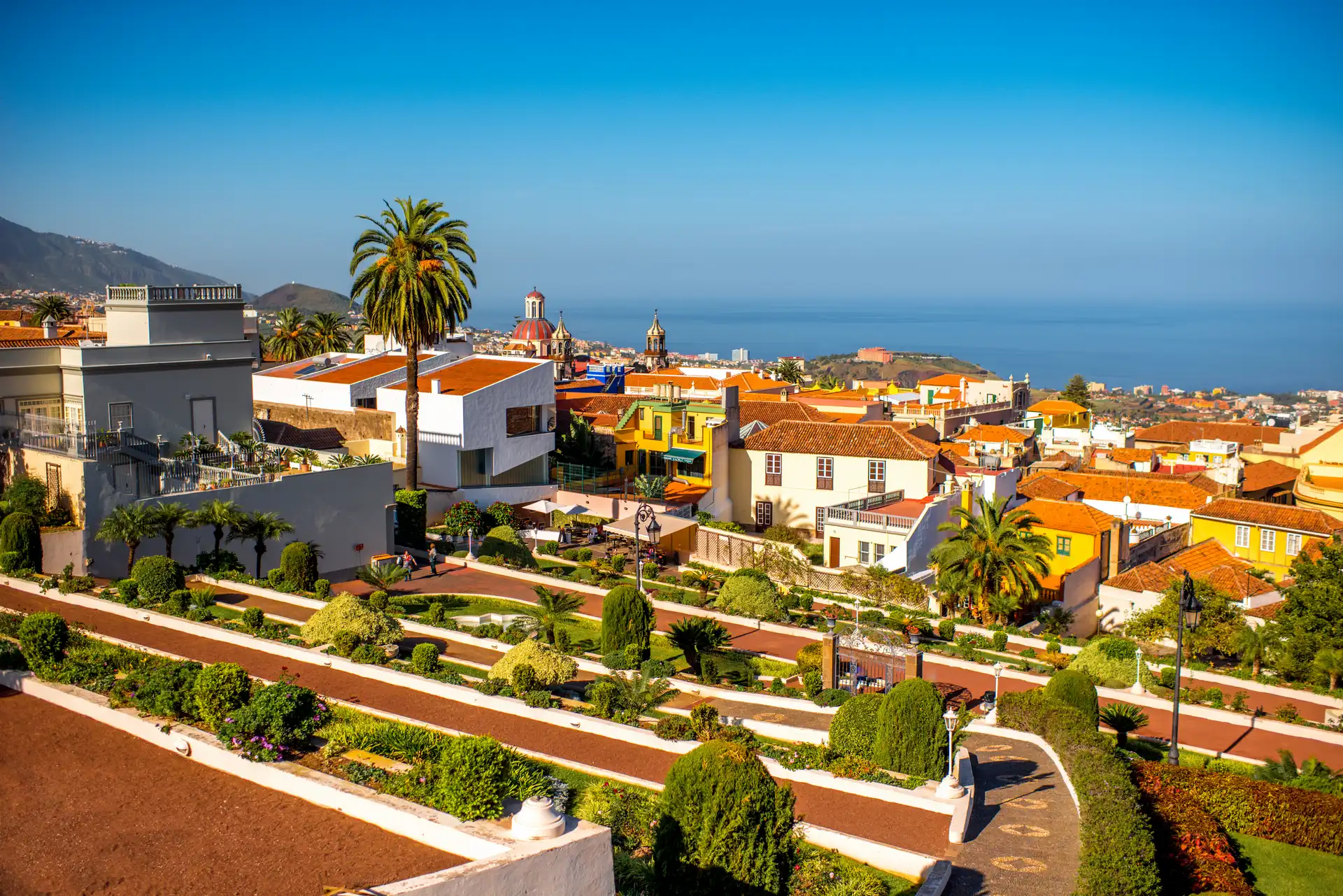
When you hear “Exclusive Interiors Spain,” it’s not just about pretty furniture. It’s about a specific approach to high-end design, steeped in Spanish aesthetics and an almost artisanal understanding of luxury. This isn’t your run-of-the-mill, mass-produced decor; it’s about bespoke solutions, quality materials, and a sophisticated elegance that feels both grand and inviting. Think tailored spaces that reflect the owner’s personality, often drawing on Spain’s rich cultural heritage while embracing contemporary innovation. It’s about creating environments that are not just beautiful to look at, but are genuinely comfortable, functional, and deeply personal.
Spanish luxury interior design distinguishes itself through a unique blend of historical influences and modern sensibilities. It’s a delicate dance between maintaining an authentic connection to traditional Spanish motifs and embracing the sleek lines and innovative materials of contemporary design. This isn’t about stark minimalism or gaudy opulence; it’s about a refined balance that speaks to a sophisticated lifestyle.
A Tapestry of Influences
Spain’s history is a rich mosaic, and its design reflects this. You’ll often see echoes of Moorish architecture, with intricate tilework and geometric patterns. Then there’s the classical European influence, bringing in elements of grandeur and timeless elegance. And of course, the vibrant, expressive spirit of Spanish culture itself, which manifests in bold color choices and a love for texture.
Beyond the Expected Visuals
While terracotta, intricate ironwork, and rich woods are certainly part of the Spanish design lexicon, exclusive interiors go far beyond these stereotypes. It’s about how these elements are integrated, elevated, and combined with unexpected materials and finishes. Imagine a modern villa in Marbella that still feels inherently Spanish, thanks to custom-designed furniture that echoes traditional forms, or strategically placed, hand-painted ceramic accents that bring warmth and character to an otherwise minimalist space. It’s about understanding the spirit of Spanish design rather than just applying a superficial layer of it.
The Pillars of Uncompromising Quality
At the heart of exclusive Spanish interiors is an unwavering commitment to quality. This isn’t a buzzword; it’s a foundational principle that dictates every design decision, from the initial concept to the final installation.
Artisanal Craftsmanship
Spain has a long and proud tradition of skilled artisans. In luxury design, this means working with master craftsmen who specialize in everything from bespoke cabinetry and intricate ironwork to hand-tufted rugs and custom upholstery. These aren’t factory lines; these are workshops where passion and precision meet, often using techniques passed down through generations.
- Custom Furniture: Expect unique pieces, designed specifically for a space, often taking cues from traditional Spanish forms but updated for a contemporary aesthetic. Think hand-carved details, premium wood finishes, and carefully selected fabrics.
- Textile Excellence: From sumptuous velvets and silk blends to natural linens and robust wools, the textiles used are of the highest caliber. Often sourced from local mills or renowned international suppliers, they contribute significantly to the tactile luxury of a space.
- Finishing Touches: This extends to everything from hand-forged door handles and custom lighting fixtures to meticulously laid parquet flooring or bespoke mosaic tiling. Every detail is considered, crafted, and perfected.
Premium Materials, Thoughtfully Sourced
The materials chosen for exclusive Spanish interiors speak volumes. They are not merely expensive; they are selected for their inherent beauty, durability, and how they contribute to the overall sensory experience of a space.
- Natural Stone: Marble, granite, and travertine are staples, often used for flooring, countertops, and decorative accents. The selection process is meticulous, ensuring unique veining and high-quality finishes.
- Rich Woods: From dark, polished walnut and oak to lighter, more contemporary finishes, wood is fundamental. It’s used for flooring, paneling, custom millwork, and furniture, adding warmth and a sense of permanence.
- Exotic Accents: Sometimes, design incorporates more unusual materials like rare veneers, polished metals, or specialized glass, all contributing to a unique and luxurious aesthetic. The emphasis is on quality and how these materials interact to create a cohesive whole.
Tailored Experiences: Beyond the Showroom
Exclusive interior design in Spain is inherently about customization. It’s about creating spaces that are not only aesthetically pleasing but also deeply personal and perfectly suited to the client’s lifestyle and needs. This moves far beyond picking items from a catalog.
Understanding the Client’s Vision
A key part of the process involves an in-depth understanding of the client. This goes beyond understanding preferences for colors or styles; it delves into their daily routines, how they entertain, their passions, and even their dreams for the space.
- Lifestyle Integration: Is it a bustling family home, a quiet retreat, a dynamic entertaining space, or a combination? The design reflects these functions.
- Personal Storytelling: The most successful luxury interiors tell a story about the people who live there. This can be through incorporating cherished art, heirlooms, or by creating spaces that resonate with personal memories and aspirations.
- Functionality First: Aesthetic appeal is never prioritized over practical utility. A luxurious space must also be highly functional, intuitive, and comfortable to live in.
The Bespoke Journey
The design process itself is a tailored journey, involving close collaboration between the client and the design team. It’s an iterative process, refining concepts and details until perfection is achieved.
- Conceptualization and Visualization: Using mood boards, 3D renderings, and material samples, designers bring the vision to life long before any physical work begins. This allows for detailed feedback and adjustments.
- Custom Fabrication: Many elements within exclusive interiors are custom-made. This means designers work closely with artisans and workshops to ensure every piece, from a built-in bookshelf to a dining table, fits seamlessly and perfectly.
- Turnkey Solutions: Often, these projects are “turnkey,” meaning the design firm manages every aspect, from architectural modifications and construction oversight to final styling, allowing the client a seamless and stress-free experience.
Signature Styles and Regional Nuances
While there’s an overarching concept of Spanish luxury, it manifests in different ways depending on regional influences and specific design philosophies. This variety adds another layer of richness to the Spanish design scene.
Andalusian Grandeur
In the south, particularly in regions like Andalusia, you’ll often find a design aesthetic that leans into grander scales and a more overt connection to Moorish and classical Spanish architecture.
- Courtyard Living: Central courtyards, often with water features and lush planting, are common, providing a cool, serene heart to the home.
- Rich Detailing: Intricate tilework (azulejos), exposed wooden beams, and ornate ironwork are frequently featured, adding layers of historical charm.
- Warm Color Palettes: Earthy tones, terracotta, deep blues, and greens are popular, reflecting the natural landscape and warmth of the region.
Mediterranean Modernism
Along the coasts, particularly in areas like the Balearic Islands and parts of Catalonia, a more minimalist and modern approach often merges with traditional elements. Known as Mediterranean Modernism, it’s about light, open spaces, and a strong connection to the sea.
- Light and Air: Large windows, open-plan living, and light-colored palettes maximize natural light and cool sea breezes.
- Natural Textures: Woven natural fibers, exposed stone, and light woods bring a tactile, organic feel.
- Indoor-Outdoor Flow: Terraces, balconies, and seamless transitions to outdoor living areas are paramount, blurring the lines between inside and out.
Castilian Refinement
In central Spain, particularly around Madrid, there’s often a more formal, classical elegance. This style often emphasizes rich materials, antique furniture, and a sophisticated, understated opulence.
- Historical Echoes: Interiors in Madrid might incorporate more traditional Spanish furniture pieces, elaborate tapestries, and classical artwork.
- Deep Hues: Rich jewel tones, deep reds, and dark woods lend a sense of gravitas and timelessness.
- Architectural Features: High ceilings, detailed cornices, and imposing fireplaces are often preserved and highlighted in historic buildings.
The Impact of Sustainable Luxury
In recent years, the conversation around luxury interior design in Spain has increasingly incorporated sustainability. This isn’t just about being “green”; it’s about a holistic approach that values ethical sourcing, durability, and a light environmental footprint.
Ethical Sourcing and Local Production
High-end design is moving away from cheap, disposable items. Instead, there’s a focus on:
- Supporting Local Artisans: Reducing transportation costs and carbon footprint, while also preserving traditional crafts and local economies.
- Sustainable Materials: Specifying reclaimed wood, recycled metals, low-VOC paints, and sustainably forested timbers.
- Transparency: Clients are increasingly interested in the origin and production methods of the materials and furniture in their homes.
Longevity and Timelessness
True luxury is not trend-driven; it’s about creating enduring spaces.
- Built to Last: High-quality materials and craftsmanship mean that furnishings and finishes have a long lifespan, reducing the need for frequent replacements.
- Classic Design: Avoiding passing fads in favor of timeless aesthetics ensures that an interior remains elegant and relevant for decades. This inherently makes it a more sustainable choice than constantly redecorating.
- Energy Efficiency: Integrating smart home technology, efficient insulation, and passive design principles (like maximizing natural light and ventilation) contribute to a more sustainable and comfortable living environment. This often includes features typical of advanced, exclusive projects.
Exclusive Interiors Spain is about more than just aesthetics; it’s a comprehensive philosophy that embraces heritage, craftsmanship, personalization, and increasingly, sustainability. It’s about designing living spaces that are inherently beautiful, deeply functional, and truly reflective of a discerning lifestyle, all while embodying the unique spirit of Spain.
FAQs
What is Exclusive Interiors Spain?
Exclusive Interiors Spain is a company that specializes in creating luxurious and unique interior designs for residential and commercial spaces in Spain.What services does Exclusive Interiors Spain offer?
Exclusive Interiors Spain offers a range of services including interior design, custom furniture design, project management, and home staging for real estate properties.Where is Exclusive Interiors Spain located?
Exclusive Interiors Spain is located in Spain, with its main office situated in a prominent city such as Madrid or Barcelona.What type of clients does Exclusive Interiors Spain work with?
Exclusive Interiors Spain works with a diverse range of clients including homeowners, real estate developers, hotels, restaurants, and other commercial establishments.Can I view examples of Exclusive Interiors Spain’s work?
Yes, Exclusive Interiors Spain often showcases their portfolio of completed projects on their website and social media platforms, allowing potential clients to view their work and design style.More from Architecture & Interior Design
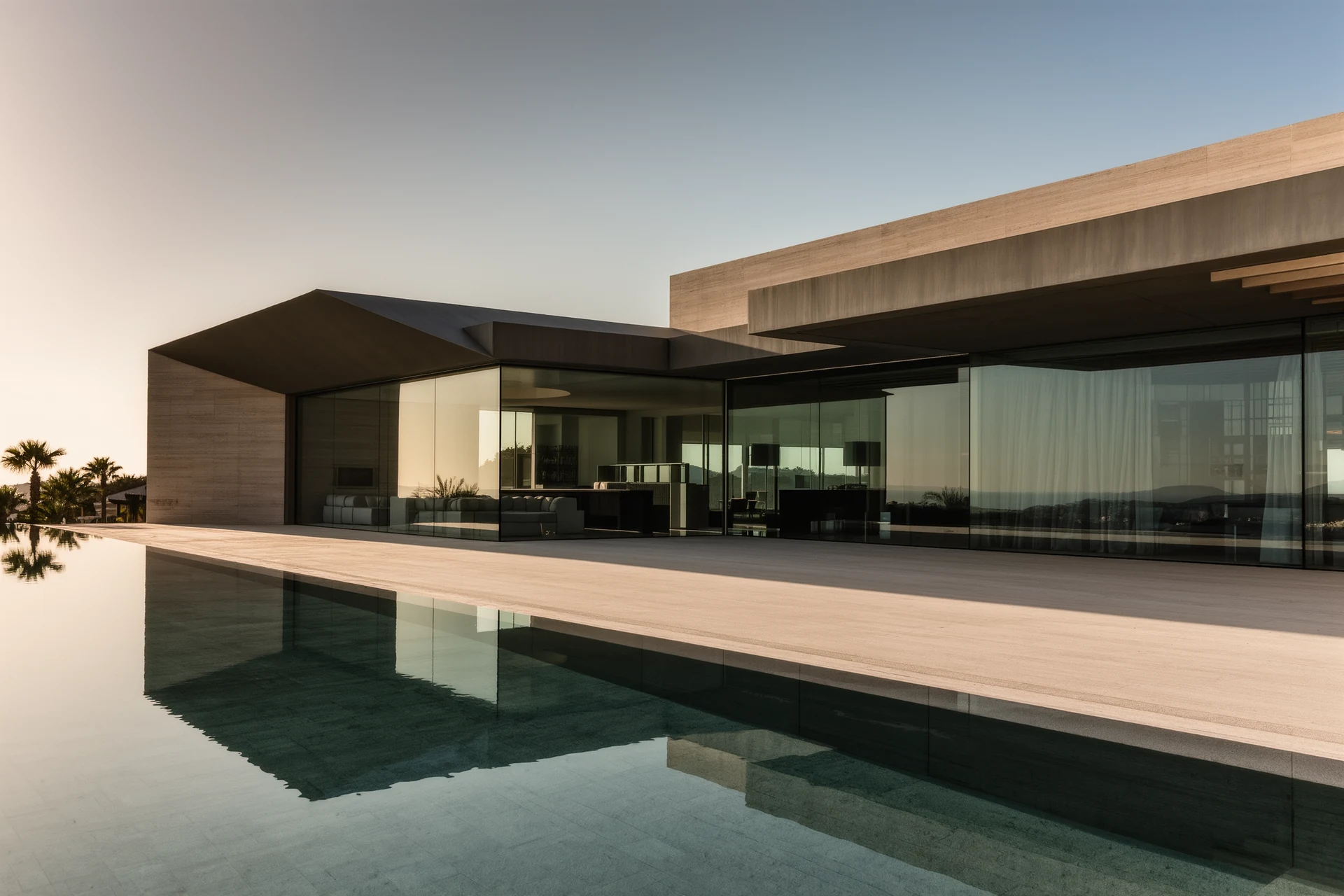
Architectural Digest Marbella: Luxury Living in Southern Spain
Marbella: A Taste of Luxury Living in Southern Spain Thinking about Marbella and wondering if it lives up to its luxury reputation? The short answer i…
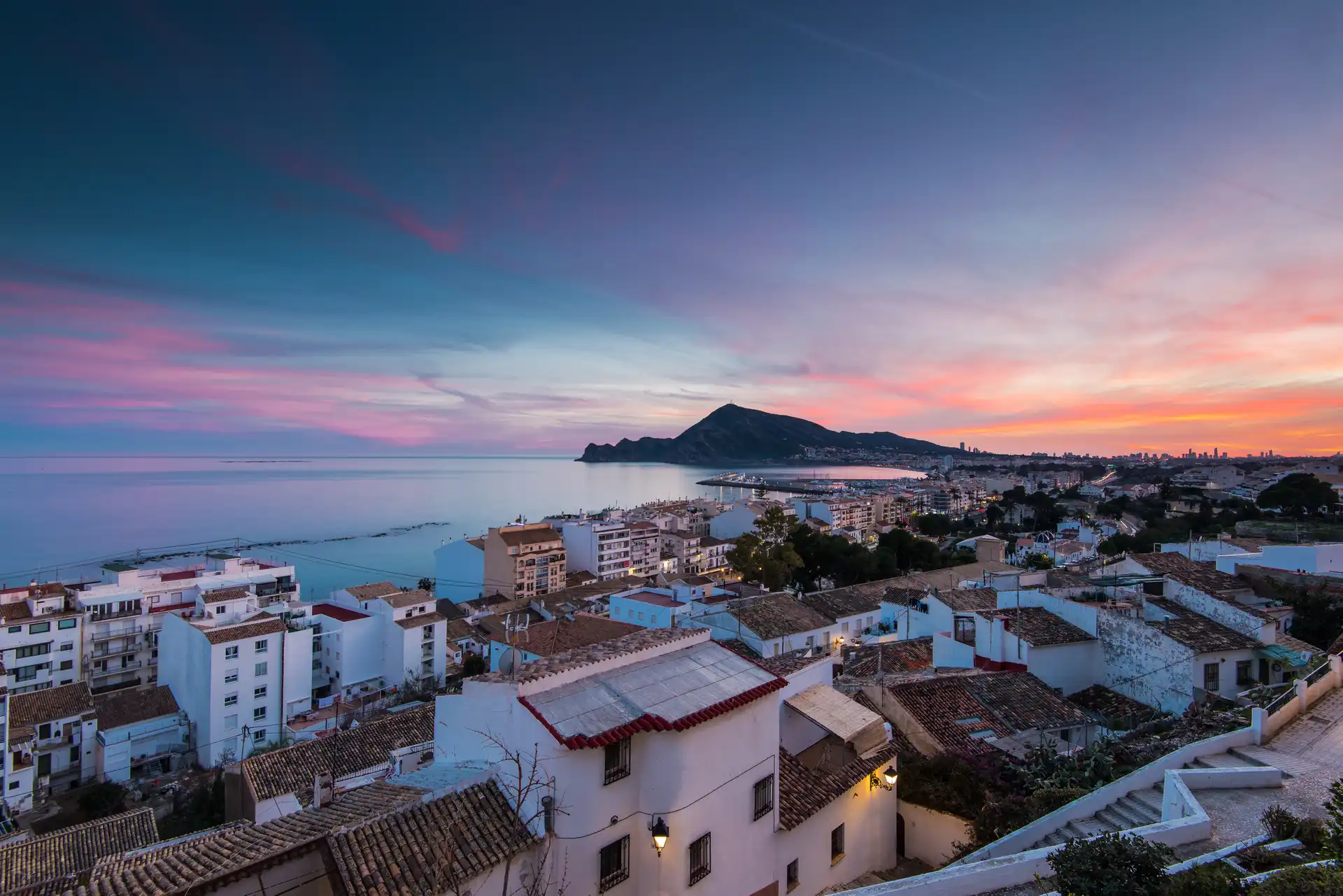
Exquisite Luxury Villa Design in Spain
When it comes to exquisite luxury villa design in Spain, we’re talking about more than just big houses. It’s about blending stunning archi…
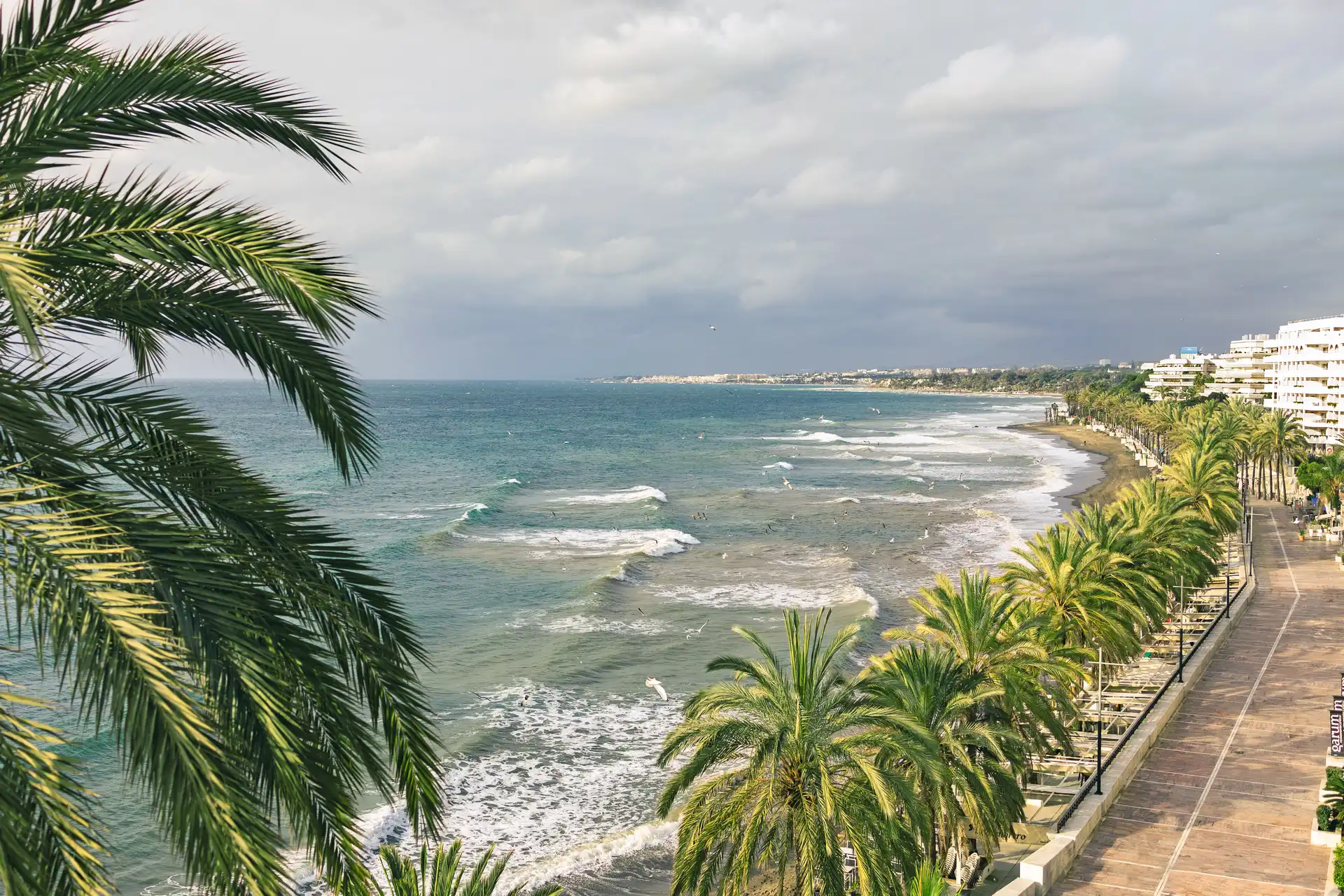
Coastal Chic: Interior Design Costa del Sol
Let’s dive into the world of Costa del Sol interior design. The ‘Coastal Chic’ style on the Costa del Sol isn’t ju…