Exploring Andalusian White Villages: A Charming Spanish Escape
So, you’re thinking about exploring the Andalusian white villages, those charming pockets of Spain clinging to hillsides? Great choice! These villages offer a refreshing esca…
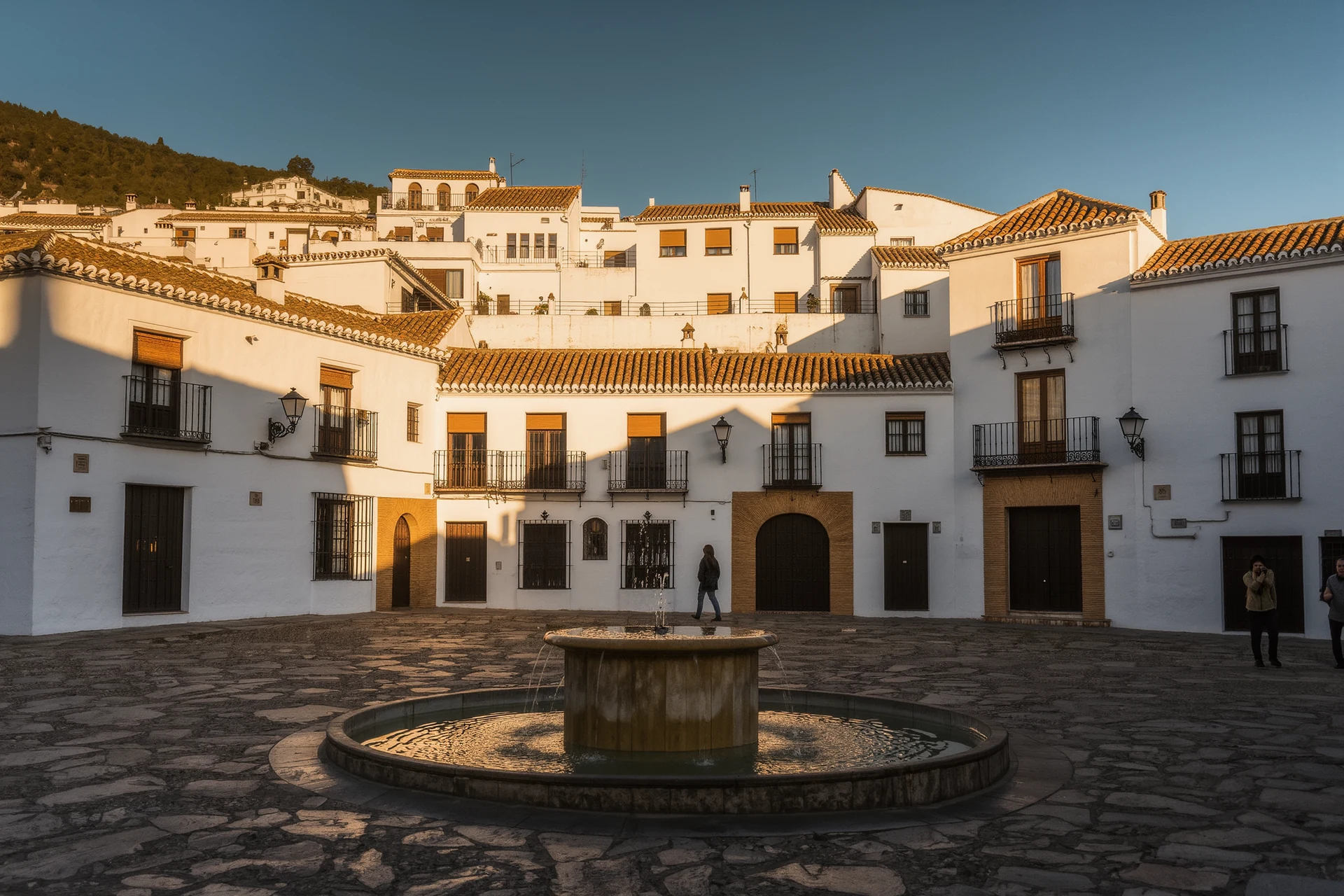
So, you’re thinking about exploring the Andalusian white villages, those charming pockets of Spain clinging to hillsides? Great choice! These villages offer a refreshing escape from the usual tourist trail, delivering authentic culture, stunning scenery, and a pace of life that’s decidedly more relaxed. If you’re wondering what makes them so special and how to best experience them, you’ve come to the right place.
A Glimpse into the “Pueblos Blancos”
The “Pueblos Blancos,” or white villages, are a collection of towns and villages scattered across the provinces of Cádiz and Málaga in Andalusia. Their defining characteristic is the whitewashed architecture, a tradition dating back centuries, originally implemented to keep homes cool in the hot climate and also believed to have antiseptic properties. Wandering through their narrow, winding streets feels like stepping back in time. You’ll find flower-draped balconies, small plazas with ancient fountains, and breathtaking views of the surrounding countryside, often dominated by olive groves and rolling hills.
Why Visit the White Villages?
Beyond the picturesque beauty, the white villages offer a genuine taste of Andalusian life. They are less about grand monuments and more about everyday experiences: the aroma of fresh bread from a local bakery, the lively chatter in a village bar, the quiet reverence in a centuries-old church. They provide a perfect counterpoint to the bustling cities and coastal resorts, offering a chance to connect with a more traditional Spain. If you’re looking for something a little different, a little more soulful, then the white villages are calling your name.
When you set out to explore the Andalusian white villages, a little planning goes a long way. These aren’t places you typically bombard with a packed itinerary. Instead, think about soaking in the atmosphere and enjoying the journey. The beauty is often found in the unexpected turns and detours.
Getting There and Around
The most common way to reach the white villages is by car. You’ll likely fly into a major airport like Málaga or Seville and then rent a vehicle. This gives you the freedom to hop between villages at your own pace and explore those hidden gems that public transport might miss.
Driving in Andalusia
Be prepared for winding roads. Many of the villages are perched on hillsides, so the routes can be narrow and steep with plenty of hairpin bends. While this can be exhilarating, it also means that travel times between villages can be longer than they appear on a map. Embrace the slower pace, it’s part of the charm. A GPS is indispensable, but don’t be afraid to pull over and consult a physical map if you feel your navigation is getting a bit fuzzy. The scenery is often worth the stops.
Public Transport Options
While a car offers the most flexibility, it’s not impossible to see some white villages using public transport. Buses connect many of the larger towns, and some train lines extend into the foothills. However, this will mean adhering to schedules and potentially limiting the number of villages you can visit in a day. It’s a more budget-friendly option, but requires more research and flexibility.
Best Time to Visit
The weather in Andalusia is generally pleasant, but the white villages have their own seasonal nuances.
Spring and Autumn Reigns Supreme
Spring (March to May) and autumn (September to November) are widely considered the ideal times to visit. The weather is warm and sunny without the intense heat of summer, and the landscapes are often at their most vibrant. Spring brings wildflowers to the hillsides, while autumn offers a beautiful palette of golden hues. The tourist crowds are also generally thinner during these shoulder seasons.
Summer’s Intense Heat
Summer (June to August) can be scorching, especially inland. While coastal areas might offer some respite, the white villages can experience temperatures well into the high 30s or even 40s Celsius. If you do visit in summer, plan your activities for the cooler mornings and evenings, and ensure your accommodation has good air conditioning. Embrace the siesta culture, it’s there for a reason!
Winter’s Quiet Charm
Winter (December to February) is much cooler, and can be rainy in some areas, but it also offers a unique, tranquil experience. The villages are less crowded, accommodation prices may be lower, and you can enjoy a cozy atmosphere, perhaps by a fireplace. Snow is rare but can fall on the highest peaks, offering a beautiful contrast to the whitewashed walls.
Where to Base Yourself
Deciding where to stay can impact your exploration. You can choose to base yourself in one or two strategic locations and take day trips, or you can opt for a more nomadic approach, moving between villages.
Larger Towns as Hubs
Towns like Ronda or Arcos de la Frontera serve as excellent bases. They have more amenities, a wider range of accommodation, and better transport links, making it easier to explore surrounding smaller villages. You’ll find more restaurants, shops, and potentially more lively evening atmospheres in these larger hubs.
Immersive Village Stays
For a truly immersive experience, consider staying in a smaller boutique hotel or a rural guesthouse (casa rural) within one of the villages themselves. This allows you to wake up to the quiet sounds of village life and experience them outside of peak tourist hours. It’s a more intimate way to connect with the local culture.
Must-See White Villages: A Curated Selection
While there are dozens of white villages scattered across Andalusia, a few stand out for their unique charm, historical significance, and sheer beauty. This isn’t an exhaustive list, but a starting point for creating your own unforgettable itinerary.
Ronda: The Dramatic Perch
Ronda is arguably the most famous and dramatic of the white villages. Perched precariously on a rocky outcrop, it’s divided by the El Tajo gorge, a breathtaking natural chasm spanned by the Puente Nuevo (New Bridge). The views from this bridge are simply spectacular, offering panoramic vistas of the surrounding countryside.
Puente Nuevo and El Tajo Gorge
The Puente Nuevo is an 18th-century architectural marvel, taking over 40 years to build. Standing on it, you can gaze down into the deep gorge, carved by the Guadalevín River. It’s a vertigo-inducing but awe-inspiring experience. There are viewpoints on either side of the bridge offering different perspectives.
The Bullring of Ronda
Ronda boasts one of the oldest bullrings in Spain, dating back to 1785. It’s a key site in the history of bullfighting. Even if bullfighting isn’t your thing, the architecture of the arena and the accompanying museum offer a fascinating glimpse into this Spanish tradition. The large, rounded arena itself is striking.
Old Town Charm
Beyond the iconic bridge, Ronda’s old town is a labyrinth of whitewashed streets, charming plazas, and historical buildings. Explore the Arab Quarter, visit the Mondragón Palace, and wander through the Alameda del Tajo park for more stunning views. The atmosphere here is vibrant, yet retains its historic allure.
Arcos de la Frontera: The Hilltop Fortress
Perched on a dramatic cliff overlooking the Guadalete River, Arcos de la Frontera is a fortified town with a history stretching back to Moorish times. Its strategic location has shaped its architecture and its past. The sheer drop from the town walls is a defining feature.
The Castillo de Arcos
The castle, though much altered over the centuries, still stands as a testament to Arcos’ defensive past. Exploring its courtyards and ramparts offers a sense of the town’s strategic importance throughout history. The views from the castle area are excellent.
Plaza del Cabildo
This is the heart of Arcos, a beautiful square offering panoramic views over the river valley. It’s the perfect spot to grab a coffee or a glass of sherry and simply soak in the scenery. The architecture surrounding the plaza is also classic Andalusian.
Narrow Medieval Streets
The sheer beauty of Arcos lies in getting lost in its narrow, winding streets. You’ll discover hidden courtyards, tiny churches, and stunning architectural details at every turn. The steep inclines add to the adventure.
Grazalema: The Heart of the Sierra
Nestled within the Sierra de Grazalema Natural Park, Grazalema is known for its dramatic mountain scenery and its exceptionally high rainfall, earning it the nickname “the rainy village.” It’s a paradise for hikers and nature lovers.
Sierra de Grazalema Natural Park
This protected area is a haven for biodiversity, with unique flora and fauna. Hiking trails abound, leading through cork oak forests, past dramatic rock formations, and offering spectacular views. Even if you’re not an avid hiker, a scenic drive through the park is rewarding.
Local Crafts: Leather Goods
Grazalema is also renowned for its wool blankets and, more recently, its high-quality leather goods. You’ll find shops selling everything from jackets to handbags. Supporting these local artisans is a great way to contribute to the village’s economy.
The “Malafolla” Legend
A local legend tells of the “malafolla,” a mythical creature said to inhabit the mountains. While purely folklore, it adds an intriguing layer to the village’s mystique.
Zahara de la Sierra: The Waterside Jewel
With its striking castle dominating the skyline and the vast Embalse de Zahara-El Gastor reservoir below, Zahara de la Sierra offers a truly picturesque scene. The village itself is a cascade of whitewashed houses tumbling down the hillside.
The Castillo de Zahara
The castle ruins stand proudly above the village, offering commanding views over the reservoir and the surrounding countryside. It’s a popular spot for photography and a reminder of the region’s historical fortifications.
The Reservoir and Kayaking
The turquoise waters of the reservoir create a stunning contrast with the white village. In warmer months, it’s a popular spot for water sports like kayaking and paddleboarding, offering a different perspective of Zahara.
The Mirador
There are several viewpoints (miradores) in Zahara offering incredible photographic opportunities, particularly of the castle and the reservoir. Finding these spots is part of the exploration.
Setenil de las Bodegas: The Cave Dwellings
Setenil is unique for its houses built directly into and under rock overhangs, a distinctive feature created by the cars, a river that flows through the town. It’s a fascinating example of how people have adapted to their environment.
Houses Under Rock
Walking through Setenil feels surreal as you pass by homes and businesses with rock formations forming their roofs and walls. Streets like Calle de Cuevas del Sol and Calle de Cuevas de la Sombra are particularly striking.
Local Delicacies: “Setenil Sausage”
The region is known for its pork products, and Setenil offers its own local variations. Sampling the local cured meats is a culinary must-do.
Exploring the Caves
Beyond just seeing the houses, some of the cave structures are accessible, offering a glimpse into these unique living spaces. It’s a truly different architectural experience.
Experiencing the Authentic Andalusian Lifestyle
The white villages are more than just pretty sights; they are living communities with a distinct way of life. Engaging with this lifestyle is key to a truly memorable visit.
Embracing the Pace of Life
The most striking difference you’ll notice is the slower pace. Life here isn’t dictated by constant urgency. Embrace it. Take time to linger over a coffee, enjoy a leisurely meal, or simply sit on a bench and watch the world go by. Rushing will only detract from the experience.
The “Siesta” Tradition
While not as universally observed as it once was, the siesta (afternoon rest) still influences daily life, particularly in smaller villages. Many shops might close for a few hours in the afternoon, and the heat of the day encourages a break. Plan your shopping and activities accordingly.
Evening “Paseo”
As the heat of the day subsides, locals often emerge for an evening stroll, the “paseo.” This is a social ritual. Join in and wander through the main streets or plazas, observing the community interacting. It’s a beautiful way to feel connected.
Culinary Delights of the White Villages
Andalusian cuisine is hearty and flavorful, and the white villages offer a fantastic opportunity to sample authentic regional dishes.
Local Produce and Tapas
Expect dishes that highlight fresh, local ingredients: olive oil, cured meats, cheeses, and seasonal vegetables. Tapas culture is strong here, so be sure to try a variety of small plates. Many bars offer a free tapa with a drink.
Signature Dishes
Don’t miss out on regional specialties. Gazpacho and Salmorejo (cold tomato soups), Rabo de Toro (oxtail stew), and various pork dishes are popular. And of course, Andalusia is sherry country, so sampling some local wines is highly recommended.
Interacting with Locals
The people of Andalusia are known for their warmth and hospitality. Even with a language barrier, a friendly smile and a few basic Spanish phrases can go a long way.
Learning a Few Spanish Phrases
Simple greetings like “Hola” (hello), “Gracias” (thank you), and “Buenos días/tardes/noches” (good morning/afternoon/evening) are always appreciated. A polite attempt at the language shows respect and can lead to more positive interactions.
Respecting Traditions
Be mindful of local customs and traditions. Dress modestly when visiting churches, and avoid being overly loud or disruptive, especially in residential areas. Observing and respecting the local way of life fosters goodwill.
Activities and Experiences Beyond Sightseeing
While the villages themselves are the main attraction, there are plenty of ways to actively engage with the Andalusian countryside and culture.
Hiking and Nature Trails
The natural parks surrounding many white villages offer incredible opportunities for outdoor exploration.
Sierra de Grazalema Trails
As mentioned, the Sierra de Grazalema is a hiker’s paradise. Trails range from gentle walks to challenging mountain treks. The Pinsapar trail, through a forest of Spanish firs, is a particular highlight. Always check trail conditions.
Other Natural Parks
Beyond Grazalema, the Sierra de las Nieves Natural Park offers its own unique landscapes, including ancient pinsapo forests. Many villages are part of the wider “Ruta de los Pueblos Blancos,” and the driving routes themselves often take you through scenic natural areas.
Wine and Olive Oil Tasting
Andalusia is famous for its wine and olive oil, and many villages offer opportunities to learn about and taste these products.
Local Wineries and “Bodegas”
While not as famous as some other Spanish wine regions, Andalusia produces some excellent wines, particularly sherries and fortified wines from areas like Jerez (though not strictly a white village, it’s close). Some smaller producers in the white villages might offer tastings.
Olive Oil Mills (“Almazaras”)
Olive oil production is central to Andalusian agriculture. Many “almazaras” (olive oil mills) offer tours where you can learn about the process from grove to bottle and, of course, sample the liquid gold.
Photography Opportunities
The visual appeal of the white villages is undeniable, offering a rich tapestry for photographers.
Capturing the Light
The intense Andalusian sun creates dramatic light and shadow. Experiment with shooting in different lighting conditions, early morning and late afternoon often provide the most flattering light.
Details and Textures
Beyond the sweeping vistas, pay attention to the details: vibrant bougainvillea against whitewashed walls, intricate ironwork on balconies, weathered stone steps, and the textures of local crafts.
Village Life in Motion
Try to capture the everyday life within the villages: a cat lounging in a sunbeam, elderly residents chatting on a bench, children playing in a plaza. These candid moments add depth to your photographic story.
Practical Tips for Your White Village Adventure
A little preparation can ensure your trip is as smooth and enjoyable as possible. These are the practicalities that often make a difference.
Accommodation Choices
As touched upon, your accommodation can greatly influence your experience.
Rural Houses (Casas Rurales)
These are often charming, rustic homes or apartments outside of the main village centers, providing a peaceful retreat and a chance to connect with nature. They can range from simple to luxurious.
Boutique Hotels and “Posadas”
Many villages have small, characterful hotels or traditional inns (“posadas”) that offer a more intimate and often beautifully decorated experience. They’re a great way to experience the local architectural style.
Budget-Friendly Hostels and Guesthouses
For budget travelers, smaller guesthouses or even hostels can be found in the larger white villages, offering basic but clean accommodation. Booking in advance is advisable, especially during peak seasons.
Packing Essentials
Pack smart to make your explorations comfortable.
Comfortable Walking Shoes
This is non-negotiable. You’ll be doing a lot of walking on cobbled streets, uneven paths, and potentially steep inclines. Good quality, supportive footwear is key to avoiding tired feet.
Light Clothing and Sun Protection
Even in spring and autumn, the sun can be strong. Pack light, breathable clothing, a wide-brimmed hat, sunglasses, and high-SPF sunscreen. Staying hydrated is also crucial.
A Medium-Weight Jacket or Cardigan
While days can be warm, evenings can cool down, especially in the hills. A light jacket or cardigan is useful for transitional weather.
Reusable Water Bottle
Staying hydrated is important, and carrying a reusable water bottle is both eco-friendly and economical. You can refill it at many fountains and accommodations.
Navigating the Villages
Once you arrive, how do you get around and make the most of your time?
Walking is Key
The best way to explore the white villages is on foot. Their charm lies in their narrow streets and hidden corners, which are best discovered by wandering.
Understanding Parking
Parking can be challenging in many of these historic villages, with very limited street parking. Look for designated public car parks on the outskirts of the village and be prepared to walk a short distance. Some accommodations may offer limited parking.
Embracing Serendipity
Don’t plan every minute. Allow for spontaneous detours, unexpected discoveries, and leisurely breaks. The magic of the white villages often reveals itself when you’re not looking for it.
Beyond the Tourist Trail: Deeper Connections
To truly appreciate the Andalusian white villages, look beyond the typical tourist experience and seek out deeper connections with the place and its people.
Engaging with Local Festivals and Events
If your visit coincides with a local festival or Feriá (fair), seize the opportunity. These events offer an unfiltered glimpse into Andalusian culture and community spirit.
Religious Festivities
Many villages have patron saint festivals, often celebrated with processions, music, and traditional food. These are deeply ingrained in the local identity.
Summer Feriás
Summer weekends often feature local Feriás, vibrant celebrations with music, dancing, food stalls, and amusement rides. They are a lively and authentic way to experience local life.
Learning About Andalusian History and Architecture
Each village has a unique story to tell, shaped by centuries of history, from Moorish rule to the Reconquista and beyond.
Moorish Influences
Look for architectural remnants of the Moorish period: courtyards, horseshoe arches, and irrigation systems. These influences are woven into the fabric of many villages.
Local Crafts and Artisans
Seek out opportunities to connect with local artisans. Whether it’s a pottery workshop, a leather craftsman, or a weaver, understanding their skills provides insight into the enduring traditions of the region.
Responsible Tourism Practices
Being a mindful traveler helps preserve the unique character of these villages for future generations.
Supporting Local Businesses
Prioritize eating at locally-owned restaurants and bars, buying souvenirs from local craftsmen, and staying in independently-run accommodations. This directly benefits the community.
Minimizing Your Environmental Impact
Be conscious of your water and energy consumption. Dispose of waste responsibly and stick to marked trails when hiking. Small efforts can make a big difference.
And there you have it: a journey into the heart of Andalusian charm. The white villages offer a refreshing blend of natural beauty, rich history, and authentic culture, best savored at a relaxed pace. So, pack your bags, embrace the winding roads, and prepare to be enchanted by this truly special corner of Spain.
FAQs
What are Andalusian white villages?
Andalusian white villages, also known as “pueblos blancos,” are a collection of picturesque towns and villages in the southern region of Andalusia, Spain. These villages are characterized by their whitewashed buildings, narrow streets, and stunning mountainous backdrops.How many Andalusian white villages are there?
There are approximately 200 Andalusian white villages scattered throughout the provinces of Cadiz, Malaga, and Seville in Andalusia, Spain. Each village has its own unique charm and attractions, making them popular destinations for tourists.What are some popular Andalusian white villages to visit?
Some popular Andalusian white villages to visit include Ronda, Arcos de la Frontera, Zahara de la Sierra, Grazalema, and Frigiliana. These villages are known for their stunning architecture, rich history, and breathtaking views of the surrounding countryside.What activities can visitors do in Andalusian white villages?
Visitors to Andalusian white villages can enjoy a variety of activities, including exploring the narrow cobblestone streets, visiting historic landmarks and churches, hiking in the surrounding mountains, and sampling traditional Andalusian cuisine at local restaurants and cafes.When is the best time to visit Andalusian white villages?
The best time to visit Andalusian white villages is during the spring and autumn months, when the weather is mild and the countryside is in full bloom. Summer can be quite hot, while winter may bring cooler temperatures and occasional rainfall.More from Hidden Gems
Chic Costa del Sol: Boutique Bliss
So, you’re thinking about a trip to the Costa del Sol but want to skip the mega-resorts and find something a little more… special? You’re …
Charming Towns Near Marbella: Exploring the Costa del Sol
Looking for that quintessential Spanish charm beyond the glitz of Marbella? You’re in luck! The Costa del Sol is dotted with genuinely lovely to…
Secret Coves: Costa del Sol’s Hidden Gems
Looking for those tucked-away beaches on the Costa del Sol? While the main playas are great for families and facilities, sometimes you just want a bit…