Exploring the Best Local Experiences on the Costa del Sol
So, you’re heading to the Costa del Sol and want to skip the usual tourist traps for something a bit more… real? Great choice! Finding those authentic local experiences can r…
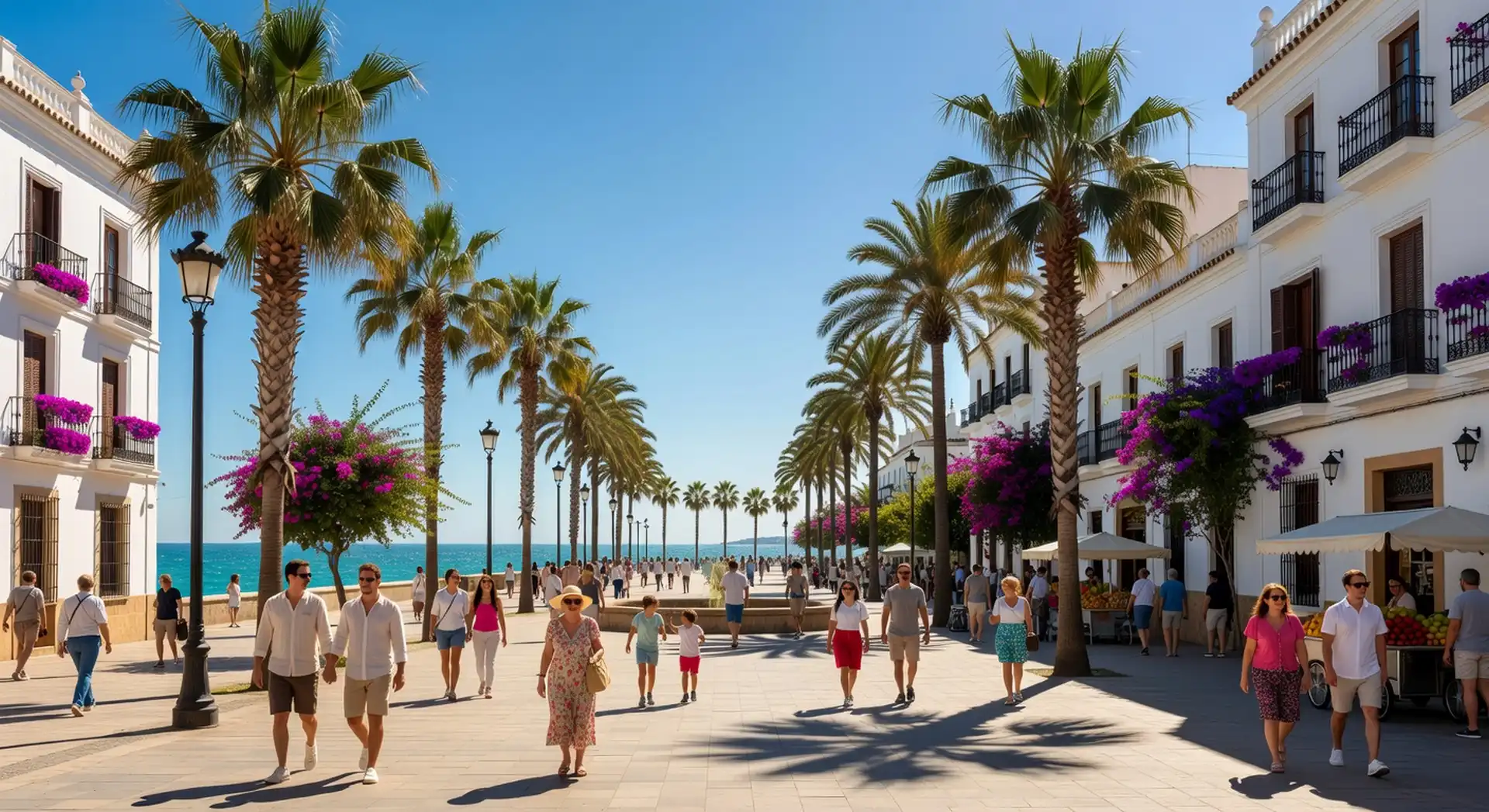
So, you’re heading to the Costa del Sol and want to skip the usual tourist traps for something a bit more… real? Great choice! Finding those authentic local experiences can really make a trip. The good news is, it’s totally doable here. Forget endless rows of souvenir shops and crowded beaches packed with identical sun loungers. The Costa del Sol is brimming with places and activities where you’ll feel like you’ve stumbled upon a well-kept local secret. It’s about connecting with the culture, the food, and the people who actually live here.
Málaga city is often seen as just a gateway, but stick around and you’ll find it’s a destination in its own right, buzzing with local life. While the Alcazaba and Picasso Museum are must-sees, there’s a whole other layer to explore if you know where to look.
Dive into the Atarazanas Market Experience
This isn’t just a place to buy groceries; it’s a vibrant, sensory explosion that’s central to Málaga life.
The Morning Buzz: Colors, Smells, and Sounds
Get there early, ideally before 10 am, to witness the market at its busiest and most authentic. You’ll see locals nabbing their daily produce, fishmongers expertly filleting their catch, and bakers arranging fresh bread. The sheer variety is stunning, mountains of olives, glistening fish, ruby-red tomatoes, and exotic fruits. Don’t be shy; ask the vendors questions, even if your Spanish is rusty. A smile and a few basic phrases go a long way.
A Taste of Local Life: Bar Stalls to Sample
Hidden within the market are small bars where you can grab a quick bite. These are perfect for a pre-lunch tapa. Try some fresh shrimp, fried anchovies (boquerones fritos, a Málaga specialty), or a simple jamón serrano bocadillo. It’s a no-frills, delicious way to fuel up and observe daily interactions. It’s a snapshot of how Málagueños recharge their batteries.
Wander Through the Soho Art District
Forget stuffy galleries; Soho is where art spills onto the streets.
Street Art Frescoes: An Open-Air Gallery
This former industrial area has been transformed into a dynamic urban art hub. Look up, down, and all around for incredible murals painted by world-renowned artists. You can spend hours just exploring, discovering new pieces around every corner. It’s a constantly evolving canvas, so what you see one day might be different the next.
Local Boutiques and Cafés: A Creative Vibe
Soho is also home to independent shops, artisan workshops, and trendy cafés. It’s a great place to pick up unique souvenirs, browse handmade crafts, or simply enjoy a coffee and soak in the creative atmosphere. This is where younger Málagueños and artists tend to hang out, giving it a youthful and forward-thinking energy.
Discover the Hidden Courtyards of the Historic Center
Beyond the main plazas, delve into the maze-like streets and you’ll find tranquil, flower-filled courtyards.
Peeking Through Grates: Glimpses of Private Beauty
Many of these courtyards are private residences, but you can often catch glimpses through ornate metal grates. Look for balconies overflowing with geraniums, tiled fountains, and the quiet hum of local gossip. It’s a reminder of a more traditional way of life, a peaceful respite from the city’s hustle.
El Pimpi: More Than Just a Bodega
While El Pimpi is well-known, it’s still a quintessential Málaga experience that retains its local charm. It’s more than just a tapas bar; it’s a place steeped in history and local lore. The walls are adorned with signed photos of famous patrons, and the wine barrels themselves have stories to tell.
Sip a Local Wine and Savor Authentic Tapas
The wine list here features many local Andalusian wines, and their tapas are classic. Order the berenjenas con miel (fried eggplant with honey), a sweet and savory delight that’s a Málaga staple. It’s crowded, yes, but the atmosphere is infectious, and you’ll see many locals enjoying their evening here.
The White Villages (Pueblos Blancos): A Journey Back in Time
The pueblos blancos are the quintessential Andalusian experience, clinging to hillsides with their whitewashed walls and terracotta roofs. These are the places to slow down and breathe in the real Spain.
Ronda: The Dramatic Gorge and Historic Charm
Ronda is perhaps the most famous of the white villages, and for good reason. Its dramatic setting is unforgettable.
The Puente Nuevo: An Engineering Marvel and Iconic View
The Puente Nuevo bridge, spanning the El Tajo gorge, is breathtaking. Walk across it, but also find viewpoints from below for a different perspective on its immense scale. The clifftop setting is what makes Ronda truly special, offering panoramic views of the surrounding countryside.
Exploring the Old Town: Narrow Streets and Hidden Plazas
Lose yourself in the winding, cobbled streets of the old town. Discover charming little plazas, ancient churches, and traditional houses. The Baños Árabes (Arab Baths) offer a glimpse into the Moorish past. Don’t miss the viewpoint at the Mirador de Aldehuela for stunning sunset vistas.
Local Cuisine: Sweet Wines and Savory Stews
In Ronda, try dishes like rabo de toro (oxtail stew) or sopas de ajo (garlic soup). Pair it with local red wines from the Ronda appellation, which are gaining international recognition. Look for small, family-run restaurants for the most authentic flavors.
Setenil de las Bodegas: Living Under the Rocks
This village is a marvel of natural architecture, with houses built directly into the cliff face.
The Rock Dwellings: A Unique Architectural Phenomenon
Walking through Setenil is an experience like no other. See homes with natural rock overhangs forming their ceilings, creating unique and shaded streets. The Calle de las Cuevas del Sol and Calle de las Cuevas de la Sombra are particularly striking.
Local Produce and Tavernas: A Simple Pleasures
Setenil is known for its chorizo and local cured meats. Find a small taberna tucked away beneath the rocks and enjoy a simple meal with local wine. The atmosphere here is very relaxed and down-to-earth. The sheer ingenuity of living this way is humbling.
Grazalema: Wild Nature and Artisanal Crafts
Nestled in the Sierra de Grazalema Natural Park, this village is recognized as one of Spain’s most beautiful.
Hiking and Nature Trails: The Natural Heartbeat
Grazalema is a paradise for hikers. The park offers numerous trails, from gentle strolls to challenging climbs. The Pinsapar Natural Park with its unique fir forest is a must-see. The air here is crisp and clean, a welcome change from the coastal heat.
Wool Crafts: A Tradition of Warmth
Grazalema is famous for its wool blankets and textiles. Visit local workshops and see how these traditional crafts are still practiced. Purchasing a hand-woven item is a truly unique souvenir that supports local artisans. Look for shops selling mantas graçalemeñas.
Coastal Flavors: Beyond the Paella
While paella is a Spanish classic, the Costa del Sol offers a wealth of seafood and traditional dishes that are far more specific to the region.
Fresh Fish Markets: The Source of Local Delights
The best way to understand coastal cuisine is to see where the ingredients come from.
Fuengirola Fish Market: A Daily Spectacle
Head to Fuengirola’s small but active fish market in the morning. Witness the hustle and bustle as fishermen bring in their daily catch, sea bream, sardines, red mullet, and more. Even if you’re not buying, the energy and sights are captivating.
Local Restaurants (Chiringuitos): Authenticity by the Sea
After visiting the market, find a chiringuito (beach restaurant) nearby. Many of these are simple, unpretentious spots where the fish is grilled to perfection, often right on the sand. Look for places packed with locals, not just tourists.
What to Order: The Classics
Don’t miss espetos de sardinas (sardines grilled on a skewer over charcoal), fritura malagueña (a mixed fry-up of local fish), and gambas al pil pil (prawns in garlic and chili oil). These are quintessential Costa del Sol dishes. The simplicity often highlights the freshness of the ingredients.
From Earth to Table: Inland Gastronomy
The inland areas offer a different, yet equally rich, culinary experience, focusing on hearty, traditional dishes.
Ronda’s Tavernas: Slow-Cooked Specialties
As mentioned with Ronda, the focus shifts to slower-cooked dishes. Venison, boar, and lamb are common, often prepared in rich sauces. These are warming, belly-filling meals perfect after a day of exploring.
Olive Oil Tasting: The Liquid Gold of Andalusia
Andalusia is Spain’s olive oil powerhouse. Many small producers offer tastings where you can sample different varieties and learn about the production process. It’s a fascinating insight into a fundamental part of the local diet and economy. Look for almazaras (olive mills) offering tours.
Local Cheeses and Cured Meats: A Taste of the Rural
Venture into the smaller villages and you’ll find excellent local cheeses, particularly goat’s cheese (queso de cabra). Together with regional cured meats like lomo and chorizo, these make for a fantastic and authentic picnic spread.
Connecting with the Culture: Festivals and Traditions
To truly experience the Costa del Sol, you need to catch it during one of its many local celebrations. These are vibrant displays of community and heritage.
Local Ferias: The Heartbeat of Andalusian Life
Ferias are the big annual parties in each town and city, celebrating patron saints or historical events.
The Vibe: Music, Dancing, and Family
If your trip coincides with a feria, immerse yourself. You’ll find temporary fairgrounds with rides, music stages, and countless food stalls and casetas (private tents). It’s a family affair, with people of all ages dressed in their finest traje de flamenca (flamenco dress) and suits.
Flamenco and Sevillanas: The Rhythms of Andalusia
Experience live flamenco performances and the joyful, rhythmic sevillanas dancing. Even if you don’t know the steps, the energy is infectious. You’ll see locals of all ages dancing together in a communal celebration.
Gastronomy at the Feria: A True Feast
Feria food is a highlight. Try pescaíto frito (fried small fish), tortilla española (Spanish omelette), and montaditos (small sandwiches). Wash it down with local beer or rebujito (a mix of sherry and lemonade).
Semana Santa: A Solemn and Moving Spectacle
The Holy Week leading up to Easter is a profound experience in Andalusia.
The Processions: Art and Devotion on the Streets
Witness the elaborate religious processions, where massive, ornate floats (pasos) are carried through the streets by brotherhoods (hermandades). The imagery is powerful, combining religious devotion with artistic expression. Each town has its own unique traditions.
The Atmosphere: Reverence and Community
While deeply religious, Semana Santa is also a significant cultural event that brings communities together. The atmosphere is one of solemnity, respect, and quiet reflection, but also of immense communal pride.
Romerías: Pilgrimages to Sacred Sites
Romerías are religious pilgrimages, often to a shrine or hermitage outside of town, usually culminating in a picnic and celebration.
Local Participation: A Spiritual and Social Gathering
These events are highly local, with many participants arriving on horseback or in decorated carts. It’s a chance to see traditional dress and witness a deeply ingrained spiritual and social ritual.
The Festivities After the Pilgrimage
Following the religious aspect, there’s always a festive atmosphere with music, dancing, and food. It’s a unique blend of the sacred and the secular, reflecting the Andalusian way of life.
Exploring Beyond the Coastline: Nature and Adventure
The Costa del Sol isn’t just about beaches and cities. The natural landscapes are diverse and offer fantastic opportunities for exploration.
Hiking in the Sierra de las Nieves
This natural park, a UNESCO Biosphere Reserve, is a world away from the bustling coast.
The Pinsapo Forest: Ancient Trees and Tranquil Trails
Home to the Pinsapo fir, an ancient species of fir tree, this park offers incredible hiking. The trails are well-maintained and range from easy walks to more challenging treks. The silence of the forest is profound.
Wildlife Spotting: A Glimpse into Nature
Keep an eye out for mountain goats, wild boar, and a variety of bird species. The remoteness of the park means you can often experience true solitude and connect with nature.
Kayaking and Water Sports in Estepona’s Waters
While many coastal towns offer water sports, Estepona has a reputation for well-managed and less crowded options.
Coastal Caves and Hidden Coves
Rent a kayak and explore the coastline independently. You can discover small, secluded coves that are inaccessible by land, perfect for a private swim or picnic.
Dolphin Watching Tours
Numerous operators offer boat tours specifically for dolphin watching. Seeing these magnificent creatures in their natural habitat is an unforgettable experience. Choose operators who prioritize ethical viewing practices.
Exploring the Montes de Málaga Natural Park
Just a short drive from Málaga city, this park offers a refreshing green escape.
Vineyards and Wineries: A Taste of the Countryside
This park is home to numerous small vineyards that produce the local sweet wine, vino dulce. Many offer tours and tastings, giving you an insight into this traditional agricultural practice.
Scenic Drives and Viewpoints
The winding roads offer incredible views over the coast and the surrounding mountains. Stop at designated viewpoints to appreciate the landscape. It’s a much more authentic look at the Andalusian countryside than one might expect so close to the coast.
Participating in Local Life: Workshops and Classes
The best way to truly understand a place is to get hands-on. The Costa del Sol offers a surprising number of opportunities to learn from locals.
Spanish Cooking Classes: Mastering Andalusian Flavors
Learn to make those delicious dishes you’ve been enjoying.
Hands-On Experience: From Market to Plate
Many classes start with a trip to a local market to select fresh ingredients, followed by instruction on preparing regional specialties. You’ll learn techniques and recipes you can take home.
Paella, Tapas, and Beyond
Focus on what you love, whether it’s perfecting paella, mastering a variety of tapas, or learning about the specific seafood dishes of the coast. Some classes also offer specific pastry or dessert workshops.
Flamenco Dance or Guitar Lessons: Feeling the Rhythm
Immerse yourself in the soul of Andalusia.
Beginner-Friendly Sessions
Even if you have no prior experience, many instructors are adept at teaching the basics of flamenco dance or guitar to beginners. It’s a fun and energetic way to connect with the culture.
Understanding the Art Form
Beyond the steps and chords, you’ll gain an appreciation for the passion, history, and emotional depth of flamenco. It’s more than just a dance; it’s a narrative.
Pottery or Craft Workshops: Creating Your Own Souvenirs
Support local artisans and create something unique.
Traditional Techniques in Action
Visit small workshops where you can learn traditional pottery techniques, tile painting, or even leatherwork. It’s a chance to see skilled artisans at work and try your hand at their craft.
Creating Personal Mementos
Instead of buying generic souvenirs, create your own lasting memento of your time on the Costa del Sol. These workshops often offer a genuine connection with the local craftspeople.
There you have it: a pathway to experiencing the Costa del Sol like a local. It’s about slowing down, engaging your senses, and being open to what you find. The region has so much more to offer than what meets the eye at first glance, and by stepping off the beaten path, you’re sure to create memories that truly resonate. Happy exploring!
FAQs
What are some popular local experiences in Costa del Sol?
Some popular local experiences in Costa del Sol include visiting the historic city of Malaga, exploring the picturesque village of Mijas, and enjoying the beaches and nightlife in Marbella.What cultural activities can visitors enjoy in Costa del Sol?
Visitors to Costa del Sol can enjoy cultural activities such as visiting the Picasso Museum in Malaga, exploring the Alcazaba fortress, and experiencing traditional flamenco shows.What outdoor activities are available in Costa del Sol?
Outdoor enthusiasts can enjoy activities such as hiking in the Sierra de las Nieves Natural Park, playing golf at one of the many world-class courses, and water sports along the coastline.What culinary experiences can visitors have in Costa del Sol?
Visitors can enjoy culinary experiences such as tasting traditional Andalusian dishes like gazpacho and paella, sampling local wines and olive oils, and visiting local markets to try fresh seafood and produce.What are some off-the-beaten-path experiences in Costa del Sol?
Off-the-beaten-path experiences in Costa del Sol include exploring the charming village of Frigiliana, visiting the prehistoric caves of Nerja, and taking a day trip to the stunning mountain village of Ronda.More from Hidden Gems
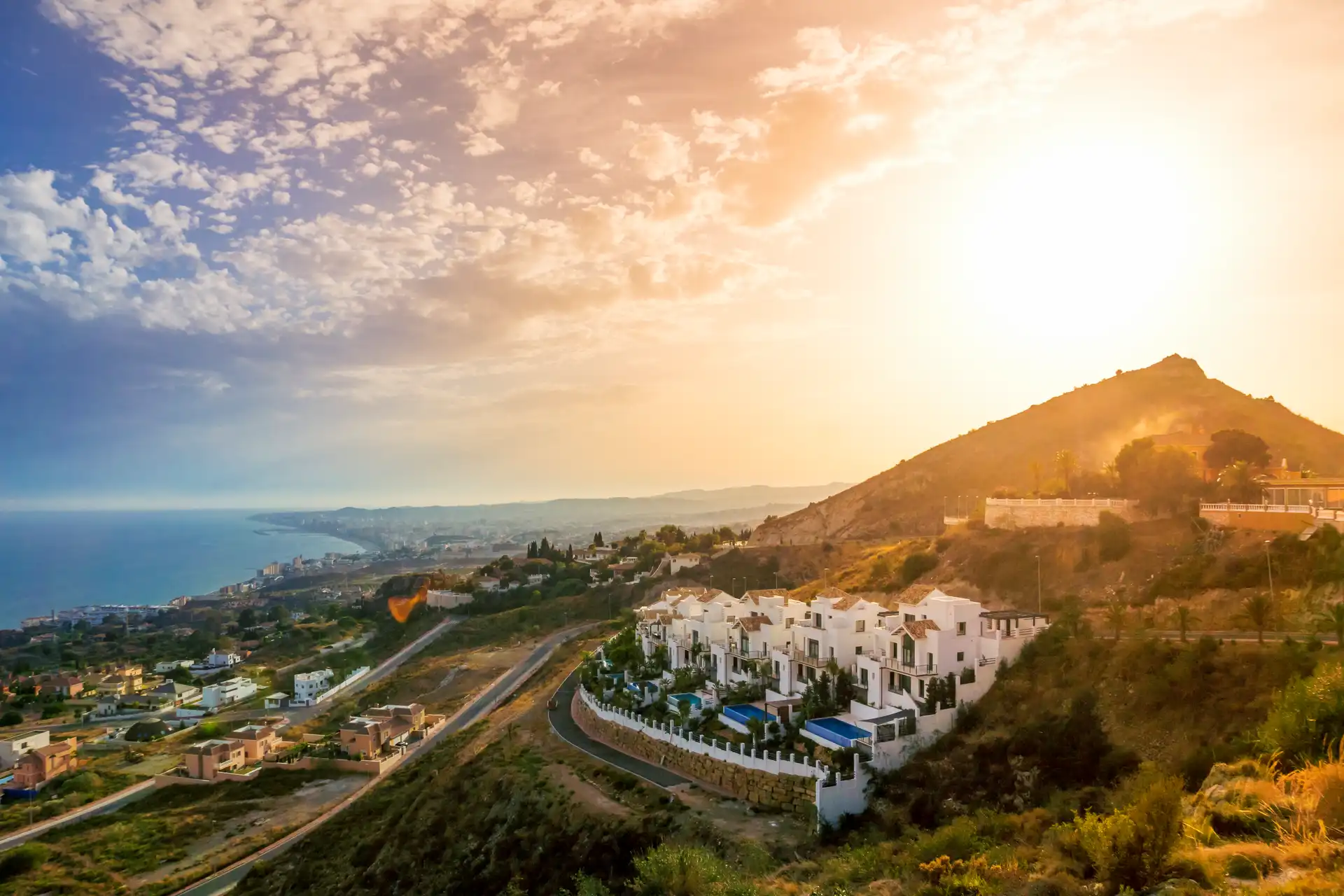
Chic Costa del Sol: Boutique Bliss
So, you’re thinking about a trip to the Costa del Sol but want to skip the mega-resorts and find something a little more… special? You’re …
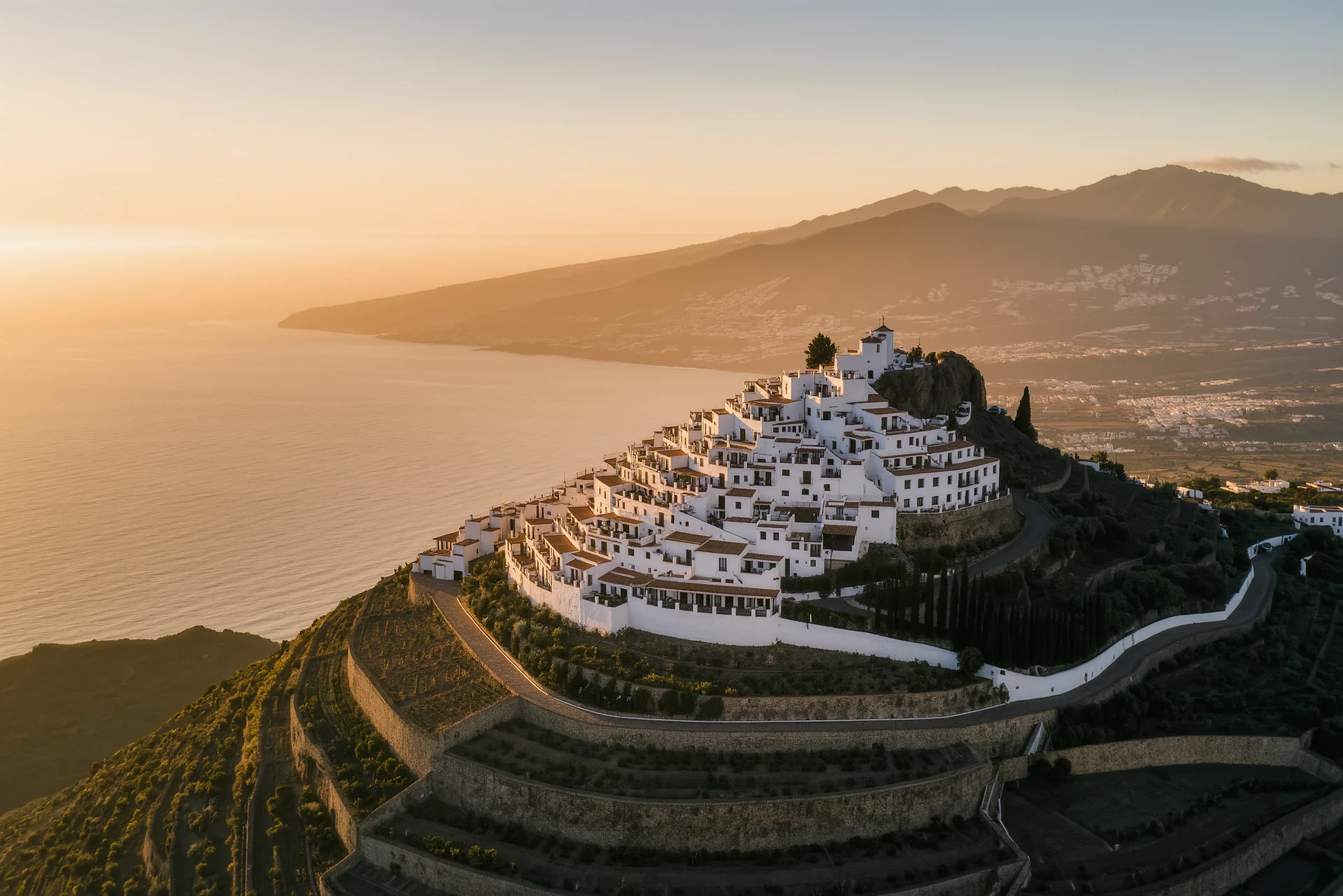
Charming Towns Near Marbella: Exploring the Costa del Sol
Looking for that quintessential Spanish charm beyond the glitz of Marbella? You’re in luck! The Costa del Sol is dotted with genuinely lovely to…
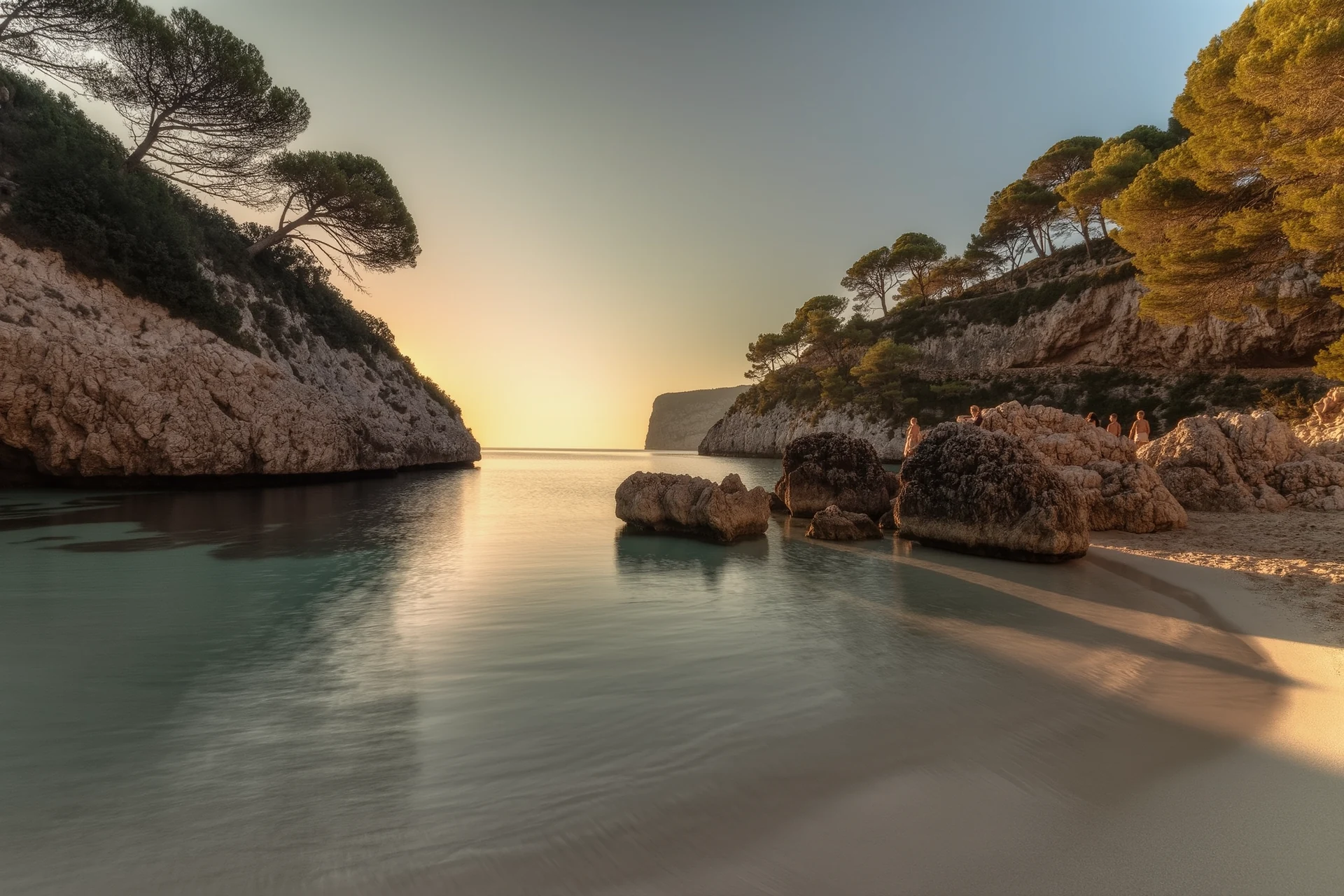
Secret Coves: Costa del Sol’s Hidden Gems
Looking for those tucked-away beaches on the Costa del Sol? While the main playas are great for families and facilities, sometimes you just want a bit…