Exploring Costa del Sol’s Local Markets
Costa del Sol’s local markets are a fantastic way to dive into the region’s culture, find unique souvenirs, and sample delicious local produce. Forget the tourist traps…
Costa del Sol’s local markets are a fantastic way to dive into the region’s culture, find unique souvenirs, and sample delicious local produce. Forget the tourist traps; these markets offer a genuine glimpse into daily life, from bustling food stalls overflowing with fresh catches to stands showcasing handcrafted goods. Whether you’re hunting for a bargain, a tasty snack, or just a vibrant experience, these markets are a must-visit.
You might be thinking, “Aren’t all markets the same?” Not quite. Costa del Sol’s markets offer a unique flavor that distinguishes them from your average supermarket or high street shop.
A Taste of Authenticity
These aren’t just places to buy things; they’re social hubs. You’ll hear the chatter of locals, smell the spices, and see the vibrant colours of fresh produce. It’s an authentic sensory experience that often gets lost in more commercial settings. You’re interacting directly with the producers and vendors, many of whom have been doing this for generations.
Supporting Local Businesses
When you buy from a market stall, your money often goes directly to the local farmers, artisans, and small business owners. This helps to sustain the local economy and preserve traditional crafts and agricultural practices that might otherwise disappear. It’s a more direct form of tourism that benefits the community you’re visiting.
Unearthing Unique Treasures
From handmade pottery to traditional Spanish lace, market stalls are treasure troves of unique items you won’t find in chain stores. Often, these items are crafted with passion and skill, telling a story that goes beyond their material value. They make for fantastic, meaningful souvenirs or gifts.
Freshest Produce on Offer
If you’re self-catering, or just love fresh food, the produce markets are a revelation. You’ll find seasonal fruits and vegetables, often picked that very morning. The flavour difference compared to supermarket fare is often astonishing. Plus, vendors are usually happy to offer advice on how to prepare their goods.
Navigating the Bustle: Tips for Market Newbies
Visiting a market can be a little overwhelming at first, especially if you’re not used to the lively atmosphere. A few pointers can make your experience much smoother and more enjoyable.
Go Early for the Best Selection
The early bird truly catches the worm here. Vendors set up bright and early, and the freshest produce and best handcrafted items fly off the stalls quickly. Arriving shortly after opening means you’ll have the biggest selection and less crowded aisles. Plus, sometimes vendors offer better deals before the major rush.
Embrace the Art of Haggling (Gently)
While not a full-blown souk experience, a little friendly negotiation can be part of the fun, especially for non-food items. Don’t be aggressive, but asking “what’s your best price?” or suggesting a slightly lower figure for multiple items is often acceptable. Always do it with a smile and be prepared to walk away if the price isn’t right.
Bring Cash and Small Bills
Many market vendors operate on a cash-only basis, and even those with card machines might prefer cash for smaller transactions. Having a decent supply of euros, especially in smaller denominations, makes transactions quicker and easier for everyone. It also helps you stick to a budget.
Look for Quality and Authenticity
It’s tempting to grab the cheapest option, but take a moment to inspect items. Look for good craftsmanship in handmade goods and freshness in produce. Don’t be afraid to ask about where something came from or how it was made; reputable vendors are usually proud to share.
Mind Your Belongings
As with any crowded place, it’s wise to be aware of your surroundings and keep your wallet and valuables secure. A cross-body bag or money belt is often a practical choice, allowing you to focus on the sights and sounds without unnecessary worry.
The Diverse Markets of Costa del Sol
The Costa del Sol is dotted with various types of markets, each with its own special charm and offerings. It’s worth exploring a few different kinds to get the full picture.
Food Markets (Mercados de Abastos)
These are the beating heart of local culinary life. Permanent or semi-permanent fixtures in most towns, they are where locals shop for their groceries.
Málaga’s Atarazanas Market
This is arguably the grand dame of Costa del Sol’s food markets. Housed in a stunning 19th-century building with a beautiful stained-glass window, it’s a feast for the senses. You’ll find everything from mountains of fresh seafood (still flopping!) and prime cuts of meat to vibrant displays of fruits, vegetables, cheeses, and olives. There are also several small tapas bars inside where you can sample fresh oysters or a plate of fried fish right from the market. It’s an experience in itself, even if you’re not planning a big shop.
Marbella’s Mercado Municipal
While smaller than Atarazanas, Marbella’s market offers a great selection of fresh produce, meats, fish, and baked goods. It’s frequented by locals and chefs alike, ensuring high quality. You’ll find stands selling cured hams, local cheeses, and excellent olive oil. It’s a practical and authentic stop if you’re staying in Marbella and want to stock up on groceries.
Vélez-Málaga Market
Further east, the Vélez-Málaga market provides a similar experience with a slightly more laid-back, traditional feel. It’s a great place to pick up regional specialities like tropical fruits grown in the Axarquia region (avocados, mangos) and local honey. The prices here can often be a bit more wallet-friendly than in the more tourist-heavy towns.
Weekly Street Markets (Mercadillos)
These pop-up markets are a ubiquitous feature of Spanish towns, each with its designated day. They often combine food, clothing, household goods, and souvenirs.
Fuengirola’s Tuesday Market
One of the largest and most popular weekly markets on the Costa del Sol. Stretching for blocks, you’ll find an astonishing array of everything: clothing, shoes, handbags, jewellery, household items, flowers, and lots of fresh produce. It can get very busy, so going early is a good strategy. It’s a great spot for picking up inexpensive holiday wear or souvenir trinkets.
Estepona’s Wednesday Market
Known for its wide variety and lively atmosphere, Estepona’s market is a favourite among residents and visitors. Besides the usual market fare, you might find some more unique artisan stalls here. The town itself is charming, so combine your market visit with a wander through its flower-filled old town. Parking can be a challenge, so consider walking or public transport if possible.
Torremolinos’ Thursday Market
This market offers a strong mix of everyday items and some tourist-focused goods. You’ll find a good selection of fruits, vegetables, and local delicacies alongside clothing, accessories, and souvenirs. It’s conveniently located near the fairgrounds, making it easy to access. It strikes a good balance between local functionality and visitor appeal.
Craft Markets and Flea Markets
For those seeking more unique items, these markets offer a different kind of treasure hunt.
Fuengirola’s Saturday Flea Market (Recinto Ferial)
Held at the same fairground site as the Tuesday market, this is a vastly different experience. It’s a true flea market, where you can find anything from antique furniture and vintage clothing to old books, retro toys, and quirky collectibles. It’s a place for browsing, bargaining, and unearthing genuine curiosities. Don’t expect pristine, but do expect character.
Marbella’s Puerto Banús Artisan Market (Summer Evenings)
During the summer months, Puerto Banús often hosts an evening artisan market along its waterfront. This one is more curated, featuring higher-quality handcrafted jewellery, art, leather goods, and unique fashion items. It’s a pleasant way to spend an evening, browsing beautiful items with the yachts sparkling in the background. Prices are generally higher here, reflecting the quality and location.
Mijas Pueblo Artisan Stalls
While not a single market day, the charming white village of Mijas Pueblo often has various artisan stalls set up year-round, especially in the main square and along the quaint streets. You’ll find local pottery, hand-painted ceramics, esparto grass products, and other traditional crafts. It’s a more relaxed browsing experience among picturesque surroundings.
Beyond the Shopping: Embracing the Experience
The markets aren’t just about what you buy; they’re about the atmosphere, the people, and the connection to local life.
Sample Local Delights
Many food markets have small bars or stalls offering ready-to-eat local specialities. Grab a coffee, try some churros with chocolate, or enjoy a tapa of freshly fried seafood. It’s a perfect way to refuel and soak in the vibrant atmosphere. Don’t be shy to ask for recommendations, vendors are usually proud of their local dishes.
Practice Your Spanish
Even if it’s just “Hola,” “Gracias,” and “Cuánto cuesta?” (How much does it cost?), trying a few Spanish phrases goes a long way. It shows respect and can sometimes even lead to friendlier interactions or a better deal. Most vendors are patient and appreciate the effort.
Observe and Absorb
Take a moment to simply stand back and observe. Watch the interactions between vendors and customers, the way the stalls are meticulously arranged, and the sheer energy of the place. It’s a snapshot of local life that’s quite distinct from the organised calm of a supermarket. You’ll notice the different rhythms and nuances that make each market unique.
Connect with Vendors
If something catches your eye, strike up a conversation. Ask about the artisan’s craft, the origin of the produce, or the best way to use a particular ingredient. Often, these conversations can lead to fascinating insights and make your purchase feel more meaningful. You’re not just buying an item; you’re often buying a piece of someone’s passion and skill.
Planning Your Market Adventures
A little preparation can go a long way in making your market visits enjoyable and efficient.
Check Opening Days and Times
Market days vary widely between towns. A quick online search for “mercado [town name] día” or checking local tourist information centres will give you the most up-to-date schedule. Times also differ, with most weekly markets starting early (around 9 AM) and finishing by early afternoon (1 PM or 2 PM) before the heat of the day fully sets in. Permanent food markets often have slightly longer hours.
Consider Transport
Evaluate how you’ll get to the market. Some markets, especially the larger weekly ones, can lead to congested roads and limited parking. Public transport (buses are excellent on the Costa del Sol) or walking might be a less stressful option. If driving, aim to arrive very early to secure a parking spot further away and be prepared for a short walk.
Bring Reusable Bags
Be eco-friendly and practical by bringing a few sturdy reusable shopping bags. You’ll accumulate items quickly, and vendors usually provide only thin plastic bags (if any). This also makes carrying your purchases more comfortable, especially if you plan to buy heavier items like fruits or pottery.
Stay Hydrated and Sun-Safe
Especially in the warmer months, markets can be hot and exposed. Bring a water bottle, wear a hat, and consider sunscreen. Staying comfortable will allow you to enjoy your browsing without rushing due to discomfort. Many markets have shady spots or nearby cafes where you can take a breather.
Exploring the Costa del Sol’s local markets is an experience that goes beyond mere shopping. It’s a chance to immerse yourself in the culture, taste the freshness, uncover unique treasures, and support the local community. So, grab your reusable bags, some small change, and a sense of adventure, you’re in for a real treat.
FAQs
What are local markets in Costa del Sol?
Local markets in Costa del Sol are traditional markets where locals and tourists can buy fresh produce, local crafts, clothing, and other goods. These markets are an important part of the local culture and offer a unique shopping experience.When and where are the local markets held in Costa del Sol?
Local markets in Costa del Sol are typically held on specific days of the week in different towns and villages along the coast. Some of the popular markets include the Marbella Market on Mondays, the Fuengirola Market on Tuesdays, and the Estepona Market on Wednesdays.What can visitors expect to find at the local markets in Costa del Sol?
Visitors can expect to find a wide variety of items at the local markets in Costa del Sol, including fresh fruits and vegetables, seafood, olives, cheeses, cured meats, handmade crafts, clothing, jewelry, and souvenirs. The markets also often feature food stalls and live music, creating a lively and vibrant atmosphere.Are the local markets in Costa del Sol popular among tourists?
Yes, the local markets in Costa del Sol are popular among tourists as they offer a glimpse into the local way of life and provide an opportunity to purchase unique and authentic products. Many tourists enjoy exploring the markets, trying local delicacies, and bargaining for souvenirs.What are some tips for visiting the local markets in Costa del Sol?
Some tips for visiting the local markets in Costa del Sol include arriving early to avoid crowds, bringing cash as many vendors may not accept credit cards, being prepared to haggle for the best prices, and trying the local food and drinks available at the market stalls. It’s also important to be mindful of pickpockets in crowded areas.More from Hidden Gems

Chic Costa del Sol: Boutique Bliss
So, you’re thinking about a trip to the Costa del Sol but want to skip the mega-resorts and find something a little more… special? You’re …
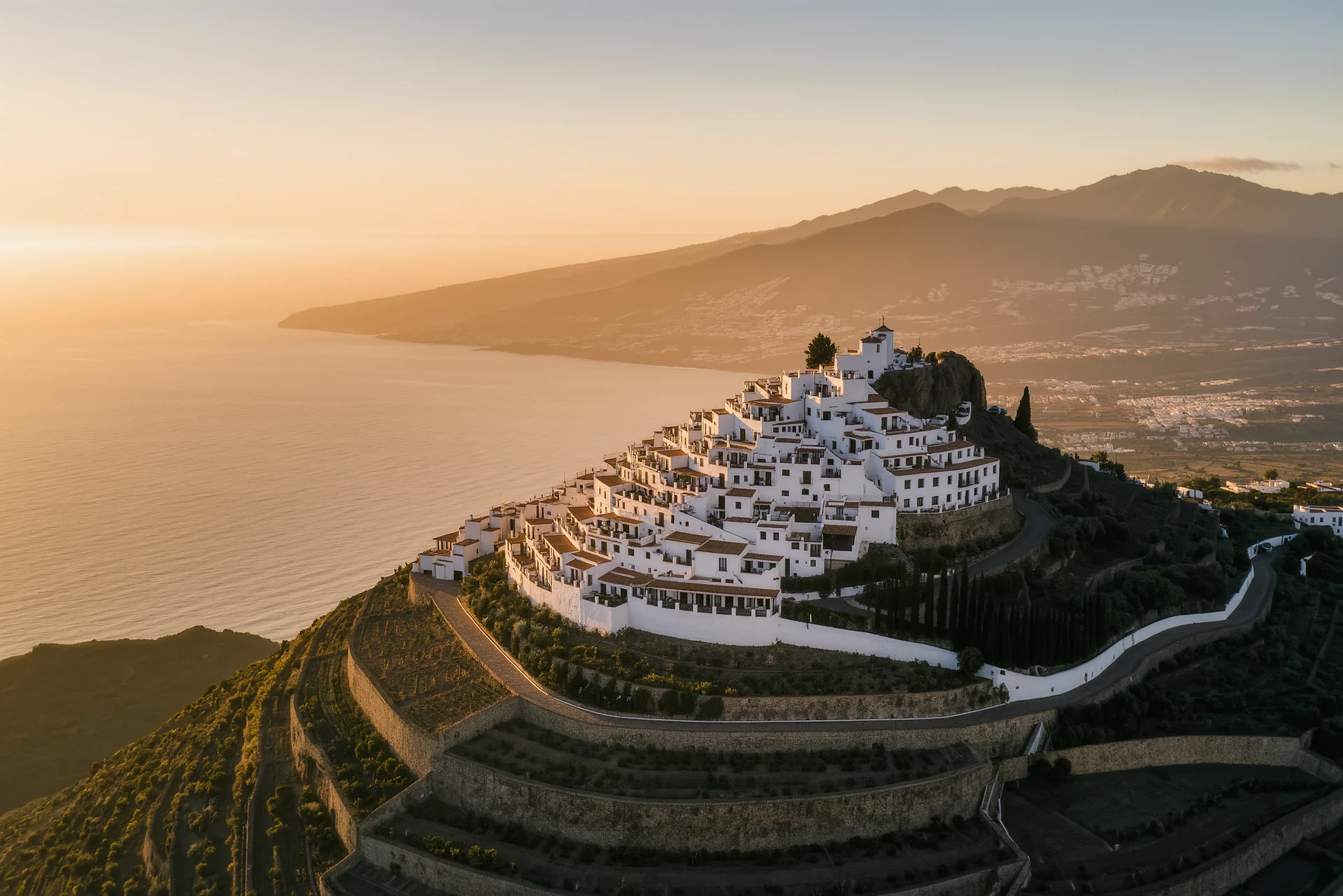
Charming Towns Near Marbella: Exploring the Costa del Sol
Looking for that quintessential Spanish charm beyond the glitz of Marbella? You’re in luck! The Costa del Sol is dotted with genuinely lovely to…

Secret Coves: Costa del Sol’s Hidden Gems
Looking for those tucked-away beaches on the Costa del Sol? While the main playas are great for families and facilities, sometimes you just want a bit…