Exploring Mediterranean Cuisine on the Costa del Sol
So, you’re wondering what kind of food you can expect on the Costa del Sol? In short: fantastic Mediterranean cuisine, with a strong emphasis on fresh seafood, local produce,…

So, you’re wondering what kind of food you can expect on the Costa del Sol? In short: fantastic Mediterranean cuisine, with a strong emphasis on fresh seafood, local produce, and traditional Spanish dishes, all with a delightful Andalusian twist. Think vibrant flavours, healthy ingredients, and a dining experience that’s often as much about the atmosphere as it is about the food.
When you’re on the Costa del Sol, you’re truly in the heart of Mediterranean eating. This isn’t just a buzzword; it’s a way of life, reflected in the ingredients and cooking methods you’ll encounter.
The Bounty of the Sea
Given its coastal location, it’s no surprise that seafood plays a starring role here. You’ll find an incredible variety, all incredibly fresh.
- Esbetos: These are small sardines, often grilled whole over an open fire on “espeto” skewers, a signature dish you absolutely must try. The smoky flavour and crispy skin are unforgettable. You’ll see these being cooked on boats or at beachside chiringuitos, and the smell is intoxicating.
- Gambas al Pil Pil: A classic for a reason. Prawns cooked in sizzling olive oil with garlic and chilli. It’s simple, flavourful, and incredibly moreish. Don’t be shy about dipping your bread in the oil afterwards.
- Fritura Malagueña: This literally translates to “Málaga Fried Fish.” It’s a mixed platter of various local fish and seafood, lightly battered and fried to perfection. Think squid, anchovies, baby octopus, and more. It’s a great way to sample a range of what the sea has to offer.
- Boquerones: These little anchovies are popular here, often served fried (fritos) or marinated in vinegar (en vinagre). Both are delicious and a great tapa option.
From the Land: Greens, Grains & Olives
It’s not all about the sea, though. The fertile Andalusian landscape provides a wealth of fresh produce that forms the backbone of many dishes.
- Tropical Fruits: Thanks to the microclimate, you’ll find an abundance of tropical fruits you might not expect to see in Europe, like avocados, mangoes, and cherimoyas. Many are grown locally and are incredibly sweet and ripe.
- Hortalizas (Vegetables): Think sun-ripened tomatoes, peppers, aubergines, and courgettes. These are often used in simple, flavourful preparations or as accompaniments to main dishes.
- Olive Oil: This goes without saying, but Andalucia is a major olive oil producer. It’s the foundation of almost all cooking here, and you’ll find excellent quality at every turn. Don’t be afraid to ask for extra virgin olive oil for dipping bread.
Beyond Seafood: Traditional Andalusian Delights
While fish is prominent, the Costa del Sol also offers a fantastic array of traditional Andalusian dishes, many with roots in generations of home cooking.
Hearty Main Courses
These dishes offer a deeper dive into the region’s culinary heritage beyond just tapas.
- Paella: While Valencian in origin, paella is widely enjoyed here. You’ll find various iterations, often focused on seafood (Paella de Marisco). Look for places that cook it fresh to order, often in massive pans, for the best experience. Be wary of tourist traps offering instantly ready paella.
- Conejo al Ajillo (Garlic Rabbit): A rustic and flavorful dish, often slow-cooked until tender. The garlic infuses the meat beautifully. If you enjoy richer, more traditional stews, this is one to seek out.
- Plato de los Montes (Mountain Plate): This is a hearty, substantial dish unique to the Montes de Málaga region, just inland from the coast. It typically includes fried eggs, chorizo, lomo (pork loin), peppers, and potatoes. It’s a serious meal, perfect after a day of hiking or for a very hungry stomach.
- Rabo de Toro (Oxtail Stew): Another slow-cooked marvel, where oxtail is braised until it’s falling off the bone in a rich, flavourful sauce, often with red wine and vegetables. It’s a comforting and indulgent dish.
Cold Soups & Salads
When the temperatures rise, these refreshing options are a lifesaver.
- Gazpacho: The famous cold tomato soup. On the Costa del Sol, you’ll find excellent, freshly made gazpacho. It’s vibrant, tangy, and incredibly refreshing. Often served with finely diced vegetables for garnish.
- Ajoblanco: This lesser-known but equally delicious cold soup is made from almonds, garlic, olive oil, water, and bread, often garnished with grapes or melon. It’s creamy, nutty, and surprisingly light. A great alternative to gazpacho.
- Ensalada Malagueña: This isn’t just any salad. It’s a local specialty featuring potatoes, oranges, bacalao (salted cod), olives, and onion, dressed with olive oil. The unexpected combination of flavours is delightful and incredibly refreshing.
The Tapa Culture: A Way of Life
You simply can’t talk about eating on the Costa del Sol without diving into the world of tapas. It’s more than just small plates; it’s a social institution.
How to Tapas Like a Local
Understanding the etiquette and variety of tapas can enhance your experience.
- Bar Hopping: The best way to enjoy tapas is to move from bar to bar, having one or two small dishes and a drink at each. This allows you to sample a wide array of local specialities.
- Free Tapas: In some bars, especially in Málaga city and some smaller towns, you might still find a complimentary tapa with your drink (caña of beer or a glass of wine). This isn’t universal, but it’s a pleasant surprise when it happens.
- Raciones and Media Raciones: If you find a tapa you absolutely love, or you’re sharing with a group, you can often order a “media ración” (half portion) or a “ración” (full portion), which are larger plates designed for sharing, but still casual.
- Variety is Key: Don’t stick to just the familiar. Try different cold and hot tapas. From simple olives and cheese to more elaborate creations, there’s always something new to discover.
Popular Tapas to Try
Keep an eye out for these common and delicious tapas.
- Tortilla de Patatas (Spanish Omelette): A staple everywhere, but a good one here is golden on the outside and wonderfully moist inside, packed with potatoes and sometimes onion.
- Patatas Bravas/Alioli: Fried potato cubes, either with a spicy tomato sauce (bravas) or a garlicky mayonnaise (alioli). Often, you can get them “mixtas” (mixed) with both sauces.
- Croquetas: Creamy béchamel fritters, often filled with jamón (ham), pollo (chicken), or bacalao (cod). Each bar often has its own secret recipe.
- Albondigas: Small meatballs, usually served in a rich tomato sauce or a savoury almond sauce.
- Jamón Serrano/Ibérico: Slices of cured ham. While technically not cooked, it’s a quintessential Spanish tapa. The quality varies, with Ibérico being the highest grade.
- Queso Manchego: A firm, flavorful sheep’s milk cheese, often served with a drizzle of olive oil or some quince paste (membrillo).
Sweet Endings and Local Drinks
No meal is complete without a little something sweet or a refreshing beverage.
Desserts & Pastries
While Spanish desserts tend to be less sweet than some other cultures, there are still plenty of delights.
- Helado (Ice Cream): Especially popular in the warmer months, you’ll find plenty of artisan heladerias (ice cream parlours) with creative and classic flavours.
- Churros con Chocolate: A classic Spanish breakfast or late-night treat. Crispy fried dough sticks served with a thick, rich hot chocolate for dipping. A truly indulgent experience.
- Postres Caseros: Look out for “homemade desserts” on menus. These often include regional specialities like Arroz con Leche (rice pudding), Flan (crème caramel), or Tocino de Cielo (a rich, firm custard made with egg yolks and sugar).
- Pestinos: A traditional Andalusian sweet, especially around holidays, these are thin pastries fried and glazed with honey or sugar.
Local Drinks
Beyond the usual, explore some regional beverages.
- Vino de Málaga: Málaga has its own distinct sweet wines, often fortified. They come in various styles, from dry to intensely sweet. They’re excellent as an aperitif or a digestif.
- Cerveza (Beer): The local beer in Málaga is “Victoria,” a light and refreshing lager perfect for hot days. You’ll also find other Spanish brands like Cruzcampo or San Miguel.
- Tinto de Verano: Literally “summer red wine,” this is red wine mixed with lemonade or a fizzy lemon drink, often served over ice with a slice of lemon. It’s lighter and more refreshing than sangria, and very popular with locals.
- Moscatel (Grape): An intensely sweet and aromatic grape, often used for dessert wines (like some Vino de Málaga) but also sometimes served as a fresh table grape or in juices.
Dining Experiences: From Chiringuitos to High-End
The Costa del Sol offers a spectrum of dining experiences, catering to all tastes and budgets.
Beachside Bliss: Chiringuitos
These informal beach restaurants are a quintessential part of the Costa del Sol experience.
- Casual Atmosphere: Often with tables right on the sand or just off it, chiringuitos are laid-back and perfect for a meal after a swim.
- Fresh Seafood: This is where you’ll find some of the best espetos and fried fish, brought straight from the fishing boats often just hours before.
- Family-Friendly: Many chiringuitos are very welcoming to families, with space for children to play.
Traditional Restaurants & Modern Bistro’s
From rustic charm to contemporary elegance, you’ll find a wide range of restaurant styles.
- Ventorros: These are traditional roadside inns, especially found in the “montes” (mountains) behind the coast. They often serve hearty, rustic Andalusian food, like “Plato de los Montes” or stews. They offer a taste of rural life.
- Modern Spanish Cuisine: In major towns like Marbella and Málaga city, you’ll find restaurants pushing the boundaries of Spanish cuisine, offering innovative interpretations of traditional dishes using high-quality local ingredients.
- Michelin-Starred: Yes, the Costa del Sol also boasts several Michelin-starred restaurants for those seeking a fine dining experience, often blending traditional flavours with avant-garde techniques.
Local Markets & Food Halls
For a truly immersive food experience, explore the local markets.
- Mercado Atarazanas (Málaga City): This stunning market is a feast for the senses. You’ll find incredible displays of fresh produce, seafood, meats, cheeses, and spices. Many stalls have tapas bars where you can enjoy fresh seafood on the spot.
- Smaller Town Markets: Even smaller towns will have their own municipal markets, offering a snapshot of local life and the freshest available produce. It’s a great place to pick up ingredients if you’re self-catering, or just to soak in the atmosphere.
- Gourmet Food Halls: Some areas are seeing the rise of modern food halls, where various vendors offer different gourmet tapas and dishes, often with communal seating. These can be a fun way to try many things under one roof.
Exploring Mediterranean cuisine on the Costa del Sol is an adventure in itself. It’s about savouring the fresh, seasonal ingredients, embracing the social aspect of dining, and discovering the rich culinary traditions of Andalucía. So, come hungry and be prepared to enjoy a truly delicious journey.
FAQs
What is Mediterranean cuisine?
Mediterranean cuisine refers to the foods and methods of preparation that are traditionally found in the countries surrounding the Mediterranean Sea, such as Spain, Italy, Greece, and Morocco. It is known for its emphasis on fresh fruits and vegetables, seafood, olive oil, and whole grains.What are some common ingredients in Mediterranean cuisine?
Common ingredients in Mediterranean cuisine include olive oil, tomatoes, garlic, onions, olives, chickpeas, eggplant, feta cheese, and a variety of fresh herbs such as basil, oregano, and thyme. Seafood, such as fish and shellfish, is also a staple in many Mediterranean dishes.What are some popular dishes in Mediterranean cuisine?
Popular dishes in Mediterranean cuisine include Greek salad, paella, ratatouille, hummus, tabbouleh, falafel, moussaka, and baklava. These dishes often feature a combination of fresh vegetables, grains, and seafood, seasoned with herbs and spices.How is Mediterranean cuisine represented in Costa del Sol?
Costa del Sol, located in the southern region of Spain, is known for its fresh seafood, locally grown fruits and vegetables, and the use of olive oil in cooking. Traditional dishes in the region include gazpacho, pescaíto frito (fried fish), and espetos (grilled sardines), all of which showcase the flavors of Mediterranean cuisine.What are the health benefits of Mediterranean cuisine?
Mediterranean cuisine is known for its health benefits, as it emphasizes the consumption of fresh, whole foods such as fruits, vegetables, whole grains, and lean proteins. The use of olive oil as the primary source of fat also contributes to the heart-healthy nature of the diet. Studies have shown that following a Mediterranean diet can reduce the risk of heart disease, stroke, and certain types of cancer.More from Fine Dining
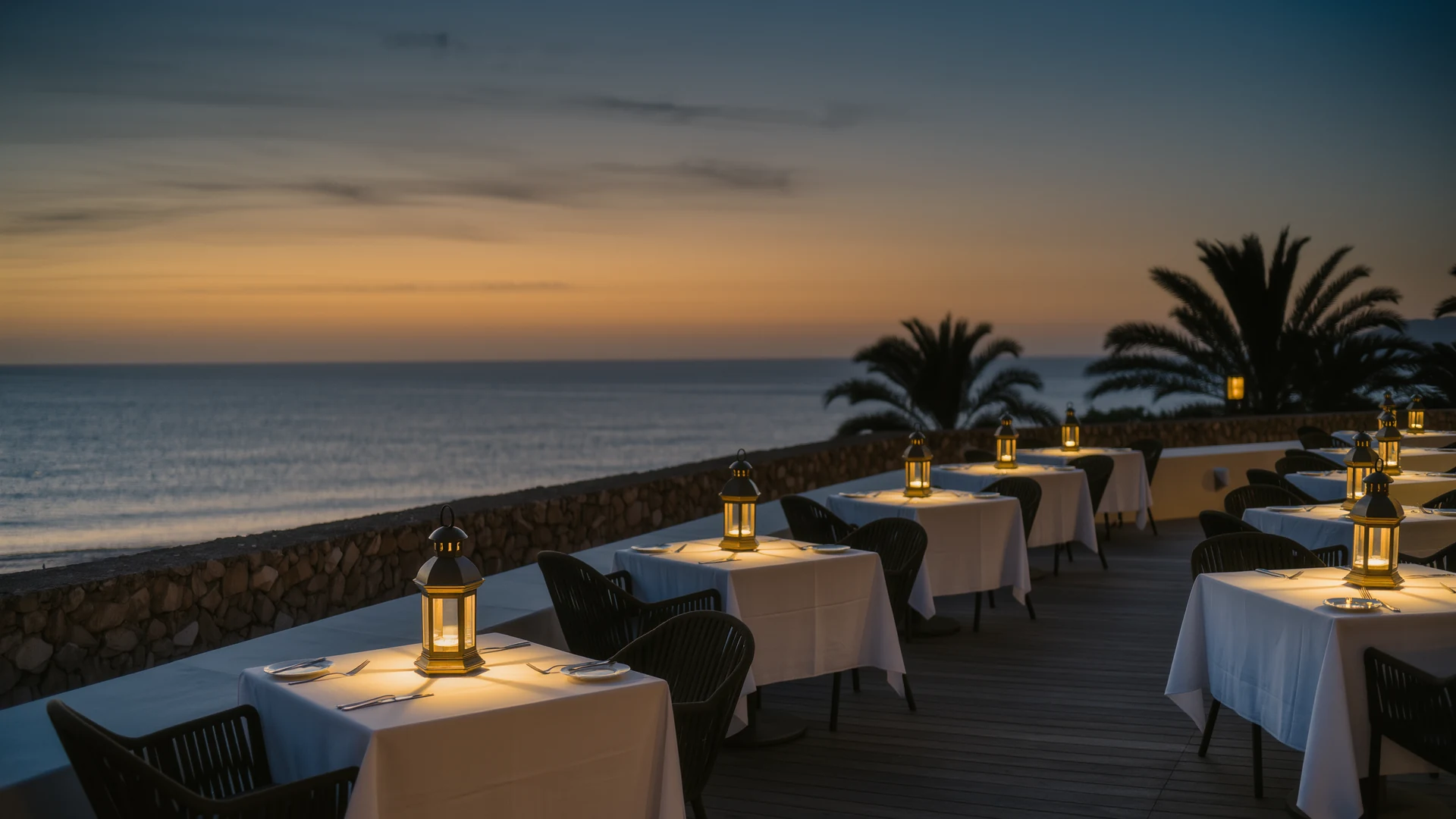
Costa del Sol Gastronomy Guide
Costa del Sol gastronomy guide: discover Málaga’s Michelin stars, espeto chiringuitos, tapas crawls, food markets, and sweet Málaga wines across…
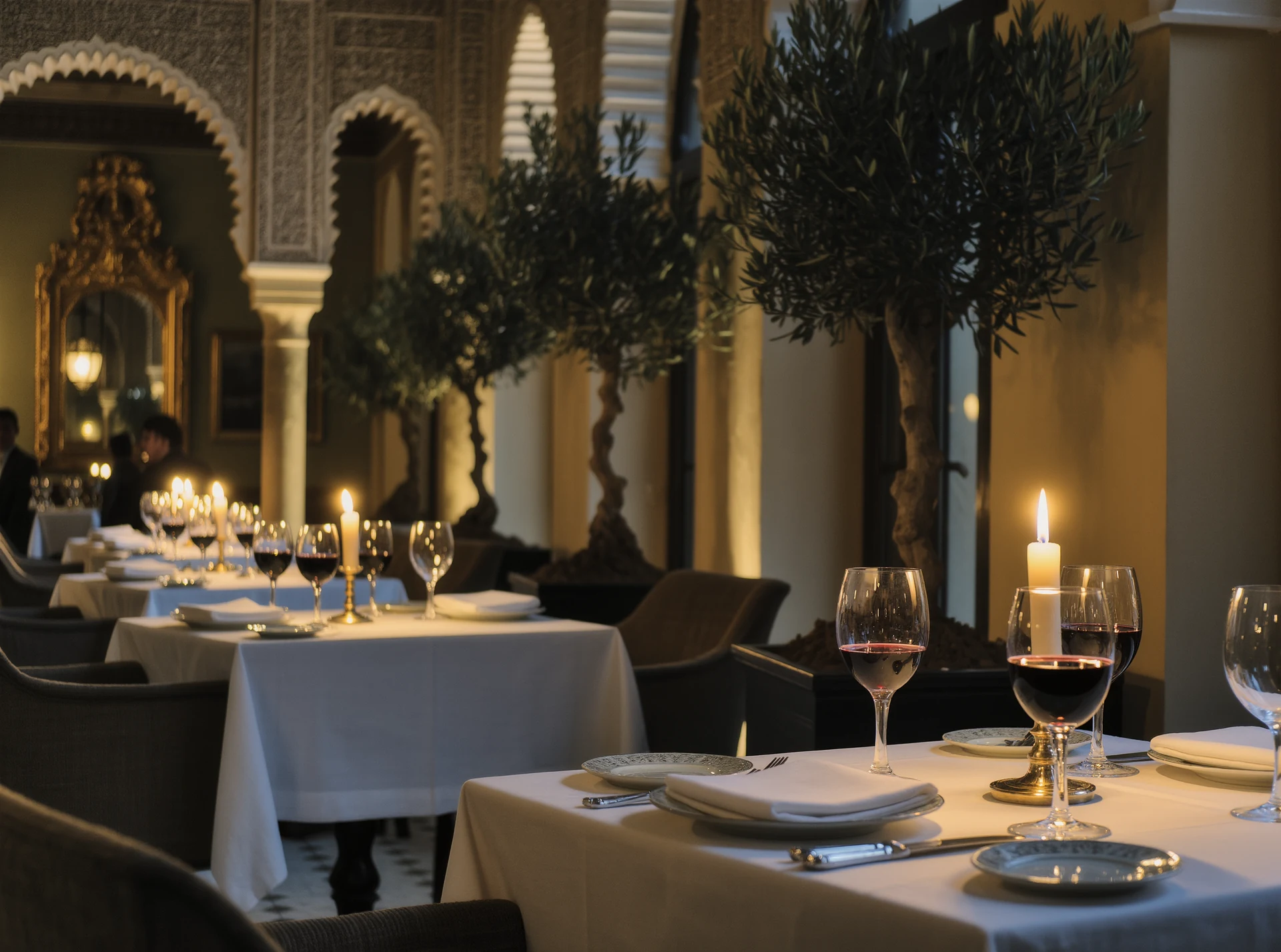
Indulge in Luxury Gastronomy: Spain’s Culinary Delights
You’re probably here because you’re wondering what “luxury gastronomy” in Spain actually means. Simply put, it’s about e…
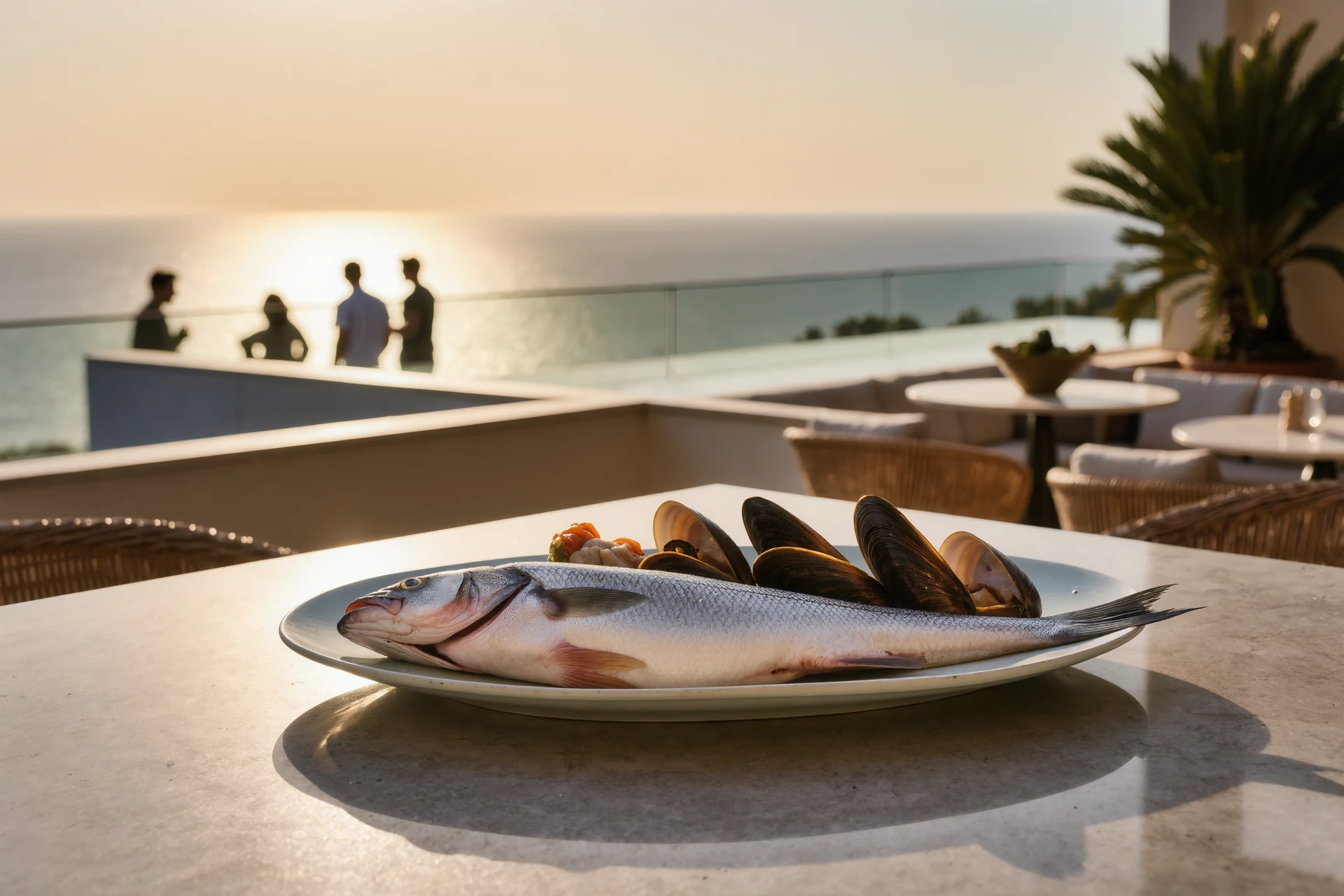
Top Seafood Restaurants on the Costa del Sol
If you’re wondering where to find incredible seafood on the Costa del Sol, you’re in luck. This stretch of coastline is renowned for its f…