Exploring Mediterranean Culture in Spain
Dreaming of Spain? You’re probably imagining sun-drenched beaches, delicious tapas, and a lively atmosphere. That’s a big part of it, but Spain’s Mediterranean culture is so much m…
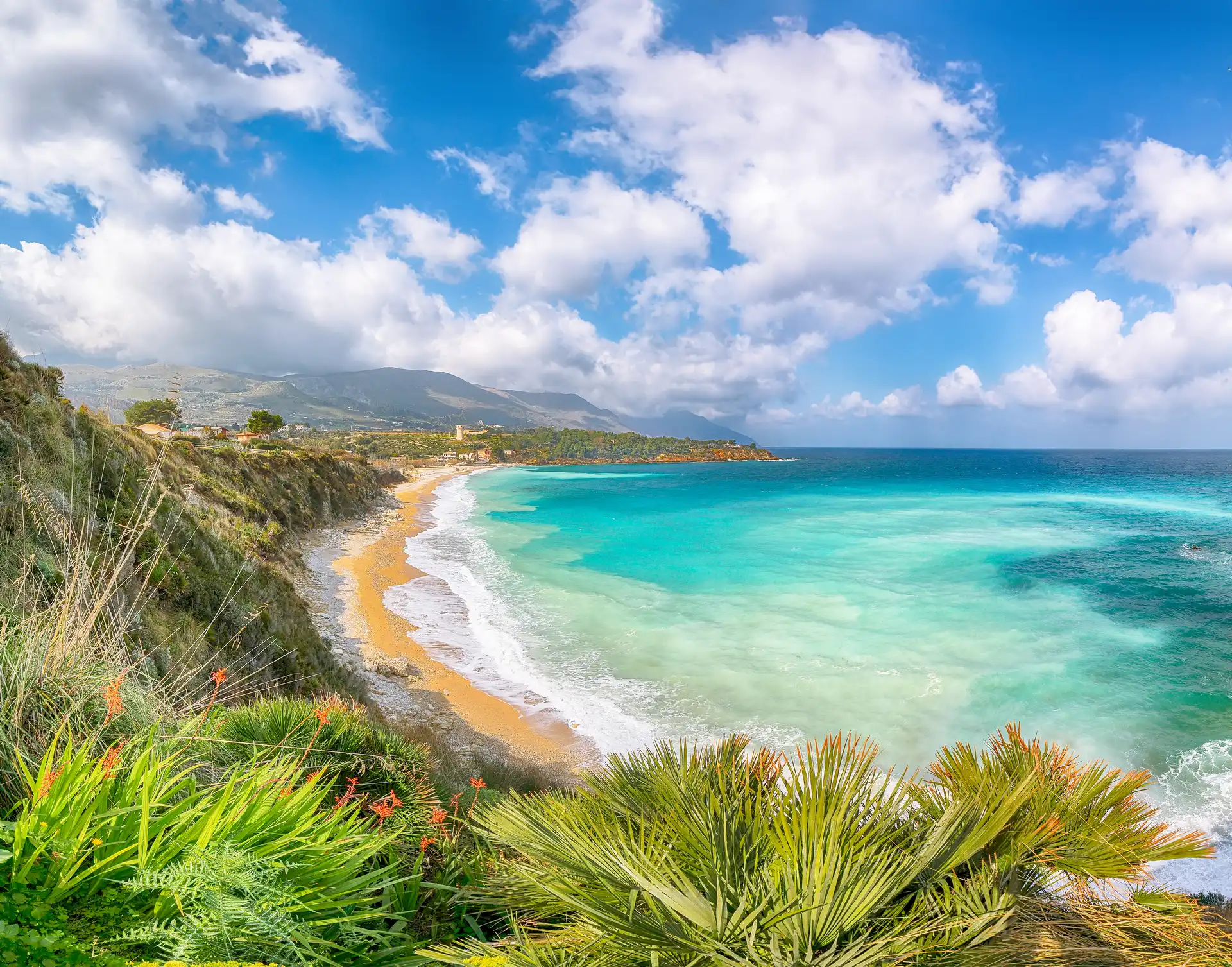
Dreaming of Spain? You’re probably imagining sun-drenched beaches, delicious tapas, and a lively atmosphere. That’s a big part of it, but Spain’s Mediterranean culture is so much more than a postcard. Let’s dive into what makes this corner of Spain so special. It’s a blend of history, art, food, and a really distinct way of life that’s deeply rooted in its coastal location and long past.
At its core, Mediterranean culture in Spain is about slowing down and enjoying the good things. It’s less about rushing through life and more about savoring moments. You’ll see it in the way people interact, the importance they place on family and friends, and the rhythm of their day.
Siesta: More Than Just a Nap
Forget the stereotype of everyone napping for hours. While the traditional midday break still exists, especially in smaller towns, it’s evolved. It’s become more about a pause in the day, a time for lunch, a chat, or maybe a short rest before the evening kicks in. Many businesses, especially in larger cities, now stay open. The essence is that it’s a break from the intense work schedule, allowing for a more balanced day.
The Social Fabric: Strong Bonds and Community
Family is paramount in Spain, and this extends to a broader sense of community. Neighbors often know each other well, and there’s a genuine sense of looking out for one another. This is particularly true in the more traditional Mediterranean towns and villages.
Family Gatherings and Traditions
Sunday lunches are often a big family affair, a time to reconnect and share stories. These gatherings aren’t just meals; they’re the glue that holds families together and keeps traditions alive. You might find generations gathered around a table, sharing classic dishes passed down through the years.
Local Festivals and Celebrations
Every town and village has its own patron saint festivals, usually held in the summer or early autumn. These aren’t just excuses for a party, they are deeply ingrained cultural events. They involve processions, music, dancing, often fireworks, and a strong sense of collective identity. Participating in one of these, even as an observer, gives you a real taste of local life.
A Culinary Journey Along the Coast
Spanish Mediterranean cuisine is world-renowned, and for good reason. It’s fresh, flavorful, and heavily influenced by the bounty of the sea and the region’s fertile land. It’s not just about eating; it’s about the social experience of sharing food.
The Pillars of Mediterranean Diet
- Olive Oil: This is the undisputed king. Used for cooking, dressing, and even as a finishing touch, it’s central to almost every dish. The quality varies greatly, and tasting locally produced oils is an experience in itself.
- Fresh Seafood: Being on the coast means an abundance of incredible seafood. From grilled sardines to paella loaded with prawns and mussels, the ocean’s harvest is a daily staple.
- Fruits and Vegetables: The warm climate yields an incredible array of produce. Tomatoes, peppers, zucchini, eggplant, citrus fruits, they all find their way into countless dishes, providing freshness and vibrant color.
- Legumes: Lentils, chickpeas, and beans are common, providing hearty and nutritious additions to stews and salads.
- Herbs and Spices: Fresh parsley, rosemary, thyme, and saffron add complexity and fragrance to dishes.
Iconic Dishes You Must Try
- Paella: While originating from Valencia, paella is beloved throughout the Spanish Mediterranean. The classic Valenciana includes chicken, rabbit, and green beans, but seafood paella is also incredibly popular.
- Tapas: More than just small plates, tapas are a way of life. They are small portions of various dishes, perfect for sharing and trying a wide range of flavors with friends. Think patatas bravas, gambas al ajillo (garlic shrimp), and jamón ibérico.
- Gazpacho and Salmorejo: These cold tomato-based soups are perfect for hot summer days. Gazpacho is a thinner, more blended soup, while Salmorejo is thicker, often garnished with ham and egg.
- Fideuà: A cousin to paella, but made with short noodles instead of rice. It’s often prepared with a rich seafood broth.
- Arroz a Banda: Another rice dish, typically cooked in a rich fish broth and served separately from the seafood.
The Ritual of Tapas
Going for tapas isn’t just about grabbing a quick bite; it’s a social event. It typically involves hopping between bars, enjoying a drink (like local wine, vermouth, or a small beer), and sampling a few small dishes at each. It’s a leisurely way to dine and converse, often leading into the late evening.
Understanding the Tapas Culture
The concept of ‘tapeo’, the act of going for tapas, is deeply ingrained. It’s a fantastic way to experience different establishments and try a variety of flavors without committing to a full meal. Each bar often has its own specialties, so exploring is key.
A Legacy of Art and Architecture
The Mediterranean coast of Spain boasts a rich artistic and architectural heritage, shaped by millennia of different cultures. From Roman ruins to avant-garde masterpieces, there’s a visual feast waiting around every corner.
Moorish Influences: A Lasting Impression
The centuries-long Moorish presence in Spain has left an indelible mark, particularly in Andalusia. Their architectural styles, characterized by intricate geometric patterns, horseshoe arches, and tranquil courtyards, are still evident in many cities.
Examples: Alhambra and Mezquita
While not strictly on the Mediterranean coast, the Alhambra in Granada and the Mezquita in Cordoba are prime examples of this legacy, influencing later styles across southern Spain and beyond. You’ll find echoes of this in smaller, more intimate courtyards and detailing in coastal towns.
The Catalan Modernisme Movement
Up in Catalonia, the late 19th and early 20th centuries saw a burst of artistic innovation known as Modernisme. Antoni Gaudí is its most famous exponent, with his whimsical and organic designs adorning Barcelona, like the Sagrada Familia and Park Güell.
Gaudí’s Masterpieces in Barcelona
Gaudí’s work is unmistakably Mediterranean in its use of vibrant color, natural forms, and light. His buildings feel alive, almost as if they’ve grown from the earth. Barcelona is a city that truly showcases this unique artistic movement.
Contemporary Art Scenes
Beyond historical sites, many coastal cities have thriving contemporary art scenes. Galleries, street art installations, and vibrant cultural centers showcase the evolving artistic landscape of Spain.
Museums and Galleries
From the Reina Sofía Museum in Madrid (though inland, it’s a national treasure) to regional art museums and smaller independent galleries along the coast, there’s ample opportunity to engage with Spanish art, both historical and contemporary.
The Mediterranean Pace of Life
Life on the Spanish Mediterranean is characterized by a relaxed rhythm that prioritizes enjoying the present moment. It’s about finding balance and appreciating the simple pleasures.
The Importance of Leisure Time
Work is important, but it’s not the sole focus of life. The emphasis is on striking a balance between professional obligations and personal well-being. This means valuing time spent with loved ones, pursuing hobbies, or simply relaxing.
Afternoon Rest and Evening Strolls
The traditional ‘siesta’ might be adapting, but the idea of a pause in the day remains. Evenings are often dedicated to social activities, from leisurely walks (paseos) to meeting friends for drinks and conversation.
Embracing the Outdoors
The climate lends itself perfectly to an outdoor lifestyle. Beaches, parks, and bustling town squares become extensions of people’s living rooms. You’ll see people gathering, chatting, and enjoying the sunshine well into the evening.
Beach Culture and Coastal Activities
The beach is more than just a place for swimming; it’s a social hub. Families gather, friends play games, and people simply enjoy the sea breeze. Water sports, from paddleboarding to sailing, are also popular.
Plaza Life: The Heart of the Community
Town squares, or ‘plazas,’ are the social epicenters of Spanish life, especially in Mediterranean towns. They are where you’ll find people of all ages socializing, children playing, and often the local market or a lively café.
Beyond the Beaches: Exploring Inland Treasures
While the coast draws many with its allure, venturing inland reveals a different facet of Mediterranean Spain, where stunning landscapes and even more deeply rooted traditions await.
Rural Landscapes and Agricultural Heritage
The interior of many Mediterranean regions is characterized by rolling hills, olive groves, vineyards, and traditional farming villages. This is where you’ll find the source of much of the delicious produce that graces the Mediterranean table.
Olive Groves and Wine Regions
Regions like Catalonia and parts of Andalusia are known for their vineyards, producing excellent wines. The ancient practice of olive cultivation is also a cornerstone of the economy and culture. Visiting an olive oil producer or a winery offers a glimpse into centuries-old agricultural practices.
Mountain Villages and Natural Parks
Away from the coast, charming mountain villages offer a slower pace of life and breathtaking scenery. These areas are often protected by natural parks, providing opportunities for hiking and exploring unspoiled environments.
Hiking and Nature Trails
Spain is crisscrossed with hiking trails, from coastal paths to mountain routes. Exploring these offers a chance to connect with the natural beauty of the region and discover hidden coves or remote viewpoints.
Historical Towns and Castles
Many inland areas are dotted with historical towns and well-preserved castles, remnants of a turbulent past. These sites offer a deeper understanding of Spain’s complex history and its strategic importance.
Medieval Architecture and Local History
Exploring these towns is like stepping back in time. You can wander through narrow cobblestone streets, admire medieval architecture, and learn about the local legends and historical events that shaped the region.
Language and Communication: More Than Just Spanish
While Castilian Spanish is the official language, the Mediterranean coast is a region of linguistic diversity, with distinct regional languages adding another layer to the cultural tapestry.
Catalan: A Language of Identity
In Catalonia, including Barcelona, the primary language is Catalan. It’s not a dialect of Spanish, but a distinct Romance language with its own grammar and vocabulary. While most Catalans are bilingual in Spanish and Catalan, understanding the importance of Catalan is key to appreciating the region’s identity.
Catalan Literature and Culture
Catalan has a rich literary tradition and a vibrant cultural scene. From poetry to contemporary novels, the language is actively used and celebrated, reflecting a strong sense of regional pride.
Valencian: A Related Language
In the Valencian Community, the language is often referred to as Valencian, which shares many similarities with Catalan. It’s also a language with a long history and a significant cultural presence.
The Importance of Regional Dialects
Even within Spanish, there are regional variations and accents that reflect the local culture. Paying attention to these nuances can enhance your understanding and connection with the people you encounter.
Non-Verbal Communication and Gestures
Beyond spoken words, Mediterranean culture places a high value on non-verbal communication. Gestures, facial expressions, and body language play a significant role in conversations. Spaniards tend to be more expressive and animated in their communication.
The Art of Conversation
Conversations can be lively and passionate, often involving overlapping speech and enthusiastic gestures. It’s a reflection of the open and sociable nature of the people. Don’t be afraid to engage; a genuine interest in communicating will be appreciated.
Learning Basic Phrases
While English is spoken in tourist areas, learning a few basic phrases in Spanish, and perhaps even a few in Catalan if you’re in that region, can go a long way. Simple greetings, thank you, and please are always well-received and open doors to more authentic interactions.
By understanding these elements: the relaxed pace, the emphasis on community, the incredible food, and the rich artistic heritage, you can begin to truly explore and appreciate the unique Mediterranean culture of Spain. It’s a journey of discovery that rewards with warmth, flavor, and unforgettable experiences.
FAQs
What is Mediterranean culture?
Mediterranean culture refers to the customs, traditions, and way of life of the countries surrounding the Mediterranean Sea. It is characterized by a focus on family, community, and a relaxed lifestyle, as well as a love for food, music, and outdoor activities.What are some key elements of Spanish Mediterranean culture?
Some key elements of Spanish Mediterranean culture include a strong emphasis on family and community, a love for siestas (afternoon naps), a rich culinary tradition featuring dishes like paella and tapas, vibrant festivals and celebrations, and a laid-back approach to life.How does the Mediterranean climate influence Spanish culture?
The Mediterranean climate, characterized by hot, dry summers and mild, wet winters, has a significant impact on Spanish culture. It influences everything from the types of crops grown to the outdoor lifestyle enjoyed by many Spaniards, as well as the architecture and design of buildings.What role does food play in Spanish Mediterranean culture?
Food plays a central role in Spanish Mediterranean culture, with a focus on fresh, locally sourced ingredients and communal dining experiences. Meals are often enjoyed slowly and with family and friends, and traditional dishes like paella, gazpacho, and churros are an integral part of the culinary tradition.How does Spanish Mediterranean culture influence daily life?
Spanish Mediterranean culture influences daily life in Spain by promoting a relaxed and leisurely pace, a strong sense of community and family, a love for outdoor activities and socializing, and a deep appreciation for art, music, and food.More from Mediterranean Lifestyle
Costa del Sol Family Guide
Costa del Sol family guide: the best towns, international schools, healthcare, childcare costs, kids’ attractions and rainy-day ideas for famili…
Costa del Sol Living Guide 2026
Costa del Sol Living Guide 2026: zones, cost of living, healthcare, schools, visas and property prices from Marbella to Nerja for your move to souther…
Top 5 Best Places to Live on the Costa del Sol
Thinking about making the move to the Costa del Sol? Smart choice! It’s a fantastic part of Spain with a lot to offer. But with so many beautifu…