Exploring Mediterranean Marine Life
The Mediterranean Sea is a fascinating place, teeming with a surprising variety of marine life despite its relatively small size and history of human impact. If you’re wonder…
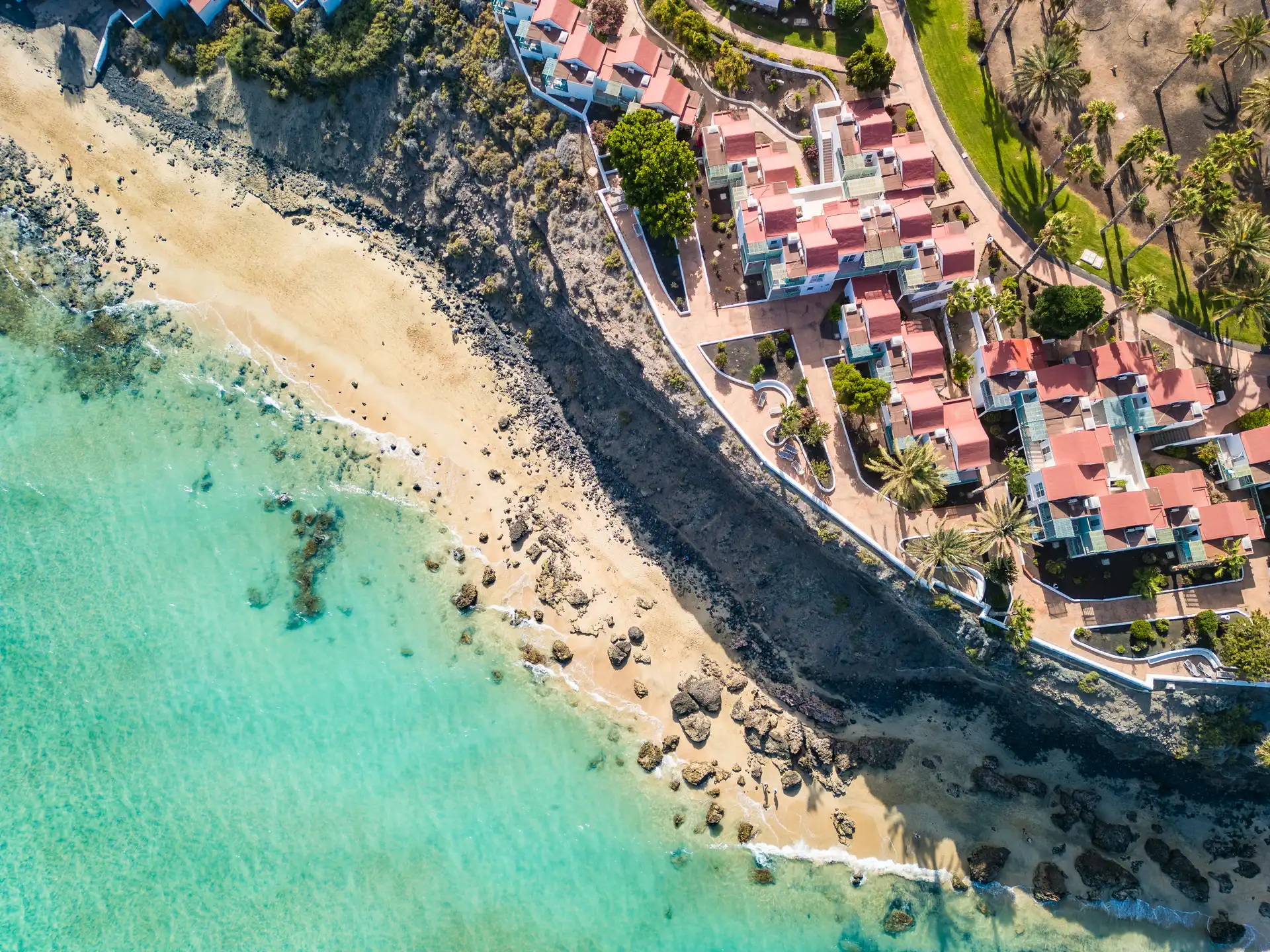
The Mediterranean Sea is a fascinating place, teeming with a surprising variety of marine life despite its relatively small size and history of human impact. If you’re wondering what kind of creatures call this azure water home, you’ll find everything from playful dolphins and majestic whales to vibrant corals, ancient sea turtles, and countless fish, mollusks, and crustaceans. It’s a truly diverse ecosystem, and understanding what lives here not only enhances our appreciation for the sea but also highlights the importance of its conservation.
The Mediterranean Sea isn’t just a big bathtub; it’s a semi-enclosed basin with some distinct features that shape its marine inhabitants. Its connection to the Atlantic through the Strait of Gibraltar is crucial, as is its history of rising and falling sea levels which has impacted its biodiversity over millennia.
Salinity and Temperature Variations
Unlike the open ocean, the Mediterranean experiences significant variations in salinity. Due to high evaporation rates and limited freshwater input in some areas, surface waters tend to be saltier. Deeper waters are generally cooler and more stable. These gradients influence where certain species can thrive. For instance, some hardy species are more tolerant of higher salinity, while others prefer the more stable conditions found at depth.
Habitat Diversity
From rocky shorelines and sandy bottoms to seagrass meadows and deep-sea canyons, the Mediterranean offers a patchwork of habitats. This variety is key to supporting its rich biodiversity. A shallow seagrass bed, for example, acts as a nursery for many fish species, providing food and shelter from predators. In contrast, the nutrient-rich waters around deep-sea hydrothermal vents support entirely different and often unique communities of organisms, adapted to extreme conditions.
Impact of Human Activities
Unfortunately, the Mediterranean has felt the heavy hand of human activity for centuries. Fishing pressure, pollution from coastal development and shipping, and the introduction of invasive species have all taken their toll. Understanding these impacts is crucial for appreciating the challenges marine life faces and the urgency of conservation efforts. For instance, ghost fishing nets, abandoned fishing gear, continue to trap and kill marine life long after they’ve been discarded.
Iconic Mediterranean Marine Mammals
When we think of marine life, many of us picture the larger, more charismatic animals. The Mediterranean has its fair share of these, from agile dolphins to the behemoths of the deep.
Dolphins: Playful Residents
Several species of dolphins call the Mediterranean home. The most commonly spotted is the bottlenose dolphin (Tursiops truncatus), known for its intelligence and social behavior. You might see them playing in boat wakes or hunting in cooperative groups. Another frequent sight is the striped dolphin (Stenella coeruleoalba), recognizable by its distinctive stripes, often found further offshore in deeper waters. Less common but still present are the Risso’s dolphin (Grampus griseus), which has a more robust body and often pale, scarred skin, and the common dolphin (Delphinus delphis), though its numbers have declined significantly in recent decades. These highly social animals communicate through clicks and whistles, navigating their environment with remarkable precision.
Whales: Gentle Giants
While not as famous for whales as some other oceans, the Mediterranean hosts several impressive cetaceans. The undisputed giant is the fin whale (Balaenoptera physalus), the second-largest animal on Earth. They are migratory, entering the Mediterranean (especially the Ligurian Sea and Strait of Messina) to feed, often on krill. Other species include the reclusive Cuvier’s beaked whale (Ziphius cavirostris), a deep diver that’s rarely seen, and the smaller sperm whale (Physeter macrocephalus), known for its massive head and deep-diving capabilities in pursuit of squid. While sightings are less frequent than dolphins, the presence of these magnificent creatures underscores the rich biodiversity of the Mediterranean’s deeper waters.
Unraveling the World of Mediterranean Fish
Fish form the backbone of the Mediterranean’s marine ecosystem, from the tiniest gobies to commercially important tuna. Their diversity is astounding, reflecting the varied habitats they occupy.
Coastal Dwellers and Reef Fish
Near the coast, especially around rocky areas and seagrass beds, you’ll encounter a vibrant array of species. Damselfish (like the Chromis chromis) dart amongst the rocks, often in large schools. Groupers (Epinephelus spp.), often solitary and territorial, are apex predators in these coastal habitats, ambushing their prey from crevices. The parrotfish (Sparisoma cretense) is another common sight, grazing on algae with their beak-like teeth, playing a crucial role in maintaining healthy reef ecosystems. You’ll also spot various wrasses, sea breams, and blennies, each with unique adaptations for their niche.
Pelagic Wonders: Open Ocean Fish
Further offshore, in the open blue water, a different set of species dominates. The Mediterranean is a vital transit and feeding ground for tuna species, especially the highly prized bluefin tuna (Thunnus thynnus). These powerful, fast-swimming predators migrate vast distances, and their presence highlights the connectivity of marine ecosystems across the globe. Other pelagic fish include speedy swordfish (Xiphias gladius), recognizable by their long, flattened bill, and various species of mackerel and sardines, often forming large schools that are a critical food source for larger predators.
Deep-Sea Enigmas
The Mediterranean’s deep-sea trenches are home to mysterious and fascinating creatures adapted to life in eternal darkness and immense pressure. While less visible to the average diver or boater, these ecosystems are incredibly important. Here, you’ll find bioluminescent fish that create their own light, often to attract prey or mates, and bizarrely shaped organisms with specialized feeding mechanisms. Research into these deep-sea environments is ongoing, continually revealing new species and ecological complexities.
The Reptiles and Invertebrates of the Mediterranean
Beyond the fish and mammals, a wealth of other creatures, from ancient reptiles to countless invertebrates, play vital roles in the Mediterranean ecosystem.
Sea Turtles: Ancient Mariners
The Mediterranean is a crucial habitat for several species of sea turtles, which have been navigating these waters for millions of years. The most common is the loggerhead sea turtle (Caretta caretta), easily identified by its reddish-brown shell and large head. They nest on sandy beaches throughout the Mediterranean, with Greece, Turkey, and Cyprus being particularly important nesting grounds. Less common but still present are the beautiful green sea turtle (Chelonia mydas), primarily herbivorous, and the critically endangered leatherback sea turtle (Dermochelys coriacea), the largest of all sea turtles, known for its leathery shell and deep-diving abilities. All sea turtles face threats from plastic pollution, fishing gear entanglement, and habitat loss, making conservation efforts critical.
Corals: Colorful Architects
While the Mediterranean doesn’t boast the extensive tropical coral reefs found elsewhere, it has its own unique and diverse coral communities. The red coral (Corallium rubrum) is particularly iconic, prized for centuries for its beauty, but also sadly overharvested. These slow-growing, fragile colonies create intricate structures that provide habitat for a myriad of other species. You’ll also find various species of gorgonian corals (sea fans), soft corals, and even some deep-water cold-water corals that thrive in the colder, dark conditions far below the surface. These coral ecosystems are vital biodiversity hotspots, forming the structural basis of many marine communities.
Mollusks and Crustaceans: The Unsung Heroes
The seabed and rocky crevices are teeming with an incredible array of mollusks (snails, clams, octopuses) and crustaceans (crabs, lobsters, shrimp). Look closer, and you’ll find octopus (Octopus vulgaris) cleverly camouflaged against rocks, or the graceful movements of cuttlefish (Sepia officinalis) changing color to blend in. Various species of sea snails graze on algae, while clams and mussels filter feed, playing a critical role in water purification. The noble pen shell (Pinna nobilis), an enormous clam, is an endangered Mediterranean endemic, vital to seagrass ecosystems but severely impacted by disease outbreaks. Among crustaceans, you’ll see crabs scuttling across the bottom, often hiding in crevices, and various species of shrimp. These invertebrates form much of the food web, supporting everything from small fish to large marine mammals.
Conservation Challenges and Efforts
The Mediterranean Sea, despite its beauty and biodiversity, faces significant threats. Understanding these challenges and the ongoing efforts to address them is crucial for its future.
Overfishing and Destructive Fishing Practices
One of the most pressing issues is overfishing. For many decades, fishing pressure has exceeded sustainable limits, leading to declines in fish stocks and impacting the entire food web. Destructive practices like bottom trawling can also damage sensitive habitats like seagrass meadows and coral beds. Efforts are being made to establish Marine Protected Areas (MPAs), implement fishing quotas, and promote sustainable fishing methods, but enforcement and compliance remain challenges.
Pollution: A Persistent Problem
From plastic bags and microplastics to industrial effluents and agricultural runoff, pollution is a pervasive threat. Plastics, in particular, are a visible and growing problem, ingested by marine animals and breaking down into microplastics that enter the food chain. Chemical pollution can also accumulate in marine organisms, with potentially harmful effects on their health and reproduction. Reducing plastic use, improving waste management, and regulating industrial discharges are critical steps.
Climate Change and Habitat Loss
Rising sea temperatures, ocean acidification, and changes in currents due to climate change are already impacting Mediterranean marine life. Coral bleaching events, shifts in species distribution, and impacts on reproductive cycles are becoming more frequent. Habitat loss, largely due to coastal development, also reduces critical breeding and feeding grounds. Restoring damaged habitats, protecting existing ones, and mitigating climate change at a global level are essential.
Invasive Species
The opening of the Suez Canal has led to the influx of numerous Lessepsian migrants, species from the Red Sea that have colonized the Mediterranean. While some integrate without major issues, others become invasive, outcompeting native species, altering ecosystems, and sometimes causing economic damage. Monitoring these species and understanding their impacts is an ongoing challenge for marine biologists and conservationists alike.
In conclusion, the Mediterranean Sea is a treasure trove of marine biodiversity, from the smallest invertebrates to the largest whales. Its unique characteristics and long history of human interaction have shaped an ecosystem that is both resilient and vulnerable. Exploring its depths reveals a complex web of life, reminding us of the urgent need for continued conservation efforts to protect this invaluable natural heritage for future generations.
FAQs
What is the biodiversity of the Mediterranean sea?
The Mediterranean sea is home to a rich and diverse array of marine life, including over 7,000 known species of plants and animals. This includes a wide variety of fish, crustaceans, mollusks, and other marine organisms.What are some iconic species found in the Mediterranean sea?
Some iconic species found in the Mediterranean sea include the Mediterranean monk seal, loggerhead sea turtle, bluefin tuna, and the common dolphin. These species are important to the ecosystem and are often the focus of conservation efforts.What are the major threats to Mediterranean sea life?
Mediterranean sea life faces a range of threats, including overfishing, habitat destruction, pollution, and climate change. These threats can have a significant impact on the health and stability of marine ecosystems in the region.What conservation efforts are in place to protect Mediterranean sea life?
Several conservation efforts are in place to protect Mediterranean sea life, including the establishment of marine protected areas, sustainable fishing practices, and efforts to reduce pollution and mitigate the impacts of climate change. These efforts are aimed at preserving the biodiversity and health of the Mediterranean sea.How can individuals help protect Mediterranean sea life?
Individuals can help protect Mediterranean sea life by supporting sustainable seafood choices, reducing their use of single-use plastics, participating in beach clean-ups, and supporting organizations and initiatives focused on marine conservation in the region. By making conscious choices and advocating for the protection of marine ecosystems, individuals can contribute to the preservation of Mediterranean sea life.More from Mediterranean Lifestyle

Costa del Sol Family Guide
Costa del Sol family guide: the best towns, international schools, healthcare, childcare costs, kids’ attractions and rainy-day ideas for famili…

Costa del Sol Living Guide 2026
Costa del Sol Living Guide 2026: zones, cost of living, healthcare, schools, visas and property prices from Marbella to Nerja for your move to souther…

Top 5 Best Places to Live on the Costa del Sol
Thinking about making the move to the Costa del Sol? Smart choice! It’s a fantastic part of Spain with a lot to offer. But with so many beautifu…