Exploring Spanish Gourmet Restaurants: A Culinary Adventure
Dreaming of a Spanish culinary escape? You’re in luck! Exploring Spanish gourmet restaurants is absolutely achievable without breaking the bank or needing a private jet. It…
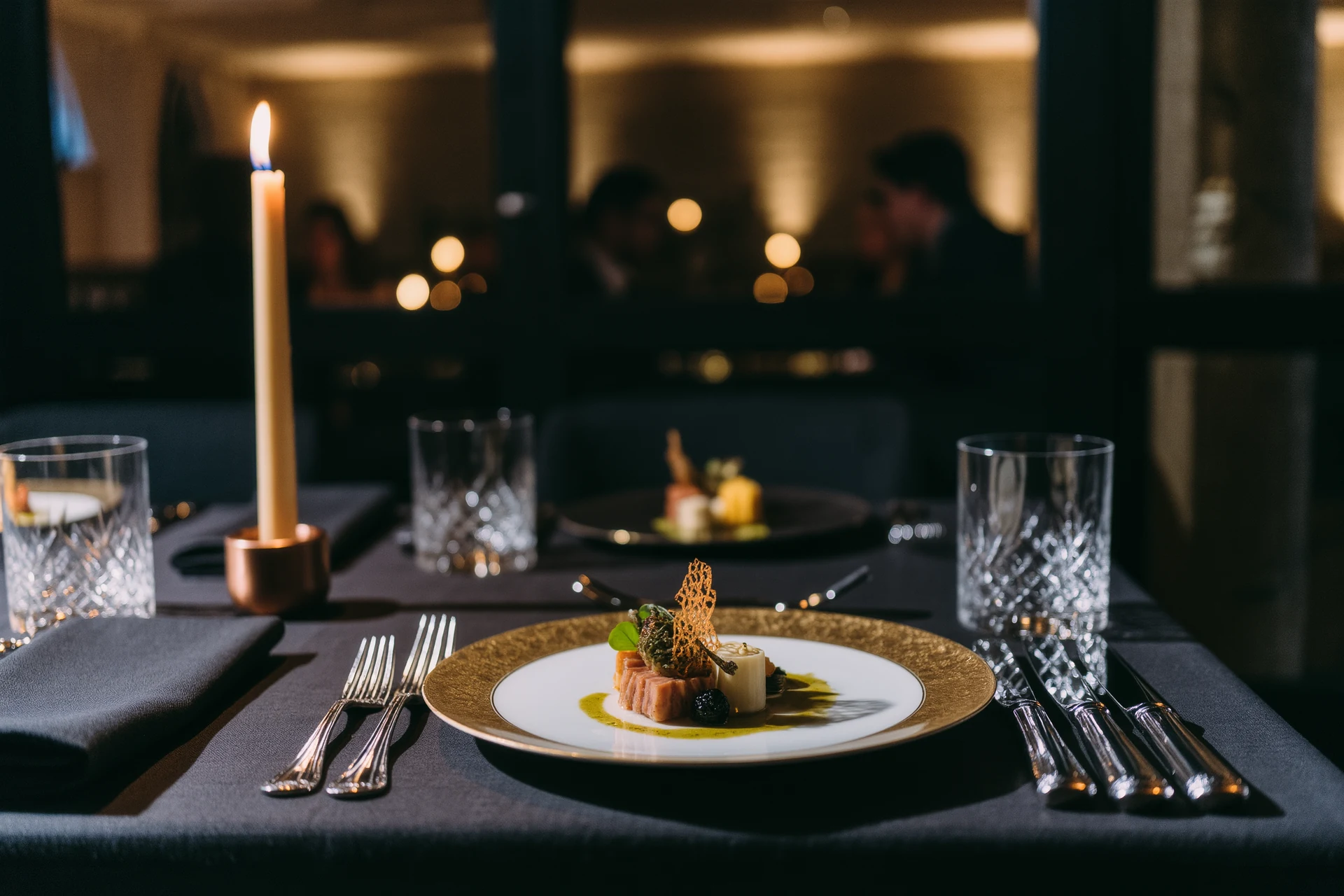
Dreaming of a Spanish culinary escape? You’re in luck! Exploring Spanish gourmet restaurants is absolutely achievable without breaking the bank or needing a private jet. It’s all about smart planning and knowing where to look. Think of it as a delicious treasure hunt for incredible flavors and experiences that often go beyond the expected.
The Foundation: Understanding “Gourmet” in Spain
When we talk about “gourmet” in Spain, it’s not always about white tablecloths and tiny portions, though those exist. More often, it’s about a deep respect for ingredients, traditional techniques elevated with modern flair, and a passion for creating memorable dishes. It’s about tasting the essence of Spain, whether that’s the brine of the sea, the earthiness of a mountain vegetable, or the vibrant zest of a citrus fruit.
Beyond Michelin Stars: What Truly Defines Spanish Gourmet
While Michelin stars certainly point to excellence, they aren’t the only indicator of a great gourmet experience. Many smaller, family-run establishments and even some modern tapas bars are pushing culinary boundaries. It’s about quality, innovation, and a genuine love for food that shines through.
Focusing on Fresh, Seasonal Produce
A hallmark of Spanish gourmet cuisine is its grounding in fresh, seasonal ingredients. Chefs often build their menus around what’s currently available at the local market. This means flavors are at their peak, and the dishes feel alive.
Embracing Regional Diversity
Spain is a tapestry of distinct culinary regions, each with its own specialties, ingredients, and cooking styles. A truly gourmet adventure will involve exploring these differences, from the seafood heavens of the north to the rich stews of the interior.
Planning Your Spanish Culinary Journey: Practical Steps
Embarking on a gourmet food trip in Spain requires a bit of forethought, but it’s far from overwhelming. This isn’t about rigid itineraries; it’s about creating opportunities to discover deliciousness.
Choosing Your Destinations Wisely
While Madrid and Barcelona are undeniably food hubs with world-class restaurants, don’t overlook other cities and even rural areas. Regions like the Basque Country, Valencia, Andalusia, and Galicia offer unique gastronomic landscapes.
Researching Restaurants: Beyond a Quick Google Search
Go deeper than just looking at star ratings. Read reviews on reputable food blogs, culinary magazines, and dedicated travel sites. Look for descriptions that highlight ingredient sourcing, cooking methods, and the overall dining philosophy.
Considering the Type of Experience
Are you looking for a multi-course tasting menu at a celebrated establishment, or are you more interested in innovative tapas and regional specialties at a bustling local eatery? Defining this will help narrow your search.
Budgeting for Your Gourmet Adventures
Gourmet dining doesn’t automatically mean exorbitant prices. Spain offers a spectrum of experiences to suit different budgets.
The Tasting Menu Advantage
While tasting menus at top-tier restaurants can be pricey, they often offer the best value for experiencing a chef’s full vision. They can be more cost-effective than ordering a la carte.
Mid-Range Marvels: Excellent Value for Money
Many excellent Spanish restaurants fall into the mid-range category, offering sophisticated dishes and high-quality ingredients without the sky-high price tags. These are often the gems to seek out.
Smart Savings: Strategic Dining Choices
Consider having your main gourmet meal at lunch, when prix fixe menus are often more affordable. Look for restaurants that prioritize quality ingredients over lavish décor.
Key Regions and Their Gourmet Delights
Spain’s culinary map is rich and varied. Understanding these regional strengths will unlock incredible flavors.
The Basque Country: A Gastronomic Powerhouse
Often cited as a pinnacle of Spanish cuisine, the Basque Country is renowned for its pintxos, excellent seafood, and innovative chefs.
San Sebastián: The Culinary Capital
This city is a must for any serious food lover. Its concentration of Michelin-starred restaurants is legendary, but its neighborhood bars serving exquisite pintxos are equally important.
Bilbao’s Evolving Food Scene
Bilbao has a dynamic food scene, blending tradition with modern creativity, particularly around the Guggenheim Museum.
Catalonia: Mediterranean Flair and Modern Innovation
Catalonia offers a vibrant mix of classic Mediterranean flavors and avant-garde culinary techniques.
Barcelona: A Melting Pot of Tastes
From traditional Catalan dishes to cutting-edge molecular gastronomy, Barcelona is a culinary playground with something for everyone.
Beyond the City: Montserrat and Priorat
Exploring the surrounding regions of Catalonia can reveal hidden gems, offering more rustic and ingredient-driven dining experiences.
Andalusia: Sunlight Flavors and Tapas Traditions
The southernmost region of Spain boasts a cuisine deeply influenced by its Moorish past, with an emphasis on fresh produce, olive oil, and, of course, tapas.
Seville: The Heart of Tapas Culture
Seville is a city where tapas are an art form. Discovering local taverns and modern tapas bars is a gourmet adventure in itself.
Granada and Cordoba: Historical Tastes
These cities offer culinary journeys steeped in history, with dishes that reflect centuries of cultural exchange.
Beyond the Plate: The Elements of a Gourmet Experience
A truly exceptional gourmet meal is more than just the food. It’s the entire package.
The Crucial Role of Ingredients
At the core of Spanish gourmet food lies an unwavering commitment to quality ingredients. This means sourcing the best possible produce, seafood, meats, and olive oils.
Seasonal and Local: The Foundation of Flavor
Chefs who excel understand the importance of seasonality. Dishes change as nature dictates, ensuring the freshest and most flavorful components are used. This also supports local producers.
The Magic of Olive Oil
Spain is the world’s largest producer of olive oil, and it’s a fundamental building block of its cuisine. Exploring different types of olive oil and how they are used in cooking and finishing dishes is a revelation.
Seafood from Pristine Waters
From the Cantabrian Sea to the Atlantic coast and the Mediterranean, Spain boasts incredible seafood. The way it’s prepared, often with minimal intervention to let its natural flavor shine, is a testament to its quality.
The Art of Presentation and Service
While not always ostentatious, the presentation and service in a gourmet restaurant are designed to enhance the dining experience.
Visual Appeal: More Than Just Pretty Plates
The visual aspect of a dish is important. Thoughtful plating can elevate the perceived value and enjoyment of a meal.
Attentive Yet Unobtrusive Service
Good service is about ensuring comfort and satisfaction without being overbearing. Waitstaff should be knowledgeable about the menu and able to answer questions, guiding diners through their culinary journey.
Wine Pairings: Enhancing the Flavors
Spanish wines are gaining global recognition, and the right pairing can significantly enhance a gourmet meal.
Discovering Spanish Wine Regions
Beyond Rioja and Cava, Spain offers a vast array of indigenous grape varietals and unique wine regions, each with its own character.
Exploring Sherry and Other Fortified Wines
Sherry, from the dry Fino to the rich Oloroso, offers incredible versatility and can complement a wide range of Spanish dishes, from seafood to cured meats.
Smart Strategies for Maximizing Your Gourmet Adventure
Making the most of your Spanish gourmet exploration involves a few practical approaches. It’s about savoring every bite and making informed choices.
Embracing Tapas Culture: The Gourmet Way
Good tapas bars are a fantastic way to experience a wide variety of flavors and styles without committing to a full, expensive meal.
Seeking Out Innovative Tapas Bars
Look for establishments that put a creative spin on traditional tapas, using high-quality ingredients and modern techniques.
Building a Tapas Meal: A Culinary Crawl
Rather than a formal sit-down meal, consider a tapas crawl. Move from bar to bar, sampling a specialty at each. This is a very authentic and enjoyable way to dine.
Lunch Menus: Value and Flavor
Many excellent restaurants, including those recognized for their quality, offer highly attractive lunch menus.
The ‘Menú del Día’ Tradition
While the traditional ‘menú del día’ can be simple, many higher-end establishments offer more refined versions at lunch, giving you a taste of their gourmet prowess at a more accessible price.
Prix Fixe Lunch Experience
Look for restaurants that offer a fixed-price lunch menu. These are often a fantastic way to try multiple courses from a chef’s menu without the higher dinner prices.
The Power of Reviews and Recommendations
Leverage the experiences of others to guide your own discoveries.
Reading Between the Lines of Reviews
Don’t just look at star ratings. Read detailed reviews to understand what makes a restaurant special, its unique offerings, and if it aligns with your personal culinary preferences.
Asking Locals for Their Favorites
Don’t hesitate to ask hotel staff, shopkeepers, or even fellow diners for their personal recommendations. These local insights can lead to some of the best discoveries.
Learning a Few Spanish Phrases
While many in the service industry speak English, knowing a few basic Spanish phrases can enhance your interaction and show respect.
Essential Phrases for Dining
“Hola” (Hello), “Gracias” (Thank you), “¿Qué recomienda?” (What do you recommend?), and “La cuenta, por favor” (The bill, please) go a long way.
Expressing Appreciation
A sincere “¡Está delicioso!” (It is delicious!) can be very well-received.
Conclusion: Your Delicious Spanish Journey Awaits
Exploring Spanish gourmet restaurants is not an exclusive pursuit. It’s an accessible, richly rewarding experience that connects you deeply with the country’s culture and its profound appreciation for food. By understanding the nuances of Spanish cuisine, planning strategically, and keeping an open mind, you can embark on a culinary adventure that delights the senses and leaves you with unforgettable flavors and memories. The essence of Spanish gourmet lies in its genuine passion for the finest ingredients, expertly prepared and shared with joy. So, go forth, explore, and savor every delectable moment.
FAQs
What are Spanish gourmet restaurants?
Spanish gourmet restaurants are dining establishments that specialize in serving high-quality, upscale Spanish cuisine. These restaurants often focus on using premium ingredients and innovative cooking techniques to create unique and sophisticated dishes.What types of dishes can be found in Spanish gourmet restaurants?
Spanish gourmet restaurants typically offer a wide range of traditional Spanish dishes, such as paella, tapas, Iberian ham, seafood, and various regional specialties. These dishes are often prepared with a modern twist and presented in an elegant and artistic manner.What sets Spanish gourmet restaurants apart from regular Spanish restaurants?
Spanish gourmet restaurants differentiate themselves from regular Spanish restaurants by placing a strong emphasis on culinary creativity, exceptional presentation, and the use of premium, high-quality ingredients. These establishments often offer a more refined and luxurious dining experience.Are Spanish gourmet restaurants expensive?
Yes, Spanish gourmet restaurants are generally considered to be more expensive than regular dining establishments. The use of premium ingredients, sophisticated cooking techniques, and the overall upscale dining experience contribute to the higher prices typically found in these restaurants.Where can I find Spanish gourmet restaurants?
Spanish gourmet restaurants can be found in major cities and tourist destinations throughout Spain, as well as in other countries around the world. These restaurants are often located in upscale neighborhoods, luxury hotels, and popular tourist areas.More from Fine Dining
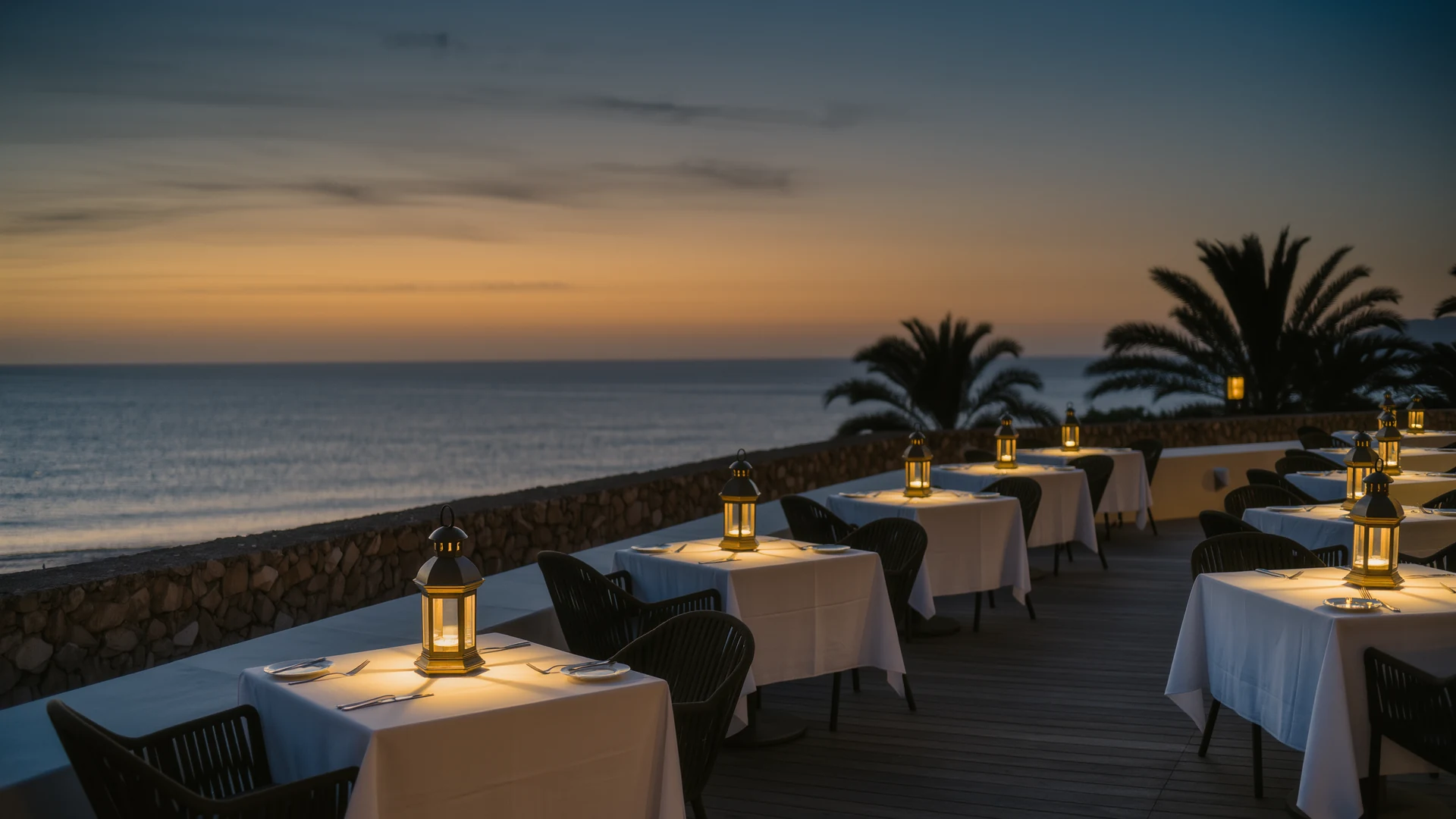
Costa del Sol Gastronomy Guide
Costa del Sol gastronomy guide: discover Málaga’s Michelin stars, espeto chiringuitos, tapas crawls, food markets, and sweet Málaga wines across…
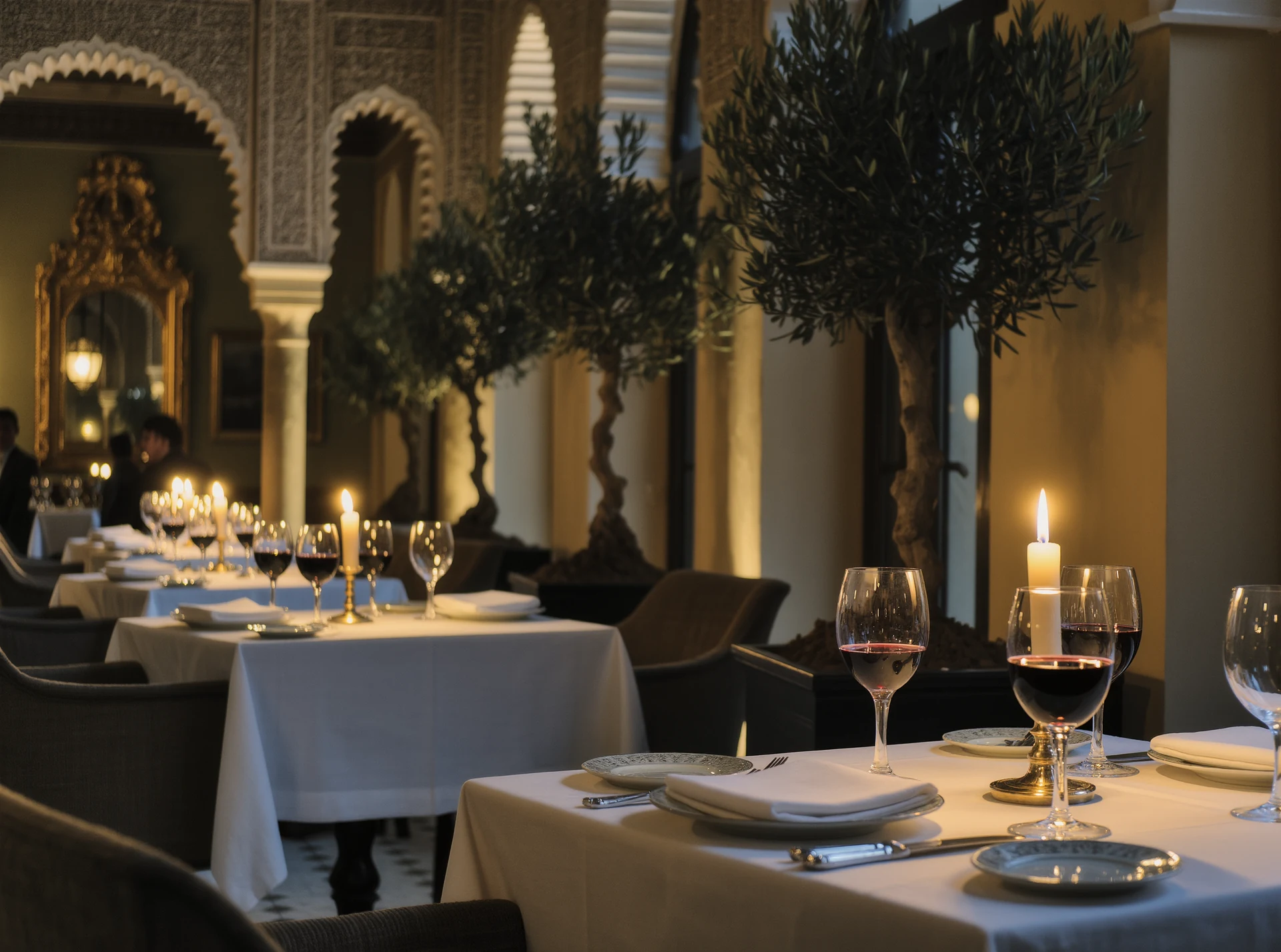
Indulge in Luxury Gastronomy: Spain’s Culinary Delights
You’re probably here because you’re wondering what “luxury gastronomy” in Spain actually means. Simply put, it’s about e…
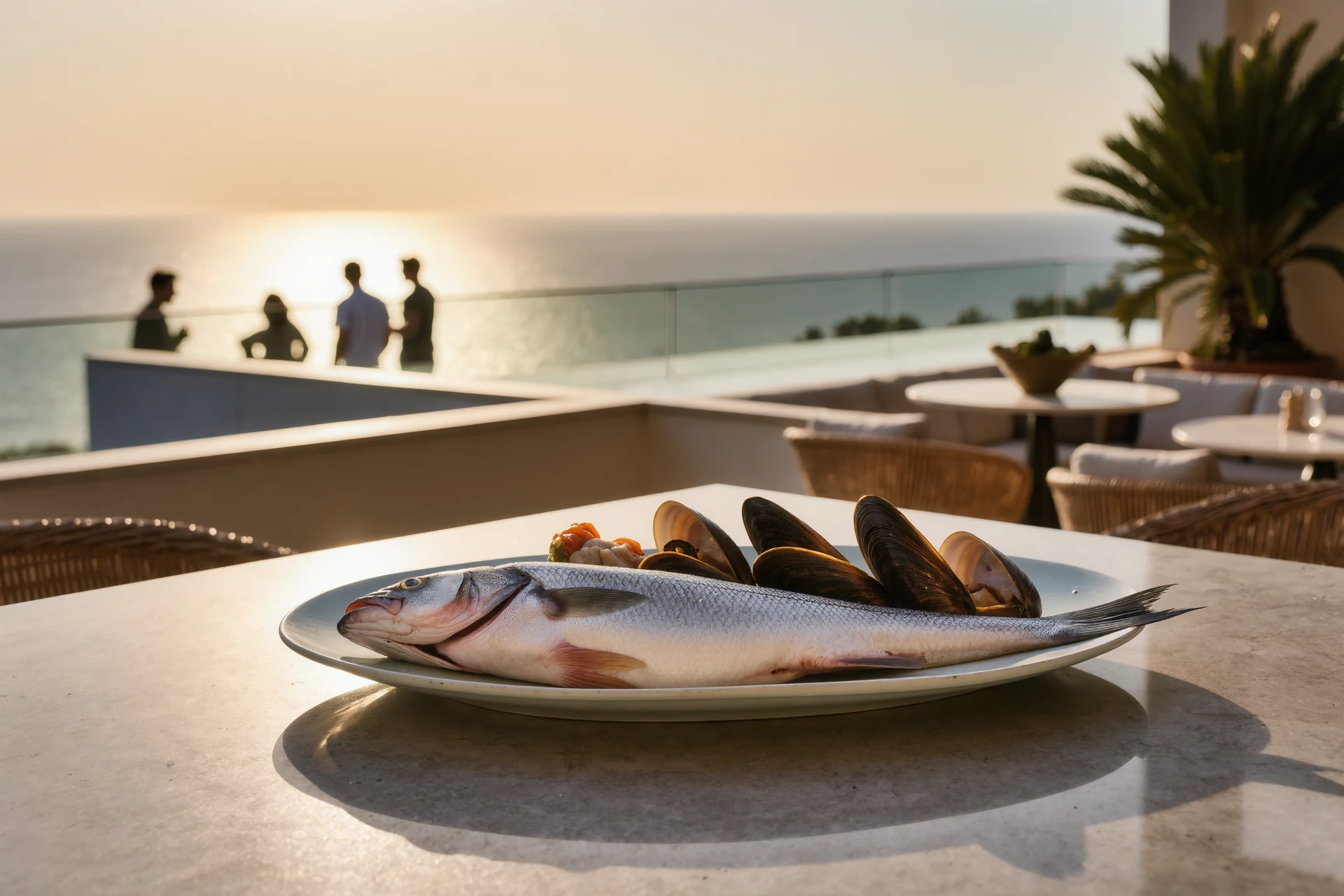
Top Seafood Restaurants on the Costa del Sol
If you’re wondering where to find incredible seafood on the Costa del Sol, you’re in luck. This stretch of coastline is renowned for its f…