Exploring the Wine Tasting Scene in Costa del Sol
So, you’re thinking about diving into the wine tasting scene here in Costa del Sol? Great choice! Many people picture the Costa del Sol as just sun, sea, and sangria, but the…
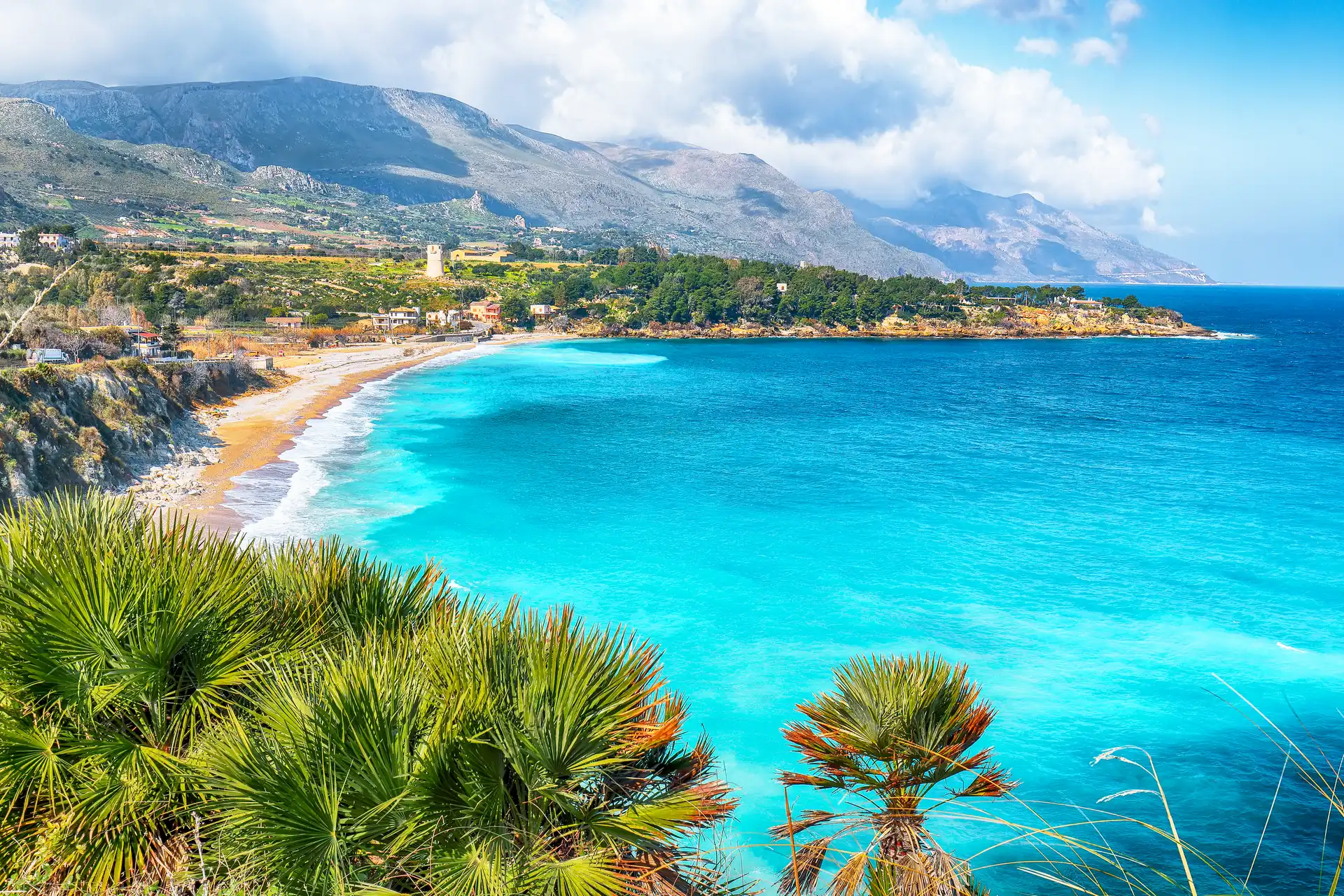
So, you’re thinking about diving into the wine tasting scene here in Costa del Sol? Great choice! Many people picture the Costa del Sol as just sun, sea, and sangria, but there’s a surprisingly robust and evolving world of wine waiting to be discovered. You don’t need to be a connoisseur to enjoy it, think of it more as a delicious journey of tasting and learning. Whether you’re looking for a relaxed afternoon sipping local vintages or a deeper dive into Spanish grape varieties, you’ll find something to suit your palate.
Where the Grapes Grow: Understanding the Local Terroir
When we talk about wine tasting, it’s essential to understand why the wine tastes the way it does. This comes down to the terroir, a fancy French word that basically means the sum of all the environmental factors that affect a crop. In Costa del Sol, this means a few key things are at play, shaping the flavors you’ll experience.
The Influence of the Mediterranean Climate
Sunshine and Heat
Costa del Sol gets a lot of sun, and that’s a big deal for grapevines. More sunshine means the grapes ripen more fully, leading to riper fruit flavors in the wine, think richer, perhaps a bit jammy notes. The warmth also helps develop sugars, which ultimately become alcohol in the finished wine. This warm climate is particularly good for certain grape varietals that thrive in the heat.
Gentle Coastal Breezes
While it can get hot, the proximity to the Mediterranean Sea offers a moderating influence. Coastal breezes can help cool the vineyards, especially in the evening. This is crucial because excessive heat can sometimes make grapes ripen too quickly, leading to unbalanced wines. The breezes help maintain a good balance between sugar development and acidity, which is the backbone of a refreshing wine.
Rainfall Patterns
Rainfall is generally scarce, especially during the crucial summer months when grapes are ripening. This means many vineyards rely on irrigation. While a little bit of drought stress can be good for concentrating flavors in the grapes, too much can stress the vines. Winemakers have to be smart about water management here.
Soil Types: From Sandy to Stony
The soil in Costa del Sol isn’t uniform, and different types contribute unique characteristics to the wines.
Sandy Soils
In some coastal areas, you’ll find sandy soils. These tend to drain very well, which is good for grapevines as they don’t like sitting in waterlogged conditions. Sandy soils often lead to lighter-bodied wines with bright fruit characteristics.
Clay and Limestone
As you move inland, you might encounter clay-rich soils or soils with a significant limestone component. Clay can retain more moisture, which can be beneficial in a dry climate, but it also needs good drainage. Limestone soils are known for imparting minerality and structure to wines, often contributing to wines with good aging potential.
Grape Varietals to Watch For
While Spain is famous for its Tempranillo and Albariño, Costa del Sol has its own favorite grapes, some native and some well-adapted. Don’t expect a huge range from a single tasting, but knowing what to look for can enhance your experience.
Red Grapes
Syrah (Shiraz)
This international varietal has found a happy home in the warmer parts of Costa del Sol. It often produces rich, peppery reds with dark fruit flavors like blackberry and plum. When it’s done well here, it can be quite powerful and complex.
Tempranillo
Even though it’s more famous elsewhere in Spain, Tempranillo is grown and can produce some lovely wines here, often showing red fruit notes like cherry and raspberry, with a touch of spice. It’s a versatile grape that adapts well to different conditions.
Pinot Noir
While not as common, some dedicated producers are experimenting with Pinot Noir, aiming for lighter, more elegant reds with notes of strawberry and earth. It’s a grape that really shows the subtle differences in terroir.
White Grapes
Chardonnay
Another international varietal that performs well. Depending on how it’s made, you might get anything from crisp, unoaked styles with apple and citrus notes, to richer, oaked versions with buttery and toasty characters.
Viognier
This aromatic grape is becoming more popular due to its ability to produce floral notes of apricot and peach, often with a lovely full body and a silky texture. It’s a great choice for those who enjoy a more perfumed white wine.
Moscatel (Muscat)
Especially known for producing sweet wines, but dry versions are also made. You’ll find intense floral and fruity aromas, with notes of grapes, honey, and citrus. It’s a wonderfully fragrant wine.
Wine Tasting Experiences: From Vineyards to Urban Cellars
The beauty of exploring wine tasting in Costa del Sol is the variety of settings. You’re not confined to just visiting large, formal wineries.
Vineyard Visits and Bodega Tours
The Classic Bodega Experience
This is what most people imagine. You drive out to a vineyard, get a tour of the winemaking facilities (the bodega), and then sit down for a tasting. Many bodegas offer guided tours explaining the process from grape to glass. It’s a fantastic way to connect with the land and understand the dedication that goes into each bottle.
- What to expect: Typically includes a walk through the vineyards, a look at the tanks and barrels, and a seated tasting, often with some local cheese and ham.
- Booking is Key: Many of these places are working farms, not tourist attractions, so booking in advance is almost always required. This ensures they have staff available and enough wine for your tasting.
- Transportation: Consider how you’ll get there. If you plan on tasting more than a sip or two, designating a driver or hiring a taxi/private driver is essential.
Urban Wine Bars and Tasting Rooms
Discovering Hidden Gems in the Cities
For those who prefer easier access or don’t want to venture too far from the coast’s main hubs like Marbella, Málaga, or Nerja, urban wine bars are a growing trend. These spots focus on curating a selection of local and Spanish wines, offering them by the glass or in tasting flights.
- What makes them great: They offer a relaxed atmosphere, often with knowledgeable staff who can guide you through their selections. It’s a good way to taste a variety of wines without committing to a whole bottle.
- No-fuss approach: You can often pop in during the day or evening, and they usually have small plates or tapas to complement the wine, making for a nice casual meal.
- Finding them: Look for places advertising “vinos de España” or “wine bar.” They are often found in the charming old town areas of cities.
Guided Wine Tours for the Curious
Let Someone Else Handle the Planning
If you’re feeling a bit overwhelmed with choices or just want a hassle-free experience, guided wine tours are a fantastic option. These tours are designed for tourists and usually combine visits to 2-3 different wineries with transportation and lunch.
- Convenience: This is perhaps the most straightforward option. You’ll be picked up from a central location, driven to the wineries, enjoy guided tastings, and be dropped back off.
- Expert insights: Tour guides are usually passionate about wine and can offer interesting facts and context that you might otherwise miss. They also often have relationships with the wineries, which can lead to a more exclusive experience.
- Variety of tours: There are often different types of tours available, from those focused on specific regions to those that include other culinary experiences.
Tips for a Memorable Wine Tasting Experience
To get the most out of your wine tasting adventure in Costa del Sol, a little preparation goes a long way.
Before You Go
Research is Your Friend
Take some time to look up wineries or wine bars that appeal to you. Read reviews, check their websites for tasting availability and prices, and see what kinds of wines they specialize in.
Consider the Group Size
If you’re traveling with a group, many wineries have minimum numbers for tours or private tastings. Be sure to check this when booking. Smaller groups can sometimes get more personalized attention.
Transportation Logistics
This cannot be stressed enough. If you’re driving, ensure you have a designated driver who won’t be tasting. Alternatively, look into local taxi services or private car hire, especially for vineyard visits outside of town. Some tours include transportation.
During the Tasting
Swirl, Sniff, Sip, and Savor
This is the classic method. Swirl the wine in your glass to release its aromas. Then, take a sniff. What do you smell? Fruit? Flowers? Spices? Finally, take a sip. Let the wine coat your palate. What flavors do you detect? How does it feel in your mouth?
Don’t Be Afraid to Ask Questions
The people hosting the tasting are there to share their passion and knowledge. Ask about the grape varietals, the winemaking process, the terroir, and why the wine tastes the way it does. There are no silly questions.
Pace Yourself
It’s easy to get carried away, but remember you’re there to enjoy and learn. Take your time with each wine, and don’t feel pressured to finish every glass if you’re not enjoying it. Many places offer spittoons if you want to taste without consuming the entire volume.
What to Eat with What
If tapas or food pairings are offered, take advantage of them! Food can significantly change how you perceive the wine. Ask your host for recommendations on what foods go best with each wine.
Beyond the Glass: Pairing Wine with Costa del Sol Flavors
Wine tasting isn’t just about the wine itself; it’s also about how it complements food. Costa del Sol’s culinary scene offers some fantastic opportunities for pairing.
Fresh Seafood and Crisp Whites
The Natural Harmony
Given its coastal location, seafood is a staple here. Imagine a fresh plate of grilled sardines (espetos de sardinas) or some tender calamari (calamaritos a la plancha). For these dishes, you’ll want crisp, dry white wines.
- Ideal pairings: Think a local Verdejo if you can find it, or a crisp Sauvignon Blanc. Even a dry Moscatel can work surprisingly well with certain seafood. The acidity in the wine cuts through the richness of the fish and cleanses the palate.
- Why it works: The bright acidity and light-to-medium body of these wines don’t overpower the delicate flavors of the seafood, allowing both to shine.
Hearty Meats and Robust Reds
Embracing the Inland Flavors
As you move inland, the cuisine becomes a bit more robust, with dishes featuring pork (cerdo), lamb (cordero), and game. These rich meats call for wines with more structure and tannins.
- Ideal pairings: Here’s where those local Syrah or Tempranillo wines come into their own. A medium-bodied red with good fruit and a hint of spice is perfect.
- The chemistry: The tannins in red wine bind with the proteins and fats in the meat, softening the wine and making the meat more tender and flavorful. It’s a classic culinary pairing for a reason.
Cheeses and Olives: Simple Pleasures
The Essential Spanish Snack
You’ll find cheese boards and olives at almost any tapas bar or wine bar. These are perfect companions for a range of wines.
- Cured meats and mature cheeses: Pair well with medium-bodied red wines. The saltiness of the cured meats and the tanginess of aged cheeses complement the fruit and spice in the wine.
- Fresh cheeses and green olives: Often go well with lighter-bodied white wines or even Rosé. The freshness of the cheese and the briny notes of the olives are enhanced by a wine with good acidity.
The Evolving Wine Landscape
It’s important to note that the wine scene in Costa del Sol isn’t static. There’s a lot of innovation happening.
New Producers and Experimentation
Young Wineries, Fresh Ideas
You’ll find a new generation of winemakers who are eager to experiment with different grape varietals, winemaking techniques, and even organic or biodynamic farming practices. This leads to exciting and unexpected wines.
- Regions to watch: While not a single defined appellation, areas slightly inland, like the Serranía de Ronda, have been gaining recognition for their quality wines produced at higher altitudes.
- Focus on quality: These producers are often driven by a passion for quality rather than sheer volume, so you’re likely to find some real gems.
Wine Tourism Growth
More Than Just Beaches
With more visitors looking for experiences beyond the typical beach holiday, wine tourism is becoming increasingly important. Wineries are investing in their visitor facilities, offering more comprehensive tours, and creating a more polished experience for guests.
- Accessibility: This growth means that finding information and booking tastings is becoming easier, making it more accessible for a wider range of travelers.
- Integrated experiences: You’ll also find more tour operators and hotels offering wine-themed packages, sometimes combining visits to vineyards with cultural sites or other local attractions.
So, if you’re in Costa del Sol and looking for something a bit different, consider a wine tasting. It’s a chance to explore a different facet of this beautiful region, enjoy some delicious local products, and perhaps discover a new favorite wine. Cheers!
FAQs
What is wine tasting?
Wine tasting is the sensory examination and evaluation of wine. It involves the analysis of the wine’s appearance, aroma, taste, and overall quality.What is the Costa del Sol known for in terms of wine?
The Costa del Sol is known for its production of sweet wines, particularly the famous Moscatel wine. The region’s warm climate and unique soil composition contribute to the distinct flavors of its wines.What can I expect from a wine tasting experience in Costa del Sol?
A wine tasting experience in Costa del Sol typically includes sampling a variety of local wines, learning about the winemaking process, and gaining insight into the region’s wine culture. It may also involve visiting vineyards and wineries to see the production firsthand.Are there specific types of wines I should try in Costa del Sol?
In addition to Moscatel wine, visitors to Costa del Sol should consider trying other local varieties such as Pedro Ximénez, Malaga Dulce, and Malaga Tinto. These wines showcase the unique characteristics of the region.What are some popular locations for wine tasting in Costa del Sol?
Popular locations for wine tasting in Costa del Sol include the towns of Ronda, Mijas, and Manilva, which are known for their vineyards and wineries. Additionally, many restaurants and wine bars in the region offer wine tasting experiences featuring local wines.More from Fine Dining
Costa del Sol Gastronomy Guide
Costa del Sol gastronomy guide: discover Málaga’s Michelin stars, espeto chiringuitos, tapas crawls, food markets, and sweet Málaga wines across…
Indulge in Luxury Gastronomy: Spain’s Culinary Delights
You’re probably here because you’re wondering what “luxury gastronomy” in Spain actually means. Simply put, it’s about e…
Top Seafood Restaurants on the Costa del Sol
If you’re wondering where to find incredible seafood on the Costa del Sol, you’re in luck. This stretch of coastline is renowned for its f…