Exquisite Sea View Villa Architecture
Ever wondered what makes a sea view villa truly captivating? It’s not just the view, though that’s a huge part of it. It’s how the architecture interacts with that view…

Ever wondered what makes a sea view villa truly captivating? It’s not just the view, though that’s a huge part of it. It’s how the architecture interacts with that view, how it blends with the natural surroundings, and how it creates a living experience that feels both luxurious and genuinely connected to the ocean.
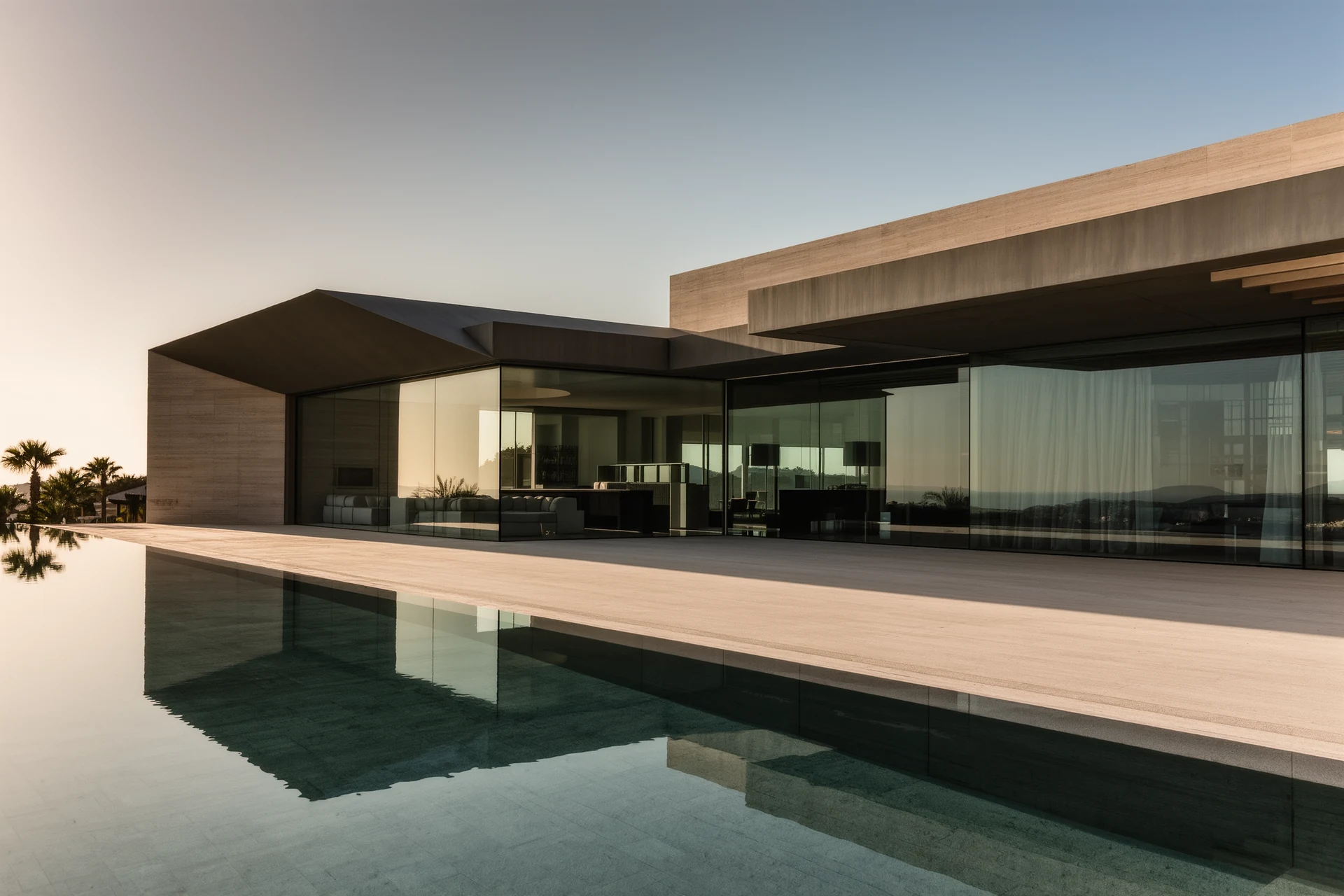
These aren’t just big houses by the sea. They are carefully designed spaces that prioritize the panorama, inviting the outside in while providing comfort and privacy. Think sweeping glass walls, thoughtfully placed patios, and materials that nod to their coastal location. It’s about creating a dialogue between the built environment and the vast, ever-changing sea.
Integrating with the Landscape: More Than Just a Pretty View
Sea view villas aren’t just plonked onto a plot. The best ones are carefully integrated into their surroundings, almost like they grew there naturally. This means understanding the terrain, respecting existing flora, and minimizing the impact on the delicate coastal ecosystem. It’s a delicate dance between making a statement and blending in.
Respecting the Topography
One of the first considerations for any sea view villa is the land itself. Is it a gentle slope down to the water, a dramatic cliff edge, or a rocky outcrop? The architecture should respond directly to this.
If it’s a gentle slope, terraced designs might be perfect, allowing multiple levels to enjoy the view without one blocking another. Imagine stepping out from your bedroom onto a private terrace, then down a few steps to a larger patio with a pool, all while maintaining an unobstructed vista. This stepped approach also helps with drainage and can create sheltered microclimates.
For steeper cliffs, the design might involve cantilevered sections, making the building appear to float over the water. This can be breathtaking, offering a sense of drama and immersion. However, it requires significant structural engineering to ensure safety and stability, often involving deep foundations drilled into rock. These designs often prioritize views from every possible angle, creating a truly spectacular experience where the boundaries between inside and out blur.
On rocky outcrops, the villa might be built directly into the rock face, using the existing geological features as part of the structure. This not only looks striking but also offers natural insulation and protection from the elements. Imagine a living space carved into ancient stone, with strategically placed windows framing the ocean like a living painting. This kind of integration minimizes the visual impact of the building and allows it to become almost indistinguishable from its natural surroundings when viewed from a distance.
Utilizing Natural Barriers and Shelters
Beyond the immediate view, architects also consider natural elements like prevailing winds and sun paths. A sea view is fantastic, but not if you’re constantly battling a gale or scorching sun.
Strategically placed walls, pergolas, or even existing rock formations can provide essential shelter from strong winds, creating more comfortable outdoor living spaces. Imagine a sheltered courtyard on the leeward side of the house, perfect for al fresco dining even on a breezy day. These elements enhance livability and extend the usability of outdoor areas significantly.
Similarly, understanding the sun’s path is crucial for both comfort and energy efficiency. Overhangs, deep verandas, or external shading devices like louvers can protect interiors from direct sunlight during the hottest parts of the day, reducing the need for air conditioning. On the other hand, carefully positioned windows can capture the warmth of the sun in cooler months, contributing to passive heating. This thoughtful approach ensures the villa remains comfortable and energy-efficient throughout the year.
Material Selection for Coastal Resilience
Living by the sea means facing unique challenges from the elements: salt spray, high humidity, strong winds, and intense UV radiation. The materials used in a sea view villa aren’t just for aesthetics; they need to be robust and able to withstand these harsh conditions.
Naturally durable materials like local stone, marine-grade timber (such as teak or ipe), and corrosion-resistant metals (like marine-grade stainless steel or aluminum) are common choices. These materials not only stand up to the elements but also often possess a natural beauty that complements the coastal environment. Imagine a facade clad in weathered local stone, blending seamlessly with the rocky coastline, or a deck made of resilient tropical hardwood that ages gracefully.
Even glass, a ubiquitous feature in sea view homes, needs careful consideration. High-performance, low-emissivity (Low-E) glass can provide insulation and block harmful UV rays, protecting interiors from fading and reducing energy consumption. Specialized coatings can also reduce glare, ensuring the view remains clear and comfortable even on the brightest days.
Furthermore, paints and finishes need to be specifically formulated for coastal environments to resist peeling, fading, and fungal growth. Regular maintenance, while sometimes dismissed, is also a critical aspect of material selection in coastal properties. Choosing materials that require minimal but effective upkeep is key to long-term enjoyment and reducing ownership headaches.
Maximizing the Panorama: Windows to the Soul
The whole point of a sea view villa is the view. So, naturally, the architecture is designed to make the absolute most of it. This goes beyond just having big windows; it’s about how those windows are integrated into the overall design.
Expansive Glazing and Minimal Frames
Think floor-to-ceiling glass walls that slide open, effectively blurring the line between indoor and outdoor living. These aren’t just standard windows. They often feature minimal frames, sometimes even recessed into the floor and ceiling, making the glass appear almost invisible. This design choice maximizes the unobstructed view, creating a truly immersive experience.
The engineering behind these massive panes of glass is complex. They need to be strong enough to withstand high winds and potential impacts, often requiring specialized tempered or laminated glass. The tracking systems for sliding doors must be robust and corrosion-resistant, ensuring smooth operation for years to come despite salt exposure. Architects also meticulously plan the fenestration to avoid dividing the most scenic portions of the view, treating the ocean as a dynamic, ever-changing artwork.
Strategic Window Placement
It’s not just about quantity; it’s about quality and placement. Windows are often strategically positioned to frame specific views, capture prevailing breezes for natural ventilation, or even reflect light into interior spaces.
Imagine a small, carefully placed window in a shower that frames just a sliver of the horizon, or a long, narrow horizontal window in a hallway that offers a panoramic glimpse of the coastline as you walk past. These “found views” can be just as impactful as the main expansive windows.
Corner windows, where two glass walls meet without a traditional corner post, are particularly effective in opening up a space and providing a wider field of vision. This architectural detail creates a sense of continuous flow and seamless connection to the outside world, making rooms feel larger and more integrated with the landscape.
Utilizing Reflective Materials
Sometimes, the view can be enhanced even when you’re not directly looking at it. Polished concrete floors, mirrored surfaces, or even strategically placed art can subtly reflect the light and colors of the sea, bringing that coastal essence into unexpected corners of the home.
Consider a carefully placed mirror on a wall opposite a window, effectively doubling the apparent view and light. Or, imagine a statement piece of art with a highly reflective surface that captures the shifting hues of the ocean throughout the day, creating an ever-changing focal point within the room. This clever use of reflection adds depth and dynamism to the interior, making the sea an omnipresent feature even where it’s not directly visible.
Open Plan Living and Flow: A Seamless Experience
Sea view villas are rarely a collection of small, disconnected rooms. The design philosophy favors open, flowing spaces that encourage movement and maintain a constant connection to the exterior.
Blurring Indoor and Outdoor Boundaries
This is a hallmark of sea view architecture. Large sliding doors that disappear into walls, flush thresholds between indoor and outdoor flooring, and continuous material palettes create a sense of one continuous living space.
When these doors are open, the living room literally extends onto the patio, pool deck, or garden. This seamless transition is not just aesthetically pleasing; it encourages genuine outdoor living and celebrates the climate. Imagine waking up, sliding open a glass wall, and stepping directly onto a terrace overlooking the sea, without any physical or visual interruption.
The furniture choices also play a role here. Often, outdoor furniture is designed to be as comfortable and stylish as indoor pieces, further blurring the distinction between the two zones. Materials like all-weather wicker, marine-grade fabrics, and powder-coated aluminum are popular choices for their durability and aesthetic appeal.
Centralized Living Areas with Views
Typically, the main living areas, lounge, dining, and kitchen, are positioned to take full advantage of the sea view. These spaces are often designed as a single, large, open room, allowing everyone to enjoy the vista regardless of their activity.
Imagine preparing a meal in a kitchen with a breathtaking ocean backdrop, or dining with the waves as your soundtrack. This centralized layout fosters a sense of togetherness and ensures that the villa’s primary asset, the view, is constantly present in the most frequented areas of the home. The flow between these areas is intuitive, making it easy to transition from cooking to dining to relaxing without feeling boxed in.
Strategic Interior Layouts for Privacy
While open concepts are key, privacy is still important, especially in bedrooms and bathrooms. These spaces are often tucked away or positioned on different levels, offering a sense of seclusion while still providing glimpses of the sea.
For example, a master suite might have its own private balcony with an uninterrupted view, while guest rooms could be oriented to offer more sheltered sea views or views of internal courtyards. Bathrooms might incorporate large windows that can be frosted or fitted with privacy screens, allowing for natural light and a sense of openness without sacrificing modesty. The design goal is to balance the desire for panoramic views with the need for personal sanctuary, creating zones for both social interaction and quiet contemplation.
Sustainable and Smart Design: Beyond the Aesthetics
Modern sea view villas aren’t just about looks. They often incorporate smart design principles and sustainable technologies to minimize environmental impact and enhance long-term livability.
Passive Design Principles
This involves using the building’s orientation, materials, and form to naturally regulate internal temperatures and light, reducing the reliance on artificial heating, cooling, and lighting.
Things like deep eaves and overhangs provide shade in summer, while large south-facing windows (in the Northern Hemisphere) capture warming sunlight in winter. Cross-ventilation, achieved through strategically placed operable windows and doors, allows sea breezes to naturally cool the interior, minimizing the need for air conditioning. This thoughtful integration of natural elements not only reduces energy consumption but also creates a healthier, more comfortable indoor environment.
The use of thermal mass, such as thick stone walls or concrete floors, can also help regulate temperatures by absorbing heat during the day and releasing it slowly at night, or vice-versa. This natural temperature buffering smooths out temperature fluctuations and reduces the overall energy demand of the villa.
Renewable Energy Sources
Many contemporary sea view villas integrate renewable energy systems like solar panels (photovoltaic and thermal) to generate electricity and hot water. Given their often remote locations and ample sunlight, these systems can significantly reduce energy bills and carbon footprints.
Solar panels can be seamlessly integrated into the roof design, sometimes even forming an aesthetic part of the building envelope, rather than appearing as an afterthought. Battery storage systems are also becoming increasingly common, allowing villas to store excess solar energy for use during the night or on cloudy days, enhancing energy independence and resilience, especially in areas with unreliable grids.
Wind turbines, though less common for individual residential properties due to visual impact and noise, might be considered in very specific, exposed locations. Geothermal systems, utilizing the stable temperature of the earth, can also provide efficient heating and cooling, offering another layer of sustainable design.
Water Management Systems
Freshwater is a precious resource, especially on many coastal properties. Rainwater harvesting systems, where rainwater is collected from roofs and stored for irrigation or non-potable uses, are a practical and environmentally responsible addition.
Greywater recycling systems, which treat water from showers and sinks for reuse in toilets or garden irrigation, further reduce demand on municipal water supplies. Desalination plants, though expensive and energy-intensive, are sometimes considered for very remote or arid coastal locations, providing an independent source of potable water. Xeriscaping, the use of drought-tolerant plants in landscaping, also plays a crucial role in reducing water consumption for outdoor areas, blending aesthetics with ecological responsibility.
Smart Home Technology
Modern sea view villas often come equipped with integrated smart home systems. These allow owners to control lighting, climate, security, entertainment, and even window coverings remotely.
Imagine adjusting the blinds to block the afternoon sun from your phonewhile you’re still out, or setting the perfect temperature for your return. These systems not only enhance convenience and comfort but can also contribute to energy efficiency by optimizing usage patterns. Automated climate control, for instance, can learn preferences and adapt to external conditions, reducing waste. Similarly, intelligent lighting systems can adjust brightness based on natural light levels, saving electricity. Security systems with remote monitoring offer peace of mind, especially for properties that might be unoccupied for extended periods.
Curated Outdoor Spaces: Extending the Living Area
A sea view villa isn’t just about what’s inside. The outdoor spaces are just as vital, acting as extensions of the indoor living areas and providing various opportunities to enjoy the coastal environment.
Infinity-Edge Pools
These are almost synonymous with luxury sea view properties. Designed to create the illusion that the water merges with the ocean horizon, infinity pools offer a breathtaking visual effect and a truly immersive swimming experience.
The engineering behind them can be complex, involving hidden catch basins and pump systems to recirculate the overflowing water. The choice of tile color can also enhance the effect, with darker blues and greens making the water appear deeper and more reflective of the ocean’s hues. Beyond the visual appeal, infinity pools provide a focal point for outdoor living, creating a serene and luxurious atmosphere. They often become the primary gathering spot, offering both a place for recreation and a stunning backdrop for social events.
Multiple Terraces and Balconies
Rather than just one large patio, a well-designed sea view villa often features multiple outdoor zones. These might include a sheltered breakfast nook, a sun deck for lounging, a formal dining terrace, and private balconies off bedrooms.
Each space is designed for a specific purpose and often positioned to capture different views, sun paths, or levels of privacy. A lower terrace might be close to the garden and offer direct access to the sea, while an upper balcony could provide a more expansive, panoramic vista. These varied outdoor spaces ensure that you can find the perfect spot for any mood or activity, enjoying the sea air and views from multiple perspectives throughout the day.
Outdoor Kitchens and Dining Areas
To truly extend the living space outdoors, many villas incorporate fully equipped outdoor kitchens and dining areas. These usually include a barbecue grill, sink, refrigeration, and ample counter space, making al fresco dining a central part of the lifestyle.
Consider a pizza oven or a large smoker for entertaining, complementing a dining table that can comfortably seat guests. These dedicated spaces transform a simple meal into a memorable experience, allowing hosts to entertain without being separated from their guests. The materials chosen for outdoor kitchens, such as marine-grade stainless steel and weather-resistant stone, ensure durability and ease of maintenance in the coastal environment.
Landscaping and Indigenous Flora
The landscaping around a sea view villa plays a crucial role in enhancing the connection to nature and creating a harmonious aesthetic. Rather than tropical imports that require extensive watering, architects often favor indigenous plants that are well-suited to the local climate and resilient to salt spray and wind.
These native plants require less water, support local ecosystems, and blend seamlessly with the natural surroundings. Think fragrant herbs, resilient grasses, and flowering shrubs that thrive in coastal conditions. Thoughtful landscaping also includes pathways that guide residents and guests through the property, perhaps leading to a secluded viewpoint or a private beach access point, further integrating the villa with its natural environment. It’s about bringing the wild beauty of the coast right up to the doorstep, creating a garden that feels like a natural extension of the landscape rather than an artificial imposition.
FAQs
What is a sea view villa architecture?
Sea view villa architecture refers to the design and construction of residential buildings, typically luxurious and spacious, that are situated in coastal areas and offer stunning views of the sea.What are the key features of sea view villa architecture?
Key features of sea view villa architecture include large windows and open spaces to maximize the view, outdoor living areas such as terraces and balconies, and often a focus on sustainable and weather-resistant materials.What are the benefits of sea view villa architecture?
The benefits of sea view villa architecture include the opportunity to enjoy breathtaking ocean views, access to coastal amenities and activities, and the potential for a relaxing and luxurious lifestyle.What are some popular design styles for sea view villa architecture?
Popular design styles for sea view villa architecture include modern and contemporary designs that emphasize clean lines and minimalism, as well as traditional and Mediterranean styles that incorporate elements such as stucco walls and tiled roofs.What are some considerations when designing sea view villa architecture?
Considerations when designing sea view villa architecture include the impact of saltwater and sea air on building materials, the need for strong foundations to withstand coastal weather conditions, and the importance of maximizing natural light and ventilation.More from Architecture & Interior Design
Architectural Digest Marbella: Luxury Living in Southern Spain
Marbella: A Taste of Luxury Living in Southern Spain Thinking about Marbella and wondering if it lives up to its luxury reputation? The short answer i…

Exquisite Luxury Villa Design in Spain
When it comes to exquisite luxury villa design in Spain, we’re talking about more than just big houses. It’s about blending stunning archi…

Coastal Chic: Interior Design Costa del Sol
Let’s dive into the world of Costa del Sol interior design. The ‘Coastal Chic’ style on the Costa del Sol isn’t ju…