Family Living on the Costa del Sol: A Lifestyle Guide
So, you’re thinking about moving your family to the Costa del Sol? The quick answer is yes, it’s absolutely doable, and for many, it’s a fantastic lifestyle upgra…
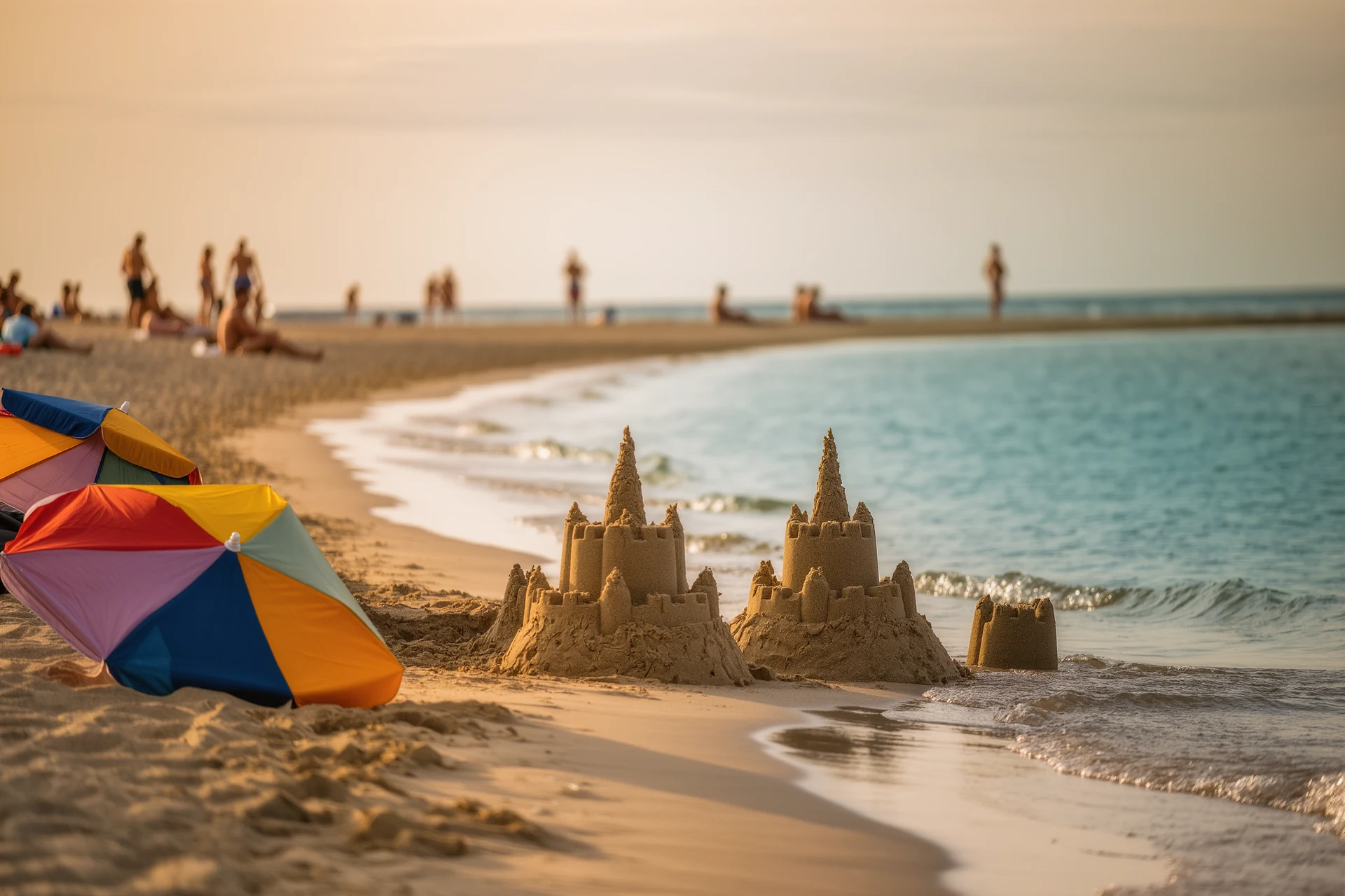
So, you’re thinking about moving your family to the Costa del Sol? The quick answer is yes, it’s absolutely doable, and for many, it’s a fantastic lifestyle upgrade. Imagine more sunshine, a slower pace, and a strong sense of community. But like any big move, it comes with its own set of considerations. This guide aims to give you a realistic picture of what family life here is actually like, covering schools, daily life, how to get started, and things you might not have considered.
One of the biggest concerns for any family moving abroad is education. The good news is the Costa del Sol offers a diverse range of schooling options. It’s not just a one-size-fits-all scenario, which can be a relief but also means a bit of homework for you.
International Schools: A Popular Choice
For many expat families, international schools are the first port of call. They often follow curricula from other countries, like the British or American systems, or the International Baccalaureate (IB).
- Understanding the Systems: British schools, for example, will typically follow the UK’s National Curriculum, leading to GCSEs and A-levels. American schools will offer a US-based curriculum, while IB schools focus on a more globally recognized, inquiry-based learning approach. Do some research into which system aligns best with your children’s previous education and your long-term plans.
- Benefits of International Schools: The main advantage here is continuity if you’re coming from one of these systems. They generally have a diverse student body, often with teachers from various countries, which can ease the transition for children who aren’t fluent in Spanish. Communication with parents is usually in English too, which is a major plus for many.
- Cost Considerations: This is where international schools differ significantly from public options. Fees can range from around €5,000 to over €15,000 per year per child, depending on the school and age group. Don’t forget to factor in registration fees, uniforms, textbooks, and various ‘extras’ like school trips or after-school clubs, which can quickly add up.
- Location, Location, Location: Many well-regarded international schools are concentrated in areas like Marbella, Benalmádena, and Sotogrande. Your choice of school might heavily influence where you decide to live, especially if you want to avoid lengthy daily commutes.
Spanish Public Schools: Integrating into Local Life
Opting for a local public school is a fantastic way for your children to truly immerse themselves in Spanish culture and become fluent in the language.
- Language Barrier Initially: If your children don’t speak Spanish, the initial period can be challenging. However, kids are incredibly adaptable. Many schools offer support for non-Spanish speakers, and they often pick up the language much faster than adults. Expect a few months of adjustment, but the long-term benefits for language acquisition and cultural understanding are huge.
- Curriculum and Structure: Spanish public schools follow the national curriculum, focusing on subjects like Spanish language and literature, mathematics, natural and social sciences, and various arts. The structure is generally more traditional than some international models.
- Cost-Effective: Public schools are free to attend, though you’ll still need to cover costs for books, materials, and sometimes school trips or extracurriculars. This can be a significant saving for families on a budget.
- Making the Application: You typically apply through your local ayuntamiento (town hall) or directly to the schools in your catchment area based on your registered address (empadronamiento). It’s best to start this process well in advance, as places can be limited in popular areas.
- Benefits of Integration: Beyond language, public schools offer a genuine insight into Spanish life. Your children will make local friends, celebrate Spanish traditions, and integrate seamlessly into the community, which can be incredibly enriching for the whole family.
Semi-Private (Concertado) Schools: A Middle Ground
Concertado schools are privately run but receive some funding from the government, meaning their fees are significantly lower than fully private international schools.
- Bilingual focus: Many concertado schools offer a stronger emphasis on English than traditional public schools, often with some subjects taught in English. This can be a good compromise if you want your children to learn Spanish but maintain their English proficiency.
- Religious Affiliation: A fair number of concertado schools have a religious (usually Catholic) affiliation, which might be a factor for some families.
- Application Process: Similar to public schools, you’ll apply through official channels, often with a lottery system if demand outstrips supply. These schools can be very popular.
Daily Life: What to Expect Beyond the Beach
Life on the Costa del Sol for families is generally relaxed, but it’s not all holidays and siestas. You’ll settle into a rhythm that blends Spanish traditions with practicalities.
The Pace of Life: Slower, but Still Busy
- Spanish Timings: Get ready for a different schedule. Lunch is often later (around 2-3 PM), and dinner can be as late as 9 or 10 PM. This means evenings are often family-focused, with children out and about until quite late, especially during warmer months. The famous siesta is less common in bustling towns for adults, but the afternoon break is still prevalent for smaller shops.
- Work-Life Balance: Many find the work-life balance here to be better than in more frantic northern European cities. Commutes are often shorter, and there’s a strong emphasis on family time.
- Community Feel: Especially in smaller towns or specific urbanisations, there’s a real sense of community. Children play outside freely, neighbours chat, and local festivals are a big deal.
Activities & Family Fun: More Than Just the Seaside
The Costa del Sol isn’t just about sunbathing. There’s a wealth of activities for families.
- Outdoor Adventures: With the mountains so close to the coast, outdoor activities are abundant. Hiking, cycling, horse riding, and water sports like paddleboarding, kayaking, and sailing are all easily accessible.
- Theme Parks & Attractions: You’ll find several family-friendly attractions, including Tivoli World (a classic amusement park), Selwo Adventure (a safari park), Aqualand (water park), and Bioparc Fuengirola (zoo). These are perfect for weekend outings.
- Cultural Exploration: Don’t forget the rich history and culture. Exploring Malaga City’s museums (like the Picasso Museum), visiting quaint white villages (pueblos blancos) like Mijas Pueblo or Ronda, or even a day trip to Granada’s Alhambra, can be incredibly enriching.
- Parks & Playgrounds: Most towns and villages have well-maintained public parks and playgrounds. These are central hubs for local families, especially in the late afternoons and evenings.
Healthcare: Public vs. Private
Understanding the healthcare system is crucial for families.
- Public Healthcare (Seguridad Social): If you’re employed and contributing to Spanish social security, or if you’re a pensioner with an S1 form, you and your family will be entitled to public healthcare. It’s generally of a high standard, but waiting lists for specialists can be long.
- Private Healthcare: Many expats opt for private health insurance to access private hospitals and clinics, which often offer quicker appointments, English-speaking staff, and state-of-the-art facilities. This is particularly common if you’re self-employed or if you want peace of mind regarding faster access to specialists. Costs vary but can range from €50-€150 per person per month, depending on age and coverage.
- Local Doctors and Pharmacies: For minor ailments, local centros de salud (health centres) are your first port of call in the public system, and pharmacies provide excellent advice and can dispense many medications without a prescription.
Getting Settled: Practicalities for Your Move
Moving a family isn’t just about packing boxes; it’s about navigating bureaucracy and setting up a new life.
Visas & Residency: The Paperwork Trail
This is probably the most critical initial step.
- Post-Brexit Realities: For British citizens, the process is now more complex. You’ll likely need a visa (Non-Lucrative Visa, Golden Visa, or Digital Nomad Visa) before you even arrive in Spain. These have specific financial and other requirements.
- EU Citizens: For EU citizens, the process is much simpler, primarily involving registering your residency.
- Professional Advice: It’s almost always advisable to engage a Gestor (an administrative consultant) or a lawyer specializing in immigration for this. They can guide you through the requirements, help with translations, and ensure you submit all the correct documents, saving you a lot of headache and potential delays.
Finding a Home: Rental or Purchase?
- Renting First: Many families choose to rent for the first 6-12 months. This allows you to really get a feel for different areas, schools, and communities before committing to a purchase. Rental prices vary wildly depending on location, size, and amenities.
- What to Look For: Consider proximity to schools, local amenities (supermarkets, parks), and transport links. Look at properties with good outdoor space, if possible, as much of family life here happens outside.
- Buying Property: If you decide to buy, engage a reputable local real estate agent and a lawyer who specializes in Spanish property law. Understand the buying process, which includes taxes and fees that can add 10-15% to the purchase price.
Banking & Finance: Setting Up Your Spanish Life
- Opening a Bank Account: You’ll need a Spanish bank account for everything from paying bills to receiving salaries. This usually requires your NIE (foreigner identification number), passport, and proof of address.
- NIE Number: This is essential for virtually everything from buying a car to signing a utility contract. You can apply for this in Spain or through a Spanish consulate in your home country.
- Tax Implications: Understand the tax implications of living in Spain, both for your income and any assets you hold elsewhere. Again, professional advice from a tax accountant specialising in expats is highly recommended.
Building Your Support Network: It Takes a Village
Moving to a new country can feel isolating at first, but building a support network is key to settling in.
Expat Communities: Finding Your Tribe
- Online Groups: Facebook groups like “Mums in Marbella,” “Expats on the Costa del Sol,” or specific town groups are invaluable resources. They’re great for asking questions, getting recommendations, and finding local events.
- Meet-Up Groups: Websites like Meetup.com often have groups dedicated to various interests, from hiking to book clubs, offering excellent opportunities to meet like-minded people.
- School Gates: This is often where parents naturally connect. Pick-up and drop-off times are a great chance to chat with other parents and build friendships.
Integrating with Locals: Embracing the Spanish Way
While expat communities are great, don’t shy away from integrating with locals.
- Language Learning: Even basic Spanish goes a long way. Take a class, use apps, or simply try to speak Spanish in shops and restaurants. Locals appreciate the effort.
- Local Fiestas & Events: Participate in local festivals, market days, and community events. These are wonderful ways to experience Spanish culture firsthand and meet local families.
- Sports Clubs & Hobbies: Joining a local sports club (football, tennis, padel, hugely popular here) or a hobby group can be an excellent way to meet people outside your immediate expat bubble.
Things You Might Not Have Considered
Beyond the mainstream advice, here are a few other points to ponder.
Bureaucracy and Patience
- “Mañana Culture”: Things often move slower here, and bureaucracy can be frustrating. Learn to embrace the “mañana” (tomorrow) culture and practice patience. Keep copies of everything, and be persistent.
- Holiday Closures: Spain has numerous public holidays, both national and regional. Shops and services can close, and life slows down, particularly around Easter (Semana Santa) and August. Plan accordingly.
Sun Protection and Health
- Year-Round Sun: While wonderful, the sun is powerful, even in winter. Sun protection, including hats, sunglasses, and high-factor sunscreen, is essential for children and adults alike.
- Heat in Summer: July and August can be intensely hot. Adapt your schedule, with early morning and late afternoon activities, and embrace the cooler evenings. Air conditioning will be your friend.
Transport and Mobility
- Car Dependency: While some areas have good public transport networks, particularly along the coast, many areas are car-dependent, especially if you have children and need to manage school runs and activities.
- Driving Abroad: If you’re bringing your car, research the rules for registering it in Spain. If buying a car here, understand the process and costs involved.
Living on the Costa del Sol with your family is genuinely an exciting prospect, offering a lifestyle rich in sunshine, outdoor activities, and cultural immersion. It demands careful planning and a willingness to adapt, but for many, the rewards far outweigh the challenges. With good research, a flexible attitude, and an open mind, you can create a truly wonderful family life under the Spanish sun.
FAQs
What is the family lifestyle like on the Costa del Sol?
The family lifestyle on the Costa del Sol is known for its relaxed and outdoor-oriented atmosphere. Families often enjoy spending time at the beach, exploring the region’s natural beauty, and participating in outdoor activities such as hiking and water sports.What are some popular family-friendly activities on the Costa del Sol?
Popular family-friendly activities on the Costa del Sol include visiting the region’s many beautiful beaches, exploring the historic towns and villages, enjoying water parks and amusement parks, and taking part in outdoor adventures such as horseback riding and zip-lining.Are there family-friendly accommodations available on the Costa del Sol?
Yes, there are numerous family-friendly accommodations available on the Costa del Sol, including hotels, resorts, and rental villas that cater to the needs of families. Many of these accommodations offer amenities such as kids’ clubs, playgrounds, and family-friendly dining options.What are the healthcare and education options for families on the Costa del Sol?
The Costa del Sol offers a range of healthcare options for families, including public and private hospitals, clinics, and medical centers. In terms of education, there are international schools and bilingual schools that cater to the needs of expat families, as well as public and private Spanish schools.What are some tips for families considering a move to the Costa del Sol?
Some tips for families considering a move to the Costa del Sol include researching the different areas and neighborhoods to find the best fit for your family, learning about the healthcare and education options available, and considering the cost of living and employment opportunities in the region. It’s also important to consider the language and cultural differences and to connect with other expat families for support and advice.More from Mediterranean Lifestyle

Costa del Sol Family Guide
Costa del Sol family guide: the best towns, international schools, healthcare, childcare costs, kids’ attractions and rainy-day ideas for famili…
Costa del Sol Living Guide 2026
Costa del Sol Living Guide 2026: zones, cost of living, healthcare, schools, visas and property prices from Marbella to Nerja for your move to souther…

Top 5 Best Places to Live on the Costa del Sol
Thinking about making the move to the Costa del Sol? Smart choice! It’s a fantastic part of Spain with a lot to offer. But with so many beautifu…