Hidden Gems: Secret Places to Discover on the Costa del Sol
So, you’re looking for something a little off the beaten path in the Costa del Sol? You know, beyond the beachfront bars and the packed promenades? Good news! While it’s famo…
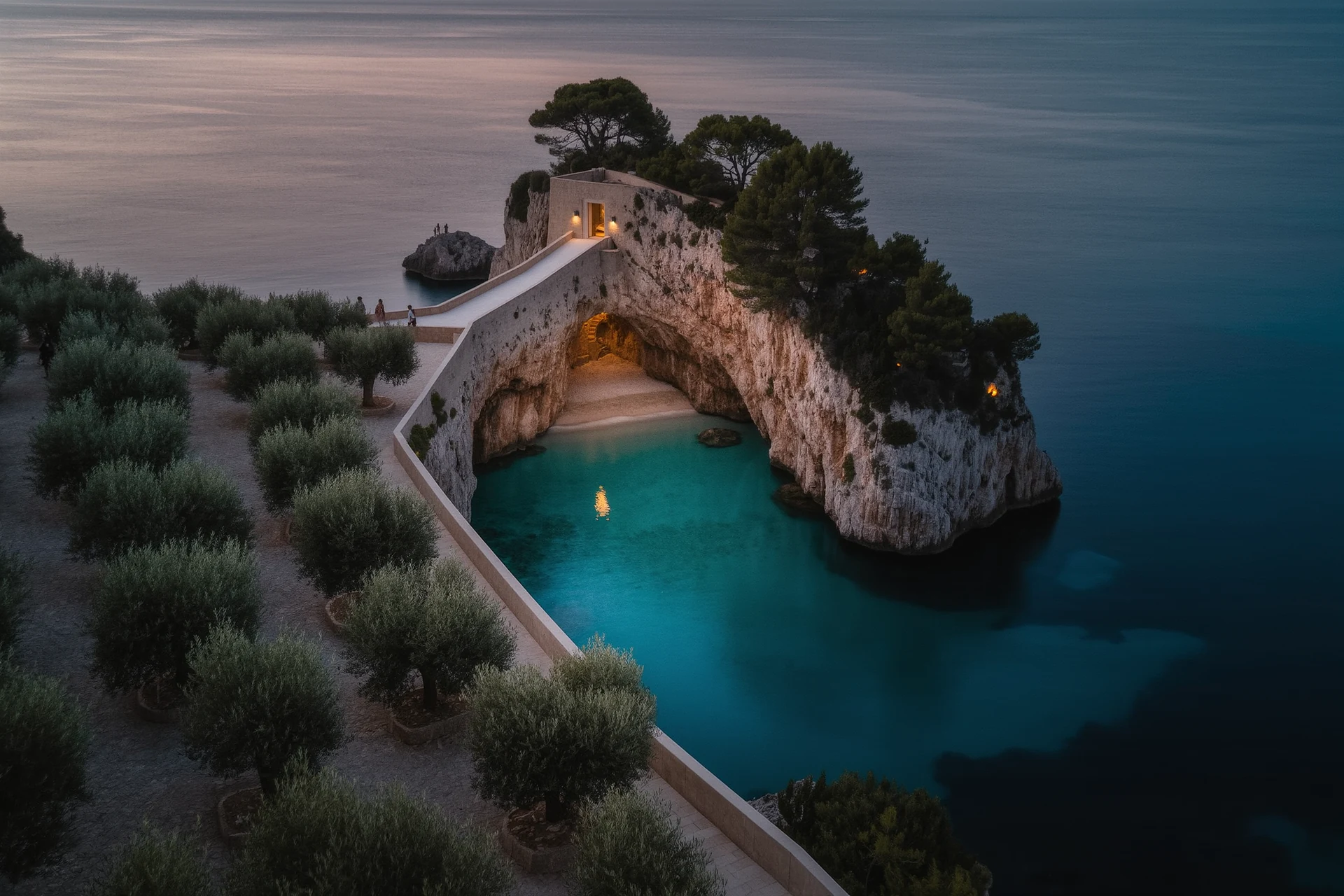
So, you’re looking for something a little off the beaten path in the Costa del Sol? You know, beyond the beachfront bars and the packed promenades? Good news! While it’s famous for its glitz and buzz, this stretch of southern Spain holds some truly delightful surprises if you know where to look. Forget the crowded hotspots for a moment, because we’re about to dive into places that offer a more authentic, perhaps even a little more magical, experience.
When people think of the Costa del Sol, they often picture coastal resorts. But venture just a little inland, and you’ll discover a completely different world: the pueblos blancos. These aren’t just random villages; they’re ancient settlements clinging to hillsides, their walls whitewashed to reflect the intense Andalusian sun. They offer a glimpse into a slower, more traditional way of life, with winding cobbled streets, tiny plazas, and breathtaking views.
Frigiliana: The Jewel in the Crown
Often cited as one of Spain’s most beautiful villages, Frigiliana is a must-see. Nestled just a short drive from Nerja, it’s a maze of narrow, flower-draped alleys that ascend the mountainside.
Exploring the Old Quarter (El Barribal)
The real charm of Frigiliana lies in its historic quarter, El Barribal. Every corner reveals a postcard-perfect scene. The houses are so close together, it feels like you’re walking through a living, breathing story. It’s incredibly photogenic, but more than that, it has a palpable sense of history.
Getting Lost is the Point
Don’t bother with a map here. The best way to experience Frigiliana is to simply wander. Turn down whichever alley catches your eye. You’ll stumble upon tiny artisan shops selling local ceramics and textiles, or hidden tapas bars with just a couple of tables spilling out onto the street.
The Scent of Orange Blossom
In spring, the air is thick with the scent of orange blossom. Even outside of spring, the citrus trees are abundant, adding a constant fresh fragrance to the air. Take your time, breathe it in.
Comares: The Balcony of the Costa del Sol
Perched high up, Comares offers panoramic views that are simply spectacular. It’s a bit more of a climb to get to, but the payoff is immense. They call it the “Balcón de la Costa del Sol” for a reason.
The Moorish Heritage
As you explore, you’ll notice the strong Moorish influence. The street names, the layout of the village itself, it all speaks of centuries past. Look out for the ancient walls and the remains of the old Arab fortress.
Hiking and Views
If you’re feeling active, there are some fantastic hiking trails around Comares. Even if you’re not a seasoned hiker, a short walk from the village edge will reward you with stunning vistas stretching all the way to the Mediterranean Sea. On a clear day, you can see for miles.
Gaucin: Artistic and Serene
Further west, Gaucin is a bit of a haven for artists and those seeking tranquility. It has a slightly more sophisticated feel than some of the other white villages, with a growing number of galleries and a more refined selection of restaurants.
The Castle and the Views
The Castillo de la Duquesa de Arcos dominates the skyline. Exploring its ramparts offers incredible views over the Genal Valley and towards the Rock of Gibraltar. It’s a powerful reminder of the strategic importance of this region historically.
Gallery Hopping
Wander through the town and you’ll find numerous small art galleries showcasing local and international talent. It’s a great way to pick up a unique souvenir and support the local art scene.
Beyond the Beaches: Undiscovered Coves and Coastal Trails
While finding a completely deserted beach on the Costa del Sol might be a dream, there are definitely spots that offer more seclusion and a wilder beauty than the well-trodden stretches. These require a bit more effort to reach but reward you with dramatic scenery and a sense of escape.
El Chorro Gorge: Nature’s Masterpiece
This isn’t strictly coastal, but it’s a relatively short, and very worthwhile, detour inland from the western Costa del Sol. El Chorro is a dramatic gorge carved by the Guadalhorce River, with towering cliffs and a stunning reservoir.
The Caminito del Rey: A Thrilling Walk
For the adventurous, the Caminito del Rey, the “King’s Walkway,” is an absolute must. This once-dreaded walkway has been completely renovated and is now a safe, albeit exhilarating, path clinging to the gorge walls. The views are literally breathtaking. Booking is essential here, often months in advance.
Birdwatching and Rock Climbing
Beyond the Caminito, the area is a paradise for birdwatchers, with many species of raptors soaring through the gorges. It’s also a world-renowned spot for rock climbing, attracting enthusiasts from around the globe.
The Embalse del Guadalhorce: Azure Waters
The turquoise waters of the reservoirs (embalses) here are an incredible contrast to the rugged rock. You can swim in designated areas, kayak, or simply find a quiet spot to picnic and admire the scenery.
Cala del Pino: A Tranquil Escape Near Estepona
Many people flock to the main beaches of Estepona, but veer off the main paths, and you might find quieter spots. Cala del Pino is a small, pretty cove that requires a bit of a walk to access, which naturally filters out the crowds.
The Walk to the Cove
The path down might be a little uneven, but it’s manageable and the anticipation builds with every step. Once you arrive, you’re rewarded with clear waters and a peaceful atmosphere.
Pack Accordingly
There are no facilities at Cala del Pino, so bring everything you need: water, snacks, sun protection, and anything else for a day by the sea. This lack of amenities is precisely what keeps it so serene.
The Coastal Path (Senda Litoral): A Work in Progress, But Rewarding
The Senda Litoral is an ambitious project aiming to create a continuous walking path along the entire Costa del Sol coastline. While not fully completed, many sections are already in place and offer fantastic opportunities for coastal exploration away from the busiest towns.
Discovering Hidden Access Points to the Sea
The beauty of the Senda Litoral is that it often passes by smaller, less-known access points to the sea. These might be rocky inlets or tiny, pebbly coves that don’t appear on most tourist maps.
Best Sections to Explore
Look for completed sections around areas like Nerja, Frigiliana (where it can lead you to some coastal paths), and further west near Marbella and Estepona, where sections are more developed. It’s worth checking local council websites for the most up-to-date information on open stretches.
Ancient History and Roman Ruins: More Than Just the Present
While the Costa del Sol is a modern holiday destination, its history stretches back millennia. Beneath the surface, and in some surprisingly accessible locations, lie remnants of civilizations that shaped this land long before the resorts were built.
Ronda: A Town Perched on a Precipice (with Roman Roots)
While Ronda is a well-known destination, many visitors focus solely on its iconic bridge. However, the town itself and its surroundings hold much more historical depth, including a significant Roman past.
Acinipo: The Roman City Near Ronda
Just a short drive from Ronda lies Acinipo, an important Roman city. This archaeological site is remarkably well-preserved, featuring a theater with stunning views, baths, and remnants of villas. It’s often surprisingly empty, giving you a real sense of wandering through ancient ruins.
Imagining Roman Life
Standing in the amphitheater, you can almost hear the echoes of Roman citizens. The scale of the construction is impressive, especially considering the tools and technology of the time. The panoramic views from here are also a major draw.
The Roman Bridge Puente Romano in Ronda
While the Puente Nuevo is the star, Ronda also boasts a much older Roman bridge, the Puente Romano. It’s a more understated structure, but a tangible link to the Roman engineers who first crossed the gorge.
Museo de Málaga: Unearthing the Past
The provincial museum in Malaga city offers a comprehensive look at the region’s history, from prehistoric times through to the Roman, Moorish, and beyond. It’s a great place to contextualize the ruins you might visit.
Phoenician and Roman Artifacts
You’ll find fascinating displays of Phoenician artifacts, Roman mosaics and sculptures, and Moorish pottery. It’s an accessible way to learn about the diverse cultures that have left their mark on the Costa del Sol.
Connecting the Dots
Visiting the museum before exploring archaeological sites can greatly enhance your understanding and appreciation of what you’re seeing. It helps to connect the fragmented pieces of history.
Inland Natural Parks: Mountains, Lakes, and a Different Kind of Green
Escaping the coast for a day trip inland opens up a world of natural beauty. The Sierra de las Nieves Natural Park and the Montes de Málaga Natural Park offer a stark contrast to the sun-baked coastline, with forests, hiking trails, and a cooler, more verdant landscape.
Sierra de las Nieves Natural Park: The Wild Heart
This park, a UNESCO Biosphere Reserve, is a truly wild and mountainous region. It’s famous for its ancient pinsapo (Spanish fir) forests, unique to this part of Andalusia.
Pinsapar Trails: Walking Among Giants
The trails through the pinsapar forests are particularly special. These ancient trees have a quiet, almost mystical presence. The air is cooler here, and the atmosphere is incredibly peaceful.
Best Access Points
While there are multiple entrances, areas around Tolox and Yunquera offer good starting points for exploring the pinsapar. Look for marked trails that guide you through the heart of the forest.
The Hairy Eagles of El Torcal (nearby)
While El Torcal de Antequera is not strictly within Sierra de las Nieves, it’s a spectacular natural area often combined with a trip to the park. Its unique limestone formations are otherworldly, and it’s a haven for birds of prey, including eagles.
Montes de Málaga Natural Park: Close to the City, Far from the Crowd
Just a short drive north of Malaga city, this park offers a welcome escape. It’s characterized by rolling hills covered in pine and olive trees, and a network of trails perfect for a half-day exploration.
Hiking and Picnicking Spots
There are designated picnic areas with facilities, making it an ideal spot for a family outing. The trails range from easy strolls to more strenuous climbs, offering something for most fitness levels.
Views Towards the Coast
From higher vantage points within the park, you can often catch glimpses of the Mediterranean Sea, a reminder of how close this natural haven is to the bustling coast.
The Importance of Water Sources
The park has several streams and natural springs, which contribute to its lushness and provide important water sources for local wildlife.
Gastronomic Delights: Beyond the Paella and Sangria
Sure, you can find decent paella and sangria everywhere, but the Costa del Sol offers so much more for the discerning palate. Venture into the less touristy towns and villages, and you’ll discover authentic Andalusian cuisine, often found in unassuming local restaurants.
“Chiringuitos” with Authentic Flavors
Chiringuitos are beachside restaurants, and while many cater to tourist tastes, there are hidden gems that serve incredibly fresh, local seafood prepared with traditional methods. Look for those that are busy with locals.
Freshly Grilled Fish (Espetos de Sardinas)
The quintessential Costa del Sol experience is espetos de sardines, sardines grilled on skewers over open coals, usually on the beach. While common, finding a chiringuito that does them exceptionally well, with the perfect char and seasoning, is pure joy.
Location Matters
The best espetos are often found further east towards Torre del Mar or further west in less developed stretches, where the tradition is more deeply ingrained.
Local Wines and Drams
Beyond the seafood, explore the local wines. Andalucía has some excellent, often overlooked, wines. Ask for recommendations for local “vino de la tierra” (wine of the region). Don’t shy away from trying a good “moscatel” from the Axarquía region.
Tapas Culture: Beyond the Tourist Traps
Tapas are an institution in Spain, but the quality and authenticity can vary wildly. Seek out bars in the older parts of towns, or those in villages further inland, for a more genuine experience.
The “Menu del Día”
For lunch, a “menu del día” (menu of the day) is often the best value and offers insight into everyday Spanish cooking. It typically includes a starter, main course, dessert, and a drink for a set price.
Don’t Be Afraid to Ask
If you’re unsure what something is, ask. Most Spanish people are happy to explain their food. This is also how you’ll discover the local specialties, like gazpacho (cold tomato soup), salmorejo (a thicker, creamier version), or regional stews.
Artisan Produce: The Flavors of the Land
The Costa del Sol isn’t just about the coast. The inland areas are rich with agriculture, producing excellent olive oil, wine, cheese, and honey.
Olive Oil Tasting
Regions like the Axarquía are renowned for their olive oil. Seek out local producers who offer tastings. The difference in quality and flavor compared to mass-produced oil is astounding.
Local Honey and Cheeses
Look for local honey producers, often selling from roadside stalls. And explore the world of Andalusian cheeses. “Queso de cabra” (goat cheese) is a particular specialty in many parts of the region.
Hidden Cultural Experiences: Flamenco and Local Festivals
While you’ll find flamenco shows in tourist hotspots, experiencing it in a more intimate setting, or stumbling upon a local festival, offers a deeper connection to Andalusian culture.
Intimate Flamenco Venues (Peñas Flamencas)
While many tourist-oriented flamenco shows are more about spectacle, seeking out a “peña flamenca” offers a more authentic and raw experience. These are often local clubs where flamenco artists perform for a discerning audience.
The Passion and Soul
It’s about the raw emotion and technical brilliance of the performers. The music, the dance, and the singing come together in a powerful expression of Andalusian soul.
How to Find Them
These aren’t always heavily advertised. Ask locals politely, check community notice boards in smaller towns, or look for online listings focusing on cultural events in less touristy areas. Malaga and Granada (a day trip away) have more of these venues.
Local Ferias and Romarías: The Heartbeat of the Community
If your visit coincides with a local town festival (“feria”) or pilgrimage (“romaría”), you’ve struck gold. These are the events where the community truly comes alive.
The Sounds and Smells of a Feria
Expect music, dancing, food stalls selling local delicacies, craft markets, and often a lively atmosphere that lasts late into the night. Each town has its own unique feria, often celebrating its patron saint.
Dress for Respect
While not strictly necessary for tourists, dressing a little more smartly than you might for a typical beach day can help you blend in and show respect for the occasion.
Romarías: A Spiritual and Social Gathering
A romaría is often a more traditional event, usually involving a procession on foot, horseback, or in decorated carts to a shrine or ermitage. It’s a beautiful blend of religious devotion and community celebration.
Experiencing True Andalusian Spirit
These events are less about performance and more about genuine participation. It’s a chance to witness the deep-seated traditions and the strong sense of community that defines Andalusian life.
By venturing beyond the obvious, you’ll find that the Costa del Sol offers so much more than its glamorous reputation suggests. These hidden gems are waiting to be discovered, offering a richer, more authentic, and ultimately more memorable experience of this beautiful part of Spain. Happy exploring!
FAQs
What is the Costa del Sol known for?
The Costa del Sol, located in the southern region of Spain, is known for its beautiful beaches, sunny weather, and vibrant nightlife. It is a popular tourist destination, attracting visitors from all over the world.Are there any secret places to visit in Costa del Sol?
Yes, there are several hidden gems and secret places to explore in Costa del Sol. These include secluded beaches, charming villages, and off-the-beaten-path hiking trails that offer a more authentic and less crowded experience for travelers.What are some examples of secret places in Costa del Sol?
Some examples of secret places in Costa del Sol include the picturesque village of Mijas Pueblo, the hidden coves of Nerja, the tranquil town of Frigiliana, and the stunning natural landscapes of Sierra de las Nieves National Park.How can I find these secret places in Costa del Sol?
To discover the secret places in Costa del Sol, it is recommended to do some research online, seek recommendations from locals, or consider hiring a guide who is familiar with the area. Additionally, exploring off-the-beaten-path areas and being open to spontaneous adventures can lead to unexpected discoveries.What should I keep in mind when visiting secret places in Costa del Sol?
When visiting secret places in Costa del Sol, it is important to respect the natural environment, follow any local regulations or guidelines, and be mindful of the impact of tourism on these hidden gems. Additionally, it is advisable to be prepared for off-the-beaten-path adventures, including bringing appropriate gear and supplies.More from Hidden Gems
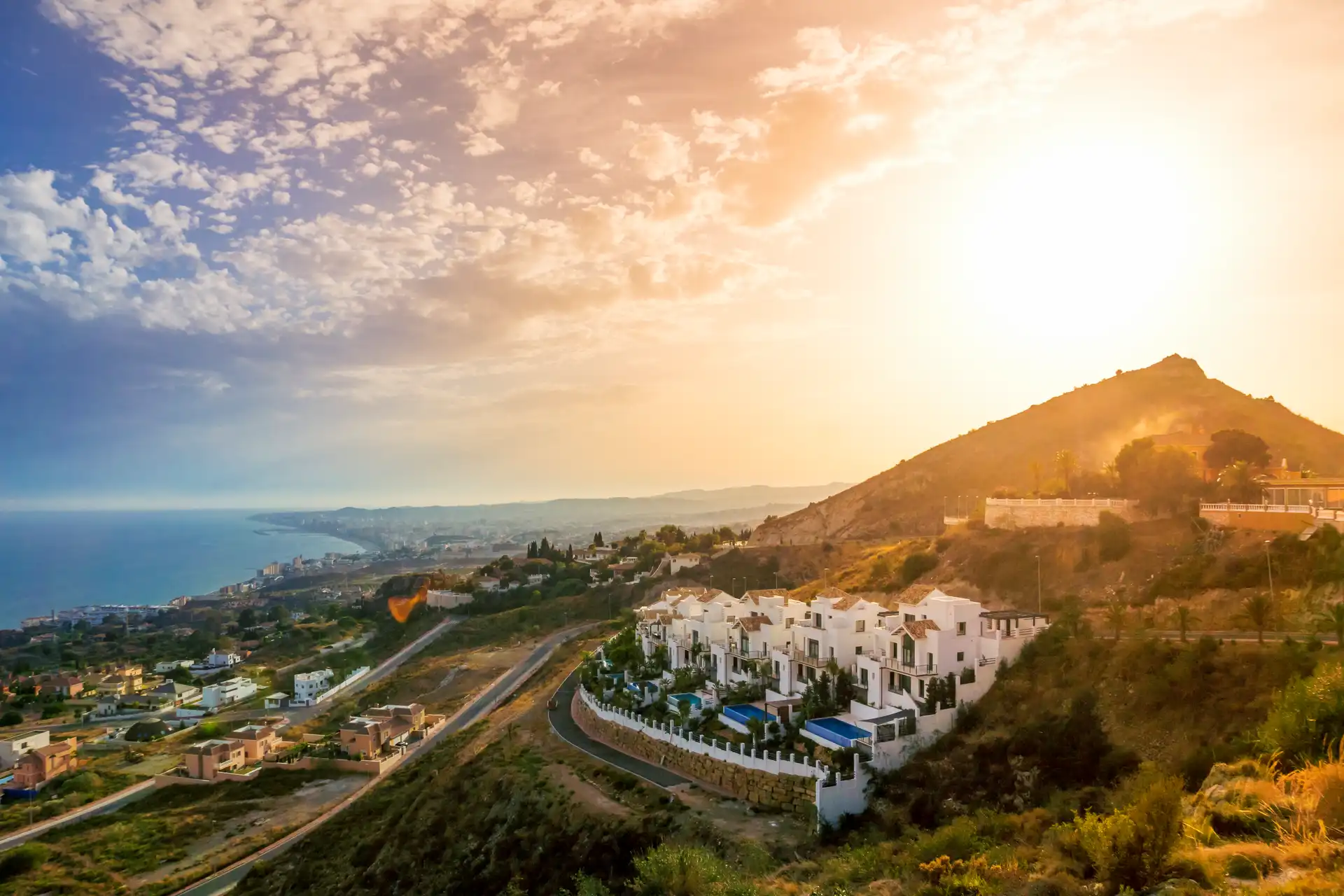
Chic Costa del Sol: Boutique Bliss
So, you’re thinking about a trip to the Costa del Sol but want to skip the mega-resorts and find something a little more… special? You’re …
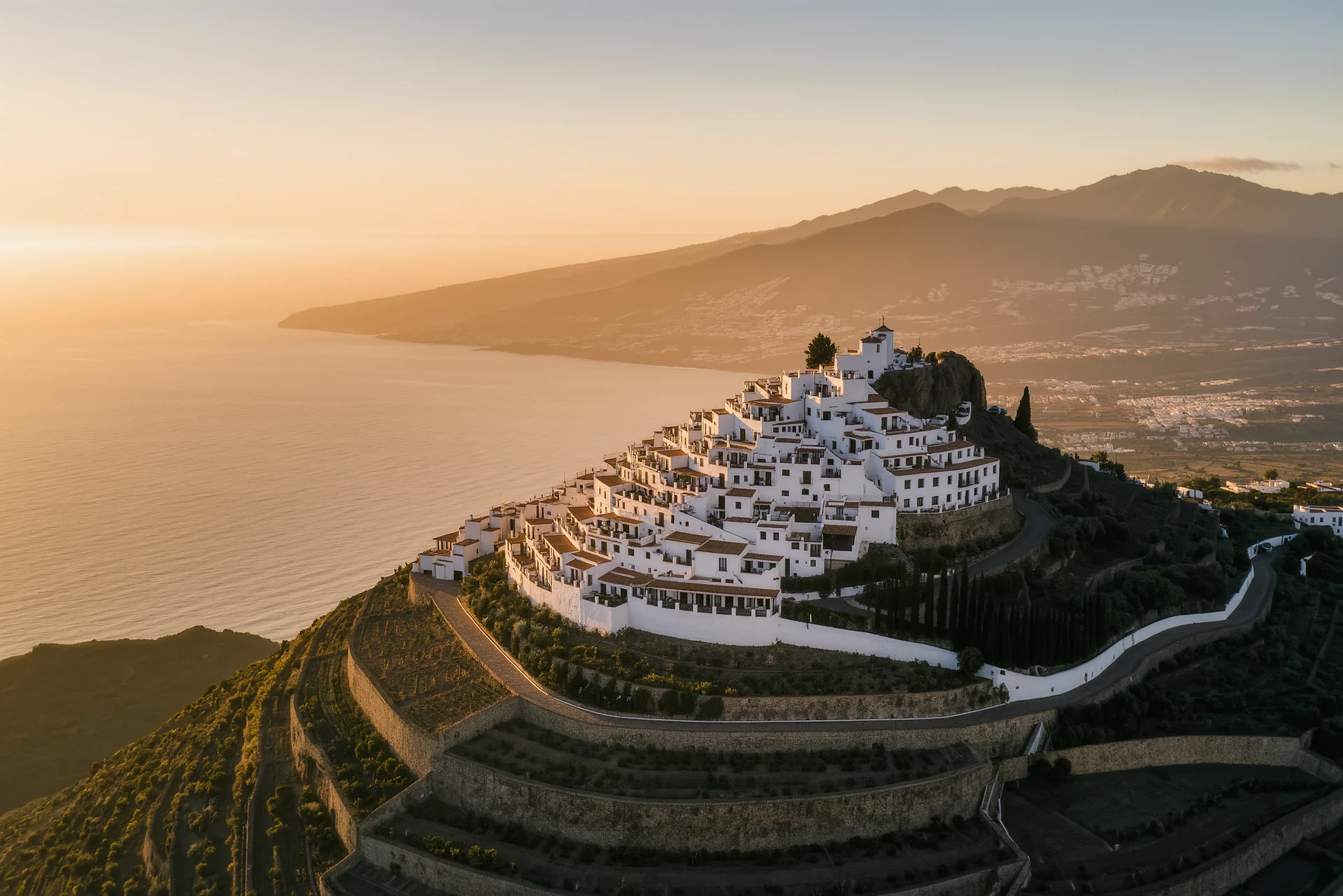
Charming Towns Near Marbella: Exploring the Costa del Sol
Looking for that quintessential Spanish charm beyond the glitz of Marbella? You’re in luck! The Costa del Sol is dotted with genuinely lovely to…
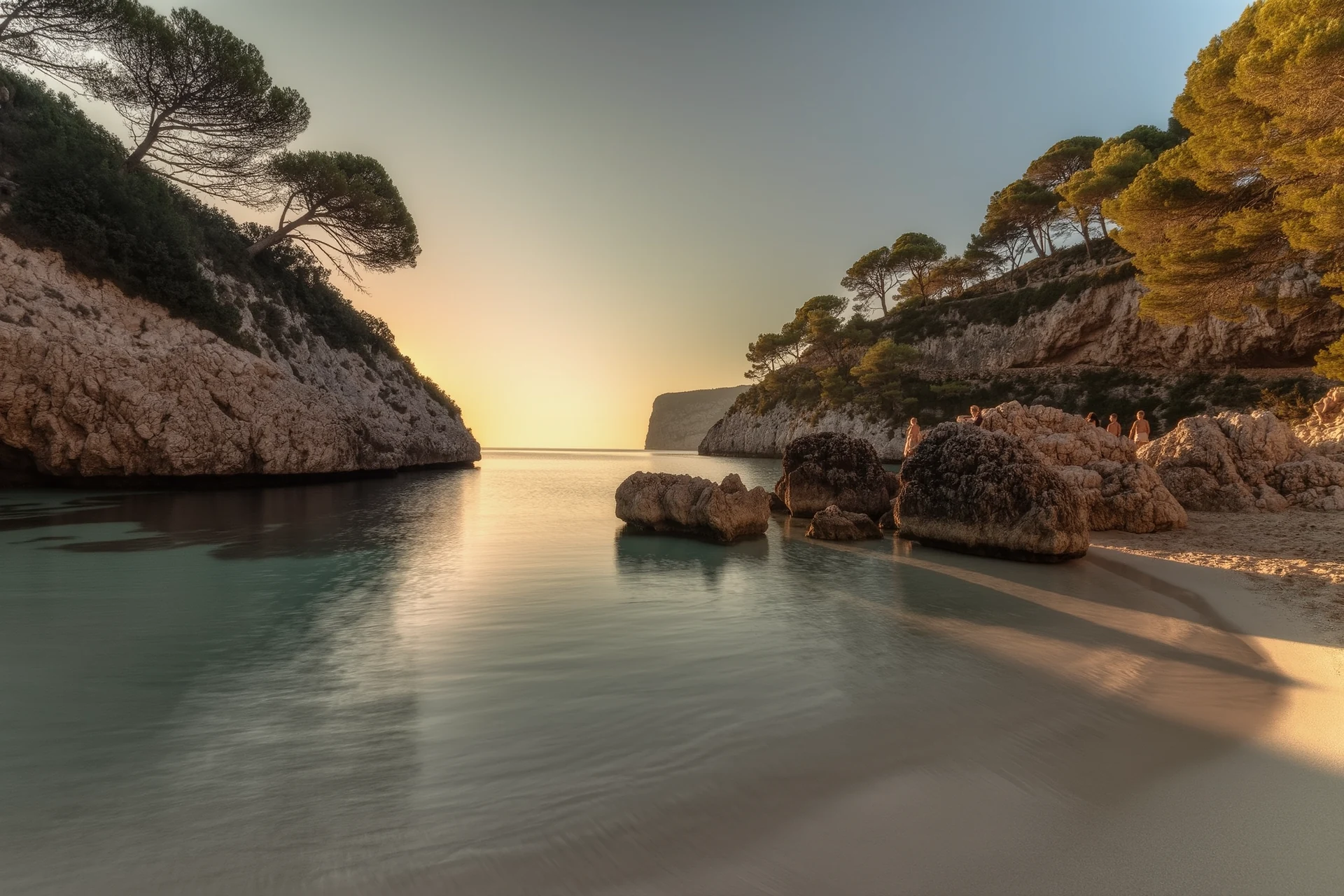
Secret Coves: Costa del Sol’s Hidden Gems
Looking for those tucked-away beaches on the Costa del Sol? While the main playas are great for families and facilities, sometimes you just want a bit…