Indulge in Exquisite Mediterranean Cuisine in Spain
Spain, a country renowned for its vibrant culture and stunning landscapes, is also a culinary paradise, especially when it comes to Mediterranean cuisine. If you’re wondering…
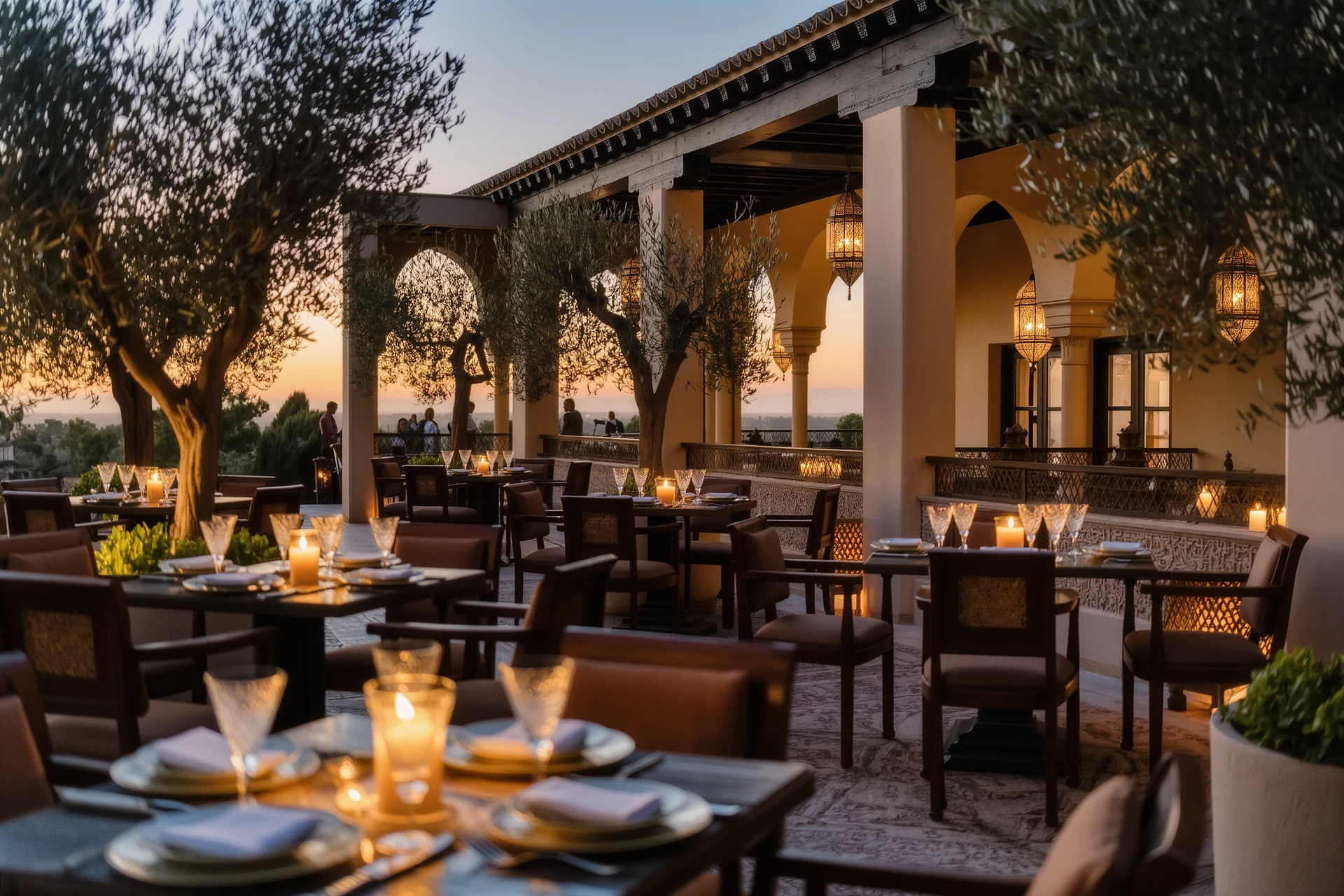
Spain, a country renowned for its vibrant culture and stunning landscapes, is also a culinary paradise, especially when it comes to Mediterranean cuisine. If you’re wondering where to find the best Mediterranean flavors, look no further than Spain itself. Its diverse regions offer a gastronomic journey through fresh, healthy, and incredibly tasty dishes influenced by centuries of tradition and a bountiful natural larder. From the sunny coasts of Andalusia to the bustling markets of Catalonia, you’ll discover an authentic and deeply satisfying experience of this globally cherished diet.
Mediterranean cuisine isn’t just about the food; it’s a lifestyle. In Spain, this means long, leisurely meals, often shared with family and friends, focusing on fresh, seasonal ingredients. It’s about savoring each bite and enjoying the company.
What Defines Spanish Mediterranean?
At its core, Spanish Mediterranean cuisine emphasizes vegetables, fruits, whole grains, legumes, nuts, and healthy fats like olive oil. Fish and seafood are prominent, especially in coastal areas, while poultry, eggs, and dairy are consumed in moderation. Red meat is typically a smaller portion of the diet, enjoyed less frequently. Herbs and spices, rather than heavy sauces, play a crucial role in flavoring.
Olive Oil: The Golden Elixir
You can’t talk about Mediterranean food in Spain without highlighting olive oil. It’s more than just a cooking fat; it’s a foundational ingredient, a condiment, and a cultural symbol. Spain is the world’s largest producer of olive oil, and its quality is exceptional. You’ll find it drizzled over salads, used for frying, and even served with bread for dipping.
Essential Spanish Mediterranean Dishes to Try
While the sheer variety of Spanish Mediterranean food is vast, there are some iconic dishes you absolutely must experience to truly understand its essence.
Paella: More Than Just Rice
Often mistakenly thought of as the national dish, paella is actually a Valencian specialty. However, its influence has spread throughout Spain, with various regional interpretations. The authentic Valencian paella uses chicken, rabbit, and green beans, often cooked over an open fire to achieve a smoky flavor.
Seafood Paella: A Coastal Classic
Along the coasts, seafood paella is king. This version typically features a colorful array of fresh shellfish, including prawns, mussels, and clams, often with squid or fish. The saffron-infused rice absorbs all the delicious flavors of the sea.
Fideuà: The Noodle Alternative
For those who love paella but want a slight variation, fideuà is a fantastic choice. Originating from the Valencian coast, fideuà replaces rice with short, thin noodles, cooked in a similar seafood broth and often served with aioli.
Tapas: A Culinary Expedition
Tapas are small plates of food, perfect for sharing and sampling a variety of dishes. They embody the social aspect of Spanish dining and are an excellent way to explore many Mediterranean flavors in one sitting.
Patatas Bravas: Simple Perfection
A universally loved tapa, patatas bravas are crispy fried potato cubes served with a spicy tomato sauce. The exact spice level and consistency of the sauce vary by region and establishment, making it an exciting quest to find your favorite.
Gambas al Ajillo: Garlicky Delight
These sizzling garlic shrimp are a staple. Prawns are cooked in olive oil with plenty of garlic and sometimes a hint of chili, typically served straight from a hot clay pot. The aroma alone is enough to get your mouth watering.
Pimientos de Padrón: A Game of Chance
Hailing from Galicia, Pimientos de Padrón are small green peppers, pan-fried in olive oil and sprinkled with sea salt. The fun part? Most are mild, but every now and then, you’ll encounter a spicy one!
Gazpacho and Salmorejo: Refreshing Soups
These cold soups are perfect for the warm Spanish climate, packed with fresh vegetables and incredibly healthy.
Gazpacho: The Andalusian Icon
Gazpacho is a vibrant, uncooked tomato-based soup, blended with cucumber, bell pepper, onion, garlic, olive oil, and sometimes bread. It’s light, refreshing, and bursting with summery flavors.
Salmorejo: Creamier and Thicker
From Córdoba, salmorejo is a thicker, heartier version of gazpacho, made with tomatoes, bread (for creaminess), olive oil, and garlic. It’s often garnished with hard-boiled egg and serrano ham, adding texture and savory notes.
Regional Mediterranean Specialties Worth Exploring
Spain’s geographic diversity means that Mediterranean cuisine takes on unique characteristics in different regions. Each area offers its own culinary treasures.
Catalonia: Sophisticated and Resourceful
Catalan cuisine is a refined form of Mediterranean cooking, often incorporating both seafood and mountain ingredients. It’s known for its “mar i muntanya” (sea and mountain) combinations.
Escalivada: Smoky Vegetable Medley
Escalivada features grilled vegetables like eggplant, bell peppers, and onions, slowly charred until smoky and tender, then peeled, sliced, and dressed with olive oil and garlic. It’s a fantastic vegetarian dish or side.
Suquet de Peix: Fisherman’s Stew
This hearty fish stew is a quintessential Catalan dish. Various types of fish and shellfish are cooked in a savory broth with potatoes, garlic, tomatoes, and often almonds, creating a rich and comforting meal.
Andalusia: Flavors of the South
Andalusia, in the south of Spain, is practically synonymous with Mediterranean living. Its food is often vibrant, fresh, and deeply rooted in tradition, with influences from Moorish history.
Fried Fish (Pescaito Frito): A Coastal Treat
Along the Andalusian coast, especially around cities like Málaga and Cádiz, pescaito frito is a must-try. Various types of small fish (like anchovies, sardines, or small squid) are lightly floured and quickly fried, served hot and crispy with a squeeze of lemon.
Espetos de Sardinas: Marbella’s Signature
In coastal areas of Andalusia, particularly Marbella, you’ll find espetos de sardinas. Fresh sardines are skewered on reeds and grilled over an open wood fire (often in a small boat filled with sand), imparting an incredible smoky flavor. They are simple, fresh, and incredibly delicious.
The Balearic Islands: Island Flavors
The Balearic Islands (Majorca, Minorca, Ibiza, Formentera) offer Mediterranean cuisine with a unique island twist, often featuring local produce and seafood.
Tumbet: Majorca’s Layered Delight
Tumbet is a Majorcan vegetable dish resembling ratatouille but with a distinct flavor. Layers of sliced eggplant, potatoes, and red bell peppers are fried separately, then cooked in a rich tomato sauce, creating a heartwarming and flavorful vegetarian meal.
Caldereta de Langosta: Minorca’s Luxurious Stew
Hailing from Minorca, Caldereta de Langosta is a highly prized and expensive lobster stew. Fresh lobster is cooked in a flavorful broth with tomatoes, garlic, onion, and bell peppers, often served alongside thinly sliced toasted bread. It’s a true indulgence.
Embracing the Mediterranean Lifestyle in Spain
Beyond specific dishes, truly indulging in exquisite Mediterranean cuisine in Spain means adopting some of the local customs and dining habits.
Market Visits: The Freshest Ingredients
Spanish markets are vibrant hubs of activity and the best place to witness the foundation of Mediterranean cooking: fresh, seasonal ingredients. Visiting markets like La Boqueria in Barcelona or Mercado de San Miguel in Madrid allows you to see, smell, and taste the produce, seafood, and cured meats that form the cornerstone of Spanish cuisine. Don’t be afraid to try samples!
The Art of the Siesta and Dinner Hours
While the traditional siesta might be less common in bustling city centers, the Spanish approach to evening meals is still distinct. Dinner is typically eaten much later than in many other countries, often starting around 9:00 PM or even later. This allows for a more relaxed pace, enjoying a leisurely afternoon and perhaps tapas before the main evening meal.
Wine and Socializing: More Than Just Food
Wine, particularly local Spanish wines like Rioja or Ribera del Duero, is an integral part of the Mediterranean diet and Spanish dining culture. It’s often enjoyed with meals as a way to enhance flavors and further the social experience. Meals in Spain are rarely rushed; they are opportunities for conversation, laughter, and connection.
Practical Tips for Your Culinary Journey
To make the most of your Mediterranean food experience in Spain, keep a few practical points in mind.
Seek Out Local Recommendations
Don’t just stick to tourist traps. Ask locals, hotel staff, shopkeepers, or even your taxi driver, for their favorite authentic restaurants or tapas bars. They often know the hidden gems where the food is truly exceptional and made with passion.
Eat Seasonally and Regionally
Pay attention to what’s in season. Spanish cuisine thrives on freshness, so eating seasonally ensures you’re getting the best flavors. Similarly, embrace the regional specialties; a dish that’s incredible in Andalusia might be prepared entirely differently, or not at all, in Galicia.
Don’t Be Afraid to Experiment
While you’ll have your favorite dishes, don’t shy away from trying new things. Spain’s culinary landscape is vast and varied. A seemingly unusual combination might turn out to be your new favorite. Many menus offer explanations, and waiters are usually happy to help.
In conclusion, embarking on a Mediterranean culinary journey in Spain is more than just eating; it’s about experiencing a rich culture, a healthy lifestyle, and an unparalleled passion for food. From the simplest pan con tomate to an elaborate paella, every dish tells a story of tradition, local produce, and the joy of sharing. So, pack your appetite and get ready to indulge in the exquisite flavors that define Spanish Mediterranean cuisine.
FAQs
What is Mediterranean fine dining?
Mediterranean fine dining refers to the culinary style and experience that focuses on the use of fresh, high-quality ingredients commonly found in the Mediterranean region. This style of dining often emphasizes seafood, olive oil, fresh vegetables, and herbs, and is known for its light and flavorful dishes.What are some typical dishes found in Mediterranean fine dining?
Typical dishes found in Mediterranean fine dining include paella, grilled seafood, tapas, gazpacho, and various types of pasta and risotto. These dishes often incorporate ingredients such as tomatoes, olives, olive oil, garlic, and fresh herbs.What makes Spain a popular destination for Mediterranean fine dining?
Spain is a popular destination for Mediterranean fine dining due to its rich culinary traditions, access to fresh seafood, and abundance of high-quality olive oil and produce. The country’s diverse regions also contribute to a wide variety of flavors and dishes, making it a sought-after destination for food enthusiasts.What are some key elements of a Mediterranean fine dining experience?
Key elements of a Mediterranean fine dining experience include a focus on fresh, seasonal ingredients, simple yet elegant presentation, and a relaxed and leisurely dining atmosphere. The use of traditional cooking methods such as grilling and roasting also plays a significant role in creating an authentic Mediterranean dining experience.What are some popular wine pairings for Mediterranean fine dining?
Popular wine pairings for Mediterranean fine dining include Spanish red wines such as Tempranillo and Rioja, as well as white wines such as Albariño and Verdejo. Additionally, Mediterranean cuisine often pairs well with rosé wines and sparkling wines such as Cava.More from Fine Dining
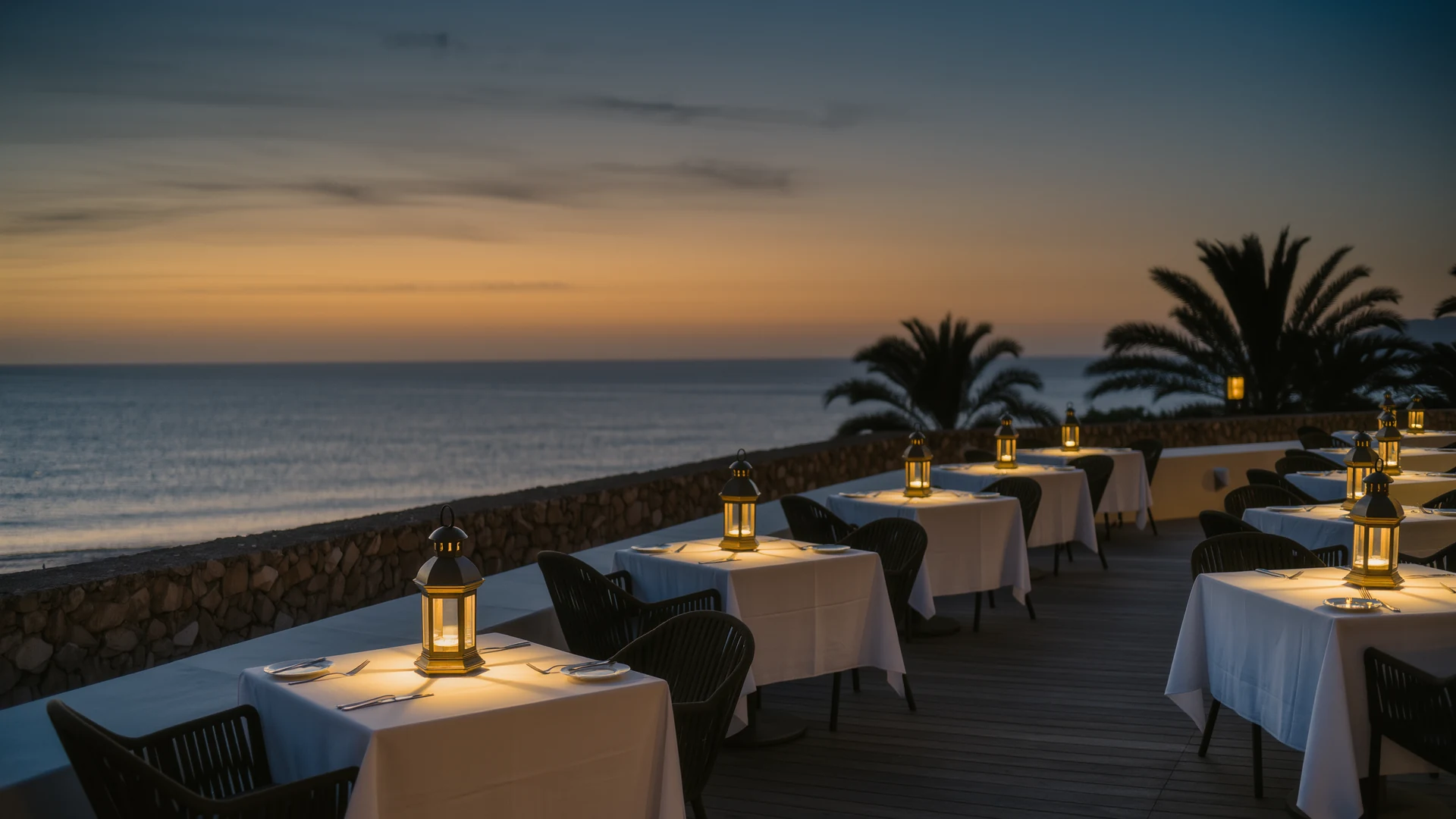
Costa del Sol Gastronomy Guide
Costa del Sol gastronomy guide: discover Málaga’s Michelin stars, espeto chiringuitos, tapas crawls, food markets, and sweet Málaga wines across…
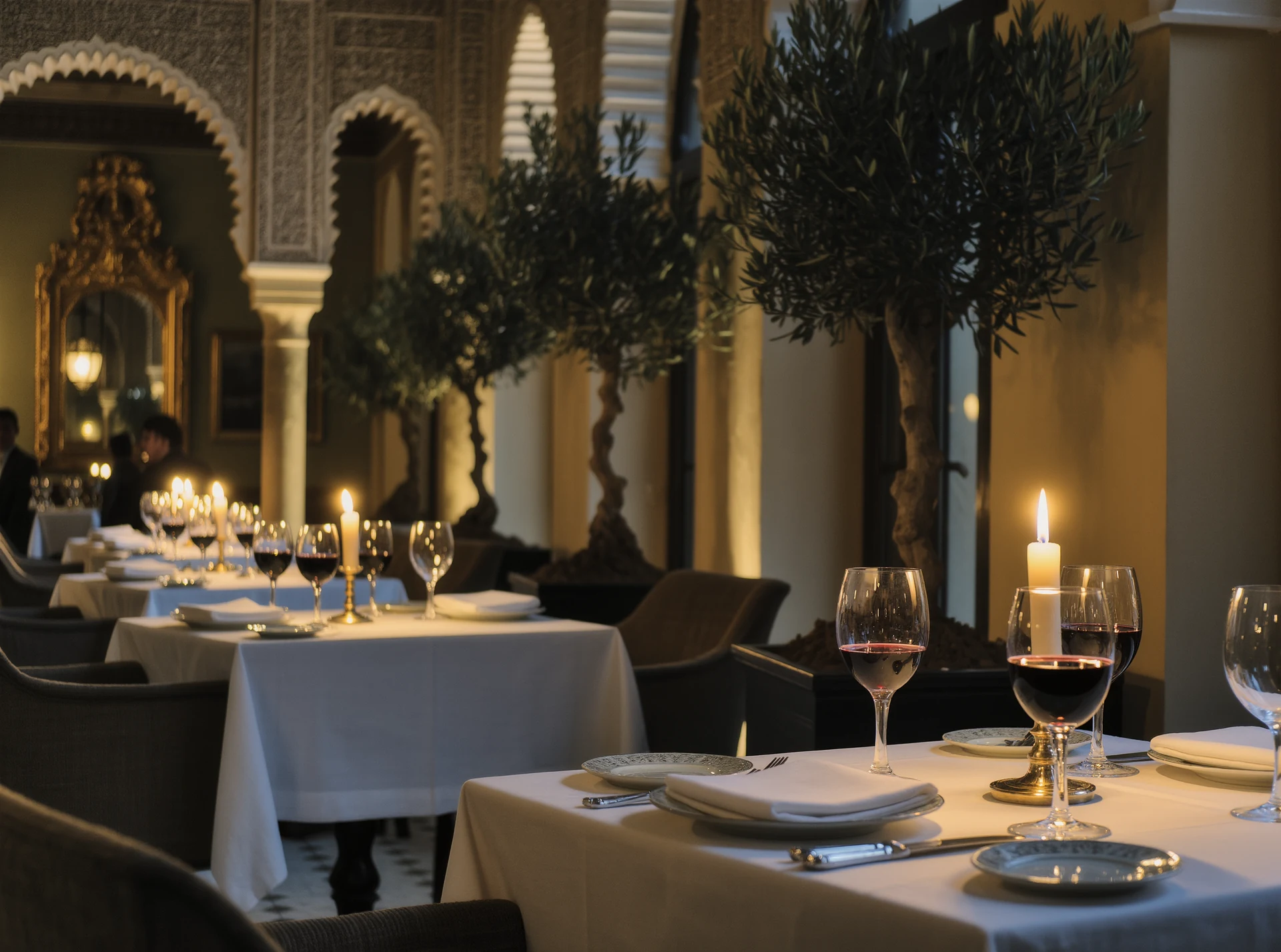
Indulge in Luxury Gastronomy: Spain’s Culinary Delights
You’re probably here because you’re wondering what “luxury gastronomy” in Spain actually means. Simply put, it’s about e…
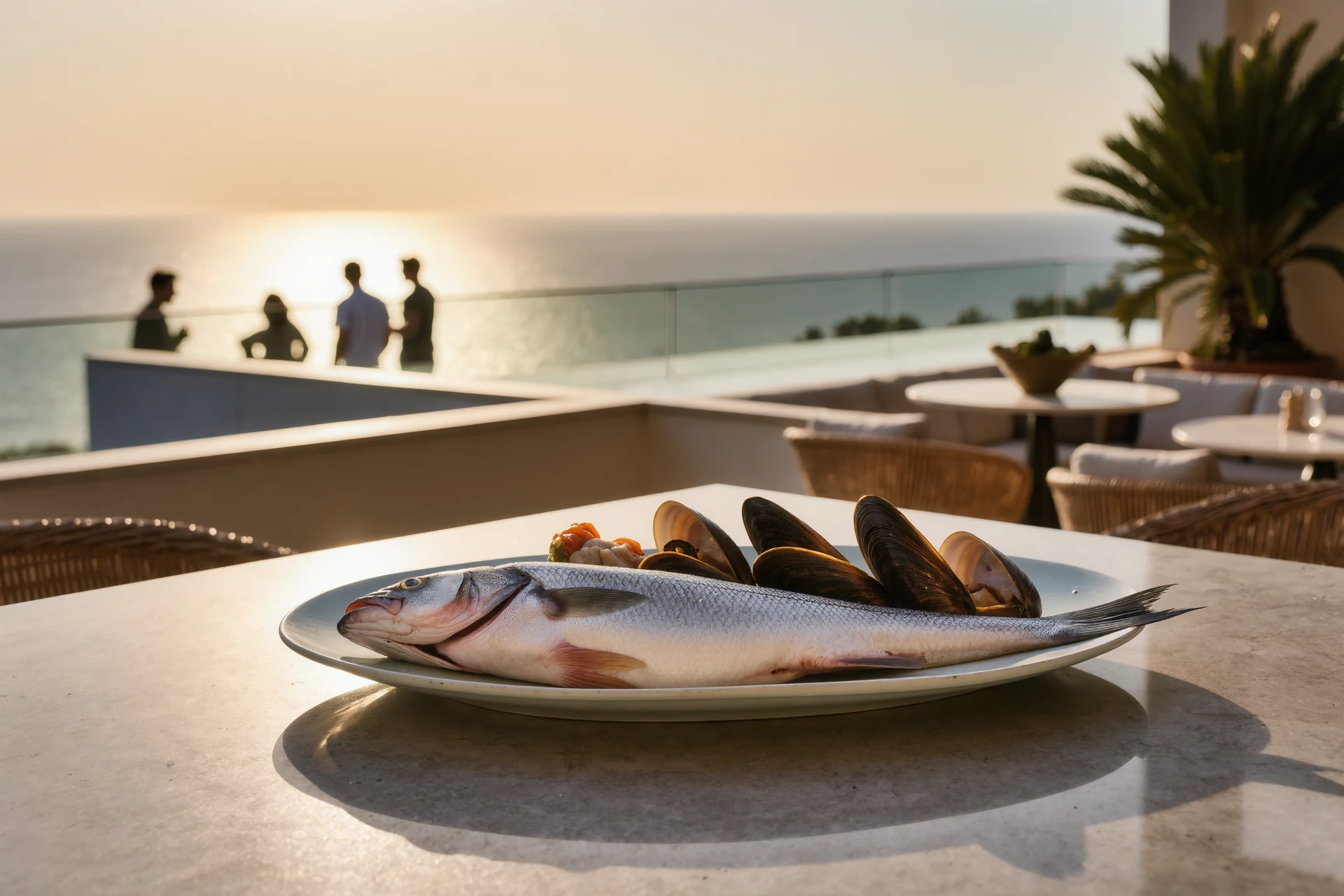
Top Seafood Restaurants on the Costa del Sol
If you’re wondering where to find incredible seafood on the Costa del Sol, you’re in luck. This stretch of coastline is renowned for its f…