Indulge in Exquisite Seafront Dining
Ever wonder if there’s more to seafront dining than just a nice view? Absolutely. It’s about a multi-sensory experience that goes far beyond a pretty backdrop. We’re ta…

Ever wonder if there’s more to seafront dining than just a nice view? Absolutely. It’s about a multi-sensory experience that goes far beyond a pretty backdrop. We’re talking about fresh, locally sourced ingredients, the ambiance created by the sea itself, and restaurants that genuinely understand how to elevate a meal into a memorable occasion. It’s less about simple sustenance and more about how the sound of waves, the scent of salt in the air, and the unique flavors of coastal cuisine converge to create something truly special.
When you choose to dine by the sea, you’re not just picking a table with a nice outlook. You’re opting for an experience that’s intrinsically linked to its surroundings. This isn’t about generic “ocean views” but about the deep connection between the food on your plate and the waters stretching out before you.
The Unmistakable Taste of Freshness
One of the cornerstones of exceptional seafront dining is, unsurprisingly, the freshness of the seafood. It’s not just a marketing slogan; it’s a fundamental difference you can taste.
From Boat to Table: A Direct Connection
Many top-tier seafront establishments boast direct relationships with local fishermen. This isn’t just about supporting local economies, though that’s a welcome bonus. It’s about minimizing transit time and ensuring that what lands on your plate was swimming in the sea mere hours before. This direct connection often means you’re getting species unique to the specific coastline, prepared with a deep understanding of their individual characteristics.
Seasonal Delights: Embracing Nature’s Bounty
Just like land-based produce, seafood has its seasons. A truly good seafront restaurant will tailor its menu to reflect what’s currently abundant and at its peak. This might mean different catches available at different times of the year, leading to dynamic menus that change with the seasons. It’s an approach that celebrates nature’s cycles and results in superior flavor and quality. You’re less likely to find frozen, imported alternatives and more likely to discover a chef’s innovative take on what the local waters are currently offering.
The Ambiance: A Natural Symphony
The soundtrack of waves, the gentle sea breeze, and the evolving light of the coastal sky all contribute to an atmosphere that’s impossible to replicate inland. This natural ambiance is a key ingredient in the overall dining experience.
The Soothing Soundtrack of the Ocean
There’s a subtle psychology to dining by the sea. The rhythmic crash of waves can be incredibly calming, setting a relaxed tone for your meal. It’s a natural white noise that helps to filter out other distractions, allowing you to focus more on your company and the food before you. This isn’t background music; it’s an integral part of the environment.
Evolving Light: From Golden Hour to Starlit Skies
The changing light throughout the day adds another layer to the dining experience. A midday lunch offers bright, expansive views. Sunset, often referred to as “golden hour,” casts a warm, magical glow over the water, transforming the landscape into a painter’s canvas. As dusk settles and stars begin to emerge, the atmosphere shifts again, becoming more intimate and serene. Each moment offers a distinct visual and emotional experience.
Crafting the Culinary Experience: Beyond Simple Grilling
While grilling fresh fish is always a delight, true seafront dining often involves a more thoughtful and refined approach to preparation, one that complements the natural setting without overshadowing it.
Regional Specialties and Local Ingredients
Great seafront dining often involves a deep dive into the culinary traditions of the region, using ingredients that reflect the local terroir, or, in this case, “marroir.”
Showcase of Local Catches
Beyond just freshness, there’s an emphasis on showcasing the specific types of fish and shellfish that are characteristic of the local waters. This could mean a particular type of oyster cultivated nearby, a unique preparation of a regional fish, or even foraged sea vegetables. Chefs often take pride in highlighting these local treasures, sometimes even offering explanations of their origins and harvesting methods.
Pairing with Land-Based Produce
It’s not just about what comes from the sea. Many coastal regions also boast fertile land, producing exceptional fruits, vegetables, and herbs. The best chefs skillfully integrate these land-based ingredients, creating a harmonious balance that reflects the entire local ecosystem. Think fresh herbs that grow well in salty air, or vegetables ripened by coastal sunshine, perfectly complementing the rich flavors of the seafood.
Innovative Culinary Techniques
While tradition is valued, modern seafront restaurants also embrace innovation, elevating familiar ingredients with contemporary flair.
Delicate Preparations to Enhance Flavor
Instead of masking flavors with heavy sauces, top chefs often opt for preparations that highlight the natural taste of the seafood. This might involve precise cooking temperatures, gentle marinades, or techniques that bring out inherent sweetness or umami. The goal is to enhance, not overpower, the star of the dish.
Artistic Presentation: A Feast for the Eyes
The visual appeal of the dish is just as important as its taste, especially in such a picturesque setting. Chefs often treat the plate as a canvas, arranging ingredients in a way that is both aesthetically pleasing and reflects the natural beauty of the environment. Garnishes might evoke the sea, or colors might mirror a sunset, adding another layer to the sensory experience.
Finding Your Perfect Culinary Anchor: What to Look For
With so many options, how do you distinguish truly exceptional seafront dining from merely average? It comes down to a few key indicators that point towards a commitment to quality and experience.
Beyond the Menu: Service and Atmosphere
While the food is paramount, the overall experience is heavily influenced by the service and the restaurant’s integrated design.
Knowledgeable and Attentive Staff
Good service in a seafront setting isn’t just about efficiency; it’s about genuine hospitality and a deep understanding of the menu. Staff should be able to articulate the origin of the seafood, recommend wine pairings that complement the coastal flavors, and anticipate your needs without being intrusive. They are part of guiding you through the experience.
Thoughtful Design and Layout
The best seafront restaurants aren’t just placed by the water; their design integrates seamlessly with the environment. This might involve open-air dining areas that maximize views and breezes, natural materials that echo the coastline, or lighting that enhances the nighttime ambiance without disrupting the view of the stars. Every element should contribute to a cohesive and comfortable experience. You want to feel connected to the environment, not separated from it.
Reputation and Reviews: A Reliable Guide
While personal taste varies, consistent positive feedback often indicates a high standard.
Local Recommendations
Always ask locals. They know the hidden gems, the places that consistently deliver, and the spots that capture the true essence of their coastal community. Their insights are invaluable, often pointing you towards establishments that don’t rely solely on tourist traffic.
Discerning Online Reviews
When checking online reviews, look for specifics. Do people consistently praise the freshness of the seafood? Do they mention excellent service? Are particular dishes repeatedly highlighted? Pay attention to reviews that describe the experience rather than just a fleeting impression of a single meal. A restaurant with a long history of positive, detailed feedback is usually a good bet.
The Broader Impact: Sustainability and Community
True excellence in seafront dining often extends beyond the plate, encompassing a commitment to the environment and the local community that supports it.
Responsible Sourcing: Protecting Our Oceans
The best seafront restaurants understand their direct connection to the health of the ocean and act accordingly.
Sustainable Fishing Practices
This is increasingly important. Look for restaurants that openly state their commitment to sustainable seafood sourcing. This means choosing suppliers who use responsible fishing methods, avoid overfished species, and support marine conservation efforts. Often, they will list specific certifications or partnerships on their menu. It’s a sign of a forward-thinking establishment that cares about the future of its ingredients.
Minimizing Environmental Footprint
Beyond the fish itself, top establishments consider their overall environmental impact. This could involve reducing single-use plastics, composting food waste, using energy-efficient practices, or even participating in local beach clean-ups. These efforts reflect a holistic approach to being a good neighbor to the ocean.
Supporting Local Economies
A great seafront restaurant often acts as an economic anchor for its community.
Partnerships with Local Producers
This extends beyond fishermen to local farmers, cheesemakers, and even artisans who provide decor or amenities. By sourcing locally, these restaurants not only ensure fresh ingredients but also help to sustain the vibrant small businesses that make a coastal region unique. It’s a symbiotic relationship that benefits everyone.
Community Engagement
Many establishments go a step further, engaging with the community through events, supporting local charities, or offering educational programs related to marine life or local cuisine. They become more than just a place to eat; they become a part of the fabric of the community.
Preparing for Your Seafront Dining Adventure
To truly make the most of your experience, a little preparation can go a long way. This isn’t about rigid planning, but rather enhancing the spontaneity with a few practical considerations.
Timing is Everything: Optimizing Your Visit
Choosing the right time can significantly impact your dining pleasure when sitting by the ocean.
Sunset Reservations: The Golden Ticket
If capturing that breathtaking “golden hour” view is a priority, book your table well in advance, specifically requesting a spot with an unobstructed view during sunset. The exact time will vary seasonally, so a quick online search or a call to the restaurant can confirm the ideal reservation slot. This popular time often fills up quickly.
Weekday vs. Weekend Ambiance
Consider the atmosphere you prefer. Weekends, especially during peak season, can be bustling and vibrant, but also louder and potentially less intimate. Weekdays often offer a more relaxed pace, potentially better service, and easier booking. If you’re seeking tranquility, a weekday lunch or early dinner might be more appealing.
Practical Comforts: Enhancing Your Experience
The natural elements that make seafront dining special can also require a few small adjustments.
Layers are Your Friend: Dealing with Ocean Breezes
Even on a warm day, a sea breeze can pick up, especially as the sun sets. Bringing a light jacket, cardigan, or shawl is always a good idea to ensure you remain comfortable throughout your meal, allowing you to fully enjoy the open-air setting without getting chilly.
Sun Protection (And Maybe Bug Spray)
For daytime dining, don’t forget sunglasses and perhaps a hat. If you’re dining at dusk, especially in areas with vegetation nearby, a little insect repellent might be a thoughtful addition to your bag, ensuring pesky mozzies don’t interrupt your enjoyment of the ambiance.
In conclusion, seafront dining is far more nuanced than just a pretty backdrop. It’s a holistic experience where the freshness of the catch, the expertise of the kitchen, the seamless service, and the natural symphony of the ocean converge to create genuinely memorable moments. It’s about savoring not just the food, but the very essence of the coast. When chosen wisely, it provides an exquisite sensory journey that nourishes both body and soul, connecting you intimately to the beautiful, ever-giving sea.
FAQs
What is fine dining with sea views?
Fine dining with sea views refers to the experience of enjoying high-quality, gourmet meals at a restaurant while also being able to take in beautiful views of the ocean.What types of cuisine are typically offered at fine dining restaurants with sea views?
Fine dining restaurants with sea views often offer a variety of cuisines, including seafood, Mediterranean, and fusion dishes. These restaurants may also feature a selection of premium wines and cocktails to complement the dining experience.What are some popular locations for fine dining with sea views?
Popular locations for fine dining with sea views include coastal cities and towns, beachfront resorts, and waterfront dining establishments. These locations offer patrons the opportunity to enjoy their meals while taking in stunning ocean vistas.What should I expect in terms of ambiance and service at a fine dining restaurant with sea views?
At a fine dining restaurant with sea views, patrons can expect a sophisticated and elegant ambiance, with attention to detail in decor and table settings. The service is typically attentive and professional, with an emphasis on providing a memorable dining experience.Are reservations recommended for fine dining with sea views?
Reservations are often recommended for fine dining with sea views, especially during peak tourist seasons or for special occasions. Making a reservation ensures that patrons can secure a table with a desirable view and allows the restaurant to provide the best possible service.More from Fine Dining
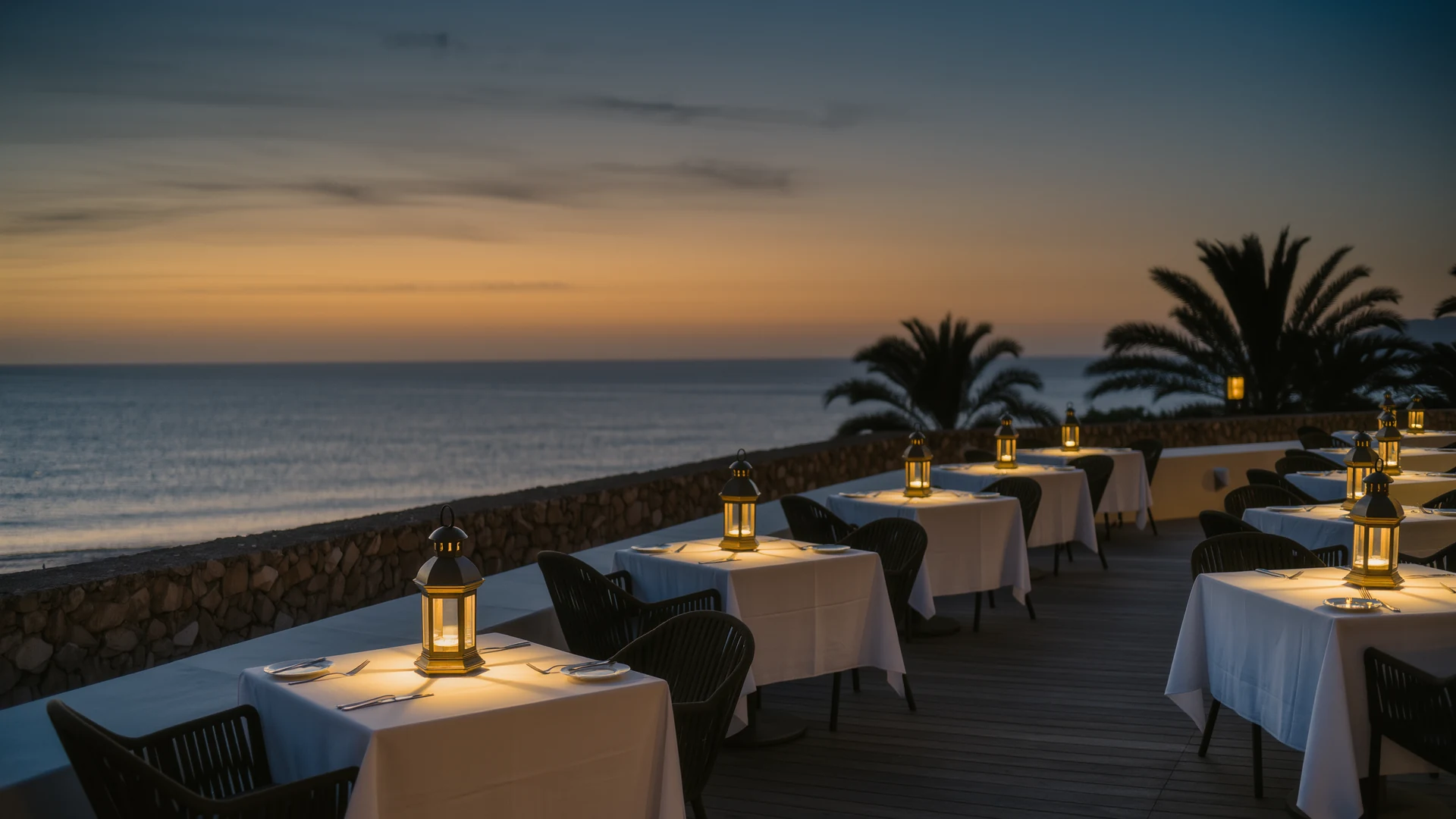
Costa del Sol Gastronomy Guide
Costa del Sol gastronomy guide: discover Málaga’s Michelin stars, espeto chiringuitos, tapas crawls, food markets, and sweet Málaga wines across…
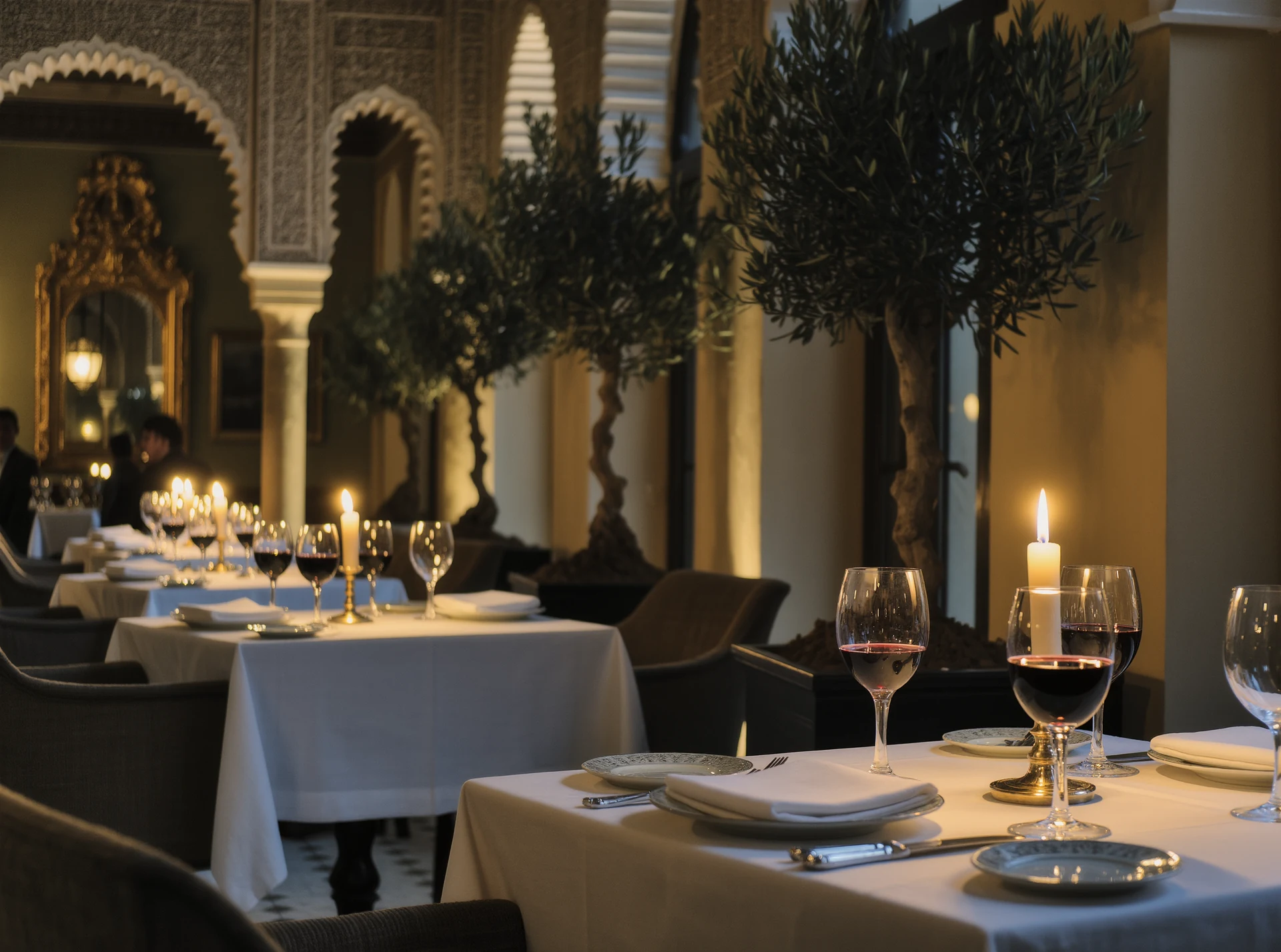
Indulge in Luxury Gastronomy: Spain’s Culinary Delights
You’re probably here because you’re wondering what “luxury gastronomy” in Spain actually means. Simply put, it’s about e…
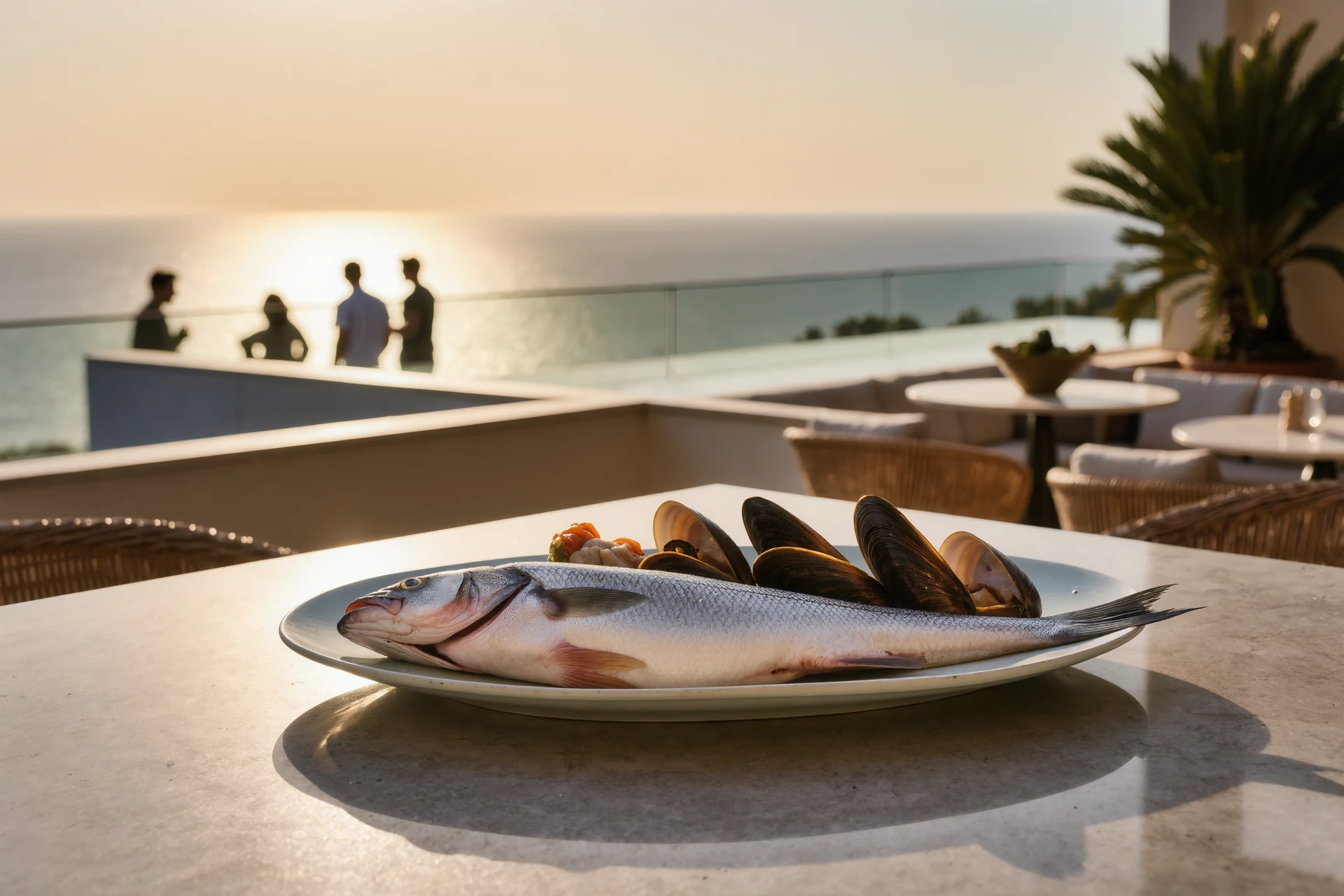
Top Seafood Restaurants on the Costa del Sol
If you’re wondering where to find incredible seafood on the Costa del Sol, you’re in luck. This stretch of coastline is renowned for its f…