Living the Costa del Sol: Daily Life in Paradise
Wondering what it’s actually like to live on the Costa del Sol day-to-day? Forget the glossy brochures for a moment. It’s a blend of sunshine, Spanish rhythms, and the practi…
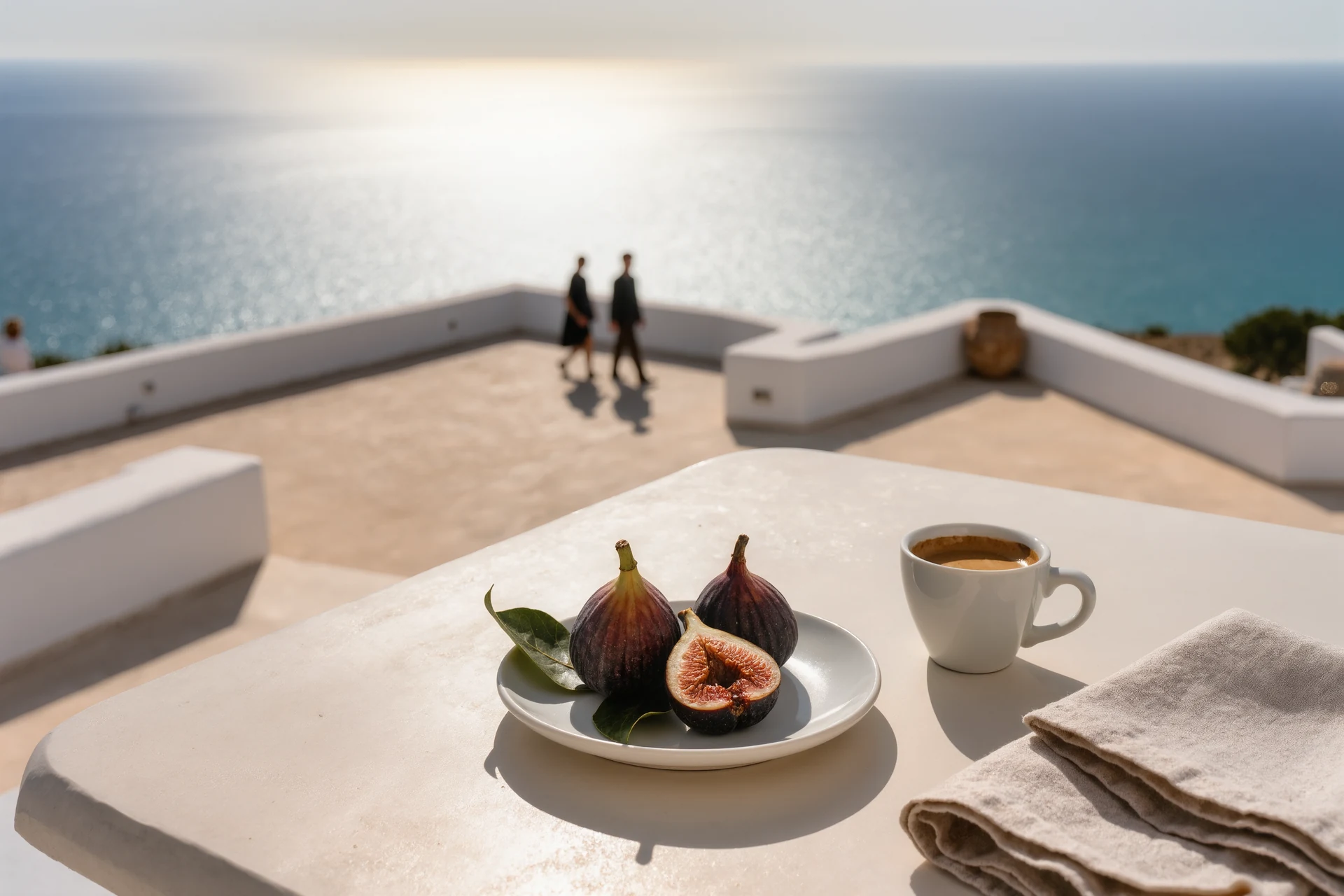
Wondering what it’s actually like to live on the Costa del Sol day-to-day? Forget the glossy brochures for a moment. It’s a blend of sunshine, Spanish rhythms, and the practicalities of making a life in a popular place. Think of it as trading the rush for a slower pace, the predictable for the pleasantly unexpected, and copious amounts of vitamin D. It’s about finding your own version of paradise amidst stunning scenery and a vibrant culture.
Life here often moves to a different beat. Mornings tend to kick off a bit later than you might be used to, especially outside the peak tourist season.
Morning Routines and Coffee Culture
You’ll find that breakfast, or desayuno, is usually a light affair. It might be a tostada (toasted bread) with tomato and olive oil, or a pastry with a strong coffee.
- The Local Cafeteria: This is your morning hub. It’s less about grabbing and going and more about settling in for a chat with the owner or fellow early risers. The coffee is typically excellent and inexpensive.
- Sweet vs. Savory: While sweet pastries are common, the tostada con tomate is a staple for many, offering a healthier, more savory start. Freshly squeezed orange juice, zumo de naranja, is practically mandatory.
- Timing: Don’t expect to be rushing out the door at 7 AM. Many shops and businesses open around 9 or 10 AM.
Midday Pause: The Spanish Lunch
Lunch is the main meal of the day for many Spaniards, and it’s a tradition not to be rushed.
- A Leisurely Affair: This is not a quick sandwich at your desk. Lunch often starts around 2 PM and can easily extend to 3:30 PM or even 4 PM, especially on weekends or during warmer months when people take advantage of the cooler part of the day.
- What’s on the Menu: Expect a primer plato (starter), a segundo plato (main course), and often a dessert or coffee. Seafood is plentiful, as are rice dishes like paella, and fresh vegetables.
- The Siesta Shadow: While the traditional long siesta of closing shops for several hours in the afternoon is becoming less common in larger towns and tourist areas, the general pace of the day slows down considerably between 2 PM and 5 PM. Some smaller, local businesses might still observe a longer break.
The Evening Unwinds
As the heat of the day subsides, life on the Costa del Sol truly comes alive.
- Paseo Time: From late afternoon onwards, you’ll see people taking a paseo, a leisurely stroll, especially along the promenades. This is a social event, a chance to catch up, and to enjoy the cooling air.
- Tapas Culture: This is your gateway to flexible, social dining. Instead of one large meal, you can hop between bars, sampling small plates of food with your drinks. It’s a fantastic way to try a variety of local flavors without committing to a whole dish.
- Dinner Starts Late: Dinner, or cena, typically doesn’t begin until 9 PM or even later, especially in summer. Restaurants will be quiet until then.
Navigating Daily Life
Living here involves more than just the meal schedule. There are practicalities to consider.
Shopping and Errands
The shopping experience can vary depending on where you are and what you need.
- Supermarkets: For your everyday groceries, you’ll find familiar chains like Mercadona, Carrefour, and Lidl, along with smaller local fruterías (fruit and vegetable shops), carnicerías (butchers), and pescaderías (fishmongers). These specialty shops often offer higher quality and a more personal service.
- Local Markets: Don’t miss the mercados. These are vibrant hubs of activity, offering fresh produce, local cheeses, cured meats, and often crafts. They are a feast for the senses and a great place to practice your Spanish.
- Opening Hours: Be mindful of opening hours, especially on Sundays and public holidays, when most shops are closed. Some supermarkets might have limited Sunday hours during peak season.
- “Calles Comerciales”: Larger towns have pedestrianized shopping streets packed with a mix of Spanish brands and international chains.
Healthcare and Services
Understanding the healthcare system is crucial.
- Public Healthcare: If you’re a resident of Spain, you’re entitled to the public healthcare system. You’ll need to register with your local centro de salud (health center) and get a social security number.
- Private Healthcare: Many expats opt for private health insurance for quicker access to specialists and a wider choice of doctors. It’s generally more affordable than in many other Western countries.
- **Pharmacies (Farmacias):** Clearly identifiable by a green cross, pharmacies are plentiful. They are staffed by qualified pharmacists who can offer advice on minor ailments, and dispense prescription and over-the-counter medications. One is always on duty in rotation as an emergency pharmacy, marked by a blue sign.
- Banking: Most major Spanish banks (Santander, BBVA, CaixaBank) have branches throughout the Costa del Sol. If you’re not Spanish-speaking, look for branches that advertise services in English or other languages. Opening an account is usually straightforward, but you’ll need your NIE (Número de Identificación de Extranjero, foreigner identification number) and passport.
Bureaucracy and Paperwork
This is perhaps the least glamorous aspect of settling in, but it’s unavoidable.
- The NIE: This is your indispensable foreigner identification number and is required for almost everything, from opening a bank account to buying property, getting a phone contract, or even registering with the tax authorities. Apply for it at the National Police station if you’re in Spain, or at a Spanish consulate abroad. Be prepared for potential queues and paperwork.
- Residency: Depending on your nationality and the length of your stay, you’ll need to consider residency applications. EU citizens have a simpler process, while non-EU citizens face more complex immigration requirements.
- Driving Licenses: If you’re from the EU, your license is valid. Non-EU citizens may need to exchange their license after a certain period or take a Spanish driving test.
- Taxes: Understanding your tax obligations in Spain is vital. This can be complex, and many expats seek advice from local accountants or tax advisors.
The Social Fabric
The Costa del Sol is a melting pot, and understanding the social dynamics can enrich your experience.
Integration and Community
Finding your footing socially is key to feeling at home.
- Expat Communities: There are large and established expat communities, particularly for British, German, Scandinavian, and Dutch residents. These can be a great source of information, support, and social activities. Look for clubs and associations related to your interests or nationality.
- Local Spanish Life: Don’t shy away from engaging with the local Spanish population. Learning a few basic Spanish phrases goes a long way, and often opens doors to genuine connections. Try joining local clubs, attending festivals, or simply striking up conversations at the local market.
- Language Barrier: While English is widely spoken in tourist areas and among many expats, relying solely on it can limit your integration. Investing time in learning Spanish will undoubtedly improve your daily life and social interactions.
Activities and Leisure
With sunshine and a vibrant culture, there’s no shortage of things to do.
- Outdoor Pursuits: The climate is perfect for outdoor activities year-round.
- Beach Life: Sunbathing, swimming, water sports, the beaches are a major draw. From the bustling beaches of Marbella to quieter coves near Nerja, there’s one for everyone.
- Hiking and Cycling: The Sierra de las Nieves Natural Park and other mountain ranges offer stunning trails for hikers and cyclists.
- Golf: The Costa del Sol is famously known as the “Costa del Golf,” with a huge number of world-class golf courses.
- Cultural Experiences:
- Historic Towns: Explore charming white villages (pueblos blancos) like Mijas, Frigiliana, and Ronda, each with its unique history and character.
- Art and Museums: Malaga city itself boasts impressive art museums, including the Picasso Museum and the Carmen Thyssen Museum.
- Festivals and Fiestas: Spain is famous for its local festivals. These are joyous celebrations often involving parades, music, dancing, and of course, food. If you live here, you’ll get to experience them firsthand.
- Gastronomy: Beyond the tapas, the region offers diverse culinary experiences, from Michelin-starred restaurants to humble chiringuitos (beach bars) serving fresh seafood.
The Cost of Living
Paradise isn’t always free, but the Costa del Sol can offer good value, depending on your lifestyle.
Housing Costs
This is often the biggest expense, and it varies significantly.
- Rental Market: Rent prices depend heavily on location, size, and proximity to the coast or amenities. You can find anything from a small apartment in a less touristy town to a luxury villa in Puerto Banús. Expect prices to be higher in desirable areas like Marbella, Estepona, and parts of Malaga.
- Buying Property: Property prices have seen fluctuations but generally remain attractive compared to many other European hotspots. Again, location is key. Coastal properties and those with sea views command a premium.
- “Off-Season” vs. “Peak Season”: Be aware that rental prices can skyrocket during the peak summer months, especially if you’re looking for short-term lets. If you’re settling down, a long-term rental contract will offer more stability and usually better rates.
Everyday Expenses
Beyond accommodation, what does it cost to live day-to-day?
- Food and Drink: Eating out can be surprisingly affordable, especially if you embrace local habits like tapas and lunch menus (menú del día). Supermarket prices for groceries are comparable to many other European countries, with fresh produce often being excellent value.
- Utilities: Electricity, water, and gas costs can fluctuate, especially with seasonal changes for heating and air conditioning. Internet and phone plans are generally competitive.
- Transportation: Owning a car is popular for exploring the region, but fuel costs are similar to other European countries. Public transport, including buses and trains, is reasonably efficient and a more economical option for getting around between towns.
Unexpected Costs
It’s wise to budget for the little things.
- Car Maintenance: If you have a car, factor in costs like insurance, ITV (Spanish MOT equivalent), and general maintenance.
- Foreign Exchange Fees: If you’re receiving money from abroad, be aware of potential bank transfer fees and exchange rate fluctuations.
- “Contingency Fund”: As with any move, having a buffer for unexpected expenses is always a good idea.
Challenges and Trade-offs
No place is perfect, and the Costa del Sol has its share of realities that differ from the postcard image.
Seasonal Fluctuations
The year-round climate is a huge plus, but the seasons do bring changes.
- Summer Rush: During July and August, the coast becomes significantly busier. Beaches are packed, restaurants require reservations, and traffic can be heavier. If you prefer tranquility, you might opt to live slightly inland or away from the main tourist hubs.
- Winter Calm: While many expats stay year-round, the winter months, particularly November to February, are much quieter. Some tourist-oriented businesses may close or reduce their hours, and the atmosphere is more relaxed, which many people prefer. It’s still sunny and pleasant, but it’s definitely not “beach weather” every day.
The Pace of Life
The relaxed lifestyle is a major attraction, but it can also be a source of frustration.
- Things Take Time: If you’re used to rapid service or instant gratification, you might find yourself adjusting. Appointments can be delayed, bureaucracy can be slow, and sometimes you just have to go with the flow. This is part of the “Spanish pace.”
- Language Barrier Continues: Even with English widely spoken in expat circles, interacting with official bodies, tradespeople, or in local shops will be significantly smoother if you have some basic Spanish skills. Patience and perseverance are key.
Maintaining Your Roots
While embracing a new life, it’s natural to want to stay connected.
- Staying Connected Digitally: Reliable internet and affordable phone plans make it easy to keep in touch with family and friends back home through video calls and social media.
- Visits and Vacations: The Costa del Sol is well-connected, making it easy for visitors to come and see you. Planning your own visits home can also help bridge the distance.
- Finding Your Niche: It’s about finding a balance. Enjoying the Costa del Sol lifestyle while nurturing your existing connections and interests is essential for long-term happiness.
Living on the Costa del Sol is about embracing a different way of life. It’s about sunshine, yes, but it’s also about community, culture, and a pace that encourages you to slow down and savor the moments. It’s a lifestyle choice that offers a unique blend of the familiar and the exotic, rewarding those who are prepared to engage with it.
FAQs
What is the Costa del Sol?
The Costa del Sol is a region in the southern part of Spain, known for its beautiful coastline along the Mediterranean Sea. It includes popular cities and towns such as Malaga, Marbella, and Torremolinos.What is daily life like in the Costa del Sol?
Daily life in the Costa del Sol is characterized by a relaxed and laid-back atmosphere. Residents and visitors often enjoy outdoor activities such as beach-going, dining at local restaurants, and exploring the region’s cultural and historical attractions.What are some common activities for residents in the Costa del Sol?
Residents of the Costa del Sol often engage in activities such as golfing, hiking, water sports, and enjoying the region’s vibrant nightlife. The area also offers a variety of cultural events, festivals, and markets for residents to enjoy.What is the climate like in the Costa del Sol?
The Costa del Sol enjoys a Mediterranean climate, with hot, dry summers and mild winters. The region experiences an average of 320 days of sunshine per year, making it an ideal destination for those seeking a warm and sunny climate.What are some popular industries in the Costa del Sol?
The Costa del Sol’s economy is heavily reliant on tourism, with the region attracting millions of visitors each year. Other important industries include real estate, hospitality, and construction. Additionally, agriculture and fishing play a role in the local economy.More from Mediterranean Lifestyle
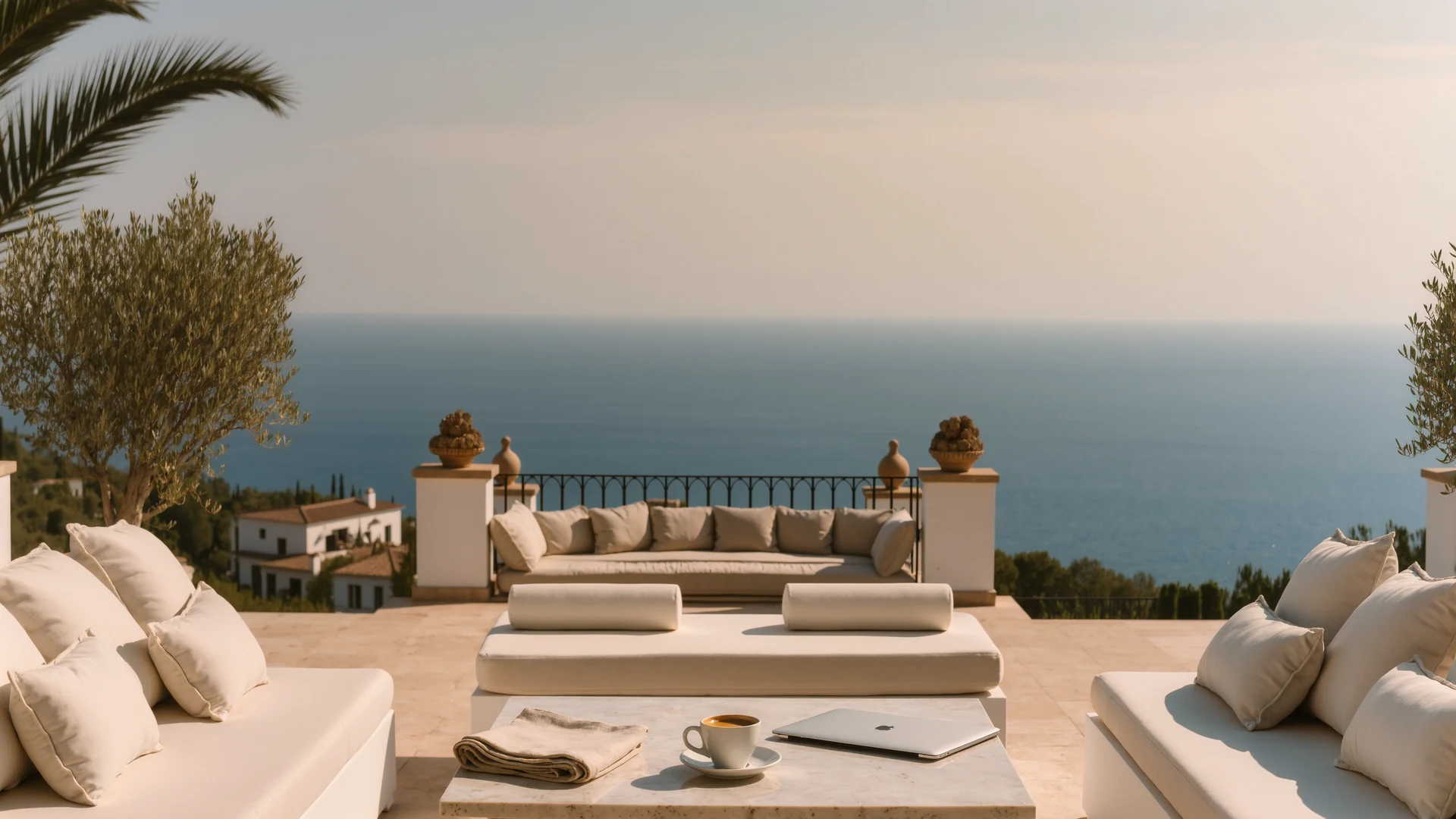
Costa del Sol Family Guide
Costa del Sol family guide: the best towns, international schools, healthcare, childcare costs, kids’ attractions and rainy-day ideas for famili…
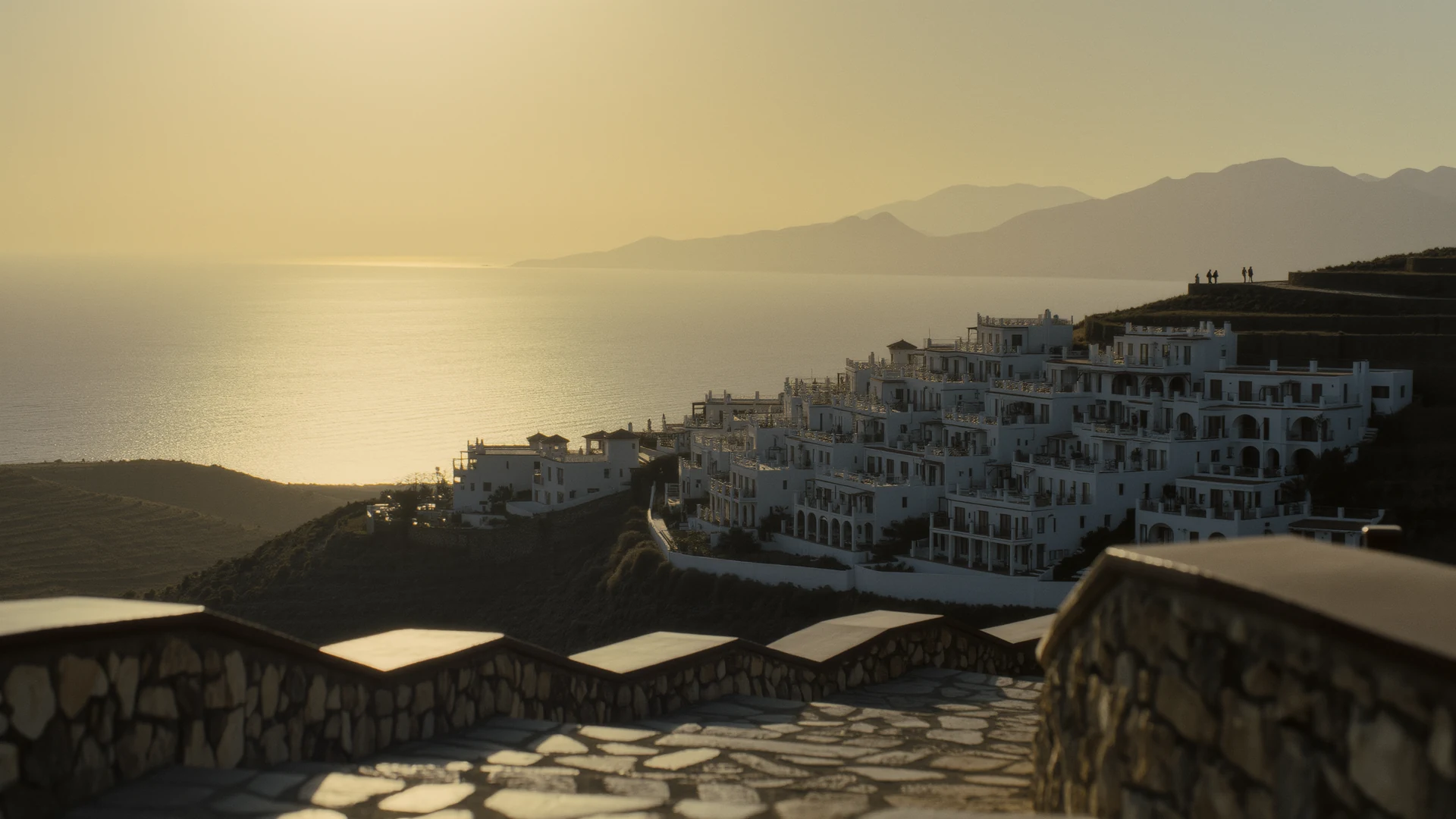
Costa del Sol Living Guide 2026
Costa del Sol Living Guide 2026: zones, cost of living, healthcare, schools, visas and property prices from Marbella to Nerja for your move to souther…
Top 5 Best Places to Live on the Costa del Sol
Thinking about making the move to the Costa del Sol? Smart choice! It’s a fantastic part of Spain with a lot to offer. But with so many beautifu…