Living the Good Life in Malaga: A Guide for Expats
So, you’re wondering what it’s like to live the good life in Malaga as an expat? Here’s the straightforward answer: it’s pretty damn good. Think sunshine, delicio…
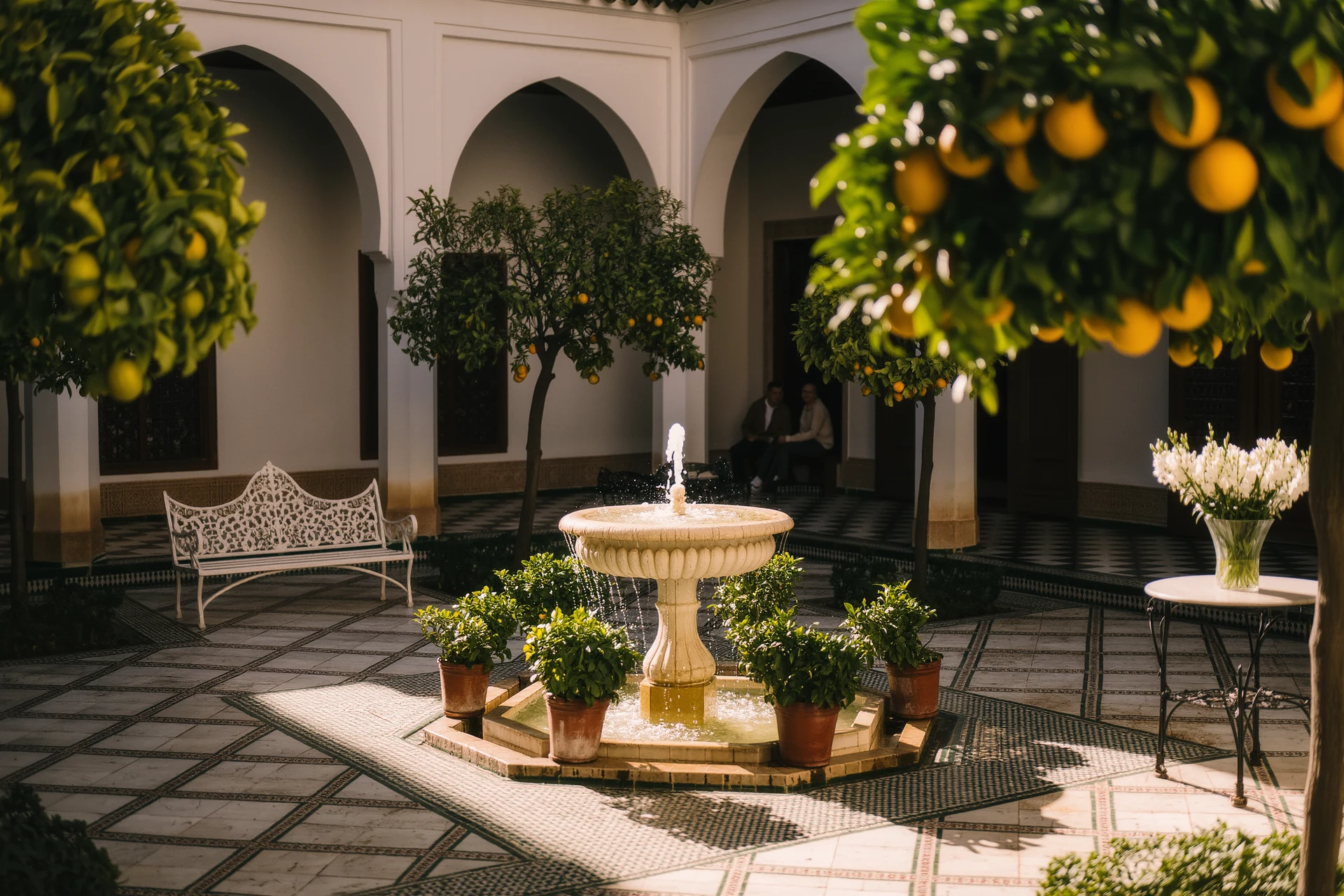
So, you’re wondering what it’s like to live the good life in Malaga as an expat? Here’s the straightforward answer: it’s pretty damn good. Think sunshine, delicious food, a more relaxed pace of life, and a vibrant culture, all wrapped up in a package that’s generally more affordable than many other Western European cities. Of course, like anywhere, it has its quirks and challenges, but for many, the positives far outweigh them. This guide will help you navigate the practicalities and truly embrace the Malaga lifestyle.
Moving to a new country is exciting, but it also comes with a lot of paperwork. Here’s what you’ll need to sort out first.
Visa and Residency: Don’t Skip This Step
First things first, you’ll need the right to be there. For non-EU citizens, this often means applying for a visa before you even arrive. Common options include the Non-Lucrative Visa (if you have sufficient passive income) or the Digital Nomad Visa (if you work remotely for a company outside Spain). EU citizens, while exempt from needing a visa, still need to register their residency if they plan to stay longer than 90 days.
- Non-Lucrative Visa (NLV): This is popular for retirees or those with independent financial means. You can’t work in Spain on this visa, but it allows for long-term residency. Be prepared to show proof of funds (significantly more than the average individual cost of living, usually around €28,800 per year for a single applicant, plus increasing amounts for dependents), private health insurance, and a clean criminal record.
- Digital Nomad Visa (DNV): Introduced in late 2022, this is a game-changer for remote workers. You must work for a company outside Spain, earn above a certain threshold (currently around €2,100/month for a single applicant), and have a higher education degree or professional experience. It offers tax benefits for the first few years.
- EU Citizen Registration (NIE & Padron): If you’re an EU citizen, your first stop after arriving should be getting your NIE (Número de Identificación de Extranjero), which is your foreign identification number. You’ll need this for almost everything: opening a bank account, signing a rental contract, buying a car, etc. The “Padrón” is your municipal census registration, proving you live at a specific address in Malaga. You’ll need both for many administrative processes and to access public services like healthcare.
Finding a Home: Rental Realities
Malaga’s rental market can be competitive, especially in popular areas. Start your search early and be prepared to act quickly.
- Popular Areas: For city living, areas like El Palo, Pedregalejo, and La Malagueta offer proximity to the beach and a more relaxed, neighborhood feel. The historic center is vibrant but can be noisy. For something a bit quieter with good amenities, Teatinos is a modern, student-friendly area further inland. Benalmádena, Torremolinos, and Fuengirola are popular coastal towns just outside Malaga city center, offering more space and often slightly lower rents, especially for larger properties.
- Rental Platforms: Idealista.com and Fotocasa.es are the dominant platforms. Facebook groups for “expats in Malaga” or “rentals Malaga” can also be useful, though be wary of scams.
- Dealing with Agencies: It’s common to go through real estate agencies. Expect to pay a deposit (typically one or two months’ rent) and sometimes a month’s agency fee (though landlord-paid agency fees are becoming more common for long-term rentals under new housing laws, it’s not always the case for expat-friendly listings). Ensure you understand the contract terms, especially regarding maintenance and break clauses.
- Utilities: Once you have a place, you’ll need to set up electricity, water, and internet. Providers like Endesa (electricity), Aqualia (water), and various telecommunication companies (Movistar, Vodafone, Orange, Yoigo, O2) offer packages. It’s often easiest to have the landlord or agency help with transferring existing accounts or setting up new ones.
Daily Life: Embracing the Andalusian Rhythm
Life in Malaga moves at a different pace. Here’s what to expect.
Language and Social Integration: More Than Just “Hola”
While many Malagueños in tourist areas speak some English, learning Spanish will significantly improve your experience and make integration much smoother.
- Basic Spanish: Focus on conversational Spanish. Even a few phrases like “por favor” (please), “gracias” (thank you), “una caña” (a small beer), and “la cuenta, por favor” (the bill, please) go a long way.
- Language Schools: Malaga has numerous excellent language schools. Instituto Andaluz de Español, Malaca Instituto, and Tandem Malaga are a few reputable options that offer intensive courses and cultural activities.
- Expat Groups & Meetups: Several expat groups exist on Facebook and meetup.com. These are great for meeting new people, getting advice, and finding social activities. Look for groups like “Malaga Expats,” “Expats in Malaga,” or groups focused on specific interests.
- Cultural Nuances: Be aware of the Spanish schedule, lunch is typically later (2-4 PM), dinner even later (9-11 PM). The midday “siesta” (often misunderstood as a nap, but more about closing shops for a few hours) is still part of the rhythm in smaller towns and traditional businesses. Punctuality is more relaxed than in some northern European countries.
Healthcare: Public vs. Private
Spain boasts a strong public healthcare system, but many expats opt for private insurance, especially during their initial years.
- Public Healthcare (Seguridad Social): Once you are a legal resident and contributing to the social security system (e.g. through employment or as a self-employed individual), you are eligible for Spain’s public healthcare. It’s generally excellent, but waiting times for specialists can be long. You’ll register at your local health center (Centro de Salud) and be assigned a GP.
- Private Healthcare: Many expats, especially those on non-lucrative visas, are required to have private health insurance for their first year (or longer). Companies like Sanitas, Adeslas, and Caser offer comprehensive plans. Private healthcare offers quicker appointments, direct access to specialists, and sometimes English-speaking doctors. Even without a visa requirement, many choose private for the convenience.
- Pharmacies (Farmacias): Pharmacists in Spain are highly trained and can offer advice and over-the-counter remedies for many common ailments. Look for the green cross sign.
Living Well: Food, Fun, and Finance
Malaga offers a fantastic quality of life. Here’s how to make the most of it.
Eating and Drinking: A Culinary Adventure
Spanish food is a highlight of living in Malaga. Get ready for tapas, fresh seafood, and fantastic wine.
- Tapas Culture: Embracing tapas is essential. Order a few small dishes, share them, and move on to the next bar. Typical Malaga tapas include espetos de sardinas (sardine skewers cooked over an open fire), fritura malagueña (fried fish), and boquerones fritos (fried anchovies).
- Markets: Mercado Central de Atarazanas is a must-visit. You’ll find incredibly fresh produce, seafood, meats, and delicious food stalls. It’s not just for tourists; locals do their daily shopping here.
- Coffee Culture: “Café con leche” (coffee with milk) is a staple. Malagueños have a unique way of ordering coffee, specifying the amount of milk: nube (cloud, very little coffee), sombra (shade, a bit more coffee), mitad (half), largo (long, more coffee, less milk), etc. Learn these terms to order like a local!
- Local Delicacies: Don’t miss porra antequerana (a thicker, chunkier version of gazpacho), ajoblanco (cold almond and garlic soup), and tortilla de patatas (Spanish potato omelet).
Leisure and Activities: Beyond the Beach
While Malaga has beautiful beaches, there’s a lot more to explore.
- Exploring the City: Alcazaba, Gibralfaro Castle, the Roman Theatre, and Malaga Cathedral are historical must-sees. Wander through the charming streets of the historic center, discover hidden plazas, and enjoy the street art in the Soho district.
- Outdoor Activities: The Montes de Málaga Natural Park offers hiking and biking trails with stunning views. The Camino del Rey (King’s Path), while a bit of a drive, is an unforgettable experience for outdoor enthusiasts. Of course, the beaches are perfect for swimming, sunbathing, and watersports.
- Festivals and Events: Malaga is known for its vibrant festivals. Semana Santa (Holy Week) is a solemn but spectacular event. Feria de Málaga in August is a week-long fiesta with flamenco, music, and dancing. There are also numerous local romerías (pilgrimages) and verbenas (street parties).
- Day Trips: The Costa del Sol offers endless day trip opportunities: the white villages (Ronda, Mijas Pueblo), Marbella, Nerja, Estepona. Seville, Granada, and Cordoba are also easily accessible by train or bus for longer excursions.
Managing Your Money: Banking and Bills
Handling your finances in a new country requires a bit of setup.
- Opening a Bank Account: You’ll need your NIE and passport. Some banks are more expat-friendly than others. Traditionally, Spanish banks can be bureaucratic. Digital banks or banks with good online services are often preferred by expats. N26, Revolut, and Wise (formerly TransferWise) are excellent for international transfers and have debit cards. Spanish banks like Sabadell, BBVA, and CaixaBank also have dedicated expat services. Be aware of monthly maintenance fees, which are common.
- Budgeting: While Malaga is generally affordable compared to northern Europe, costs can add up. Keep track of your spending. Eating out for menú del día (set lunch menu) is usually excellent value. Groceries from local markets or larger supermarkets like Mercadona,
FAQs
What is Malaga like for expats?
Malaga is a popular destination for expats due to its warm climate, beautiful beaches, rich culture, and affordable cost of living. The city offers a high quality of life with a range of amenities and services for expats.What are the job opportunities for expats in Malaga?
Malaga has a growing economy with job opportunities in sectors such as tourism, hospitality, technology, and education. Expats can also find work in language teaching, customer service, and remote work opportunities.What is the healthcare system like in Malaga for expats?
Malaga has a well-developed healthcare system with both public and private options available for expats. The public healthcare system provides quality care at affordable rates, while private healthcare offers additional services and shorter waiting times.What are the housing options for expats in Malaga?
Expats in Malaga can choose from a variety of housing options including apartments, villas, and townhouses. The city offers both urban and suburban living, with rental and purchase options available to suit different budgets and preferences.What is the process for expats to obtain residency in Malaga?
Expats can obtain residency in Malaga through various visa options such as the non-lucrative visa, golden visa, or work visa. The process typically involves providing documentation, meeting specific requirements, and obtaining the necessary permits from the Spanish authorities.More from Malaga City Guide
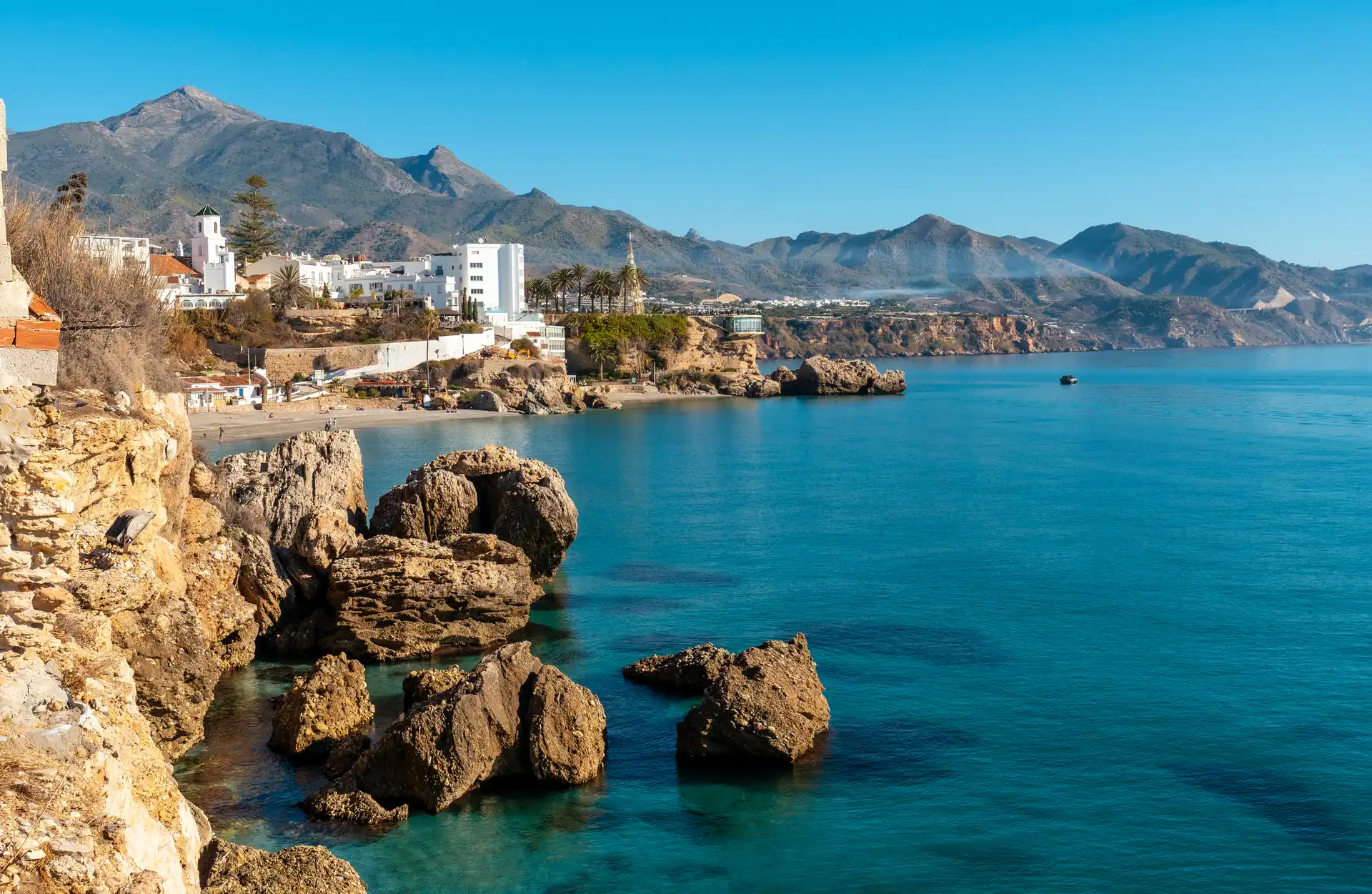
Exploring Malaga’s Charming Wine Bars
So, you’re thinking about hitting up Malaga and wondering about the wine bar scene? You’re in for a treat. Malaga isn’t just about sun and beaches; it…
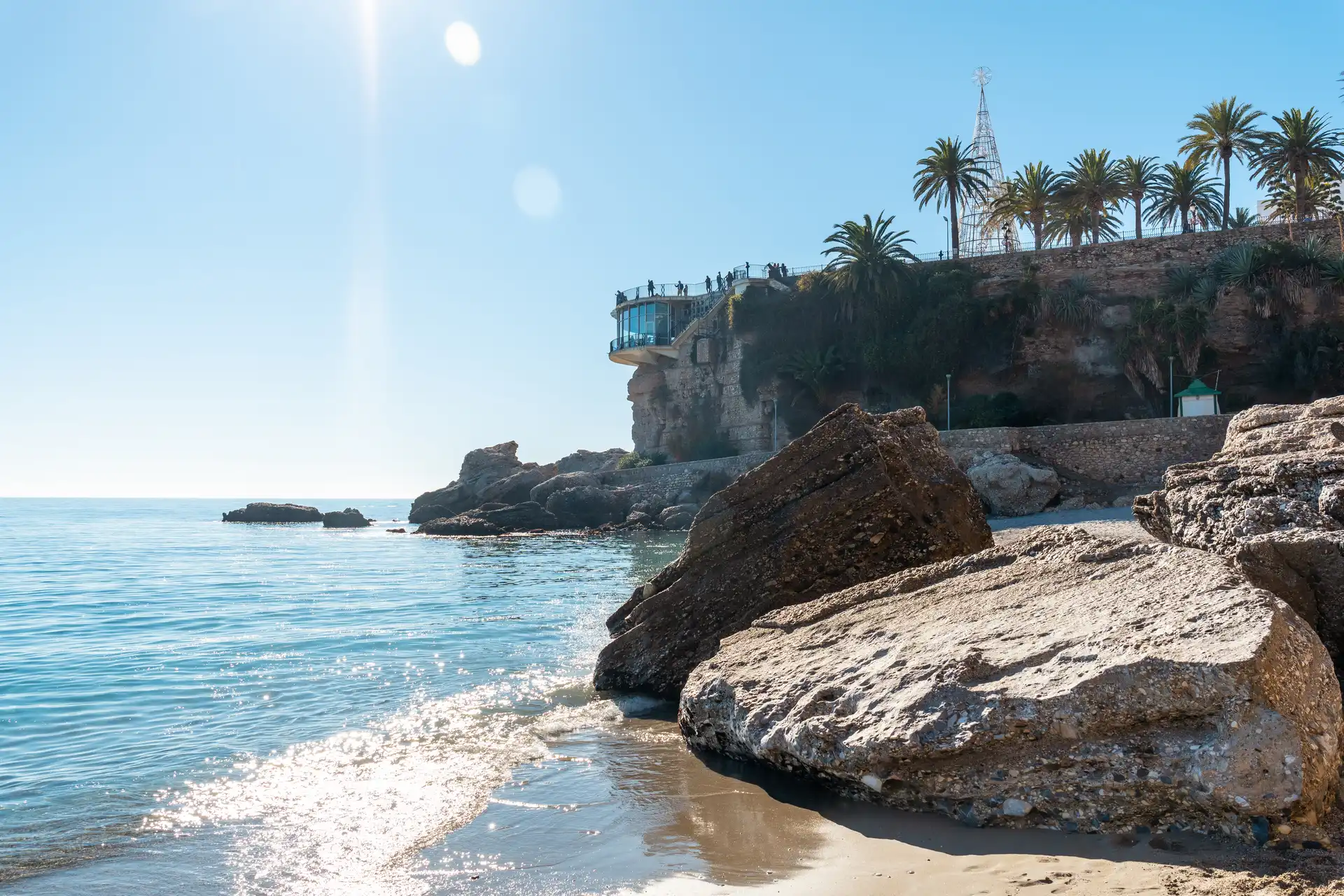
Malaga Relocation Guide: Your Essential Move
Thinking about packing up and heading to sunny Málaga? You’re not alone! It’s a fantastic city, brimming with culture, delicious food, and…
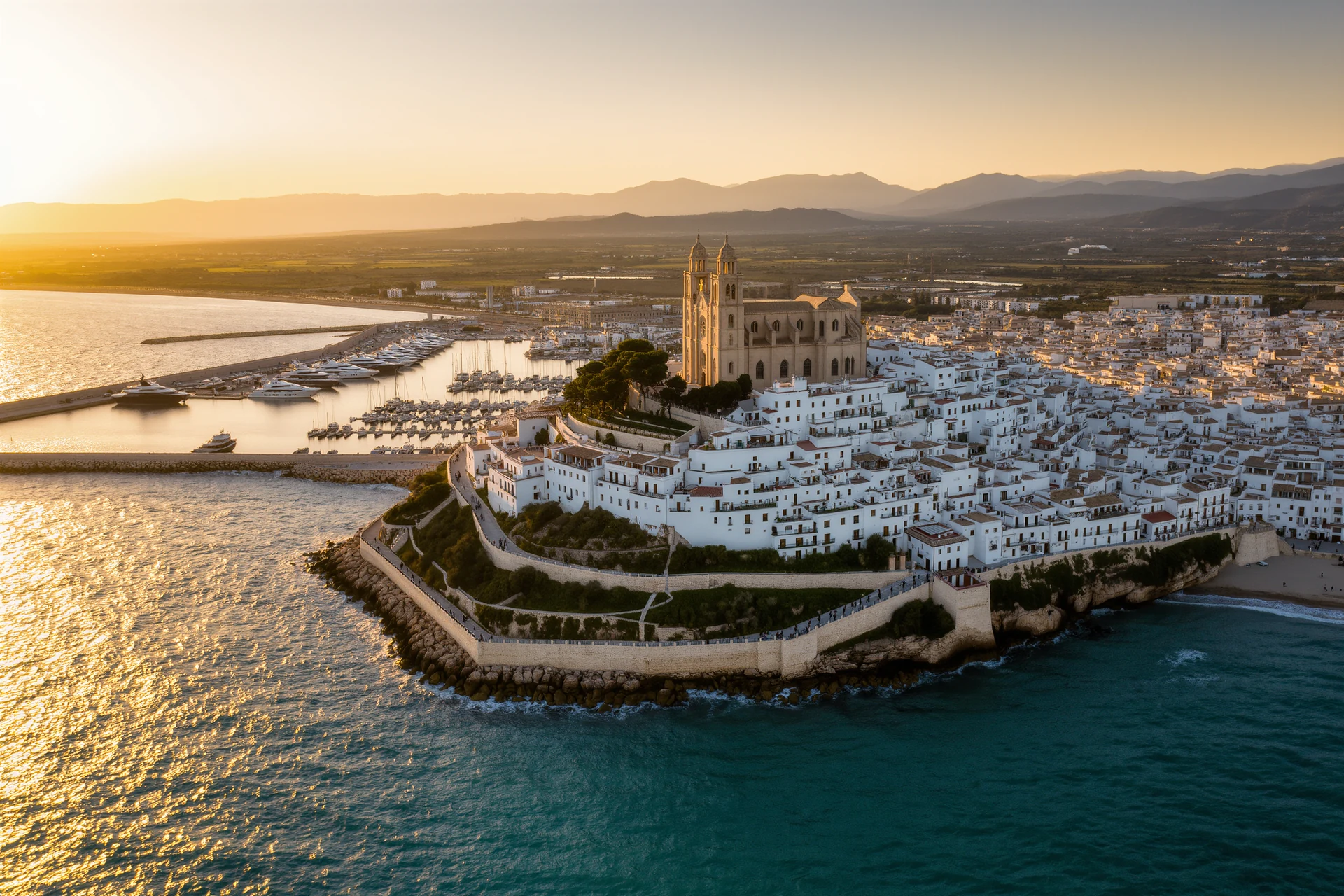
Discover Malaga: The Perfect City Break Destination
Malaga makes for an excellent city break, blending history, culture, and fantastic food with a relaxed, coastal vibe. It’s easy to get to, compa…