Living the Good Life on the Costa del Sol
The Costa del Sol, that sun-drenched stretch of southern Spain, truly offers a fantastic quality of life. If you’re wondering whether it lives up to the hype as a place to li…
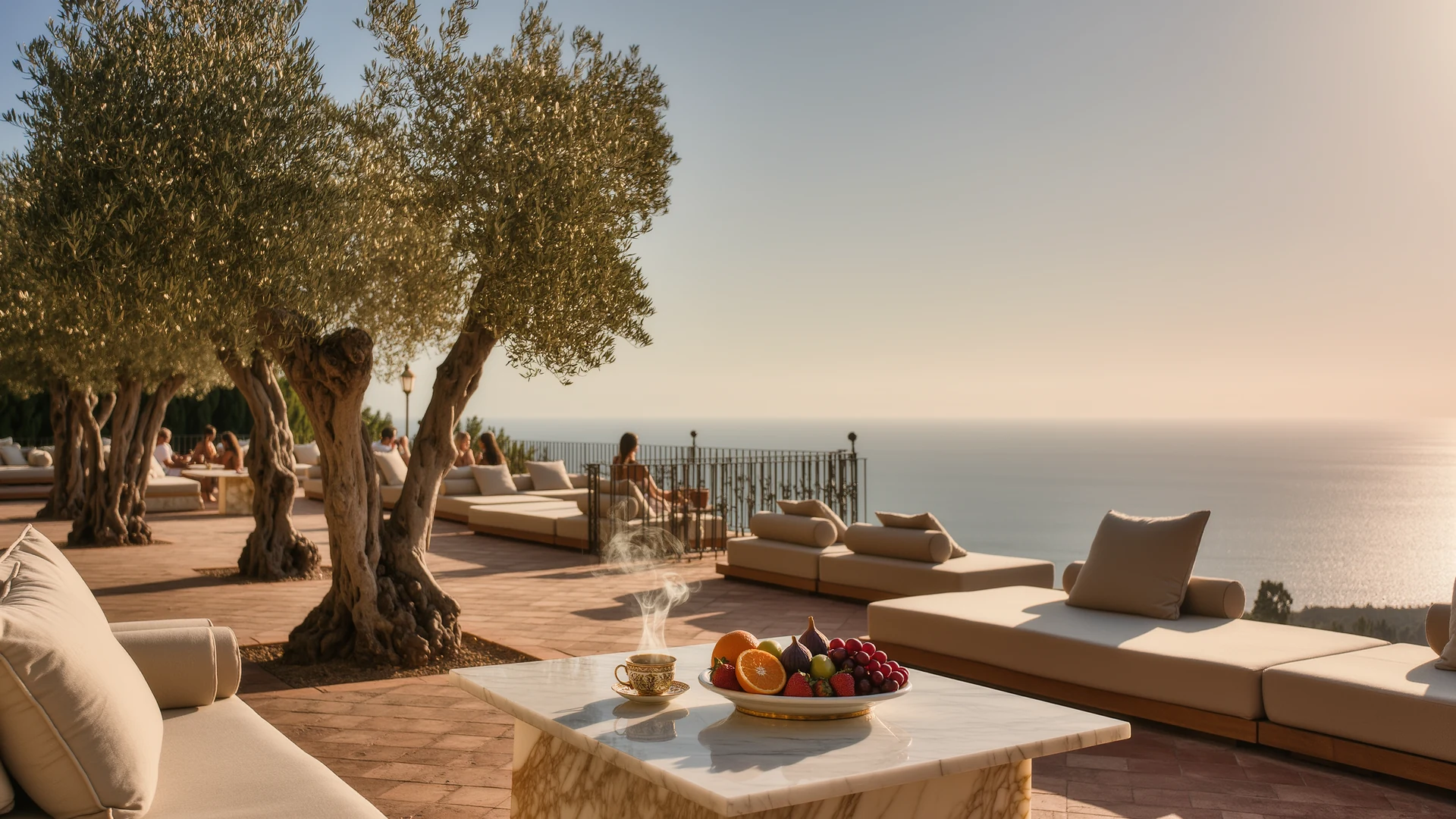
The Costa del Sol, that sun-drenched stretch of southern Spain, truly offers a fantastic quality of life. If you’re wondering whether it lives up to the hype as a place to live well, the short answer is a resounding yes. It’s not just about the beaches and the sunshine, though those are certainly big draws. It’s about a blend of culture, convenience, and a generally more relaxed pace that many find incredibly appealing.
Before you start picturing yourself sipping sangria by the sea, there are some practical steps to consider. It’s not just a holiday destination; it’s a whole new lifestyle, and a little preparation goes a long way.
Visas and Residency: What You Need to Know
For non-EU citizens, navigating the Spanish visa and residency system is the first hurdle. The most common routes for those looking to live long-term are:
- Non-Lucrative Visa (NLV): This is popular for retirees or those with passive income. You’ll need to prove you have sufficient funds to support yourself without working in Spain, along with private health insurance. The financial requirements can be substantial, so do your research.
- Golden Visa: For those investing significantly in Spanish property (currently €500,000 or more) or other qualifying investments. This offers more flexibility regarding work and travel.
- Digital Nomad Visa: Spain recently introduced a visa for remote workers. This is a game-changer for many, allowing you to reside and work for non-Spanish companies while enjoying the Costa del Sol lifestyle. There are income requirements and you’ll need to prove you’re employed by a company outside Spain or are self-employed with clients primarily outside Spain.
For EU citizens, the process is much simpler, primarily involving registering as a resident (residencia) after three months of stay. Regardless of your origin, consult with a specialist immigration lawyer. The rules can be intricate and change, and getting it right from the start avoids a lot of headaches.
Finding Your Spot: Picking the Right Town
The Costa del Sol isn’t a monolith; it’s a diverse region with towns offering very different vibes. What suits one person might not suit another.
- Malaga City: The capital, offering a vibrant city life with history, culture, fantastic food, and surprisingly good beaches. It’s increasingly popular for those who want a more urban feel but still close to the sea. Great public transport links.
- Marbella: Known for its glamour, luxury properties, and high-end dining. If you like designer boutiques, exclusive beach clubs, and rubbing shoulders with the well-heeled, this could be for you. Puerto Banús is its famous marina.
- Estepona: Often called the “Garden of the Costa del Sol,” Estepona has retained more of a traditional Andalusian charm, with a beautiful old town, flower-filled streets, and a lovely promenade. It’s generally more relaxed and perhaps a bit more affordable than Marbella.
- Fuengirola/Benalmádena/Torremolinos: These towns are popular with families and those seeking a more established expat community. They offer a huge range of amenities, beaches, and a lively atmosphere, though perhaps less “authentic” Spanish charm in some areas.
- Nerja/Frigiliana (Eastern Costa del Sol): Head east from Malaga and you find a different pace. Nerja boasts the famous Balcón de Europa and stunning caves, while Frigiliana is a picturesque white village clinging to a hillside. This area is generally calmer, with a more traditional feel and access to beautiful natural parks.
Think about your priorities: do you need international schools? Is proximity to an airport crucial? Do you want a golf course on your doorstep, or prefer hiking in the hills? Visit these areas if you can, even for a short trip, to get a feel for them.
The Sunny Side of Life: Daily Living
Once the paperwork is in order and you’ve chosen your perfect base, what does daily life really look like?
Weather & Outdoor Living: More Than Just Sunshine
Yes, the 320 days of sunshine a year isn’t an exaggeration. This glorious weather profoundly impacts daily life. People spend a lot of time outdoors, year-round.
- Winter: Mild and sunny, often shorts-and-t-shirt weather during the day, though evenings can be crisp. Perfect for golfing, hiking, or simply enjoying a coffee on a terrace without battling cold winds.
- Spring/Autumn: Ideal. Warm, pleasant, rarely too hot, making it perfect for exploring inland villages or enjoying the beaches without the summer crowds.
- Summer: Hot, often very hot, particularly in July and August. However, coastal breezes provide some relief, and many homes have air conditioning or fans. Life moves to a slower pace during the hottest part of the day, with siestas and late dinners becoming the norm.
This climate encourages an active lifestyle. Cycling, swimming, walking, golf, tennis, you name it, it’s accessible almost every day. Even simply walking along the promenade or having a drink outdoors is a daily pleasure.
Food & Drink: A Culinary Delight
The Costa del Sol offers far more than just “fish and chips” for expats. While you can certainly find comforts from home, embracing Spanish cuisine is a key part of the experience.
- Fresh Produce: Markets (mercadillos) are a staple, offering an incredible array of fresh, seasonal, and often local fruits, vegetables, fish, and meat. The quality is generally excellent, and the prices reasonable.
- Tapas Culture: Tapas aren’t just snacks; they’re a way of life. Head to a bar, order a drink, and often a small dish (tapa) comes with it. It’s a fantastic way to sample many different dishes and socialise. Malaga, in particular, has a vibrant tapas scene.
- Seafood: Given its coastal location, fresh seafood is abundant. Espetos (sardines grilled on skewers over open flames on the beach) are a must-try. Fried fish (pescaíto frito) is another regional specialty.
- Wine & Olive Oil: Andalusia is a major wine-producing region, often overlooked. Explore local independent bodegas. And Spanish olive oil is world-renowned, delicious on everything.
- Eating Out: From Michelin-starred restaurants to simple beach chiringuitos, the dining options are diverse. Compared to many Northern European countries, eating out can be more affordable, especially for a menu del día (set lunch menu).
Learning some Spanish phrases for ordering food will significantly enhance your dining experience and show respect for the local culture.
Healthcare: Public vs. Private
Spain boasts a public healthcare system (Sistema Nacional de Salud) that is generally considered good.
- Public System: If you’re a legal resident and paying into the Spanish social security system (e.g. through employment or self-employment), or are a pensioner from an EU country with an S1 form, you’re usually entitled to free public healthcare. It’s effective, but waiting times for specialist appointments or non-emergency procedures can be long.
- Private Healthcare: Many expats opt for private health insurance, especially if they don’t qualify for the public system (e.g. those on a Non-Lucrative Visa). Private hospitals and clinics offer shorter waiting times, often English-speaking staff, and more choice of doctors. The cost varies depending on age and coverage, but it’s generally affordable compared to the US.
It’s common for expats to use both: public for emergencies and general practice, and private for quick access to specialists if needed.
Connecting & Integrating: Beyond the Bubble
It’s easy to settle into an expat bubble, but truly living the good life often means making an effort to integrate.
Language: Learning is Key
While English is widely spoken in tourist hotspots, especially among younger generations, outside these areas, you’ll find that knowing Spanish is invaluable.
- Daily Interactions: Ordering coffee, talking to shopkeepers, dealing with utilities, even basic Spanish makes these interactions smoother and more enjoyable.
- Bureaucracy: Navigating official paperwork, town hall visits, or even a trip to the doctor is significantly easier with some Spanish.
- Cultural Immersion: Learning the language opens doors to understanding the culture, the humour, and the nuances of daily life. It shows respect and helps you connect with locals on a deeper level.
There are numerous language schools, private tutors, and online resources available. Even a few hours a week can make a huge difference. Don’t be afraid to make mistakes; most Spaniards appreciate the effort.
Building a Community: Friends & Activities
Human connection is vital for well-being, and integrating into a new country requires effort.
- Expat Groups: The Costa del Sol has a large and active expat community. Facebook groups, local community centres, and websites can connect you with people from your home country or other expats. These groups can be a great source of practical advice and friendship.
- Local Activities: Don’t limit yourself to expat groups. Join local clubs or classes. This could be a Spanish cooking class, a hiking group, a choir, a painting workshop, or a sports club. It’s a fantastic way to meet Spanish people and immerse yourself in local life.
- Volunteering: Many charities and organisations welcome volunteers. This is a brilliant way to contribute to your new community, meet like-minded people, and practice your Spanish.
- Children & School: If you have children, their school is a natural gateway to meeting local families and becoming part of the community.
It takes time to build a solid social circle, but the Costa del Sol offers many avenues for connection.
Financial Considerations: Budgeting and Costs
While often perceived as affordable, the cost of living on the Costa del Sol varies considerably depending on your lifestyle and location.
Property: Rent or Buy?
This is usually the biggest decision for anyone moving.
- Renting: A good option initially to allow you to explore different areas before committing to a purchase. Rent prices have been increasing, especially in popular coastal towns and Malaga city. A 2-bedroom apartment outside the absolute hotspots might range from €700-€1,200 per month, but this can easily double in desirable areas like Marbella or central Malaga.
- Buying: Property prices also vary wildly. You can find older apartments needing renovation for under €100,000 in some inland areas or less popular towns, while a luxury villa in Marbella could easily be several million. The buying process in Spain involves various taxes and fees (around 8-12% of the purchase price), so factor this into your budget.
Research specific areas meticulously. Websites like Idealista and Fotocasa are good starting points, but it’s advisable to work with a reputable local real estate agent.
Everyday Expenses: What to Expect
Compared to Northern Europe, some everyday costs can be lower, while others are comparable.
- Groceries: Generally more affordable than the UK or Northern Europe, especially for fresh produce. Supermarkets like Mercadona, Lidl, and Aldi offer good value.
- Utilities: Electricity can be surprisingly expensive, especially with heavy air conditioning use in summer. Water and internet are usually reasonably priced.
- Transport: Public transport (buses, trains around Malaga) is efficient and affordable. Fuel prices are comparable to other European countries. Many residents opt for a car for flexibility, especially outside city centres.
- Eating Out/Socialising: As mentioned, a menu del día can be great value (€10-€15). A coffee might be €1.50-€2.50. A beer or glass of wine €2-€4. This makes socialising more accessible.
- Taxes: If you’re earning income in Spain, you’ll be subject to Spanish income tax. Property owners will pay IBI (property tax) and possibly wealth tax depending on the value of their assets. Seek advice from a Gestor (administrative advisor) for tax matters, as they are professionals who deal with bureaucracy for you.
Create a realistic budget before you move. Factor in unforeseen costs, especially during the initial settling-in period.
Exploring Beyond the Beach: Culture & Nature
While the beautiful beaches are a major draw, the Costa del Sol and its surroundings offer so much more to enrich your life.
Andalusian Charm: White Villages & History
Just a short drive inland from the coast, you’ll discover a different Andalusia.
- White Villages (Pueblos Blancos): These picturesque villages, often perched on hilltops, are quintessentially Andalusian. Frigiliana, Mijas Pueblo, Gaucín, and Casares are just a few examples. They offer narrow winding streets, whitewashed houses, stunning views, and a slower pace of life. Perfect for a day trip or a quiet weekend stay.
- Historical Cities: Within easy reach are some of Spain’s most historically significant cities.
- Granada: Home to the breathtaking Alhambra palace and the charming Albaicín quarter.
- Seville: Famous for its stunning Alcázar, cathedral (with the Giralda tower), and the Triana neighbourhood’s flamenco traditions.
- Cordoba: Known for its Mezquita-Cathedral, a unique structure showcasing Islamic and Christian architectural styles, and its beautiful patios.
- Local Fiestas & Ferias: Throughout the year, every town and village has its own saint’s day festival (fiesta) or annual fair (feria). These are vibrant, colourful celebrations with music, dancing, food, and often fireworks. Participating is a fantastic way to experience authentic Spanish culture. The Feria de Málaga in August is particularly spectacular.
These trips provide a vital counterpoint to coastal life and deepen your understanding of Spanish culture.
Nature & Adventure: Mountains to Sea
The diverse geography of the region means you’re never far from natural beauty and opportunities for adventure.
- Serranía de Ronda: A stunning mountainous region offering incredible hiking, cycling, and rock climbing opportunities. The town of Ronda itself, famous for its dramatic Puente Nuevo bridge, is a must-visit.
- El Caminito del Rey: Once known as the “most dangerous walkway in the world,” this breathtaking path through a gorge is now safe and accessible, offering spectacular views for those brave enough to look down.
- Natural Parks: The Sierra de las Nieves National Park (recently upgraded to a National Park) and the Montes de Málaga Natural Park offer beautiful landscapes, wildlife, and extensive hiking trails.
- Water Sports: From paddleboarding and kayaking in calm coves to kitesurfing and windsurfing in Tarifa (the “wind capital of Europe” just a short drive away), the coastline provides ample opportunities for water-based activities.
- Golf: The Costa del Sol is often called the “Costa del Golf” due to its incredible concentration of golf courses, many of championship standard.
Living on the Costa del Sol truly offers a vibrant, fulfilling lifestyle for those who embrace its unique blend of sunshine, culture, and convenience. It’s not without its challenges, as any big move is, but for many, the rewards far outweigh any hurdles.
FAQs
1. What is the Costa del Sol?
The Costa del Sol is a region in the south of Spain, specifically in the province of Malaga, known for its beautiful Mediterranean coastline, sunny climate, and popular tourist destinations.2. What is the weather like on the Costa del Sol?
The Costa del Sol enjoys a Mediterranean climate with hot, dry summers and mild winters. The region experiences an average of 320 days of sunshine per year, making it a popular destination for sun-seekers.3. What are some popular activities on the Costa del Sol?
Popular activities on the Costa del Sol include sunbathing on its beaches, exploring charming coastal towns such as Marbella and Nerja, playing golf at its numerous golf courses, and enjoying the vibrant nightlife and delicious cuisine.4. What are the cost of living and housing like on the Costa del Sol?
The cost of living on the Costa del Sol can vary depending on the specific location, but overall it is considered to be relatively affordable compared to other European destinations. Housing options range from apartments to luxury villas, with prices varying based on proximity to the coast and amenities.5. What are some considerations for living on the Costa del Sol?
Considerations for living on the Costa del Sol include familiarizing oneself with the local language (Spanish), understanding the healthcare system, obtaining the necessary visas and permits for residency, and being prepared for the influx of tourists during peak seasons.More from Mediterranean Lifestyle
Costa del Sol Family Guide
Costa del Sol family guide: the best towns, international schools, healthcare, childcare costs, kids’ attractions and rainy-day ideas for famili…
Costa del Sol Living Guide 2026
Costa del Sol Living Guide 2026: zones, cost of living, healthcare, schools, visas and property prices from Marbella to Nerja for your move to souther…
Top 5 Best Places to Live on the Costa del Sol
Thinking about making the move to the Costa del Sol? Smart choice! It’s a fantastic part of Spain with a lot to offer. But with so many beautifu…