Malaga Food Guide: Exploring the Culinary Delights of Southern Spain
So, you’re planning a trip to Málaga and wondering what to eat? You’ve come to the right place. Southern Spain’s culinary scene is vibrant, and Málaga is a perfec…
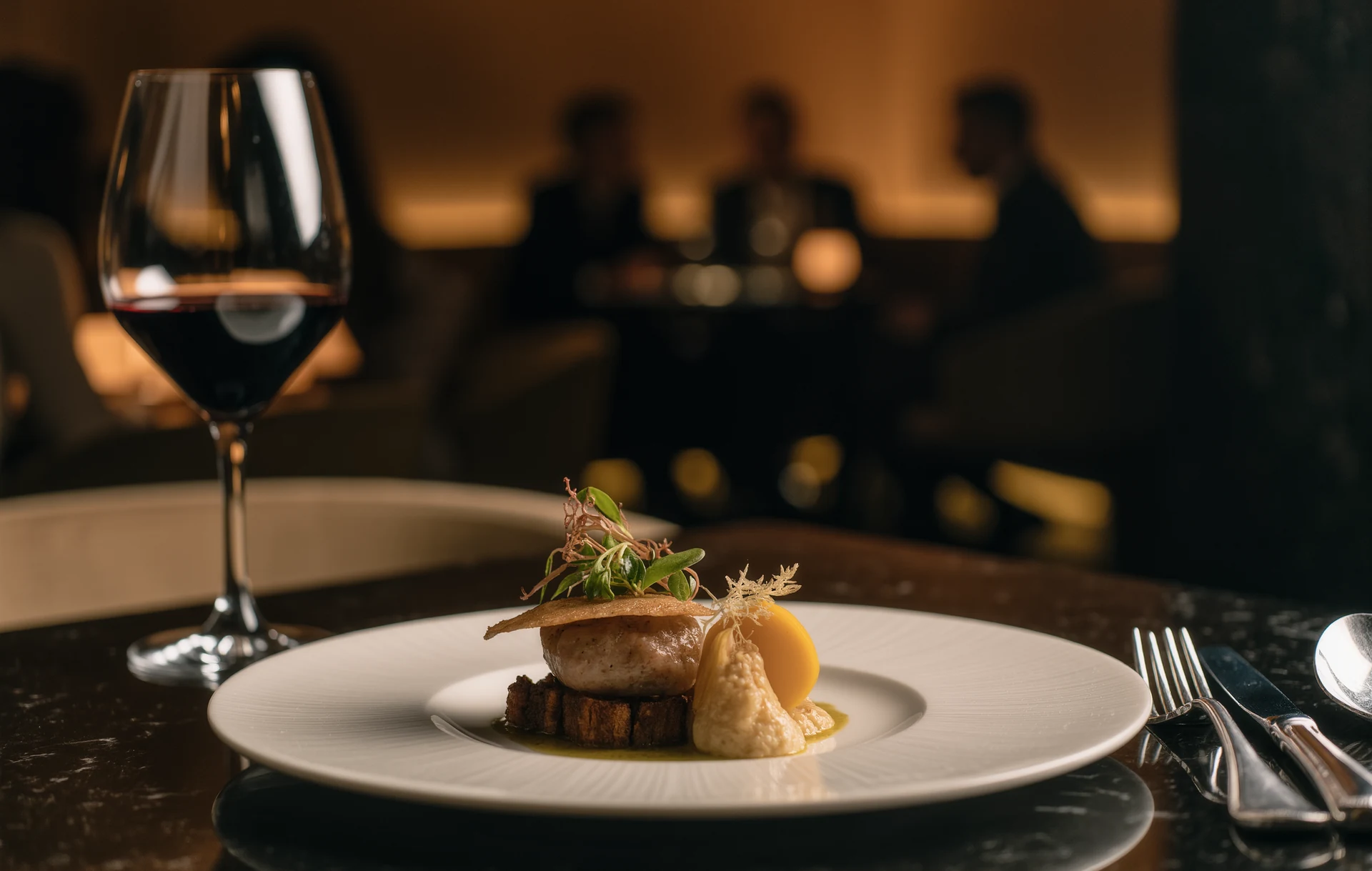
So, you’re planning a trip to Málaga and wondering what to eat? You’ve come to the right place. Southern Spain’s culinary scene is vibrant, and Málaga is a perfect place to dive in headfirst. Forget complicated jargon; we’re talking about real food, real flavors, and how to find them without feeling overwhelmed. Think fresh seafood, delicious tapas, and a whole lot of sunshine on a plate. Let’s get you ready to eat your way through this beautiful Andalusian city.
Tapas aren’t just small plates; they’re a way of life in Málaga. It’s about socializing, grazing, and trying a bit of everything. Don’t expect fancy tasting menus at every corner. The magic often happens in simple, bustling bars where locals gather.
What Exactly is a Tapa?
Technically, a tapa is a small portion of food served with a drink. In Málaga, this tradition is strong. You’ll often get a small, complimentary tapa when you order a beer or a glass of wine. These can range from a slice of tortilla española to a tiny portion of prawns.
- The “Free Tapa” Tradition: While not guaranteed everywhere, many traditional bars still offer a free tapa with your drink. It’s a great way to discover local specialties without committing to a full dish.
- Ordering More: If you want more than just the complimentary serving, you can order “raciones” (larger portions) or “pinchos” (smaller, often more elaborate, bites served on bread).
Where to Find Authentic Tapas
Navigating the tapas scene can seem daunting, but there are some key areas that really shine. Look beyond the most tourist-centric streets for the real gems.
El Centro Histórico (The Historic Center)
This is where you’ll find a high concentration of tapas bars, from centuries-old establishments to newer, trendy spots.
- Bar El Pimpi: A Málaga institution. It’s busy and touristy, yes, but for good reason. The atmosphere is incredible, and they serve classic Andalusian dishes in generous portions. Try their fried eggplant with honey (berenjenas con miel).
- Bodega Bar Catavinos: A more local feel, tucked away from the main drag. Great for trying a variety of smaller bites and enjoying a glass of local wine.
- Taberna Ucopia: Known for its creative tapas and good wine selection. It’s a bit more modern in its approach but still rooted in traditional flavors.
La Merced Market Area
Around the Mercado de la Merced, you’ll find a lively atmosphere and numerous places to eat and drink.
- Mercado de la Merced: While the market itself is fantastic for fresh produce and more casual food stalls, the surrounding streets are packed with tapas bars. Wander through and see what catches your eye, or your nose.
- The surrounding streets: Look for places with outdoor seating and a lot of people standing and chatting. That’s usually a good sign.
Pedregalejo and El Palo (Seaside Neighborhoods)
If you’re looking for seafood tapas with a view, head east along the promenade.
- Chiringuitos: These are beachfront restaurants, and many offer excellent tapas, especially fried fish. More on this later, but it’s worth mentioning as a tapas destination.
- Local bars along the promenade: You’ll find less touristy spots here, where the focus is on fresh catch and simple preparations.
Must-Try Tapas
While the offerings can vary, some tapas are quintessential Málaga.
- Gambas al pil pil: Succulent prawns sizzled in garlic-infused olive oil with a hint of chili. Served hot, usually with bread for dipping.
- Boquerones fritos: Málaga’s signature dish. Fresh anchovies, lightly floured and fried to crispy perfection. Don’t be put off by the name; they’re delicious.
- Tortilla española: A thick omelet made with potatoes and onions. Simple, comforting, and always a crowd-pleaser.
- Croquetas: Creamy béchamel filled with various ingredients like ham, chicken, or cod, then breaded and fried.
- Ensaladilla rusa: A creamy potato salad often made with peas, carrots, tuna, and mayonnaise.
The Bounty of the Sea: Málaga’s Seafood
Given its coastal location, seafood is king in Málaga. From sophisticated restaurants to casual beachside chiringuitos, fresh fish and shellfish are a highlight of any culinary journey here.
The Magic of the “Chiringuito”
These beachfront restaurants are the quintessential Málaga seaside dining experience. They’re unpretentious, offer stunning views, and serve incredibly fresh seafood cooked in simple yet flavorful ways.
- The “Espeto” Experience: The most famous dish at a chiringuito is the “espeto de sardinas”, sardines grilled on skewers over an open fire, usually directly on the beach. The smoky flavor and perfectly cooked fish are unforgettable.
- More than Sardines: While sardines are the star, chiringuitos also offer a wide array of other seafood. Think grilled sea bream (dorada), sea bass (lubina), mussels (mejillones), and prawns (gambas).
Where to Find Great Chiringuitos
The best clusters of chiringuitos are found in the neighborhoods of Pedregalejo and El Palo, just a short bus or taxi ride east of the city center.
- Pedregalejo: This former fishing village retains its charm. You’ll find a row of chiringuitos along the promenade, each with its own vibe and specialties.
- El Palo: Slightly further east, El Palo often feels even more authentic and less developed than Pedregalejo. It’s a great spot for a more laid-back experience.
What to Order at a Chiringuito
- Espeto de Sardinas: Absolutely essential.
- Pescaito Frito a la Malagueña: A mixed platter of various small fried fish. Usually includes anchovies, sardines, whiting, and sometimes squid.
- Paella or Arroz Marinero: While paella is more traditionally Valencian, you’ll find excellent seafood rice dishes here. Look for arroz a banda (rice cooked in fish broth, served separately from the seafood) or a mixed seafood rice.
- A la Plancha or Al Horno: Don’t shy away from grilled or baked whole fish. Simple preparations let the freshness of the ingredients shine.
Freshness is Key: The Central Market
If you want to see where all this incredible seafood comes from, a visit to the Mercado Central de Atarazanas is a must. It’s a vibrant, bustling market where local vendors sell the day’s catch.
- Sensory Experience: The sights, sounds, and smells of the market are intoxicating. You’ll see mountains of glistening fish, crates of live shellfish, and vendors expertly preparing their wares.
- Sampling Opportunities: While primarily a place for locals to shop, there are often small bars inside or attached to the market where you can sample incredibly fresh seafood. Look for places offering raw oysters, grilled prawns, or simple fried fish.
Traditional Flavors: Beyond Seafood
While seafood is dominant, Málaga offers a rich tapestry of other traditional Andalusian dishes. These flavors are hearty, satisfying, and deeply rooted in the region’s history.
The Hearty Soups and Stews
When the weather cools, or even when it doesn’t, Andalusian comfort food comes into its own.
- Gazpacho and Salmorejo: These are the famous cold soups of Andalusia.
- Gazpacho: A refreshing blend of tomatoes, cucumber, bell peppers, garlic, olive oil, and bread. Perfect for hot summer days.
- Salmorejo: Thicker than gazpacho, it’s made with tomatoes, bread, garlic, and olive oil, and often topped with chopped hard-boiled egg and Iberian ham. It’s a meal in itself.
- Callos a la Andaluza: A hearty tripe stew, slow-cooked with chorizo, ham, and spices. It’s a robust dish that’s surprisingly delicious.
Iberian Pork and Local Meats
Pork, particularly from the Iberian breed, is a staple in Spanish cuisine and features prominently in Málaga.
- Jamón Ibérico: The king of Spanish cured meats. Made from the hind legs of Iberian pigs, it’s renowned for its rich, nutty flavor and melt-in-your-mouth texture. You’ll find it sliced thinly in tapas bars, as a starter, or as part of a larger platter.
- Carrillada de Cerdo: Slow-cooked pork cheeks, braised until incredibly tender in a rich sauce, often wine-based. It’s a melt-in-your-mouth delight.
- Abanico Ibérico: A cut of pork from the shoulder, known for its marbling and flavor. It’s often grilled or pan-fried.
Vegetables with a Twist
Even vegetable dishes in Málaga are prepared with a local flair.
- Berenjenas con Miel: We mentioned it before, but it’s worth repeating. Fried eggplant drizzled with cane honey. The contrast of the crispy eggplant and the sweet syrup is addictive.
- Pimientos de Padrón: Small, green peppers, most of which are mild and sweet, but a few are surprisingly hot. “¡Unos pican y otros non!” (Some are hot and others aren’t!) is the famous saying. They’re simply fried in olive oil and sprinkled with sea salt.
Sweet Endings: Málaga’s Desserts
Don’t forget to save room for a little something sweet. While not as globally famous as its savory dishes, Málaga has some delightful traditional desserts.
Local Pastries and Sweets
You’ll often find these in bakeries (pastelerías) or as the final course in restaurants.
- Tarta Malagueña: A traditional almond and raisin tart. It’s rich, dense, and has a wonderful fragrant flavor.
- Borrajas: Made from a local pastry that’s soaked in syrup. It’s a sweet, sticky, and very traditional treat.
- Hojaldres: Puff pastry creations, often filled with cream or custard, and drizzled with syrup.
Fruit and Other Delights
- Seasonal Fruits: Málaga enjoys a fantastic climate for growing fruit. Depending on the season, you might find exquisite mangoes, avocados, and citrus fruits. Enjoy them fresh or in fruit salads.
- Helado (Ice Cream): Especially in the warmer months, artisanal heladerías offer delicious ice cream, often featuring local flavors like lemon, almond, or even Málaga wine.
Wine and Drinks: Complementing Your Meal
No culinary exploration is complete without considering the beverages that accompany your food. Málaga has its own unique wine traditions and refreshing local drinks.
Málaga’s Own Wines
Málaga is famous for its fortified wines, sweet and aromatic, perfect for pairing with desserts or as an aperitif.
- Vino de Málaga Dulce: This is the classic sweet Málaga wine, often made from Moscatel grapes. It has rich notes of dried fruit, honey, and raisins. It’s best enjoyed as a dessert wine.
- Málaga Virgen: A drier style, often aged, which can be enjoyed on its own or with stronger cheeses.
- Moscatel: Beyond the fortified styles, you’ll find still wines made from Moscatel grapes that are aromatic and refreshing, suitable for enjoying with seafood.
Other Local Libations
- Cerveza (Beer): Local Spanish beers are widely available and a refreshing choice, especially on a hot day. Many tapas bars will serve a small, complimentary tapa with your beer. Ordering a “caña” (small draft beer) is standard.
- Tinto de Verano: A very popular and refreshing drink, especially in the summer. It’s a mix of red wine and a lemon-flavored soda (like La Casera or Sprite), often served with a slice of lemon. It’s lighter and less alcoholic than you might think.
- Clara: Similar to Tinto de Verano, but made with white wine and lemon soda.
- Vermouth (Vermut): Increasingly popular again, you’ll find many bars serving their own house vermouth, usually enjoyed on tap with a slice of orange and an olive.
Non-Alcoholic Options
- Agua con Gas: Sparkling water.
- Zumos (Juices): Freshly squeezed orange juice (zumo de naranja) is ubiquitous and delicious, especially at breakfast. You’ll also find other fruit juices.
- Cafe con Leche: The standard way to have coffee with milk, enjoyed at any time of day.
By exploring these culinary avenues, you’re sure to have a delicious and authentic experience in Málaga. The best advice is to be open, try new things, and most importantly, enjoy the flavors of Southern Spain. ¡Buen provecho!
FAQs
What is Malaga known for in terms of food?
Malaga is known for its fresh seafood, particularly the famous “espetos” (skewered sardines cooked over an open fire), as well as its sweet wines and traditional dishes such as “porra antequerana” (a cold tomato soup) and “plato de los montes” (a hearty mountain dish with potatoes, peppers, and eggs).What are some must-try dishes in Malaga?
Some must-try dishes in Malaga include “pescaíto frito” (assorted fried fish), “gazpacho” (a cold tomato-based soup), “boquerones al limón” (anchovies marinated in lemon juice), and “tarta malagueña” (a local almond cake).Where are the best places to eat in Malaga?
Some of the best places to eat in Malaga include the Atarazanas Market for fresh seafood and local produce, El Pimpi for traditional Andalusian cuisine and a lively atmosphere, and La Cosmopolita for modern twists on classic Malaga dishes.What are some popular food and wine festivals in Malaga?
Some popular food and wine festivals in Malaga include the Feria de Malaga in August, which features traditional food and wine stalls, and the Malaga Wine Festival in September, where visitors can sample a wide variety of local wines.Are there any food tours available in Malaga?
Yes, there are several food tours available in Malaga that offer visitors the chance to sample a variety of local dishes and drinks while learning about the city’s culinary traditions and history.More from Malaga City Guide
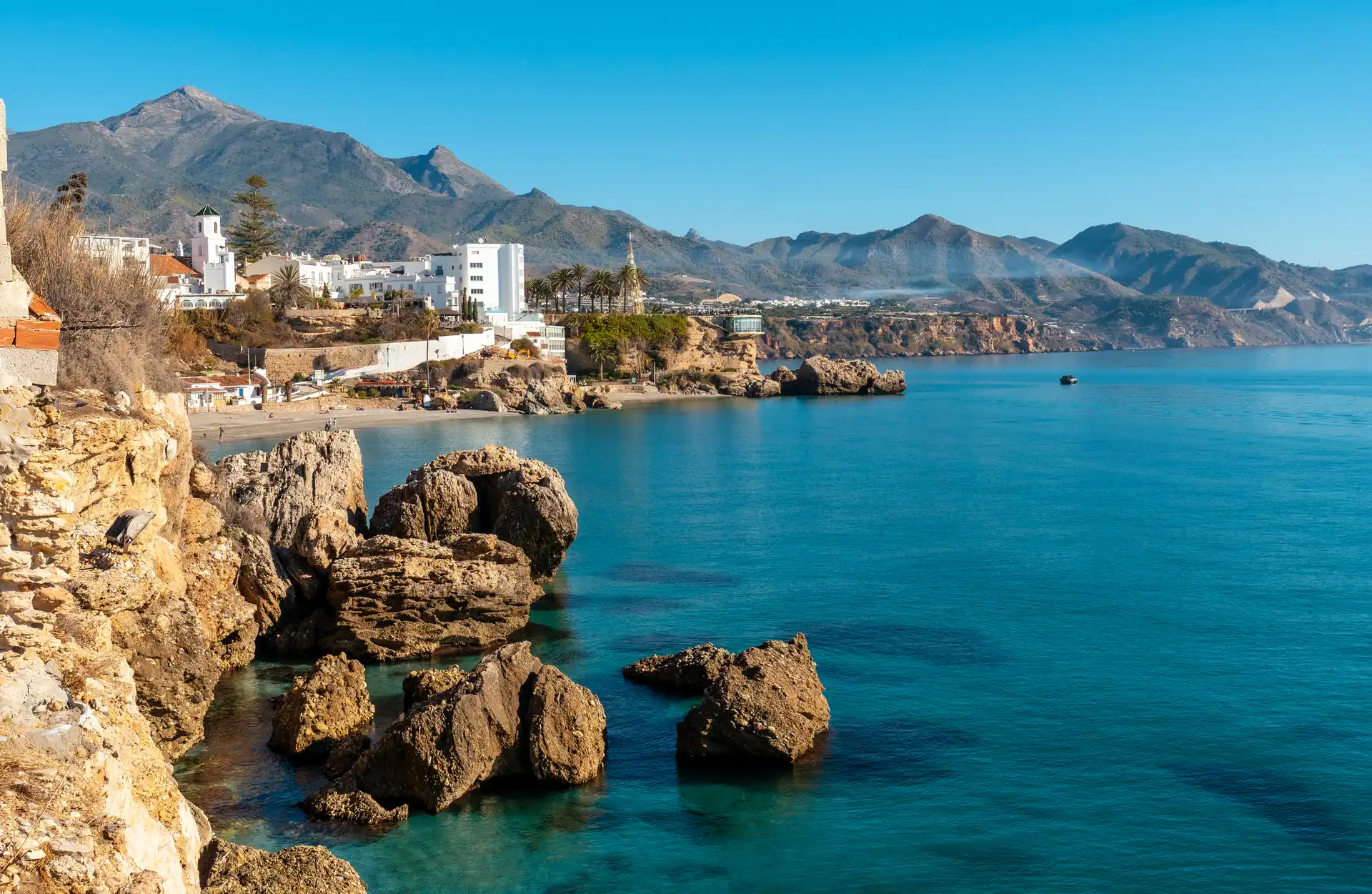
Exploring Malaga’s Charming Wine Bars
So, you’re thinking about hitting up Malaga and wondering about the wine bar scene? You’re in for a treat. Malaga isn’t just about sun and beaches; it…
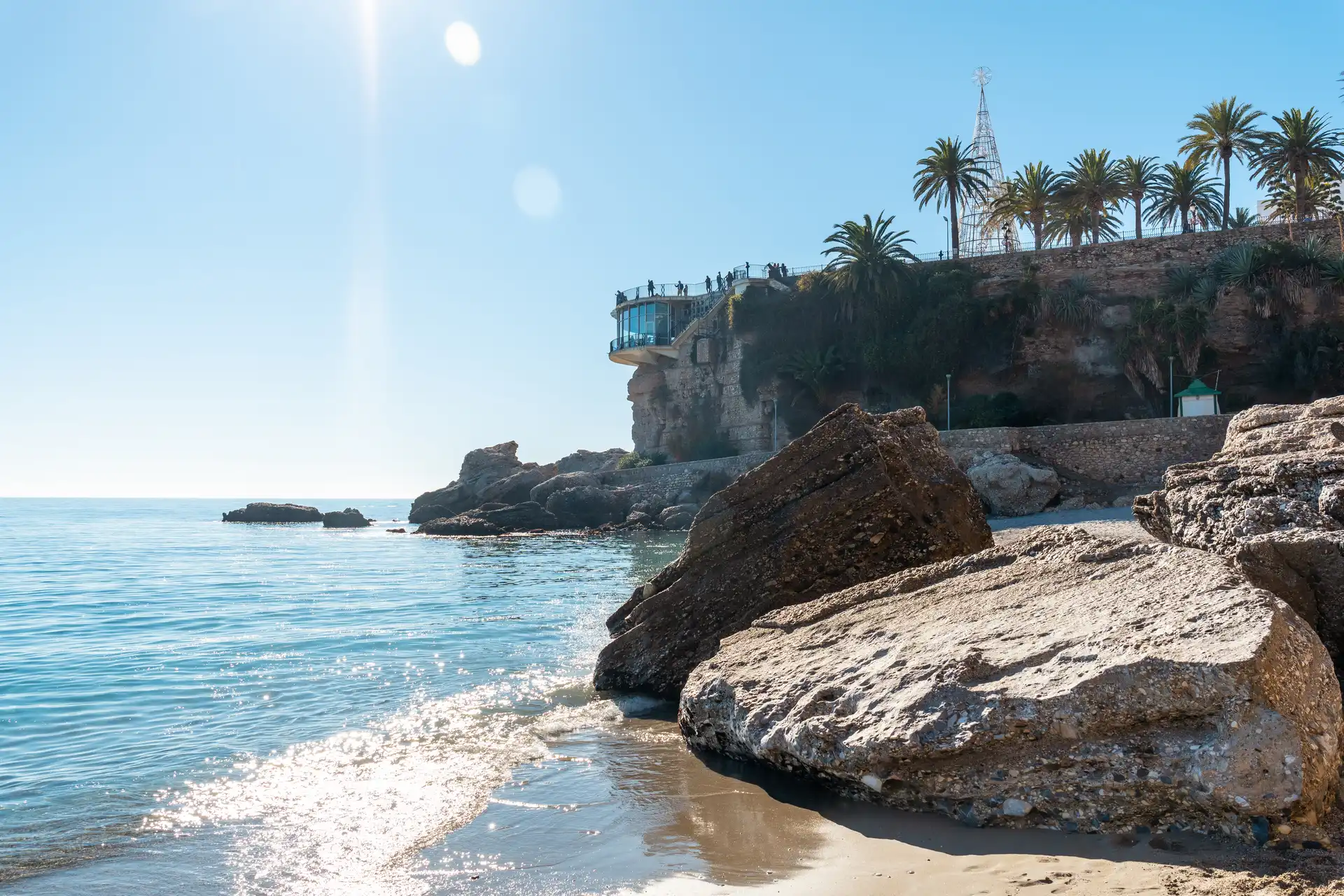
Malaga Relocation Guide: Your Essential Move
Thinking about packing up and heading to sunny Málaga? You’re not alone! It’s a fantastic city, brimming with culture, delicious food, and…
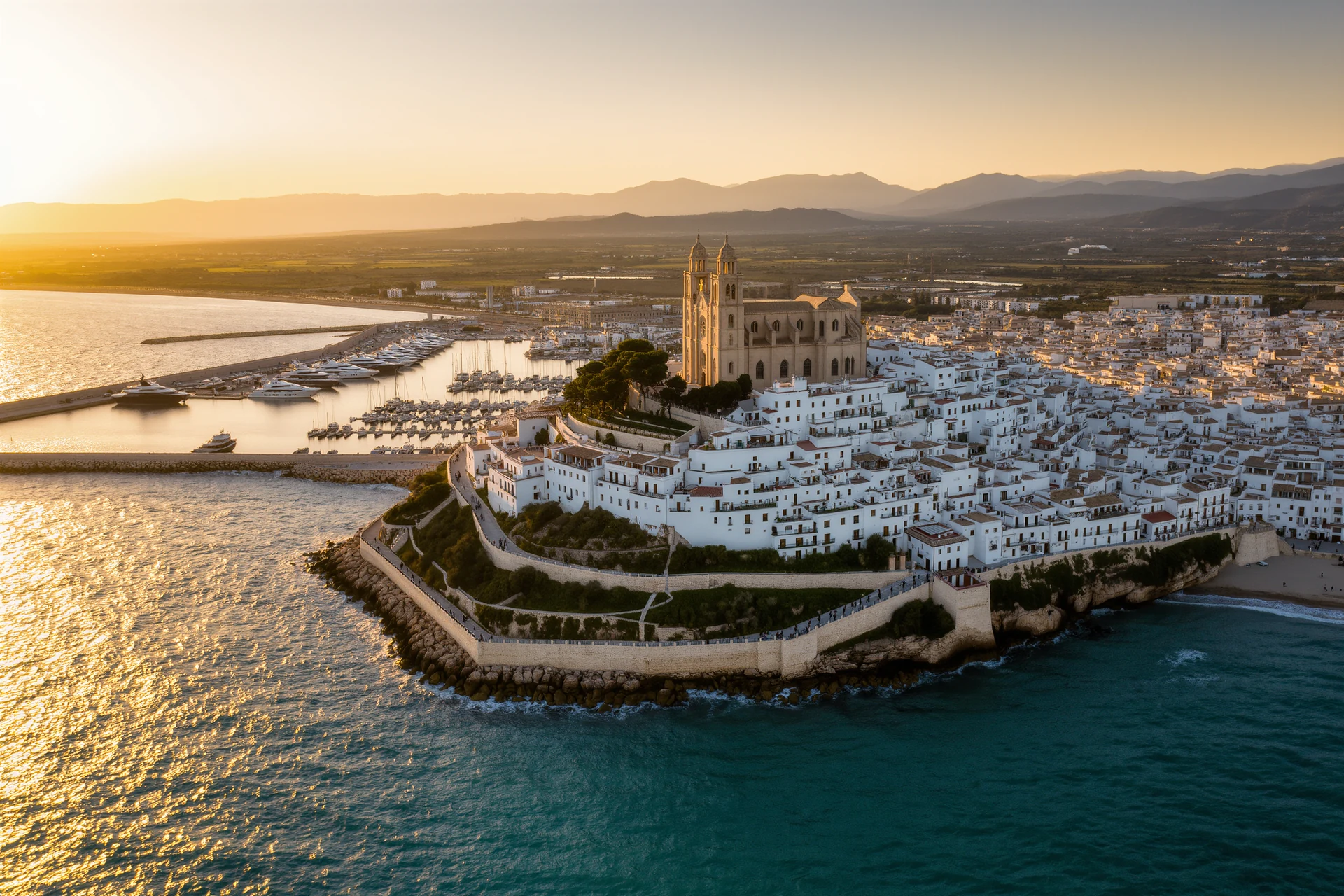
Discover Malaga: The Perfect City Break Destination
Malaga makes for an excellent city break, blending history, culture, and fantastic food with a relaxed, coastal vibe. It’s easy to get to, compa…