Retiring in Style: Embracing the Costa del Sol Lifestyle
Thinking about retiring to sunny Spain? The Costa del Sol is a popular choice for a reason. It offers a relaxed pace of life, beautiful scenery, and a vibrant culture, all wrapped …

Thinking about retiring to sunny Spain? The Costa del Sol is a popular choice for a reason. It offers a relaxed pace of life, beautiful scenery, and a vibrant culture, all wrapped up in a wonderfully pleasant climate. But what does “retiring in style” on the Costa del Sol actually mean, beyond just the sunshine? It’s about embracing a lifestyle that prioritizes enjoyment, well-being, and a good quality of life. This guide dives into the practicalities and pleasures of making the move and truly living the Costa del Sol life.
The idea of retiring abroad can feel a bit daunting, but the Costa del Sol is generally very welcoming to expats. It’s about more than just finding a place to live; it’s about creating a sense of belonging and making the transition as smooth as possible.
Finding Your Ideal Property
The property market here is vast and varied, catering to all sorts of tastes and budgets. Whether you dream of a beachfront apartment or a villa nestled in the hills, there are options aplenty.
Coastal Living vs. Inland Serenity
Deciding where to plant your roots is a big first step. The coast offers easy access to beaches, restaurants, and a lively atmosphere. Think Marbella, Estepona, or Fuengirola. If you prefer a quieter, more traditional Spanish experience, look inland towards charming white villages (pueblos blancos) like Mijas, Ojen, or Gaucin. These areas offer stunning views and a slower pace, often at a more attractive price point.
Apartment or Villa?
This often comes down to personal preference and lifestyle. Apartments are great for lock-up-and-leave convenience, especially if you plan to travel. Many urbanizations offer communal pools, gardens, and even gyms. Villas give you more space and privacy, ideal if you enjoy entertaining or have a garden. Consider the maintenance involved for both.
Buying vs. Renting
Many expats choose to rent initially to get a feel for different locations before committing to buying. Renting offers flexibility and allows you to test out neighborhoods. When you are ready to buy, research the process thoroughly, engage a reputable lawyer, and understand the associated costs beyond the purchase price, such as taxes and notary fees.
Navigating the Bureaucracy
Spain has its processes, and while they can sometimes feel a little slow, they are manageable. Getting your residency sorted is key.
The NIE Number
This is your foreigner identification number and is absolutely essential for almost everything you’ll do in Spain, from opening a bank account to buying a car or property. You can apply for it at the local police station (Comisaría de Policía) or sometimes through the Spanish consulate in your home country.
Residency Requirements
If you’re an EU citizen, the process is relatively straightforward. Non-EU citizens will need to explore options like the Non-Lucrative Visa, which requires proving sufficient financial means to support yourself without working in Spain. This visa is designed for retirees.
Healthcare Access
As a resident over a certain age, you’ll likely be entitled to access the Spanish public healthcare system. This is a significant benefit, providing quality medical care. However, many expats also opt for private health insurance for quicker access to specialists and a wider choice of facilities. Research your options based on your health needs and budget.
Embracing the Costa del Sol Lifestyle
The real magic of retiring here lies in embracing the way of life. It’s about slowing down, enjoying the simple pleasures, and integrating into the local culture.
The Glorious Climate and Outdoor Living
Sunshine is practically a given on the Costa del Sol, and it encourages an active, outdoor lifestyle.
Year-Round Outdoor Activities
From morning walks along the promenade to leisurely lunches on a terrace, the weather makes it easy to be outside. Golf is huge here, with numerous world-class courses. Hiking in the Sierra de las Nieves offers a different kind of beauty, with trails for all fitness levels.
Beach Life
The beaches are a major draw. Whether you like bustling chiringuitos (beach bars) or quieter coves, you’ll find your spot. Many coastal towns have excellent beachfront facilities, perfect for a relaxed day by the sea.
The Famous Spanish Siesta
While not as strictly observed in larger cities or tourist areas, the concept of a midday break is still alive, especially in smaller towns. This can mean a very pleasant rhythm to your day, with a chance to rest and recharge before the evening.
Culinary Delights: A Feast for the Senses
Spanish cuisine is renowned for its fresh ingredients and vibrant flavors, and the Costa del Sol is no exception.
Fresh, Local Produce
Embrace market days! The local markets are brimming with seasonal fruits, vegetables, and artisanal products. This is the best place to find the ingredients for authentic Spanish cooking.
Seafood Galore
Being on the coast, fresh seafood is a staple. From simple grilled sardines to elaborate paellas, you’ll have access to the freshest catches daily. Don’t miss trying local specialties like ‘espetos’ (sardines grilled on an open fire on the beach).
Tapas Culture
Tapas are more than just small plates; they are a social ritual. Hopping between bars, sharing a few small dishes with friends, and enjoying a glass of wine or beer is a fantastic way to experience local life and try a variety of flavors without committing to a full meal each time.
Spanish Wine and Drinks
Beyond wine, explore the local sherry and other regional drinks. Many cafes serve excellent coffee, and the evenings are often spent with a refreshing gin and tonic.
Staying Active and Engaged: Beyond the Beach
Retiring doesn’t mean slowing down entirely; it means shifting gears to activities that bring you joy and fulfillment. The Costa del Sol offers plenty of opportunities to stay mentally and physically sharp, and socially connected.
Pursuing Hobbies and Passions
This is your chance to dedicate time to things you’ve always wanted to do or revisit old favorites.
Golfing Paradise
As mentioned, the Costa del Sol is affectionately known as the “Costa del Golf.” With over 70 courses, there are options for every skill level, from challenging championship courses to more relaxed local greens. Many offer membership deals or pay-as-you-play options.
Water Sports
The Mediterranean offers a playground for water enthusiasts. Sailing, kayaking, paddleboarding, and even scuba diving are popular. Many marinas offer lessons and equipment rentals.
Arts and Crafts
You’ll find classes and workshops for everything from pottery and painting to Spanish cooking. Look for local community centers or private studios.
Learning and Cultural Immersion
Engaging with the local culture enriches the experience and helps you feel more connected.
Spanish Language Schools
Even if you learn a few phrases, speaking some Spanish will greatly enhance your interactions. Many private schools offer intensive or ongoing classes specifically for expats.
Exploring Local History and Culture
The region is rich in history, from Roman ruins to Moorish architecture. Visit historical sites like the Alcazaba in Malaga, the Roman Theatre in Marbella, or explore the network of white villages.
Festivals and Local Events
Spain loves a fiesta! You’ll find local ferias (festivals) throughout the year celebrating everything from patron saints to local produce. These are vibrant, colorful events that offer a true taste of Spanish life.
Socializing and Building a Community
One of the biggest draws for many expats is the opportunity to build a new social circle and escape the isolation that can sometimes accompany retirement.
Connecting with Other Expats
The Costa del Sol has a large and established expat community. This can provide a support network and a sense of familiarity.
Expat Clubs and Organizations
Many towns have specific clubs for British, German, French, or other nationalities. These often organize social events, day trips, and provide a platform for networking.
Meetup Groups and Social Events
Platforms like Meetup.com are very active here, with groups for everything from walking and book clubs to singles events and dining groups. Look for events that align with your interests.
Integrating with the Local Spanish Community
While expat communities are helpful, true integration comes from connecting with locals.
Frequent Local Cafes and Bars
Becoming a regular at a local cafe or tapas bar is a great way to strike up conversations. Even a few words of Spanish can go a long way.
Participating in Local Activities
Join a local sports club, volunteer for a community project, or take a Spanish class. These are organic ways to meet Spanish people and practice your language skills.
Respecting Local Customs
Understanding and respecting Spanish customs, like greeting people properly, understanding dining etiquette, and perhaps the more relaxed approach to time, will help you build stronger relationships.
Practical Considerations for a Smooth Retirement
Beyond the lifestyle, there are practicalities you’ll need to address to ensure your retirement is comfortable and stress-free.
Financial Planning and Cost of Living
While generally more affordable than many parts of Northern Europe, understanding the local economy is crucial.
Budgeting for Your New Life
The cost of living can vary significantly depending on your lifestyle and location. While rent and groceries can be cheaper, dining out frequently or belonging to exclusive clubs will increase expenses. Research specific costs in your chosen area.
Managing Your Finances
If you’re living off pensions or investments, explore the most efficient ways to manage your money. This might involve opening a Spanish bank account and understanding currency exchange rates.
Taxation
Spain has its own tax system. It’s advisable to consult with a tax advisor who specializes in expat affairs to ensure you are compliant with both Spanish and your home country’s tax regulations.
Transportation and Getting Around
How you plan to navigate your new surroundings is an important consideration.
Driving in Spain
If you plan to buy a car, be aware of Spanish driving rules, speed limits, and parking regulations. Many expats find having a car essential for exploring further afield.
Public Transport
Major towns and cities have good bus services, and the train network connects many coastal areas. Within towns, walking or cycling can be pleasant options, especially in pedestrian-friendly centers.
Airport Proximity
Malaga Airport (AGP) is a major international hub, offering easy access to flights to and from many countries, which is important if you plan to visit family or travel.
Staying Connected and Informed
Keeping up with news and maintaining connections is easier than ever with modern technology.
Internet and Communication
Reliable internet is widely available, and mobile phone plans are competitive. Staying connected with family back home is simple with video calls and social media.
Local News and Information
Beyond expat publications, try to access local Spanish news sources. This will give you a better understanding of what’s happening on the ground and introduce you to Spanish perspectives. Many local councils also have websites with relevant information for residents.
Retiring on the Costa del Sol is an opportunity to redefine your lifestyle, embracing sunshine, culture, and a more relaxed pace. It’s about finding your rhythm, building new connections, and enjoying the abundance of experiences this beautiful region has to offer. By planning thoughtfully and opening yourself up to the local way of life, you can truly retire in style, Spanish-style.
FAQs
What is the retirement lifestyle like in Costa del Sol?
Costa del Sol offers a relaxed and sunny retirement lifestyle with beautiful beaches, golf courses, and a vibrant expat community. The region is known for its warm climate, delicious cuisine, and rich cultural heritage.What are the healthcare options for retirees in Costa del Sol?
Costa del Sol has a well-developed healthcare system with modern facilities and English-speaking medical professionals. Retirees can access both public and private healthcare services, and many expats opt for private health insurance for additional peace of mind.What are the housing options for retirees in Costa del Sol?
Retirees in Costa del Sol can choose from a variety of housing options, including apartments, villas, and retirement communities. The region offers a range of affordable and luxury properties, with many retirees opting for a relaxed coastal lifestyle or a more rural setting in the mountains.What activities and amenities are available for retirees in Costa del Sol?
Costa del Sol offers a wide range of activities and amenities for retirees, including golf, tennis, water sports, hiking, and cultural events. The region also has numerous restaurants, shops, and entertainment options, making it easy for retirees to stay active and engaged.What are the visa and residency options for retirees in Costa del Sol?
Retirees from EU countries can live in Costa del Sol without a visa, while non-EU retirees can apply for a long-term residence permit. The region also offers a popular “golden visa” program for non-EU retirees who invest in property, providing a pathway to residency and eventual citizenship.More from Mediterranean Lifestyle
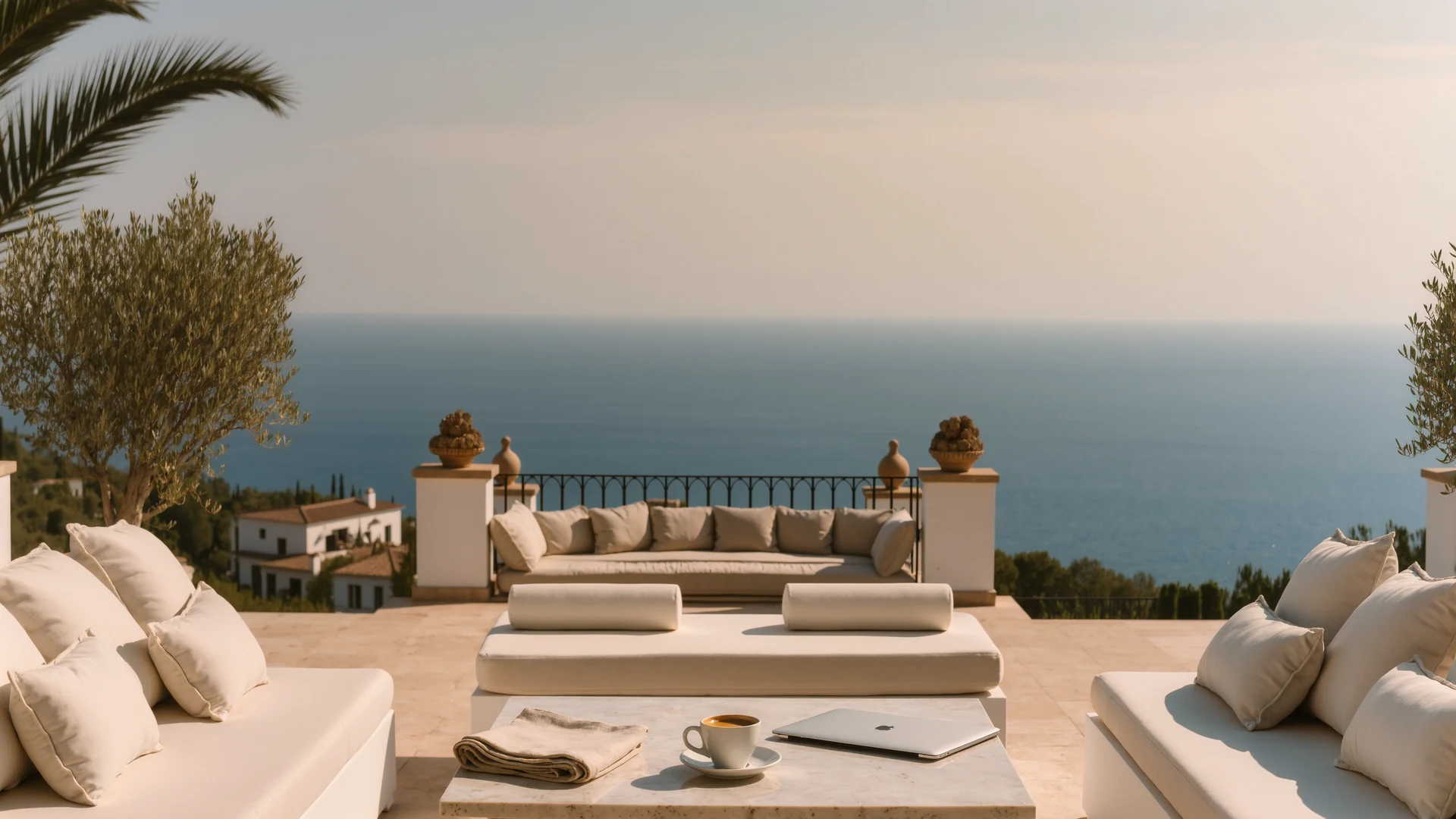
Costa del Sol Family Guide
Costa del Sol family guide: the best towns, international schools, healthcare, childcare costs, kids’ attractions and rainy-day ideas for famili…
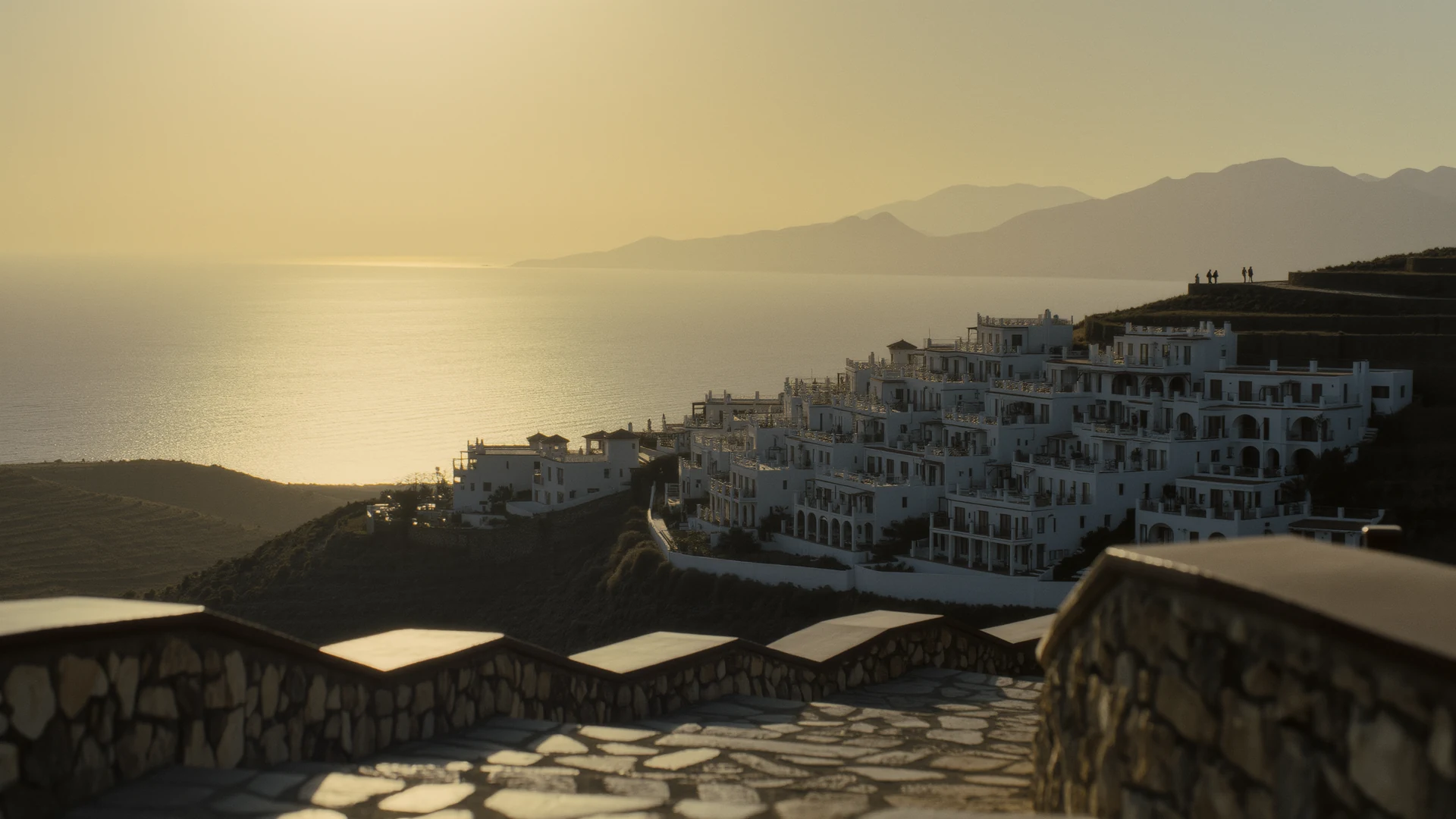
Costa del Sol Living Guide 2026
Costa del Sol Living Guide 2026: zones, cost of living, healthcare, schools, visas and property prices from Marbella to Nerja for your move to souther…
Top 5 Best Places to Live on the Costa del Sol
Thinking about making the move to the Costa del Sol? Smart choice! It’s a fantastic part of Spain with a lot to offer. But with so many beautifu…