Sunshine Living: Costa del Sol Paradise
So, you’re wondering if the Costa del Sol is truly a “paradise” for living, and what that actually entails. In short, for many, it genuinely is, but “parad…
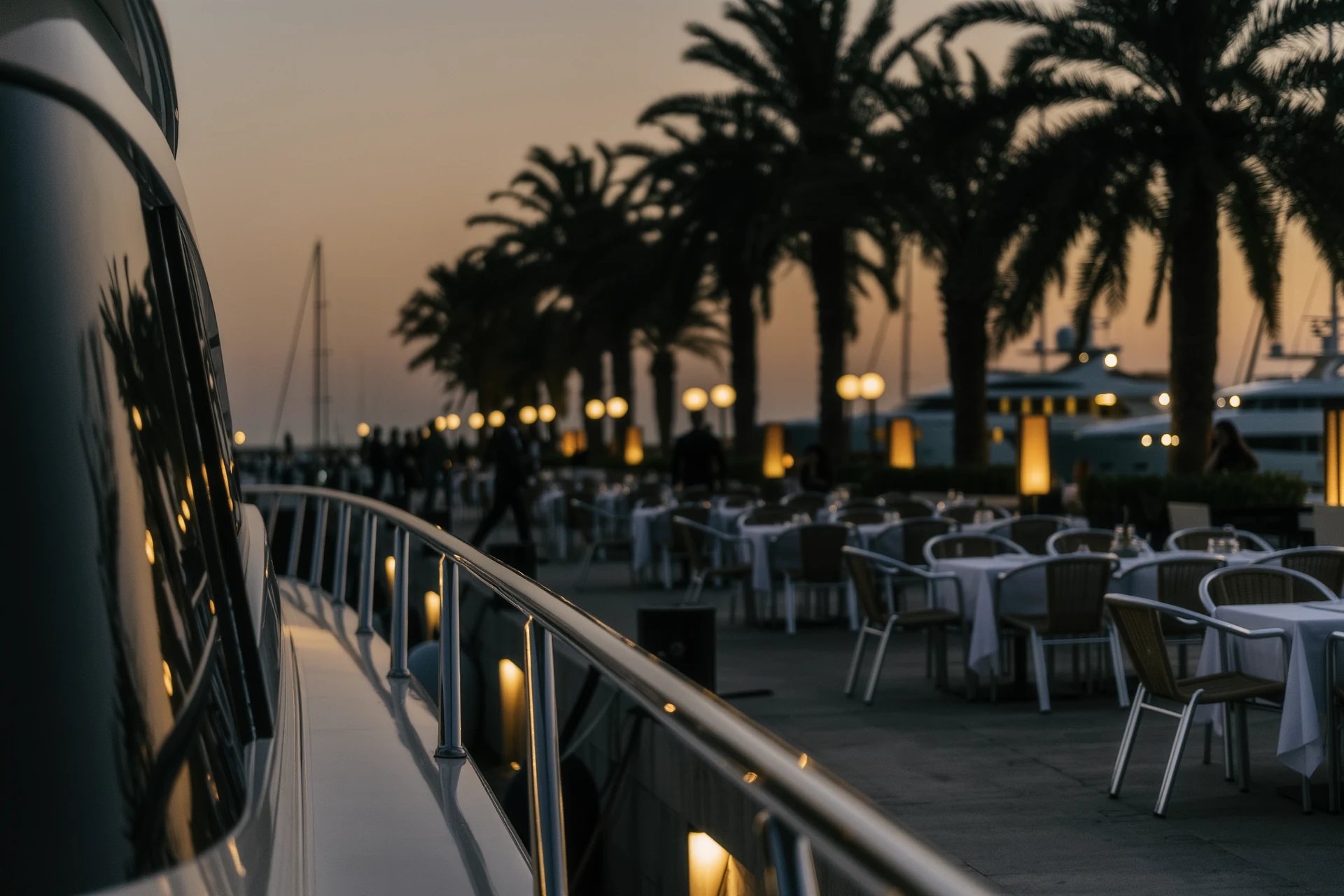
So, you’re wondering if the Costa del Sol is truly a “paradise” for living, and what that actually entails. In short, for many, it genuinely is, but “paradise” is subjective, of course. It offers a unique blend of abundant sunshine, a relaxed lifestyle, diverse communities, and surprisingly good infrastructure, all set against a stunning Mediterranean backdrop. It’s not without its quirks, mind you, but for a certain kind of person, it hits the sweet spot.
The Costa del Sol, stretching along the southern coast of Spain in the province of Málaga, isn’t a single homogenous entity. It’s a collection of towns and cities, each with its own character, from the glitz of Marbella to the charming white villages tucked slightly inland, and the more traditional Spanish feel of places like Estepona. What unites them is the Mediterranean climate and a lifestyle deeply intertwined with the outdoors.
More Than Just Beaches
While the name “Sun Coast” naturally brings beaches to mind, the region offers much more. You’ve got the striking Sierra Nevada mountains just a couple of hours away for winter sports, the rolling hills dotted with olive groves, and vibrant cities like Málaga (the provincial capital) with its rich history, museums, and burgeoning art scene. It’s a place where you can ski in the morning and be on the beach in the afternoon during certain times of the year, which is a pretty unique selling point.
The Pace of Life
One of the big draws is the slower pace of life. While work still happens, there’s a distinct emphasis on enjoying downtime. Long lunches, evening strolls along the promenade, and late-night dinners are typical. This isn’t to say everything grinds to a halt; bigger towns like Málaga and Marbella are quite dynamic, but even there, you’ll find a more relaxed attitude compared to many northern European cities.
Practicalities of Living Here
Moving anywhere new involves navigating a fair bit of bureaucracy and understanding the local way of doing things. The Costa del Sol is no exception, but it’s generally manageable once you get the hang of it.
Residency and Bureaucracy
For EU citizens, residency is relatively straightforward, primarily involving registering for an NIE (foreigner identification number), which you’ll need for almost everything from opening a bank account to buying property. Non-EU citizens have more hoops to jump through, with various visa options like the Non-Lucrative Visa or Golden Visa, each with specific requirements. It’s highly advisable to use a local gestor (administrative assistant) or lawyer for this process; they’re worth their weight in gold for cutting through Spanish red tape.
Healthcare System
Spain has an excellent public healthcare system, and residents can access it once they’re registered and contributing to social security. There’s also a wide array of private healthcare options, often preferred by expats for quicker appointments and English-speaking staff. It’s common for residents to have a combination of both, using the public system for general needs and private for specialists or specific services. Hospitals and clinics are generally modern and well-equipped.
Cost of Living
Compared to major cities like London, Paris, or New York, the cost of living on the Costa del Sol is generally lower, but it’s not dirt cheap. Rent and property prices vary wildly depending on the location; a beachfront apartment in Puerto Banús will cost significantly more than a townhouse in a quieter inland village. Groceries are often cheaper, especially fresh produce from local markets. Eating out can be very affordable if you stick to local tapas bars and menu del día (set lunch menus). Utilities are comparable or slightly higher than some European averages, particularly electricity, which can be pricey with heavy air conditioning use in summer.
Finding Your Niche: Diverse Communities
One of the joys of the Costa del Sol is its diverse population. You’ll find long-term expats who’ve integrated deeply, new arrivals testing the waters, and of course, a strong local Spanish community. This blend creates a rich cultural tapestry.
Expat Hubs
Certain areas are well-known expat hubs. Fuengirola, Benalmádena, and Torremolinos have substantial British, Irish, and Scandinavian communities, leading to an abundance of English-speaking services, shops, and social groups. Marbella and its surrounding areas attract a more international, affluent crowd. Mijas Pueblo, while very popular with tourists, also has a sizable expat population.
Integrating with Locals
While it’s easy to stay within expat bubbles, making an effort to learn Spanish and engage with local life is incredibly rewarding. Spaniards are generally very friendly and welcoming. Participating in local fiestas, visiting
traditional markets, and frequenting Spanish-run establishments are great ways to immerse yourself. Most towns have community centers offering Spanish classes, which are an excellent way to learn the language and meet people.
Family Living
For families, the Costa del Sol offers a great environment. There are numerous international schools offering various curricula (British, American, German, etc.), alongside the Spanish public and private school systems. The outdoor lifestyle, with plenty of parks, beaches, and sports facilities, is a huge plus for children. Access to nature and good weather encourages active living.
The Lifestyle: Sun, Sea, and More
This is where the “paradise” element really shines for many. The lifestyle is undoubtedly a major draw, emphasizing outdoor living and social connection.
Outdoor Activities Galore
With over 320 days of sunshine a year, you’re practically guaranteed good weather for outdoor pursuits. Golf is huge here, with a concentration of world-class courses often referred to as the “Costa del Golf.” Water sports, sailing, paddleboarding, swimming, snorkeling, are naturally popular. Hiking and cycling in the nearby hills and mountains are also fantastic, offering stunning views and a different perspective of the region.
Food and Drink Culture
Spanish food culture is vibrant and central to daily life. Tapas are a way of life, offering an informal and delicious way to sample many dishes. Fresh seafood is abundant and excellent, particularly in coastal towns. The region also produces its own olive oil, wines, and fresh produce. The focus is on fresh, seasonal ingredients. Eating out is a social event, often stretching late into the evening. Andalusia is also famous for its flamenco, and while not for everyone, experiencing a live show can be truly captivating.
Social Life and Leisure
Social life often revolves around shared meals, coffee breaks at local cafés, and evening strolls. There are numerous cultural events, especially in Málaga city, with its impressive array of museums (Picasso Museum, Carmen Thyssen Museum, Centre Pompidou Málaga, etc.), theaters, and concert venues. Local fiestas are frequent and offer a lively insight into Spanish traditions. The climate naturally encourages a more spontaneous and relaxed social calendar.
Navigating Challenges and Considerations
No place is perfect, and while the Costa del Sol offers many advantages, it’s also important to be realistic about potential downsides. Understanding these can help you better prepare and adjust expectations.
Summer Heat
The summers can be intensely hot, particularly in July and August, with temperatures often soaring well into the 30s°C (high 80s/low 90s°F) and sometimes higher. While coastal breezes offer some relief, air conditioning becomes essential. Many locals and long-term residents adapt by embracing siestas, starting their days early, and planning outdoor activities for cooler hours.
Language Barrier
While many people in tourist areas speak English, venturing outside these zones, or dealing with official bureaucracy, will require some Spanish. Relying solely on English can limit your ability to fully integrate and handle essential tasks efficiently. Even a basic understanding of Spanish goes a long way and is a sign of respect.
Work Opportunities
For those needing to work, the job market can be challenging, especially for non-Spanish speakers. The main industries are tourism, hospitality, and real estate. Remote work, or bringing your own business, often provides more flexibility and better income potential. It’s not a place to arrive without a plan if employment is a necessity. Entrepreneurship is also a growing sector, with Málaga in particular becoming a hub for startups and digital nomads.
Bureaucracy and Pace of Service
Spanish bureaucracy is famously slow and can be frustrating. Processes take time, and things are often done “mañana” (tomorrow), which can mean anything from tomorrow to next week or never. Patience is a virtue, and as mentioned, professional help (gestores, lawyers) is often money well spent to avoid headaches. Things move at a more leisurely pace in general, from customer service to getting repairs done.
Final Thoughts: Is it Your Paradise?
Ultimately, the Costa del Sol is a dynamic and appealing region for many looking for a sunnier, more relaxed lifestyle. It genuinely offers a high quality of life with its climate, food, culture, and outdoor opportunities.
It’s crucial to visit, preferably for an extended period, before making a permanent move. See how you cope with the summer heat, try navigating without perfect Spanish, and experience the pace of life firsthand. Talk to residents, both expat and local, to get a rounded perspective. If you’re drawn to a life spent outdoors, enjoy good food, value social connections, and can adapt to a more laid-back (and sometimes bureaucratic) way of doing things, then the Costa del Sol might just be your personal paradise. It’s an experience, not just a place, and one that consistently captivates those who choose to call it home.
FAQs
What is the climate like in Costa del Sol?
Costa del Sol has a Mediterranean climate with hot, dry summers and mild winters. The region enjoys over 300 days of sunshine per year.What are the popular activities in Costa del Sol?
Costa del Sol is known for its beautiful beaches, golf courses, and water sports such as sailing, windsurfing, and diving. The region also offers hiking, cycling, and cultural attractions.What are the popular cities in Costa del Sol?
Popular cities in Costa del Sol include Marbella, Malaga, Torremolinos, and Fuengirola. Each city offers its own unique charm, from historic sites to vibrant nightlife.What is the cost of living in Costa del Sol?
The cost of living in Costa del Sol can vary depending on the city and lifestyle. Generally, it is considered to be affordable compared to other European destinations, with reasonable prices for accommodation, dining, and entertainment.What are the healthcare facilities like in Costa del Sol?
Costa del Sol has modern healthcare facilities, including public and private hospitals, clinics, and pharmacies. The region is known for its quality healthcare services, making it an attractive destination for retirees and expatriates.More from Mediterranean Lifestyle
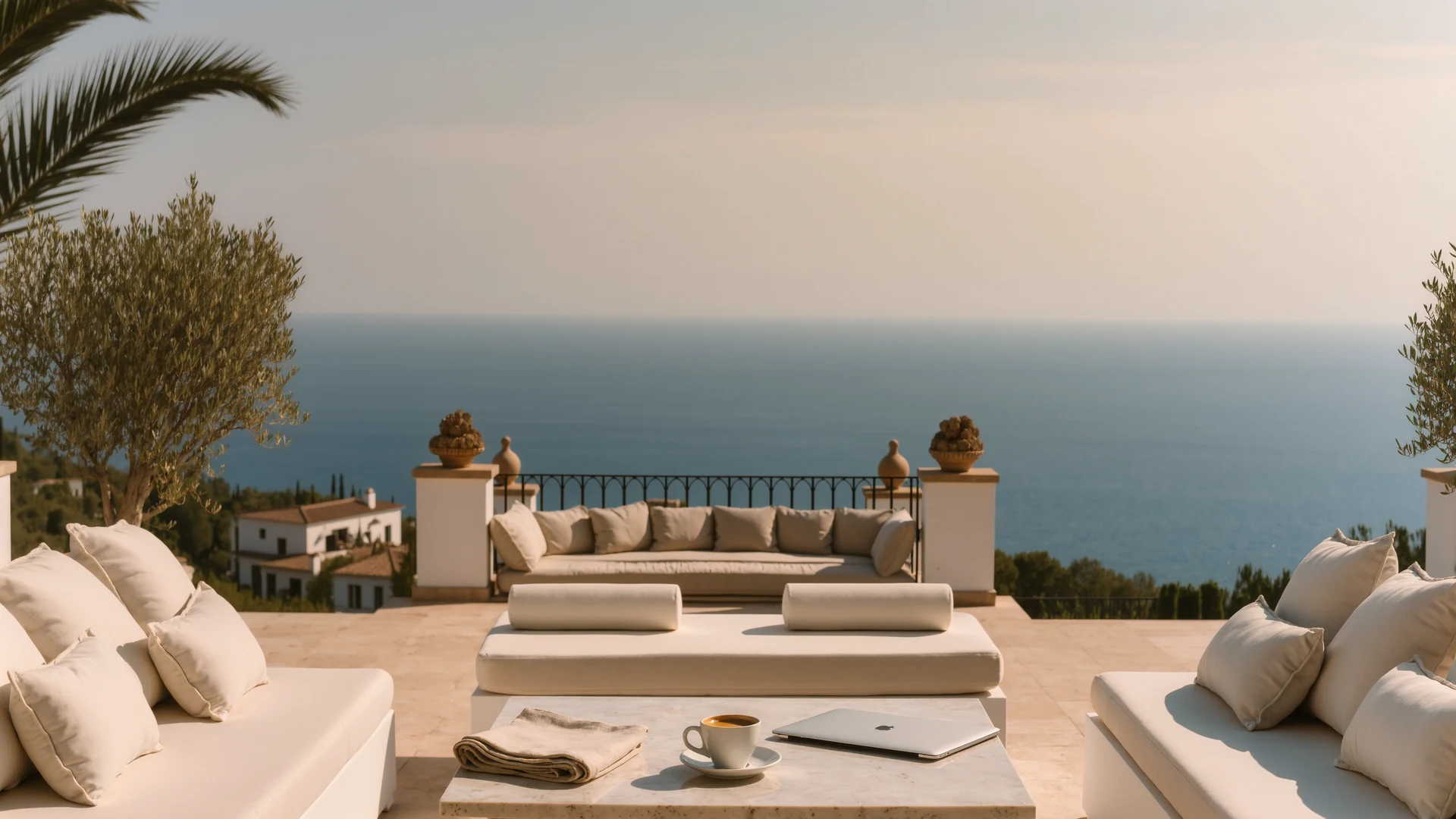
Costa del Sol Family Guide
Costa del Sol family guide: the best towns, international schools, healthcare, childcare costs, kids’ attractions and rainy-day ideas for famili…
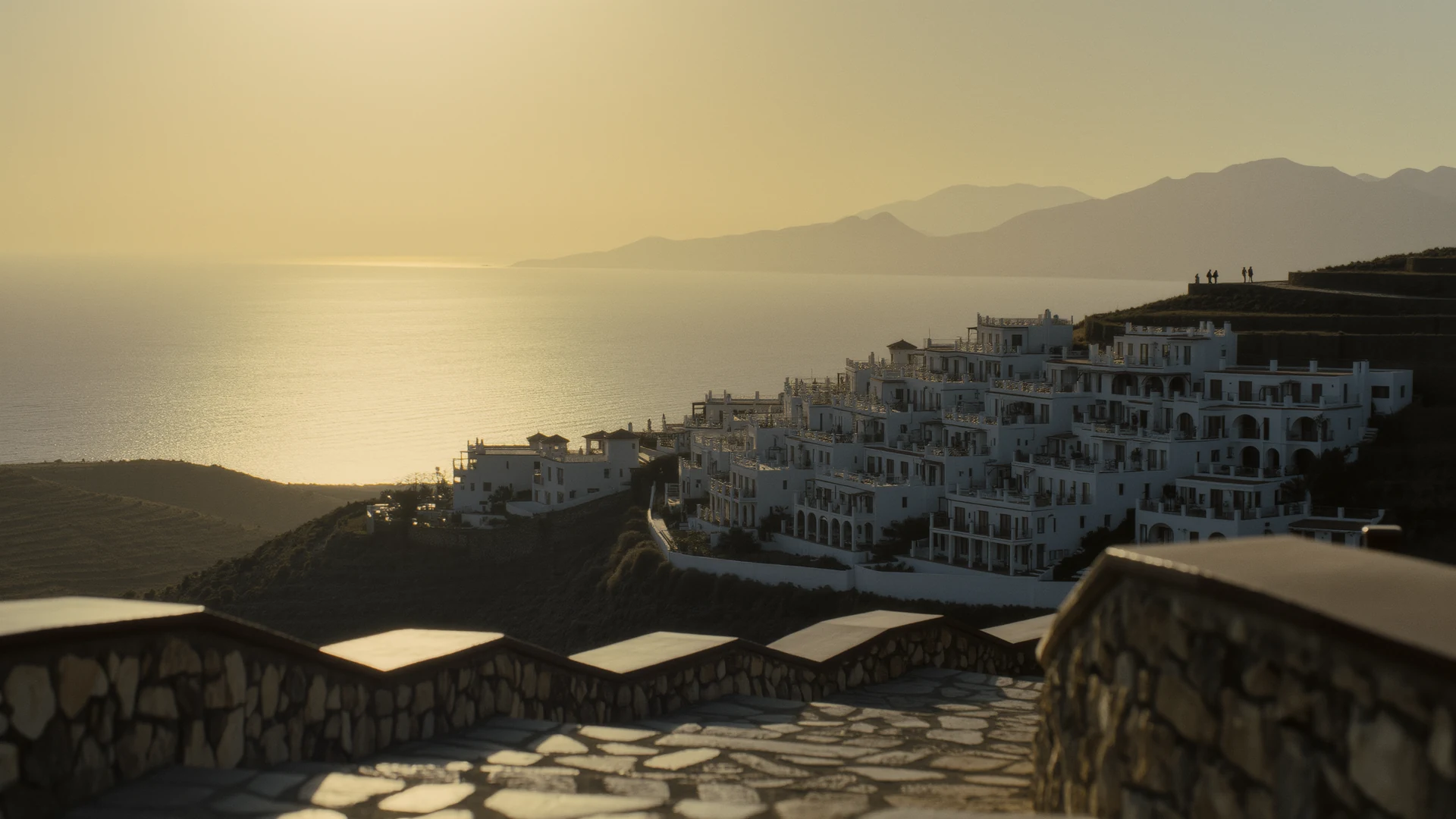
Costa del Sol Living Guide 2026
Costa del Sol Living Guide 2026: zones, cost of living, healthcare, schools, visas and property prices from Marbella to Nerja for your move to souther…
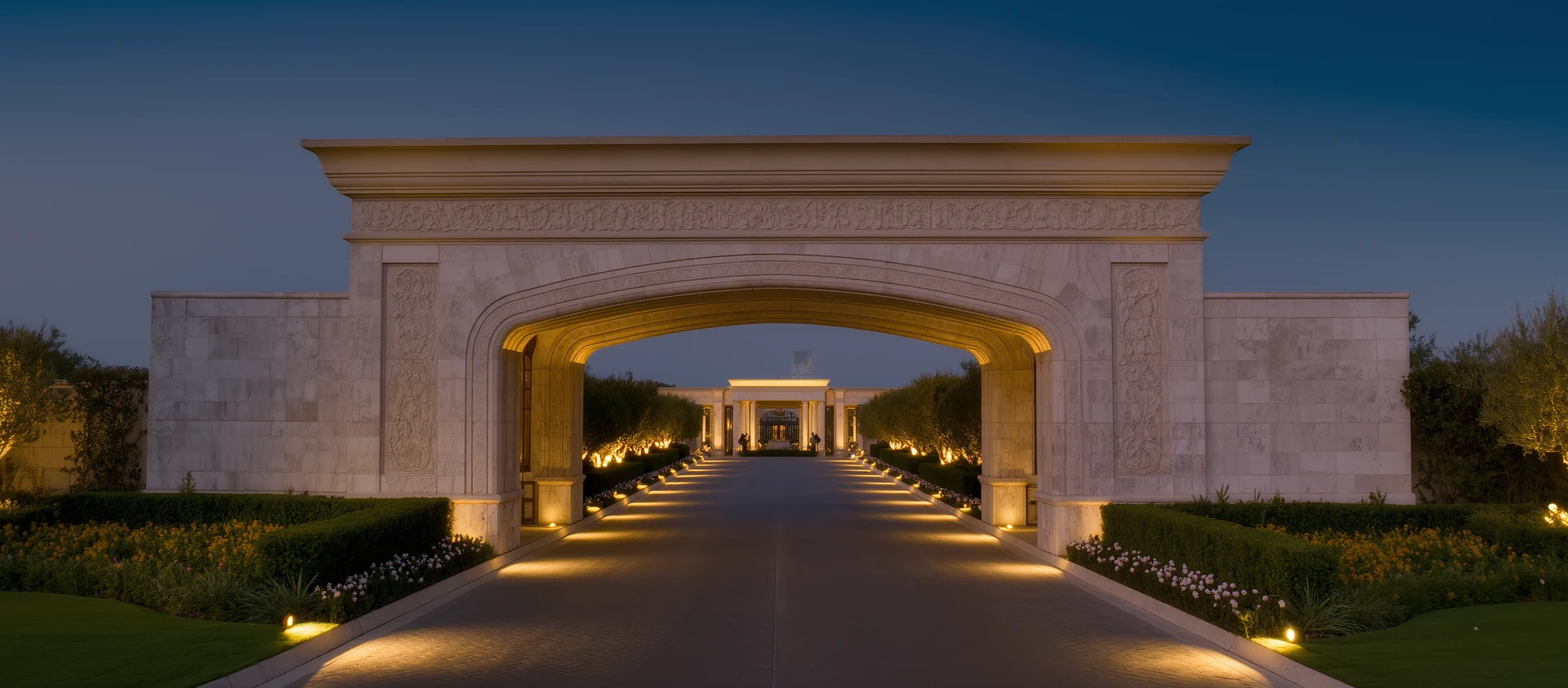
Top 5 Best Places to Live on the Costa del Sol
Thinking about making the move to the Costa del Sol? Smart choice! It’s a fantastic part of Spain with a lot to offer. But with so many beautifu…