Sustainable Architecture in Spain: Leading the Way
Spain is making significant strides in sustainable architecture, quickly becoming a leader in environmentally conscious building practices. From innovative energy solutions to a de…
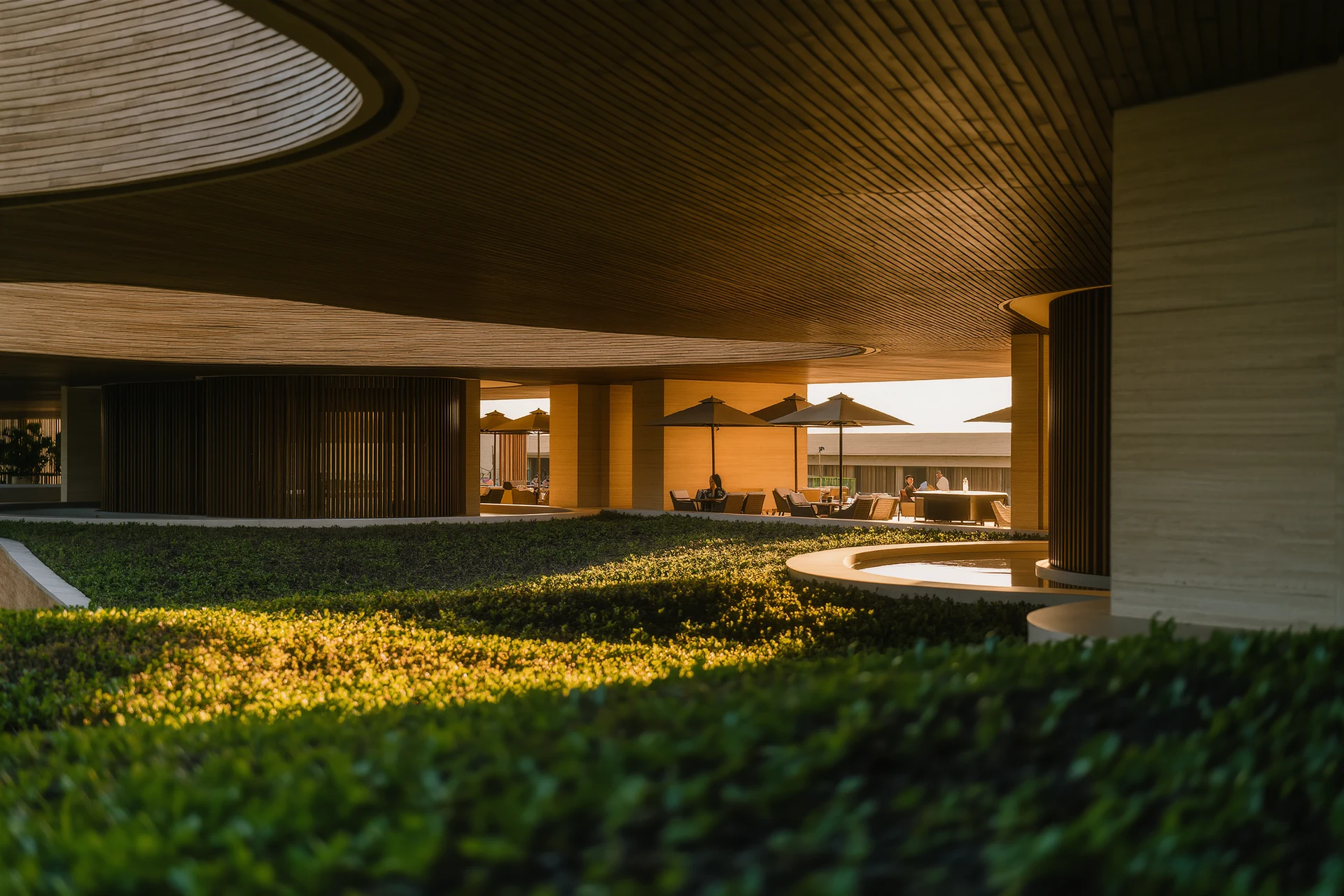
Spain is making significant strides in sustainable architecture, quickly becoming a leader in environmentally conscious building practices. From innovative energy solutions to a deep respect for local materials and climate, Spanish architects are integrating sustainability into every aspect of design and construction. They’re building a future that’s not just beautiful but also responsible, setting an example for the rest of the world.
It’s not by accident that Spain has emerged as a frontrunner in sustainable building. Several factors have converged to create a fertile ground for eco-conscious design and construction.
A Legacy of Climate-Responsive Design
Spain’s architectural heritage is inherently sustainable. For centuries, Spanish builders developed techniques to contend with the country’s diverse and often harsh climates. Think of thick stone walls for insulation, courtyards for natural ventilation, and strategic shading, these aren’t just aesthetic choices, but practical climate responses.
This historical context provides a strong foundation. Modern sustainable architecture in Spain isn’t just a new trend; it’s an evolution of deeply ingrained principles. Architects are now reinterpreting these traditional strategies with contemporary materials and technologies, blending the wisdom of the past with the innovations of the present.
Robust Renewable Energy Infrastructure
Spain boasts an impressive renewable energy sector, particularly in solar and wind power. This readily available clean energy makes it easier and more practical to design buildings that integrate renewable sources, reducing reliance on fossil fuels. When your grid is already green, connecting a building with its own solar panels makes even more sense.
This strong infrastructure also encourages innovation in energy storage and smart grid integration within buildings. Architects can confidently specify systems that not only generate power but also interact efficiently with the broader energy network.
Progressive Environmental Policies and Regulations
The Spanish government, at both national and regional levels, has implemented a series of policies and incentives to promote sustainable construction. These range from mandatory energy performance certifications for buildings to tax breaks for using eco-friendly materials and integrating renewable energy systems.
Such regulatory frameworks push the envelope, encouraging developers and architects to exceed minimum standards and explore more ambitious sustainable solutions. The carrot and stick approach, with both incentives and regulations, creates an environment where sustainable building isn’t just an option, but often the preferred, and sometimes necessary, path. For instance, many municipalities are now requiring new builds to achieve specific energy efficiency ratings or incorporate a percentage of renewable energy generation.
A Culture of Innovation and Design Excellence
Spain has a long-standing reputation for architectural innovation and design prowess. This cultural emphasis on creativity and pushing boundaries extends naturally to sustainable design. Spanish architects aren’t just building green; they’re building green with style and ingenuity.
This desire for excellence means that sustainable buildings in Spain are often not just functional but also aesthetically striking, proving that eco-friendly doesn’t have to mean sacrificing beauty or architectural vision. This commitment to both form and function helps sustainable architecture gain wider acceptance and appreciation.
Key Principles of Sustainable Architecture in Spain
Spanish sustainable architecture isn’t about ticking boxes; it’s about a holistic approach to design that considers the entire lifecycle of a building and its impact on the environment and its occupants.
Maximizing Energy Efficiency
This is often the first thing people think of with sustainable building, and for good reason. In Spain, it’s a primary focus. Architects prioritize significant reductions in energy consumption for heating, cooling, lighting, and ventilation.
This often involves:
- High-performance insulation: Using advanced insulating materials in walls, roofs, and floors to minimize heat transfer.
- Efficient window systems: Employing double or triple glazing, low-emissivity (low-e) coatings, and thermally broken frames to reduce heat loss in winter and heat gain in summer.
- Natural ventilation strategies: Designing buildings to maximize cross-ventilation, often incorporating courtyards, strategic window placement, and sometimes even wind towers, to reduce the need for air conditioning.
- Optimal orientation: Positioning buildings on their sites to take advantage of natural light and minimize solar gain in hot months, and maximize it in colder periods.
- Automated building management systems: Using smart technology to control lighting, heating, and cooling, optimizing energy use based on occupancy and external conditions.
Integrating Renewable Energy Sources
Beyond just reducing energy demand, Spanish sustainable buildings actively generate their own power.
- Solar PV (Photovoltaic) Panels: These are ubiquitous, topping roofs and sometimes integrated into facades, converting sunlight directly into electricity.
- Solar Thermal Collectors: Used to heat water for domestic use, significantly reducing reliance on conventional boilers.
- Geothermal Systems: Tapping into the stable temperature of the earth to provide efficient heating and cooling, particularly effective in areas with suitable ground conditions.
- Biomass Boilers: Utilising organic matter (like wood pellets) for heating, especially in rural or more traditionally inclined projects.
- Wind Turbines: While less common in urban settings, small-scale wind turbines can be integrated into larger projects or rural developments.
Sustainable Material Selection
The choice of materials profoundly impacts a building’s environmental footprint. Spanish architects prioritize materials that are:
- Locally sourced: Reducing transportation emissions and supporting local economies. Think of the widespread use of regional stone, timber, or ceramic tiles.
- Recycled or recyclable: Giving new life to waste products and ensuring materials can be re-purposed at the end of a building’s life.
- Low embodied energy: Materials that require less energy to produce, transport, and install.
- Non-toxic and healthy: Avoiding materials that off-gas harmful chemicals, ensuring good indoor air quality for occupants.
- Durable and long-lasting: Reducing the need for frequent replacement and subsequent material consumption.
Water Conservation and Management
Given Spain’s climate, water scarcity is a real concern in many regions. Sustainable architecture addresses this head-on.
- Rainwater harvesting: Collecting rainwater from roofs for non-potable uses like irrigation, toilet flushing, and cleaning.
- Greywater recycling: Treating water from sinks and showers for re-use in toilets and landscaping.
- Low-flow fixtures: Installing taps, showers, and toilets that use significantly less water without compromising performance.
- Drought-tolerant landscaping: Designing outdoor spaces with native plants that require minimal irrigation.
- Efficient irrigation systems: Utilizing drip irrigation and smart controllers to water plants only when and where needed.
Promoting Biodiversity and Green Spaces
Sustainable design extends beyond the building itself to its surroundings.
- Green roofs and living walls: These not only provide insulation and reduce stormwater runoff but also create new habitats for local flora and fauna, improving urban biodiversity. They also help reduce the urban heat island effect.
- Native planting: Using local plant species that are adapted to the climate and require less water and maintenance.
- Connecting with nature: Designing spaces that provide views of and access to nature, enhancing occupant well-being. This can be as simple as strategically placed windows or as elaborate as incorporating interior courtyards with lush planting.
Exemplary Projects and Emerging Trends
Spain is home to an impressive array of sustainable projects, each showcasing innovative approaches and a commitment to environmental responsibility.
High-Performance Residential Buildings
From individual eco-homes to large-scale residential developments, Spanish architects are pushing boundaries in creating comfortable, energy-efficient living spaces.
- Passive House Standard: A growing number of residential projects in Spain are achieving or aiming for Passivhaus certification, a rigorous standard for energy efficiency that results in extremely low energy consumption. These buildings are super-insulated, airtight, and often include heat recovery ventilation systems.
- Bioclimatic Design in Apartment Blocks: Large residential complexes are increasingly incorporating bioclimatic principles. This means thoughtful orientation to maximize natural light and ventilation, extensive use of external shading elements (like pergolas or movable louvers), and integration of shared green spaces and efficient water management systems. A great example of this thinking can be seen in many new developments along the Mediterranean coast, where intense sun and warm temperatures demand clever solutions.
Innovative Public and Commercial Projects
Sustainable principles are also being applied to larger, more complex buildings, demonstrating that green design is scalable and adaptable.
- Eco-Districts and Urban Planning: Beyond individual buildings, entire urban areas are being conceived with sustainability at their core. Projects like the 22@ district in Barcelona are transforming old industrial areas into vibrant, sustainable innovation hubs, featuring smart grids, sustainable transport, and a high concentration of green buildings.
- Adaptive Re-use and Renovation: Spain has a rich architectural heritage, and sustainable practices often involve renovating and upgrading existing buildings rather than demolishing and rebuilding. This preserves embodied energy and cultural significance while enhancing energy performance. Many historic buildings are being retrofitted with modern sustainable technologies, proving that old can meet new in an environmentally friendly way.
- Sustainable Materials Research: There’s a strong push in Spain to research and develop new, innovative sustainable building materials. This includes projects exploring advanced composites made from recycled plastic, high-performance bio-based insulation, and innovative uses of traditional materials like cork and ceramics for enhanced thermal performance.
Sustainable Tourism Infrastructure
As a major tourism destination, Spain is also focusing on making its hospitality sector more sustainable, from boutique hotels to large resorts.
- Eco-Hotels: New hotels are being designed from the ground up with sustainability in mind, featuring solar power, rainwater harvesting, efficient HVAC systems, and locally sourced, recycled materials. They often integrate seamlessly with natural landscapes.
- Green Certifications for Resorts: Existing resorts are increasingly seeking green building certifications like LEED or BREEAM, undertaking extensive renovations to improve energy efficiency, water conservation, and waste management. This signals a growing awareness that sustainability is not just good for the environment but also for business, appealing to an increasingly eco-conscious traveler. Many coastal regions are leading the charge in this, seeking to protect their natural beauty for future tourism.
Climate Change Resilience
Spanish sustainable architecture is not just about reducing impact but also about adapting to the inevitable changes brought by climate change.
- Heatwave Preparedness: Designs increasingly incorporate features to cope with more frequent and intense heatwaves, such as extensive shading, passive cooling techniques, and materials with high thermal mass.
- Water Management in Drought-Prone Areas: In regions facing increased drought, innovative water conservation and recycling technologies are becoming standard, ensuring buildings can operate effectively even with reduced water availability. This can involve extensive greywater and rainwater systems, and even on-site wastewater treatment for highly sustainable projects.
The Future is Green: Challenges and Opportunities
While Spain has made remarkable progress, the journey towards fully sustainable architecture isn’t without its hurdles. However, these challenges also present significant opportunities for further innovation and leadership.
Overcoming Initial Cost Perceptions
One of the biggest perceived barriers is the initial higher cost of sustainable building materials and technologies. While green buildings often have lower operational costs over their lifetime, the upfront investment can deter some developers.
- Education and Awareness: There’s an ongoing need to educate clients and the public about the long-term economic, environmental, and social benefits of sustainable building. Highlighting return on investment through reduced energy bills, increased property value, and improved occupant health is crucial.
- Financial Incentives: Continued and expanded government incentives, subsidies, and preferential loans for sustainable projects can help bridge the initial cost gap and make green building a more financially attractive option for all.
- Lifecycle Costing: Promoting a focus on lifecycle costing rather than just upfront costs can shift perspectives, demonstrating that sustainable design is a sound financial investment in the long run.
Scaling Up Sustainable Practices
While many exemplary projects exist, the challenge lies in making sustainable architecture the norm rather than the exception across the entire construction industry.
- Standardization and Best Practices: Developing clearer, more widespread industry standards and sharing best practices can help streamline sustainable construction processes and make them more accessible to all players, from small builders to large developers.
- Supply Chain Integration: Strengthening the supply chain for sustainable materials and technologies, ensuring they are readily available and competitively priced, is vital for mass adoption. This includes local manufacturing and distribution networks.
- Workforce Training: Investing in training and upskilling the construction workforce in sustainable techniques, from architects and engineers to contractors and tradespeople, is essential for delivering the next generation of green buildings.
Integrating Smart Technologies
The convergence of sustainable design with smart building technologies offers immense potential for optimization.
- Data-Driven Performance: Utilizing sensors, IoT devices, and artificial intelligence to monitor building performance in real-time can lead to continuous optimization of energy, water, and air quality, moving beyond static design principles to dynamic, responsive buildings.
- User Engagement: Smart technologies can empower building occupants to better understand and manage their energy and water consumption, fostering more sustainable habits. Interactive dashboards and personalized feedback can be powerful tools.
- Predictive Maintenance: AI-driven systems can predict maintenance needs for building components, extending their lifespan and reducing waste, further enhancing the circularity of buildings.
Policy Evolution and Enforcement
While Spain has progressive policies, continuous evolution and robust enforcement are critical for maintaining momentum.
- Ambitious Targets: Setting increasingly ambitious energy efficiency and emissions reduction targets for new and existing buildings will continue to drive innovation.
- Retrofit Programs: Focusing on comprehensive renovation programs for Spain’s existing building stock, which represents a massive opportunity for emission reductions, is crucial. Incentives for deep energy retrofits need to be widely accessible and well-promoted.
- Circular Economy Principles: Integrating circular economy principles more deeply into building regulations, promoting material re-use, deconstruction over demolition, and design for disassembly, can significantly reduce waste and resource consumption.
Spain’s commitment to sustainable architecture is clear. By building on a foundation of climate-responsive heritage, leveraging renewable energy, and fostering innovation, Spanish architects are not just designing buildings; they are designing a more resilient, healthier, and environmentally responsible future. The ongoing challenges are not roadblocks but rather catalysts for an even more dynamic and impactful leadership role in the global movement towards sustainable living.
FAQs
What is sustainable architecture?
Sustainable architecture is an approach to building design that aims to minimize the environmental impact of buildings while also creating healthy and efficient spaces for people to live and work in. This can include using renewable materials, energy-efficient systems, and incorporating natural elements into the design.What are some examples of sustainable architecture in Spain?
Spain has several notable examples of sustainable architecture, including the Edificio Media-TIC in Barcelona, which features a green facade and solar panels, and the Torre de Control in Seville, which uses passive design strategies to reduce energy consumption.How does sustainable architecture benefit the environment?
Sustainable architecture helps to reduce the environmental impact of buildings by using renewable materials, minimizing energy consumption, and reducing waste. This can help to lower carbon emissions, conserve natural resources, and protect ecosystems.What are the challenges of implementing sustainable architecture in Spain?
Challenges to implementing sustainable architecture in Spain can include navigating complex building regulations, finding suitable renewable materials and technologies, and overcoming cultural and economic barriers to change.What are the future prospects for sustainable architecture in Spain?
The future prospects for sustainable architecture in Spain are promising, as there is growing awareness of the need for environmentally friendly building practices. Government incentives, technological advancements, and a shift in public attitudes are all contributing to the increasing adoption of sustainable architecture in the country.More from Architecture & Interior Design
Architectural Digest Marbella: Luxury Living in Southern Spain
Marbella: A Taste of Luxury Living in Southern Spain Thinking about Marbella and wondering if it lives up to its luxury reputation? The short answer i…
Exquisite Luxury Villa Design in Spain
When it comes to exquisite luxury villa design in Spain, we’re talking about more than just big houses. It’s about blending stunning archi…
Coastal Chic: Interior Design Costa del Sol
Let’s dive into the world of Costa del Sol interior design. The ‘Coastal Chic’ style on the Costa del Sol isn’t ju…