Top Beaches on Costa del Sol: A Sun-soaked Paradise
So, you’re wondering which beaches on the Costa del Sol are worth checking out? The short answer is, there are plenty, and they offer a fantastic range of experiences, from b…
So, you’re wondering which beaches on the Costa del Sol are worth checking out? The short answer is, there are plenty, and they offer a fantastic range of experiences, from bustling city shores with every amenity imaginable to quiet, natural coves perfect for escaping the crowds. This stretch of southern Spain is famous for its sunshine, and its beaches are a big part of that allure. Let’s dive into some of the best spots and what makes them special.
Marbella is often associated with glamour, and its beaches certainly live up to that reputation. You’ll find a mix of lively spots and more exclusive stretches, all benefiting from the town’s excellent infrastructure.
Playa de Puerto Banús
This beach, located just west of the famous marina, is where you’ll often see luxury yachts docked nearby and a definite buzz in the air. It’s wide and sandy, with calm, shallow waters that are great for families. You’re never far from a chiringuito (beach bar) here, offering everything from fresh seafood to cocktails. The atmosphere is energetic, but not necessarily rowdy, think more stylish relaxation. Amenities are top-notch: sun loungers, parasols for rent, showers, and public toilets are readily available. Plus, the proximity to Puerto Banús means you can easily pop into shops or restaurants without a major trek. Parking can be a bit of a challenge in peak season, so consider walking or using public transport if you’re staying nearby.
Playa de la Fontanilla
Right in the heart of Marbella town, La Fontanilla is a popular choice for both locals and tourists. It’s a broad, urban beach that’s consistently well-maintained. The promenade runs right alongside it, making it perfect for an evening stroll, and there are numerous restaurants and cafes just steps away. The sand is soft, and the sea is generally calm, making it a safe choice for swimming. Because of its central location, it can get quite busy, especially in summer. However, the sheer size of the beach means you can usually find a spot. Accessibility is excellent, with ramps and easy access for prams or wheelchairs.
Cabopino Beach & Dunes
Heading east from Marbella, you’ll discover Cabopino, a beach that offers a different vibe entirely. This isn’t your typical urban stretch; it’s backed by protected sand dunes and a small, charming marina. What makes Cabopino stand out are the Dunas de Artola, a natural monument. You can take tranquil walks along the wooden boardwalks that wind through the dunes. The beach itself is golden and generally less crowded than those closer to town. There’s a section here that’s clothing-optional, so if that’s not your thing, be aware. The chiringuitos here tend to be a bit more laid-back, specializing in fresh fish. The sheltered cove around the marina is particularly good for families looking for calm water. Parking is available, but can fill up quickly in high season.
Nerja’s Picturesque Coves
Moving east along the coast, Nerja offers a stunning contrast with its dramatic cliffs and hidden coves. These beaches often feel more secluded and natural, perfect for those who enjoy a bit of scenery with their sunbathing.
Burriana Beach
Burriana is Nerja’s largest and most famous beach, and for good reason. It’s a wide, sandy expanse that slopes gently into the Mediterranean. It holds a Blue Flag award, signifying its high environmental and quality standards. You’ll find a fantastic array of amenities here, including showers, toilets, sunbed rentals, and a host of water sports activities like kayaking and paddleboarding. The promenade behind the beach is lined with an excellent selection of chiringuitos and restaurants, many specializing in paella and fresh seafood. “Ayo’s” is legendary for its open-air paella cooking. While popular, Burriana typically doesn’t feel overwhelmingly crowded due to its size. Parking can be found at the top, requiring a walk down, or closer to the beach with limited spots.
Playa de Maro
Just a short drive east of Nerja, Maro Beach is consistently ranked as one of Spain’s most beautiful. This isn’t a long, sandy stretch, but rather a small, horseshoe-shaped cove overlooked by towering cliffs and lush vegetation. Its crystal-clear waters make it ideal for snorkeling and kayaking, you can even kayak to nearby waterfalls. The beach itself is a mix of small pebbles and dark sand, adding to its natural charm. There’s usually one or two simple chiringuitos for refreshments, but don’t expect the extensive offerings of Burriana. Getting to Maro involves navigating a winding road and a somewhat steep walk down. Parking is limited, so arriving early is a good idea. This beach is perfect for those seeking tranquility and a connection with nature.
Calahonda Beach (Nerja)
Not to be confused with the other Calahonda on the Costa del Sol, Nerja’s Calahonda lies beneath the iconic Balcón de Europa. It’s a smaller, more intimate beach, nestled between rocky outcrops. Access is via a charming archway or steps from the Balcón. The sand here is dark and fine, and the water is generally calm and inviting. It’s a very picturesque spot, popular for sunbathing and swimming. Due to its size and central location, it can get quite busy. The proximity to the town means restaurants and amenities are just a stone’s throw away. It’s a great choice if you want to combine a beach day with exploring Nerja’s charming streets.
Fuengirola’s Family-Friendly Expanses
Fuengirola is a popular choice for families, and its extensive coastline offers wide, safe beaches with a wealth of facilities.
Playa de Los Boliches
This is one of Fuengirola’s most popular beaches, and it’s easy to see why. It’s a long, sandy stretch that boasts excellent amenities and a lively atmosphere. Los Boliches is a Blue Flag beach, meaning it meets stringent environmental and quality criteria. The sand is soft and golden, and the waters are shallow and calm, making it very safe for children. The promenade behind the beach is buzzing with activity, offering an abundance of chiringuitos, restaurants, and shops. You’ll find sun loungers and parasols for rent, showers, public toilets, and accessible ramps. It can get busy during peak season, but its sheer length usually means you can find a comfortable spot. It’s well-connected by public transport and has some parking options nearby.
Playa de Carvajal
Located at the eastern end of Fuengirola, bordering Benalmádena, Carvajal Beach is another excellent option for families. It’s a wide, clean beach with fine sand and calm, clear waters. What sets Carvajal apart is its slightly more relaxed atmosphere compared to the very central Fuengirola beaches. While still well-equipped with amenities like showers, sunbed rentals, and playgrounds, it feels a little less hectic. There are plenty of chiringuitos and restaurants along the promenade, serving up tasty local fare. You’ll also find some water sports operators here. The train station is conveniently located nearby, making it easily accessible without a car.
Estepona’s Authentic Charm
Estepona, often called the “Garden of the Costa del Sol,” has managed to retain much of its traditional Andalusian character. Its beaches reflect this, offering a blend of well-maintained urban stretches and more natural, quieter spots.
Playa del Cristo
Tucked away to the west of Estepona marina, Playa del Cristo is a fantastic, sheltered cove that’s incredibly popular with families. The crescent shape of the bay and its western orientation mean the waters are usually very calm and warm. It’s also known for getting the afternoon sun for longer. The sand is golden and fine, and the facilities are excellent: showers, toilets, sun loungers, and several chiringuitos offering refreshments and food. There’s also a small playground for children. While it can get busy, especially on weekends, its clear, shallow waters make it a firm favourite. Parking is available nearby, though it can fill up during peak times.
Playa de la Rada
This is Estepona’s main urban beach, stretching for over 2.5 kilometers right along the town centre. La Rada is a wide, dark sand beach that has consistently been awarded the Blue Flag for its cleanliness and facilities. The beautiful palm-lined promenade runs its entire length, making it perfect for a walk, jog, or bike ride. You’ll find an abundance of chiringuitos, ice cream parlours, and restaurants right on the promenade. The beach is well-equipped with showers, public toilets, sunbed rentals, and playgrounds for kids. The water is generally calm, making it suitable for swimming. Its central location means it’s easily accessible and offers all the conveniences of being close to town. Despite its popularity, its sheer size means it rarely feels overwhelmingly crowded.
Lesser-Known Gems & Natural Escapes
While the popular beaches are great, sometimes you want to get away from the crowds and find a spot that feels a bit more untouched. The Costa del Sol has those too, if you know where to look.
Playa del Cañuelo (East of Nerja)
If you’re willing to make a bit more effort, Playa del Cañuelo, part of the Acantilados de Maro-Cerro Gordo Natural Park, is well worth the journey. This is generally considered one of the most beautiful and pristine beaches in the region. It’s a true natural escape, characterized by pebbles and dark sand, dramatic cliffs, and incredibly clear, turquoise waters that are teeming with marine life, making it perfect for snorkeling and diving. Access is a bit tricky; you typically park at the top and either walk down a steep path or take a shuttle bus (seasonal) provided by the park. There are a couple of rustic chiringuitos that serve fresh fish. This isn’t a beach for extensive amenities, but rather for embracing nature’s beauty and tranquility.
Playa Peñón del Cuervo (Malaga)
Just heading east from Malaga city, you’ll encounter Peñón del Cuervo, a beach with a distinctive rocky outcrop that gives it its name. This beach offers a different feel from the urban stretches further west. It’s a mix of sand and pebbles, and while you’ll find some chiringuitos, it feels more local and less tourist-dominated. It’s a popular spot for barbecues (there are designated areas) and picnics, especially among locals. The presence of the large rock itself adds to the scenic value. It’s generally quiet during the week and more lively on weekends with local families. It’s easily accessible by car, with parking available.
El Palmar Beach (Cadiz Border)
Okay, this one is technically just outside the Costa del Sol, over the border into the province of Cadiz, but it’s close enough for a day trip if you’re staying in the western part of Malaga. El Palmar is a completely different ball game. It’s a vast, wild, golden sand beach known for its excellent surf conditions. If you’re into surfing, kitesurfing, or even just watching the waves, this is the place. It has a much more bohemian, laid-back vibe compared to the more developed Costa del Sol beaches. You’ll find numerous surf schools, chilled-out beach bars (many with live music), and a younger, more alternative crowd. Amenities are more basic than the resort beaches, but it offers a genuinely different and refreshing experience. Be prepared for windier conditions than on the more sheltered Mediterranean coast.
Practical Tips for Your Beach Day
A little planning can really make your beach experience better. Here’s what to keep in mind.
Best Time to Visit
The Costa del Sol is hot year-round, but the best time for beach-going is typically from May to October. July and August are peak season: expect hot temperatures, busy beaches, and higher prices. If you prefer slightly cooler weather and fewer crowds, May, June, September, and October are fantastic. The water is still warm enough for swimming, and the sunshine is abundant.
Amenities & Accessibility
Most major urban beaches on the Costa del Sol are well-equipped. Look out for the “Blue Flag” designation, which indicates high standards for water quality, safety, and services. You can generally expect to find sun loungers and parasols for rent (usually €5-10 per item), showers, public toilets, and easy access. Many beaches also have specially adapted access for people with reduced mobility. In contrast, natural or more secluded coves might have very few, if any, amenities, so it’s always good to check beforehand and bring what you need.
Water Sports & Activities
From jet skis to paddleboarding, kayaking, and even diving, many of the larger beaches offer a range of water sports. Look for kiosks or dedicated centres on the beach. Prices vary, but expect to pay around €15-25 for an hour of paddleboarding or kayaking, and more for motorised sports. It’s a fun way to explore the coastline from a different perspective.
Chiringuitos & Beachside Dining
You can’t go to the Costa del Sol without experiencing a chiringuito. These beach bars range from rustic wooden shacks serving simple grilled fish (espetos de sardinas are a must-try!) to more upscale establishments with full menus and cocktail lists. They are an integral part of the beach culture, providing a convenient spot for lunch, a cold drink, or even just a coffee. Many also offer table service to your sun lounger.
So, whether you’re after a lively family-friendly spot, a glamorous hangout, or a quiet natural cove, the Costa del Sol really does have a beach for every preference. Just grab your towel, sun cream, and shades, and enjoy the Mediterranean sunshine.
FAQs
What are some of the best beaches in Costa del Sol?
Some of the best beaches in Costa del Sol include Playa de la Malagueta, Playa de la Carihuela, Playa de Burriana, and Playa de la Rada.What activities can be enjoyed at the beaches in Costa del Sol?
Visitors can enjoy a variety of activities at the beaches in Costa del Sol, including swimming, sunbathing, water sports such as jet skiing and parasailing, and beach volleyball.Are the beaches in Costa del Sol family-friendly?
Yes, many of the beaches in Costa del Sol are family-friendly, with amenities such as lifeguards, playgrounds, and beachfront restaurants. Some beaches also offer water sports suitable for children.What is the best time to visit the beaches in Costa del Sol?
The best time to visit the beaches in Costa del Sol is during the summer months, from June to September, when the weather is warm and sunny, and the sea is ideal for swimming.Are there any secluded or less crowded beaches in Costa del Sol?
Yes, there are several secluded or less crowded beaches in Costa del Sol, such as Playa del Canuelo and Playa de Maro, which are perfect for those seeking a quieter beach experience.More from Beach Life
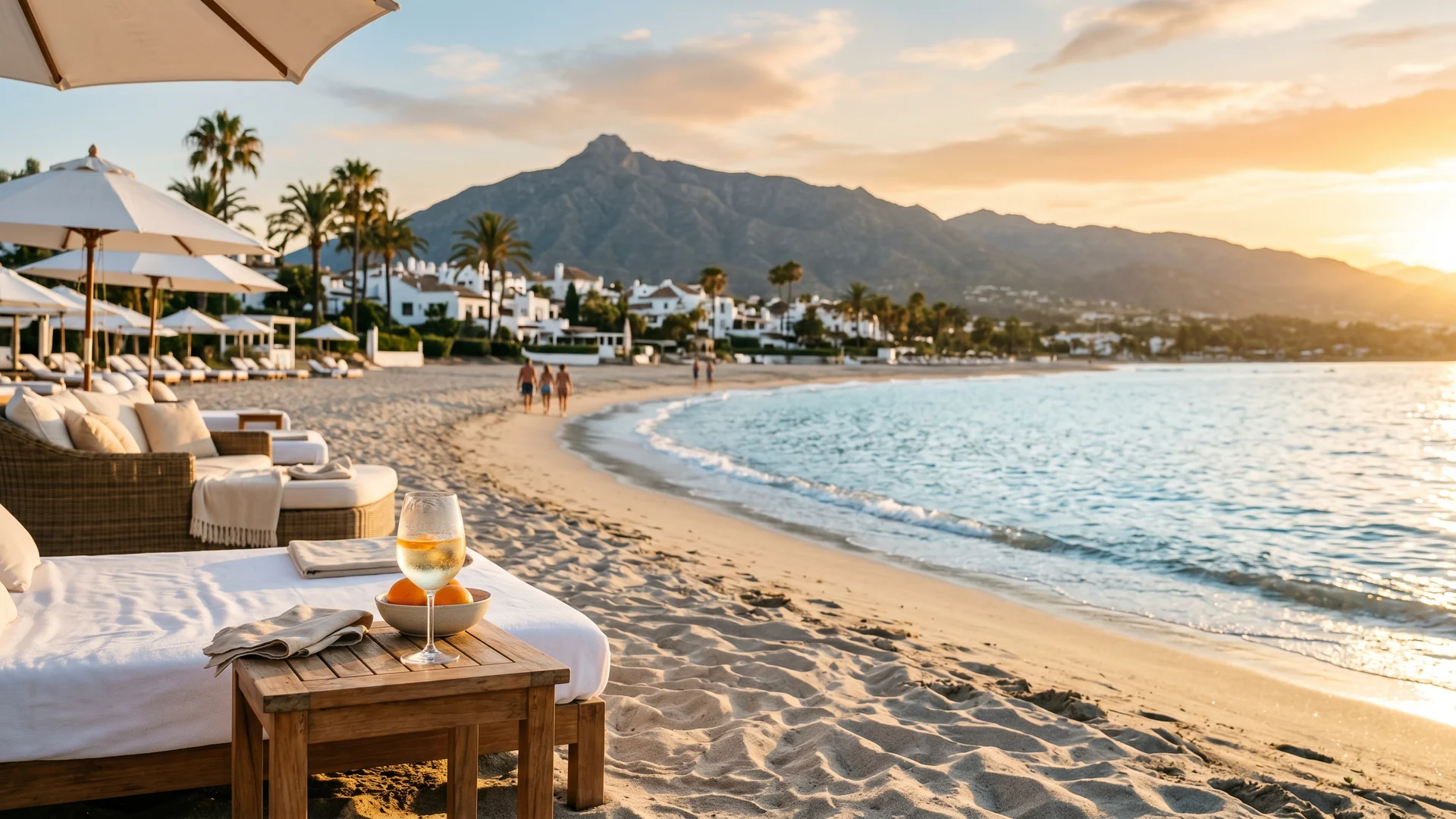
Best Beaches of the Costa del Sol
Discover the best beaches of the Costa del Sol, from family-friendly Burriana in Nerja to Marbella’s beach clubs, with tips on facilities, parki…
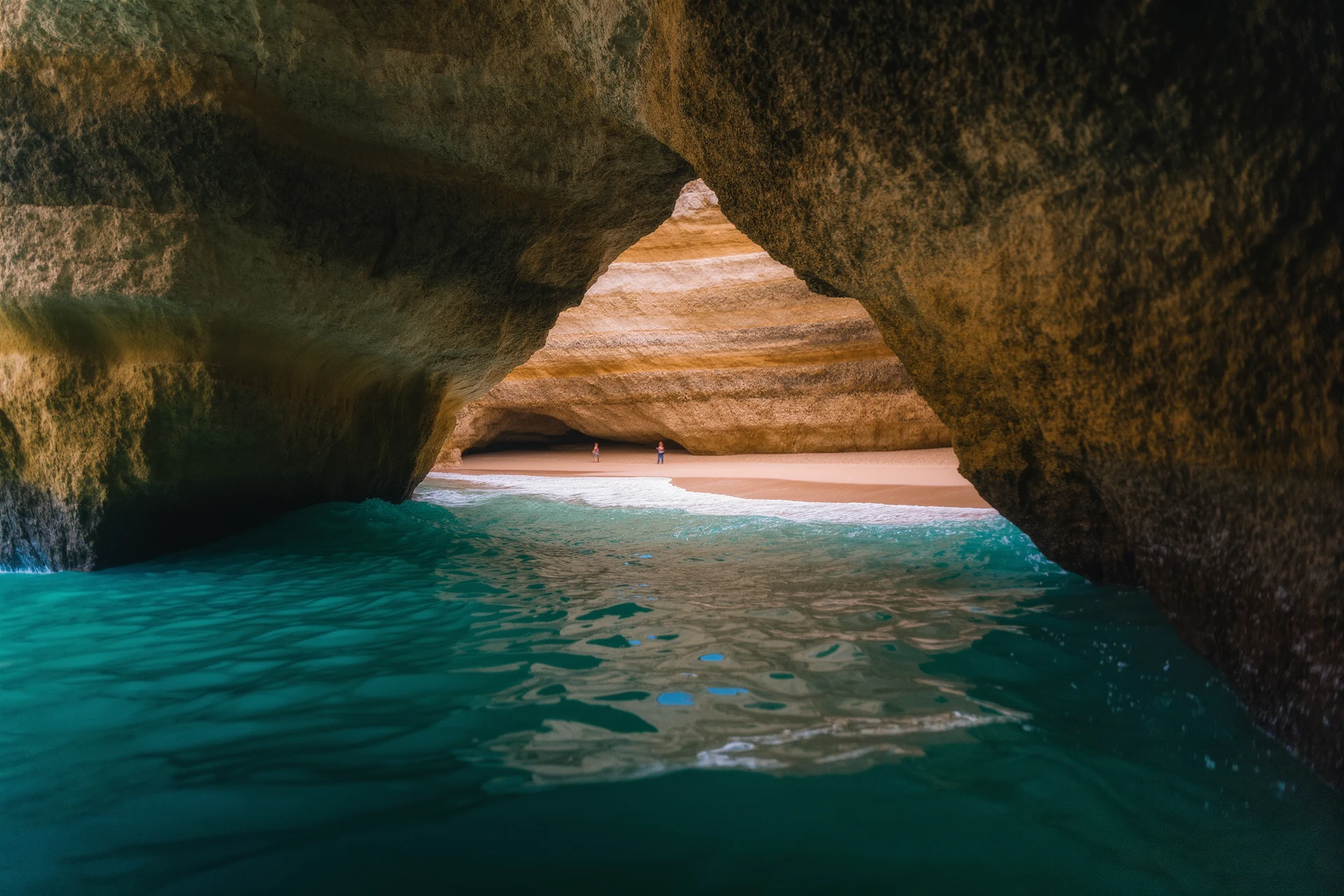
Secret Beaches: Costa del Sol’s Hidden Gems
Finding a quiet spot on the Costa del Sol can feel like a quest, right? You picture those postcard-perfect beaches but often find them packed with sun…
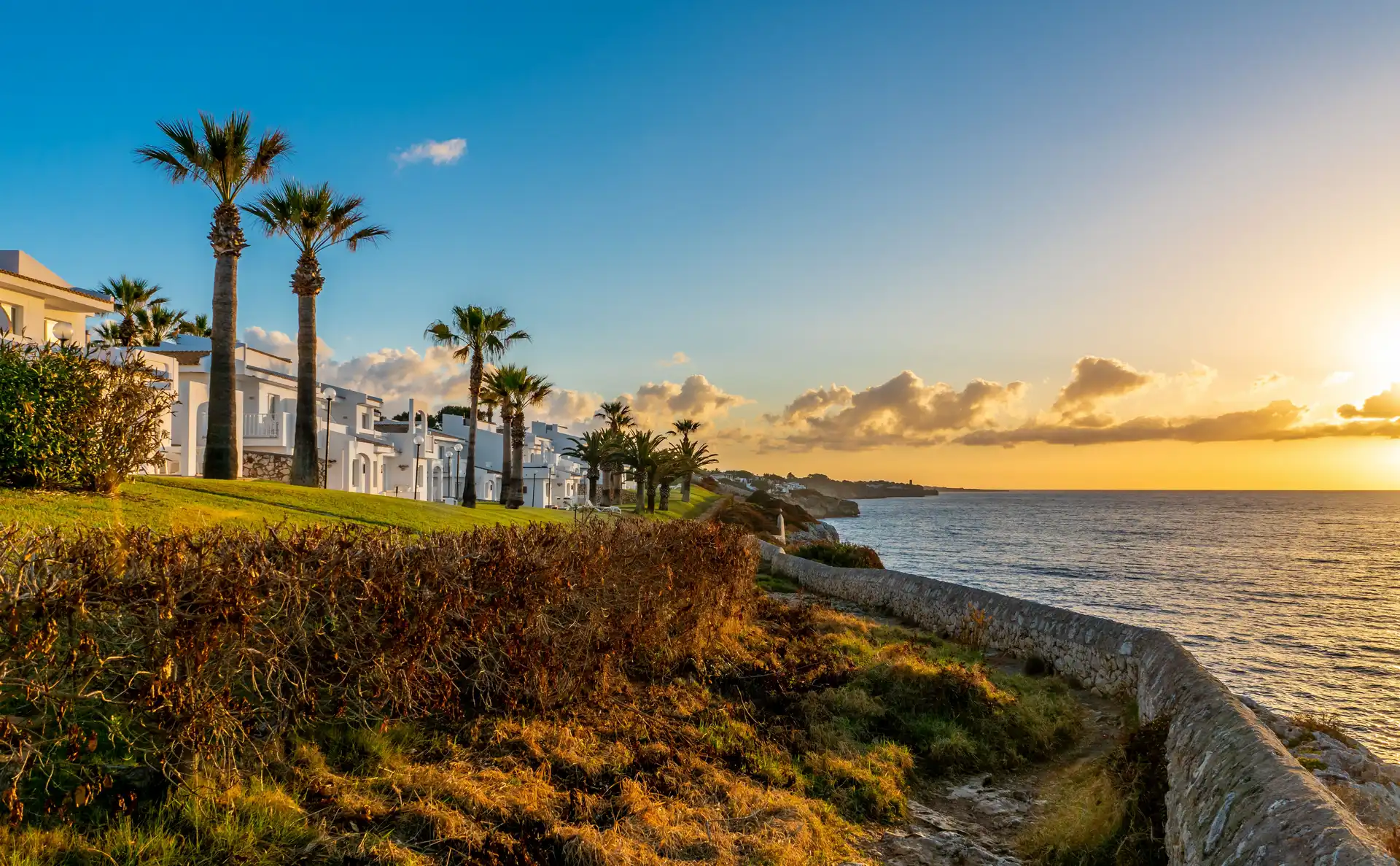
Ultimate Guide to Costa del Sol’s Summer Beaches
So, you’re wondering how to make the most of the Costa del Sol’s summer beaches? It’s a fair question, and the good news is, it’s pretty s…