Ultimate Beach Holidays on Costa del Sol
Thinking about a beach holiday on Spain’s Costa del Sol? You’re likely wondering what makes it such a popular spot and what you can actually do there. In a nutshell, th…

Thinking about a beach holiday on Spain’s Costa del Sol? You’re likely wondering what makes it such a popular spot and what you can actually do there. In a nutshell, the Costa del Sol offers a fantastic combination of beautiful beaches, sunshine all year round, a surprisingly diverse range of activities beyond just sunbathing, and an impressive culinary scene. It’s a region that caters to a lot of different tastes, whether you’re looking for buzzing nightlife, quiet coves, family fun, or cultural exploration.
Sun, Sand, and Sea: The Beaches You Won’t Want to Leave
The star of the show, of course, are the beaches. The Costa del Sol boasts over 150 kilometers of coastline, meaning there’s a sandy (or pebbly, depending on where you are) stretch for everyone. You won’t find just one type of beach here; the variety is key.
Iconic Stretches of Sand
Some beaches are practically legendary. Think of the wide, sandy expanses that stretch for miles, perfect for long walks or just sprawling out.
Playa de la Malagueta, Málaga
This is Málaga city’s main urban beach, and it’s incredibly accessible. It’s wide, well-maintained, and has plenty of amenities. You’ll find chiringuitos (beach bars) serving fresh seafood, sunbeds for rent, and often a lively atmosphere. It’s close enough to the city centre that you can easily combine a beach day with some sightseeing.
Playa de Burriana, Nerja
Famous for its role in the old “Verano Azul” TV series, Burriana is a beautiful bay with golden sand. It’s particularly known for its excellent chiringuitos, with El Ayo being a prime example for authentic paella cooked over open fires. The water here is generally clear and calm, making it great for families.
Playa de Cabopino, Marbella
What sets Cabopino apart are its stunning sand dunes and a beautiful, more natural feel. It’s a bit more secluded and has a relaxed vibe. There are also some excellent seafood restaurants right on the beach. You’ll find a mix of areas, including a nudist section, so it’s good to be aware of that.
Hidden Coves and Quieter Spots
If you prefer to get away from the crowds, there are plenty of smaller, more intimate beaches tucked away.
Playa Chirigüelo, Nerja
A short distance from the main hustle of Nerja, this beach offers a more tranquil experience. It’s a shingle and sand beach, and the water tends to be very clear. It’s a good spot for snorkeling if you fancy a dip and want to see some marine life.
Cala del Cañuelo, near Almuñécar (technically Granada province, but easily accessible)
While technically just past the eastern edge of the Costa del Sol, this natural cove is well worth the short drive. You can access it via a shuttle bus during peak season, adding to its charm. It’s a protected natural area with crystal-clear waters perfect for snorkeling and diving. There are a couple of simple restaurants that serve up fresh fish.
Beaches around Estepona
Estepona has a lovely promenade lined with beaches that often feel less crowded than those in some of the more famous resorts. Playa de la Rada, the main urban beach, is long and wide with plenty of space. Further west, you’ll find smaller, quieter stretches with a more local feel.
Beyond the Beach Towel: Activities for Every Mood
While the beaches are the main draw, the Costa del Sol knows how to keep you entertained. There’s a real blend of relaxation and activity here, so you can tailor your holiday to exactly what you’re looking for.
Water Sports and Coastal Adventures
If you’re feeling energetic, the sea offers a playground of possibilities.
Jet Skiing and Paddleboarding
Available at most of the larger beach resorts, from Torremolinos to Marbella. You can rent equipment or book guided sessions. Paddleboarding is a great, gentle way to explore the coastline at your own pace.
Kayaking and Canoeing
Perfect for exploring hidden coves and getting a different perspective on the coastline. Many rental places offer tours that take you to interesting spots you might otherwise miss.
Diving and Snorkeling
The clearer waters, especially around the more protected coves, offer decent visibility for diving and snorkeling. There are dive centers in places like Nerja and Estepona offering introductory dives and PADI courses.
Exploring Picturesque Towns and Villages
The coast is dotted with charming towns, each with its own character. Stepping away from the beach for a few hours to wander through their streets is a must.
Nerja: Caves and Charm
Nerja itself is a delight. Its old town is a maze of whitewashed streets, flower-filled balconies, and hidden plazas. The Balcón de Europa, a stunning promenade jutting out over the sea, offers breathtaking views. And, of course, there are the famous Caves of Nerja, a truly impressive natural wonder with vast caverns and stalactites.
Frigiliana: Andalusian Beauty
Just a short drive inland from Nerja, Frigiliana is often cited as one of Spain’s most beautiful villages. Its steep, narrow streets are a cascade of white houses adorned with vibrant bougainvillea. It’s a place to wander, soak in the atmosphere, and enjoy a coffee in a sunny square.
Mijas Pueblo: Perched High
Perched on a mountainside overlooking the coast, Mijas Pueblo offers panoramic vistas. It’s a classic Andalusian white village, known for its donkey taxis (though this is becoming more debated), charming central plaza, and artisanal shops. The views from here are spectacular.
Family Fun and Theme Parks
If you’re traveling with children, or are just young at heart, there are plenty of places to entertain everyone.
Tivoli World, Benalmádena
A classic amusement park with rides, shows, and restaurants. It’s a good option for a day out with younger children, offering a familiar kind of fun.
Aqualand Torremolinos
A large water park perfect for cooling off on a hot day. It has a variety of slides and pools suitable for all ages, from thrilling drops to gentler wave pools.
Bioparc Fuengirola
More than just a zoo, Bioparc is designed to recreate natural habitats and offers an immersive experience. It’s a great place to see a variety of animals in well-designed enclosures.
A Culinary Journey: What and Where to Eat
The food scene on the Costa del Sol is a delightful mix of traditional Spanish flavors and international influences, with a strong emphasis on fresh, local ingredients. Don’t miss the chance to dive into the local gastronomy.
Freshly Caught Seafood is King
Given its coastal location, it’s no surprise that seafood is a highlight.
Chiringuitos: The Quintessential Beach Dining
These beachfront restaurants are a Costa del Sol institution. While some are very tourist-oriented, many offer incredibly fresh fish and seafood cooked simply and expertly. Look for places with a busy, local crowd, that’s usually a good sign.
- Sardinas a la Espalda (Sardines grilled on a skewer) are a must-try, seasoned with salt and grilled over charcoal.
- Espeto de Sardinas (sardines grilled in a special way, often on a boat hull filled with sand and charcoal) is iconic in Málaga.
- Pescaito Frito (small, mixed fried fish) is another popular dish, crispy and delicious.
Port Restaurants
Harbors and marinas often have excellent restaurants focusing on even more refined seafood dishes. You might find more modern interpretations or high-end preparations here.
Andalusian Specialties You Must Try
Beyond the seafood, delve into the broader culinary landscape of Andalusia.
Tapas Culture: A Social Affair
Tapas are an integral part of Spanish life. They’re small plates meant for sharing, and a great way to try a variety of dishes. Many bars offer a free tapa with your drink, especially in smaller towns.
- Patatas Bravas: Fried potatoes with a spicy tomato sauce.
- Gambas al Ajillo: Garlic shrimp, sizzling and flavorful.
- Croquetas: Creamy croquettes, often filled with ham or chicken.
- Boquerones en Vinagre: Marinated anchovies, a local delicacy.
Local Produce
The region benefits from fertile land, so you’ll find delicious fruits and vegetables, particularly avocados, mangoes, and citrus fruits. These often feature in the fresh salads and simpler dishes.
Wine and Drinks to Complement Your Meal
Wash it all down with some excellent local drinks.
Sherry from nearby Jerez
While not strictly from the Costa del Sol, sherry is a classic accompaniment to Spanish food and is widely available. Try a dry Fino or Manzanilla with seafood.
Local Wines
Malaga itself produces some sweet wines, and there are increasingly good table wines being produced in the wider Andalusian region. Ask your server for recommendations.
Refreshing Drinks
For a non-alcoholic option, the freshly squeezed juices (especially orange) are superb. You’ll also find plenty of local beers and popular international brands.
Getting Around: Navigating the Coast
Once you arrive, figuring out how to explore the Costa del Sol is key to making the most of your holiday. The region is relatively well-connected, offering various options depending on your preference and budget.
Car Hire: The Ultimate Freedom
For many, hiring a car offers the most flexibility. It’s invaluable for day trips to smaller villages, reaching secluded beaches, and simply having the freedom to stop whenever you see something interesting.
- Pros: Maximum flexibility, easy access to off-the-beaten-path locations, can carry beach gear and shopping with ease.
- Cons: Parking can be a challenge in busy towns, especially during peak season; can be expensive if you’re not using it extensively; you’ll need to factor in fuel costs and potential tolls.
- Tips: Book in advance, especially during summer. Compare prices from different companies. Be aware of insurance terms and conditions.
Public Transport: Bus and Train Networks
The Costa del Sol has a decent public transport system, particularly between the main towns.
- Buses: A network of buses connects most towns and cities along the coast. Companies like Avanza and ALSA operate regular services. They are generally affordable and a good option if you don’t want the hassle of driving.
- Trains (Cercanías): The commuter train line runs along a significant portion of the coast from Fuengirola to Málaga city and then inland. It’s a quick and efficient way to get between coastal resorts in that stretch.
- Pros: Economical, no parking worries, can be more relaxing than driving.
- Cons: Fixed routes and schedules, can be slower for reaching more remote areas, service frequency can vary outside of main routes.
Taxis and Ride-Sharing: For Shorter Trips
Taxis are readily available in most towns and tourist areas. Ride-sharing apps are also present, though their availability can vary.
- Pros: Convenient for short distances or when public transport isn’t practical, door-to-door service.
- Cons: Can be expensive for longer journeys, especially compared to buses or trains.
Walking and Cycling: For Local Exploration
Within towns and resorts, walking is often the best way to explore. Many coastal towns have lovely promenades that are perfect for a stroll or a cycle. Bike rental is usually available in busier spots.
Planning Your Stay: When to Go and Where to Base Yourself
Deciding on the when and where can significantly shape your Costa del Sol experience. It’s not a one-size-fits-all destination, and the best time to visit and the ideal base really depend on what you’re looking for.
Best Time to Visit: Sunshine and Seasons
The Costa del Sol is famous for its excellent climate, with around 300 days of sunshine a year. This makes it a year-round destination, but ‘best’ depends on your priorities.
- Spring (April-May) and Autumn (September-October): These are often considered the sweet spots. The weather is pleasantly warm, perfect for exploring and beach activities, but without the intense heat of mid-summer. The crowds are also smaller than in July and August. You’ll find blooming flowers in spring and pleasant temperatures for enjoying outdoor dining.
- Summer (June-August): This is peak season. Expect hot temperatures, long sunny days, and a lively atmosphere. This is the time for serious beach time, swimming, and enjoying the bustling nightlife. However, it’s also the most crowded and most expensive time to visit.
- Winter (November-March): The Costa del Sol remains mild and sunny even in winter, though it can be cooler and there’s a chance of rain. It’s a fantastic time for a more relaxed, budget-friendly holiday, focusing on sightseeing, hiking, golf, and enjoying the local culture without the summer crowds. Many consider it a great escape from colder climates.
Choosing Your Base: Resort Style vs. Charming Town
The region offers a wide spectrum of places to stay, from sprawling resorts to smaller, more authentic towns.
- Málaga City: Offers a vibrant urban experience with culture, history, great food, and easy access to its city beach. It’s a good base if you want a mix of city life and beach relaxation, and it has excellent transport links.
- Torremolinos & Benalmádena: Historically popular for package holidays, these resorts offer a wide range of accommodation, entertainment, and family-friendly attractions. They are well-connected by train.
- Fuengirola: Similar to Torremolinos, with a long sandy beach, a lively promenade, and plenty of amenities. It also has a sandy beach and a pleasant marina area.
- Mijas Costa (including La Cala de Mijas): A more laid-back option than some of the larger resorts, with some lovely beaches and a family-friendly feel.
- Marbella & Puerto Banús: Known for their luxury, glamour, and upscale dining and shopping. If you’re seeking a more sophisticated or celebrity-spotting experience, this is your area. Marbella town itself offers a charming old quarter.
- Estepona: Has undergone a significant renaissance, maintaining a charming traditional town center while offering beautiful, less crowded beaches and a lovely promenade. It has a more authentic feel than some of its neighbors.
- Nerja: Tucked away in the eastern part of the coast, Nerja is famous for its caves, beautiful coves, and a more traditional Andalusian charm. It’s a great base for exploring the natural beauty of the region and tends to attract a slightly different crowd.
Ultimately, the “ultimate” beach holiday on the Costa del Sol is about finding the right balance for you. Whether that’s a full week of pure beach bliss or a mix of sun, culture, adventure, and incredible food, you’re likely to find it here.
FAQs
What are the top beaches to visit in Costa del Sol?
Some of the top beaches to visit in Costa del Sol include Playa de la Malagueta, Playa de la Carihuela, Playa de Burriana, and Playa de la Cala Mijas.What activities can I do on a beach holiday in Costa del Sol?
Visitors can enjoy a variety of activities on a beach holiday in Costa del Sol, such as swimming, sunbathing, water sports like jet skiing and parasailing, beach volleyball, and exploring beachside restaurants and bars.What is the best time of year to visit Costa del Sol for a beach holiday?
The best time to visit Costa del Sol for a beach holiday is during the summer months of June to August, when the weather is warm and sunny, and the sea is perfect for swimming.Are there family-friendly beaches in Costa del Sol?
Yes, there are several family-friendly beaches in Costa del Sol, such as Playa de la Malagueta, Playa de la Carihuela, and Playa de Burriana, which offer amenities like lifeguards, playgrounds, and calm waters suitable for children.What are some popular beach resorts in Costa del Sol?
Some popular beach resorts in Costa del Sol include Marbella, Torremolinos, Fuengirola, and Nerja, which offer a range of accommodations, dining options, and beachfront activities for visitors.More from Beach Life

Best Beaches of the Costa del Sol
Discover the best beaches of the Costa del Sol, from family-friendly Burriana in Nerja to Marbella’s beach clubs, with tips on facilities, parki…
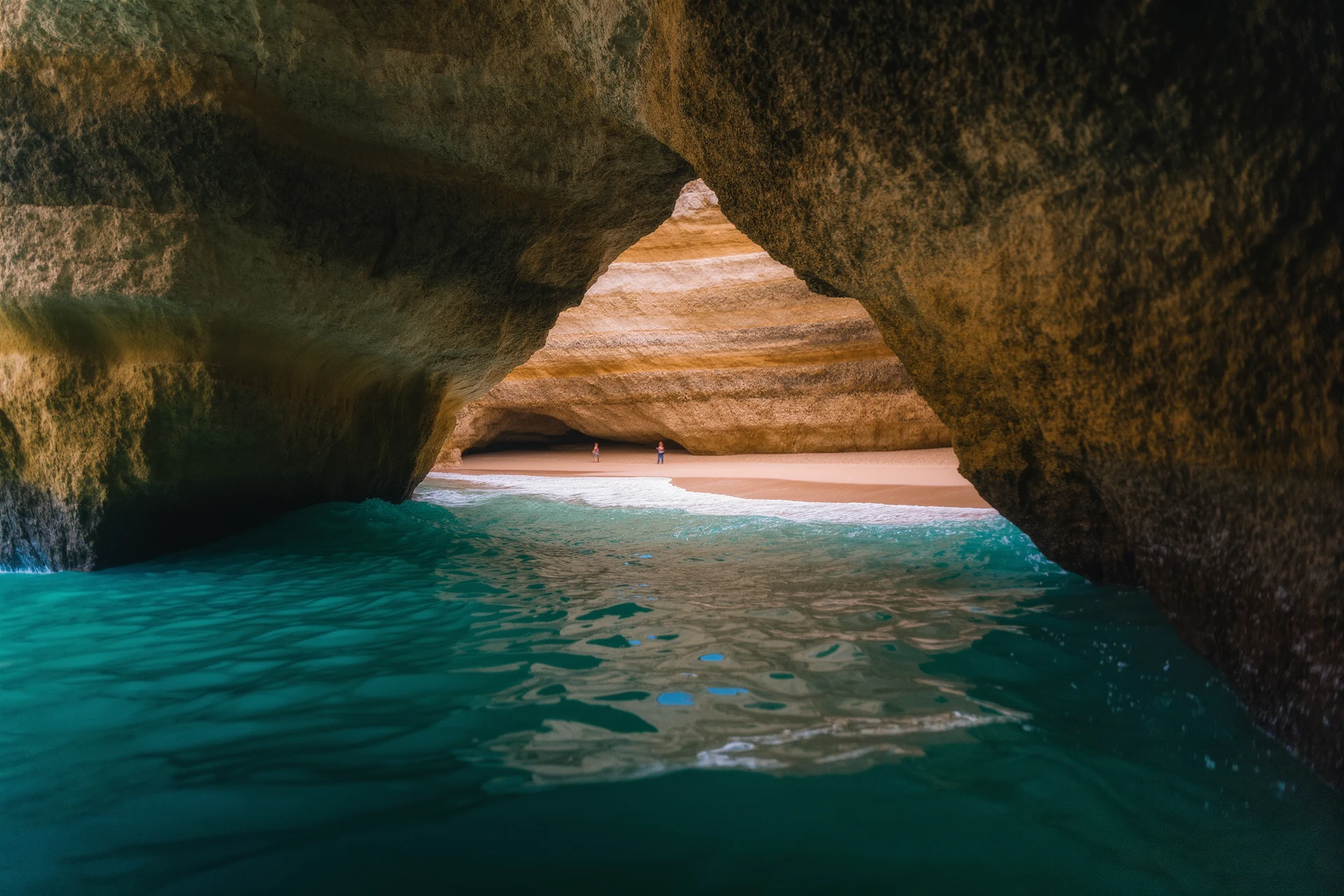
Secret Beaches: Costa del Sol’s Hidden Gems
Finding a quiet spot on the Costa del Sol can feel like a quest, right? You picture those postcard-perfect beaches but often find them packed with sun…

Ultimate Guide to Costa del Sol’s Summer Beaches
So, you’re wondering how to make the most of the Costa del Sol’s summer beaches? It’s a fair question, and the good news is, it’s pretty s…