Ultimate Costa del Sol Beach Guide
Looking for the best beaches on the Costa del Sol? You’ve come to the right place. This guide is designed to cut through the noise and give you practical, straightforward inf…
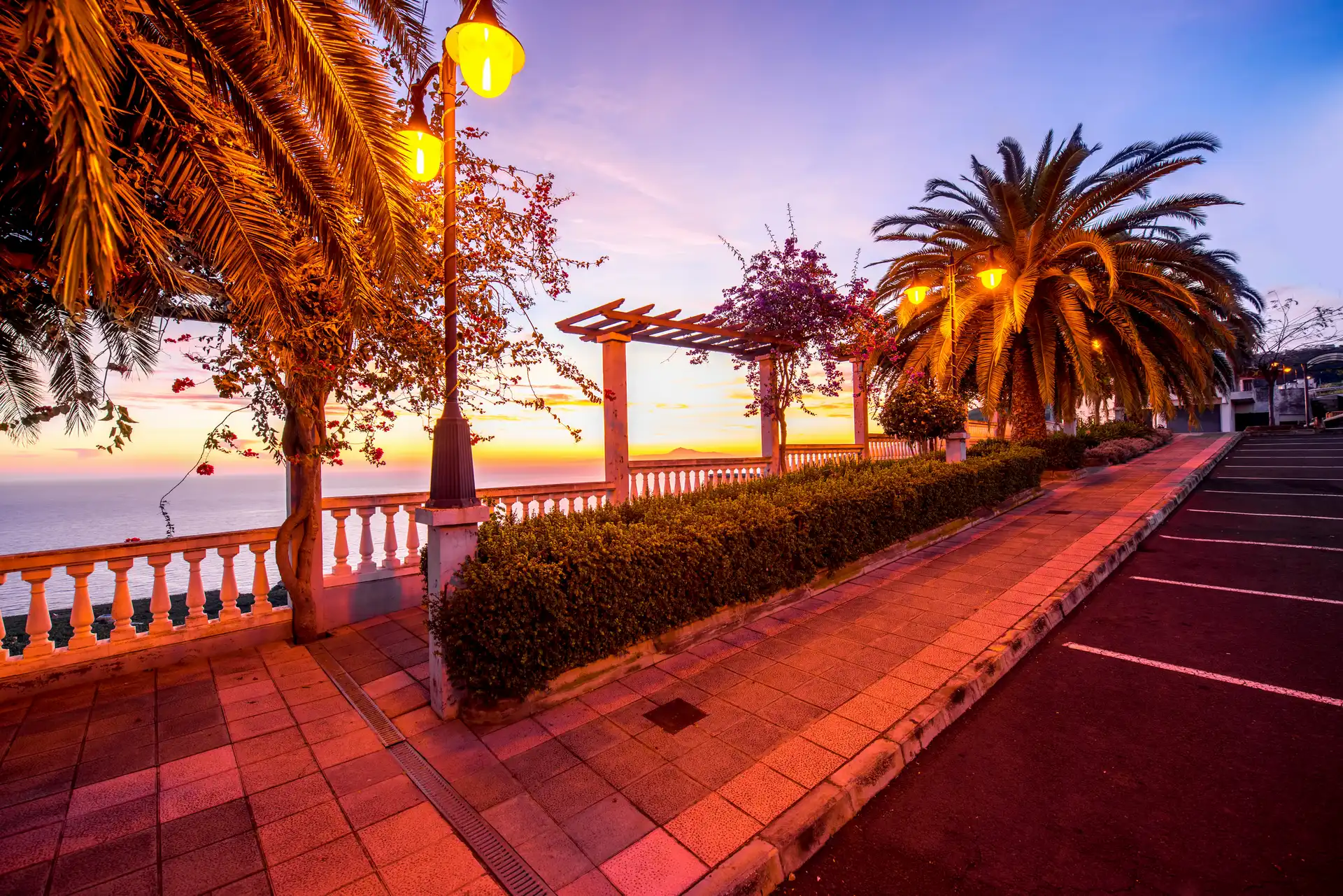
Looking for the best beaches on the Costa del Sol? You’ve come to the right place. This guide is designed to cut through the noise and give you practical, straightforward information about the best spots to lay your towel, whether you’re after vibrant family fun or a quiet escape. We’ll cover everything from sandy shores perfect for kids to hidden coves for a bit of solitude, helping you pick the ideal beach for your trip.
The western part of the Costa del Sol, stretching from Malaga city westwards, is generally more developed and offers a vast array of services. You’ll find long, sandy stretches here, backed by promenades and plenty of amenities.
Torremolinos: The Original Holiday Hotspot
Torremolinos was one of the pioneers of tourism on the Costa del Sol, and its beaches are still popular for a reason. They offer convenience and entertainment.
Playa de La Carihuela
This beach is a firm favourite, and it’s easy to see why. La Carihuela is known for its darker, fine sand and calm, clear waters, making it excellent for swimming. It’s a very long beach, connected to Montemar and El Bajondillo, so you can walk for miles.
- Atmosphere: Lively but not overwhelming. You’ll find a good mix of families, couples, and older visitors.
- Amenities: Abundant. There are countless chiringuitos (beach restaurants) serving fresh seafood, particularly espetos de sardinas (sardines grilled on a stick). You’ll also find sunbeds and parasols for rent, showers, and public toilets. Accessible ramps are common.
- Activities: Pedal boats, jet skis, and inflatables are usually on offer. The promenade behind is excellent for a stroll or a bike ride, with shops and bars.
- Getting there: Easily accessible by public transport (train or bus) from Malaga city. Parking can be tricky in peak season, so consider walking or using official car parks.
Playa de Los Álamos
Moving further east from the main Torremolinos beaches, Los Álamos offers a slightly more modern and trendy vibe, especially in the evenings.
- Atmosphere: Younger and more energetic, particularly towards sunset when some of the beach clubs start to pick up. During the day it’s relaxed.
- Amenities: Modern chiringuitos with DJ sets and stylish decor are a highlight here. Sunbed rental is prevalent.
- Activities: Windsurfing and kitesurfing are popular given the often-breezy conditions. There are specific zones for these water sports.
- **Getting there: Just a short drive or bus ride from central Torremolinos.
Benalmádena: Diverse Shores & Marina Charm
Benalmádena offers a varied coastline, from small coves to wider, more open beaches, often benefitting from the proximity to its award-winning marina.
Playa de Bil-Bil
Named after the striking red castle on its edge, Playa de Bil-Bil is a well-known spot in Benalmádena.
- Atmosphere: Pleasant and generally bustling, especially in summer. The castle provides a nice backdrop.
- Amenities: Good selection of chiringuitos and cafes on the promenade. Sunbeds and parasols available. Showers.
- Activities: Pretty standard beach activities, good for swimming. The promenade links it to other Benalmádena beaches.
- Getting there: Centrally located, easy to reach by foot if staying in Benalmádena Costa. Public buses also serve the area.
Playa de Viborilla
For something a little different, head to Playa de Viborilla. It’s a smaller, more secluded cove compared to the main Benalmádena beaches.
- Atmosphere: Quieter and more natural feeling. More rocks and greenery.
- Amenities: A couple of chiringuitos are nestled into the rocks, offering a more rustic experience. Sunbeds can be found.
- Activities: Good for snorkelling around the rocky areas. It’s a nice spot for those who prefer peace over crowds.
- Getting there: Access involves a short walk down a path from the road, which helps keep the crowds down. Parking is limited.
Fuengirola: Expansive Sands & Family Fun
Fuengirola boasts over 7 km of continuous coastline, much of it blue-flag certified, making it a very reliable choice for families.
Playa Los Boliches
Often considered one of Fuengirola’s best, Los Boliches is a wide, sandy beach that offers everything you need for a comfortable day out.
- Atmosphere: Family-friendly and relaxed. It rarely feels overly crowded due to its sheer size.
- Amenities: Excellent. Plenty of well-maintained chiringuitos, life guards, accessible ramps, and children’s play areas directly on the sand. You can rent sunbeds and umbrellas easily.
- Activities: Standard water sports available. The promenade behind is lively with shops and restaurants.
- Getting there: Easily accessible by local bus or train from Malaga. Plenty of street parking (can be busy) and underground car parks.
Playa de Carvajal
Located at the eastern end of Fuengirola, bordering Benalmádena, Carvajal is another excellent family option.
- Atmosphere: A bit calmer than central Fuengirola beaches, but still with a good buzz.
- Amenities: Good selection of beach bars and restaurants. Clean facilities.
- Activities: The water here is generally very calm, making it ideal for young children.
- Getting there: Short walk from Carvajal train station.
Marbella: Glamour, Beaches & Style
Marbella offers a mix of sophisticated beach clubs, well-maintained public beaches, and some genuinely beautiful natural spots.
Playa de Cabopino (Artola Dunes)
This beach stands out for its natural beauty and protected dune system, offering a different vibe from central Marbella.
- Atmosphere: More natural and less overtly built-up. Parts are officially nudist-friendly, but there’s plenty of space for everyone. It feels more remote than it is.
- Amenities: There are a few chiringuitos here, including some well-regarded ones right on the sand. Sunbeds are available, but not as densely packed as elsewhere.
- Activities: The dunes are great for a walk (stay on marked paths to protect the environment). The water is typically calm.
- Getting there: A short drive east of Marbella. There’s a decent-sized car park, but it can fill up in summer.
Playa de Puerto Banús (Playa de Nueva Andalucía)
If you’re looking for glamour and people-watching, the beaches flanking Puerto Banús are the place to be.
- Atmosphere: Chic and often bustling. You’ll see luxury yachts and high-end beach clubs.
- Amenities: High-quality beach clubs offering food, drink, and comfortable sunbeds. Expect higher prices here. Showers and changing facilities are common.
- Activities: Pose and be seen! Also good for swimming and standard water sports.
- Getting there: Easily accessible from Puerto Banús itself. Parking can be challenging and expensive.
Estepona: Authentic Charm & Wide Sands
Estepona has maintained more of an authentic Andalusian feel than some of its neighbours, and its beaches reflect that, they’re clean, wide, and less frenetic.
Playa de La Rada
This is Estepona’s main town beach, stretching for several kilometres, backed by a beautifully maintained promenade.
- Atmosphere: Relaxed and family-friendly. It’s popular with locals and visitors but rarely feels overcrowded due to its size.
- Amenities: Excellent. Numerous chiringuitos serving fresh fish, accessible walkways onto the sand, playgrounds, workout equipment, and plenty of sunbed rental options. Life guards are present.
- Activities: Good for swimming, walking, and enjoying the views towards Gibraltar.
- Getting there: Centrally located in Estepona, easy to walk to from most accommodations. Parking is available but can be busy.
Playa del Cristo
A smaller, crescent-shaped cove located just west of Estepona’s marina, popular for its sheltered position.
- Atmosphere: Very popular with families due to its calm waters, especially in the mornings. It can get busy.
- Amenities: A couple of chiringuitos directly on the beach, sunbed rentals. The cove provides natural shelter.
- Activities: Excellent for small children as the water is shallow and protected from currents.
- Getting there: A short walk from the marina. Parking often available nearby.
East Costa del Sol: Quieter Coves & Natural Beauty
The eastern side of Malaga province, often referred to as the Axarquía region, offers a different experience. Here, you’ll find more natural, rugged coastlines, smaller coves, and generally less development than the west.
Nerja: Caves, Balconies & Picturesque Coves
Nerja is famous for its caves and the ‘Balcón de Europa,’ but its beaches and coves are equally appealing, often set against dramatic cliffs.
Playa de Burriana
Nerja’s most popular and arguably most complete beach. It’s a large sandy expanse with plenty to offer.
- Atmosphere: Lively and family-oriented, especially in summer. It has a great holiday buzz.
- Amenities: Extensive. Numerous chiringuitos (including the famous “Ayo” for paella), sunbeds for hire, showers, play areas, and souvenir shops. Practical for a full day out.
- Activities: Good for swimming, paddleboarding, kayaking (you can rent equipment), and even exploring nearby coves by water.
- Getting there: A short, steep walk down from Nerja town centre, or you can take the local tourist train. On-street parking can be challenging; there’s a paid car park.
Playa de Maro
Just east of Nerja, part of the Acantilados de Maro-Cerro Gordo Natural Park, this beach is a gem for nature lovers.
- Atmosphere: Much quieter and more natural than Burriana. It feels more remote and untouched.
- Amenities: More limited. There’s usually one or two small chiringuitos for basic refreshments. No rows of sunbeds here.
- Activities: Superb for snorkelling and kayaking (you can rent kayaks to explore the sea caves and waterfalls in the natural park). Definitely bring your own gear if you’re serious about exploring.
- Getting there: Parking is limited at the top, and access involves a decent walk down a steep, winding path to the beach. This deters some, which is good for those seeking peace.
Torre del Mar: Wide Open Sands & Local Vibe
Torre del Mar is a favourite among Spanish visitors, offering a long, wide beach with a more traditional Andalusian town feel.
Playa de Torre del Mar
This is the main beach area of Torre del Mar, stretching for miles.
- Atmosphere: Relaxed, family-friendly, and authentically Spanish. It feels less touristy than some of the western resorts.
- Amenities: Very good. A long promenade with plenty of chiringuitos, ice cream parlours, and shops. Lots of sunbeds and parasols. Playgrounds for kids.
- Activities: Ideal for long walks, cycling along the promenade, and safe swimming.
- Getting there: Easy to access if staying in Torre del Mar. Ample street parking, especially away from the busiest central sections.
Essential Beach Tips for the Costa del Sol
A few practical pointers to make your beach day even better.
Sun Protection is Key
The Spanish sun is powerful. Even on cloudy days, UV rays are strong.
- Sun Cream: Always use high SPF, and reapply frequently, especially after swimming.
- Shade: Seek it during the hottest part of the day (usually 1 PM – 4 PM). Rent a parasol or find a natural spot.
- Hats & Sunglasses: Essential for protecting your face and eyes.
Beach Safety & Etiquette
A few simple rules make for a better experience for everyone.
- Swimming Flags: Pay attention to the flag colours (green for safe, yellow for caution, red for don’t swim).
- Rubbish: Take all your rubbish with you or use the bins provided. The natural beauty is something to preserve.
- Chiringuitos: Don’t feel pressured to buy drinks or food if you’re just renting a sunbed, but it’s polite to support the local businesses if you’re staying for a while.
- Nudity: While less common on main family beaches, some areas (like parts of Cabopino) are designated nudist. Respect privacy.
Getting Around the Coast
How you travel can impact your beach choices.
- Car Rental: Gives you the most flexibility, especially for exploring quieter coves and natural parks. Parking can be a challenge in busy towns, so factor in potential costs for car parks.
- Public Transport: The Malaga-Fuengirola train line is excellent for towns like Torremolinos, Benalmádena, and Fuengirola. Buses serve most coastal towns, though journeys can be slower.
- Walking/Cycling: Great for exploring local beaches once you’ve arrived in a settlement. Many towns have fantastic promenades.
What to Pack for a Costa del Sol Beach Day
Don’t forget the essentials!
Beyond the Basics
- Beach Towel: Obvious, but worth a quick mention.
- Swimwear: Pack a couple of options if you’re staying for a while.
- Flip-Flops/Sandals: Hot sand burns!
- Water Bottle: Stay hydrated. Reusable ones are great to refill.
- Snacks: While chiringuitos are plentiful, a few snacks can save you money and stop mid-afternoon hunger pangs.
- Beach Bag: Something sturdy to carry everything.
- Entertainment: Book, magazine, e-reader, or a portable speaker (just be mindful of others).
- Underwater Camera (Optional): Great for capturing marine life if you plan to snorkel.
When to Visit for the Best Beach Experience
The time of year makes a difference.
Peak Season (July-August)
- Pros: Hottest weather, lively atmosphere, all amenities open, warm sea.
- Cons: Crowds, higher prices, harder to find parking, intense heat. Booking accommodations and activities well in advance is crucial.
Shoulder Seasons (May-June, September-October)
- Pros: Pleasant temperatures, fewer crowds, still warm enough for swimming, lower prices, all amenities generally still open. My personal favourite time to visit.
- Cons: Sea might be a bit cooler in May/October. Some smaller chiringuitos might not be open in early May or late October.
Off-Season (November-April)
- Pros: Very few tourists, incredibly peaceful, great for long walks, significantly lower prices.
- Cons: Too cold for swimming for most, many beach bars will be closed, some attractions may have reduced hours.
By keeping these points in mind, you’re well-equipped to find your perfect spot on the diverse and beautiful Costa del Sol. Enjoy your time on the sand!
FAQs
What is the Costa del Sol known for?
The Costa del Sol, located in the southern region of Spain, is known for its beautiful beaches, warm Mediterranean climate, and vibrant nightlife. It is a popular tourist destination for those seeking sun, sea, and relaxation.How many beaches are there on the Costa del Sol?
There are over 100 beaches along the Costa del Sol, ranging from small secluded coves to long stretches of golden sand. Each beach offers its own unique charm and amenities, making it a diverse and appealing destination for beach lovers.What are some popular activities to do on the beaches of Costa del Sol?
Visitors to the Costa del Sol can enjoy a variety of activities on its beaches, including swimming, sunbathing, water sports such as jet skiing and parasailing, beach volleyball, and beachfront dining at the many chiringuitos (beach bars) that line the coast.Are there family-friendly beaches on the Costa del Sol?
Yes, there are several family-friendly beaches on the Costa del Sol that offer calm waters, lifeguard supervision, and amenities such as playgrounds and picnic areas. Some popular family-friendly beaches include Playa de la Malagueta in Malaga and Playa de la Carihuela in Torremolinos.What are some of the most picturesque beaches on the Costa del Sol?
The Costa del Sol is home to several picturesque beaches, including Playa del Cristo in Estepona, with its sheltered cove and clear waters, and Playa de la Caleta in Marbella, known for its traditional fishing village atmosphere and stunning views of the Mediterranean.More from Beach Life

Best Beaches of the Costa del Sol
Discover the best beaches of the Costa del Sol, from family-friendly Burriana in Nerja to Marbella’s beach clubs, with tips on facilities, parki…
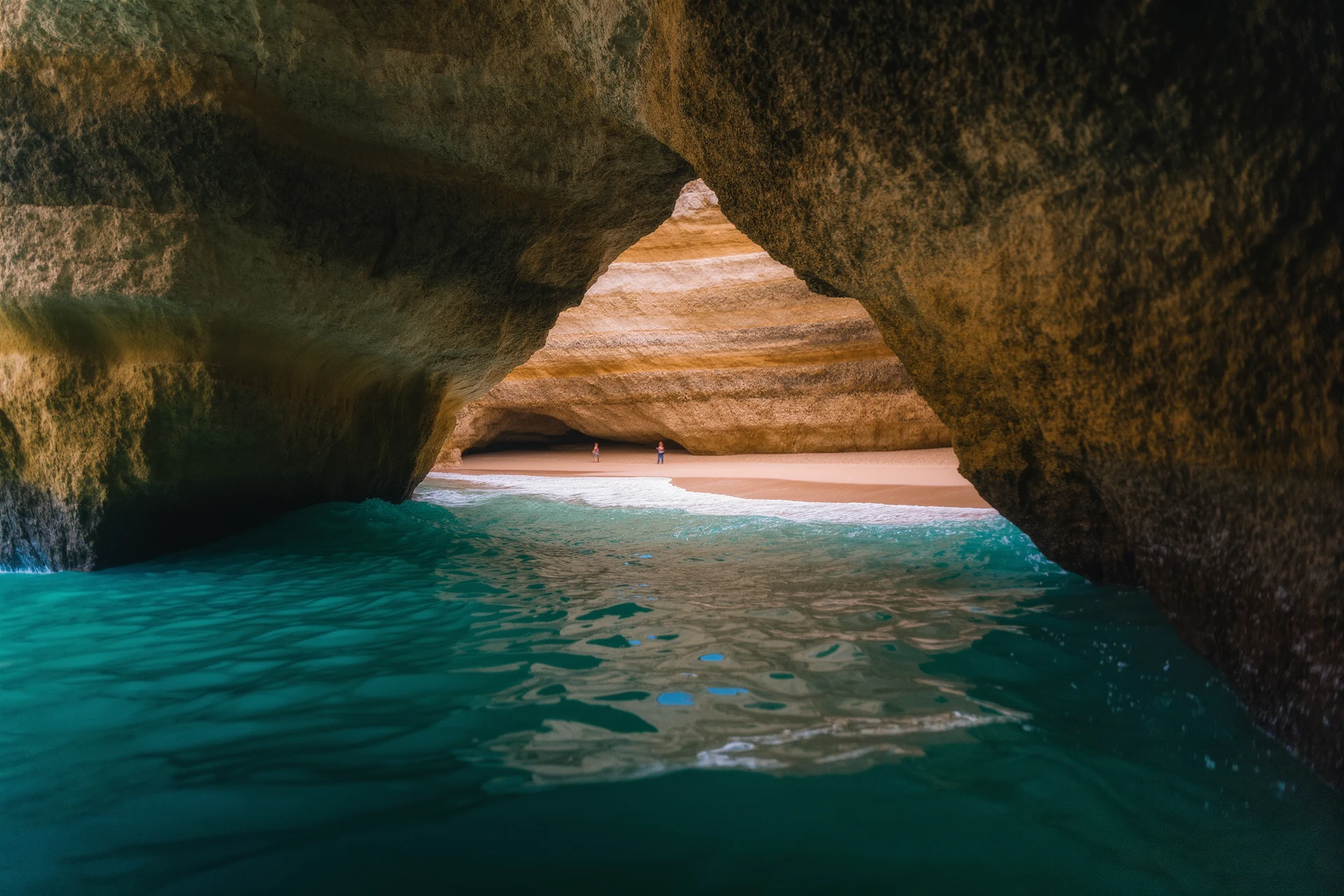
Secret Beaches: Costa del Sol’s Hidden Gems
Finding a quiet spot on the Costa del Sol can feel like a quest, right? You picture those postcard-perfect beaches but often find them packed with sun…
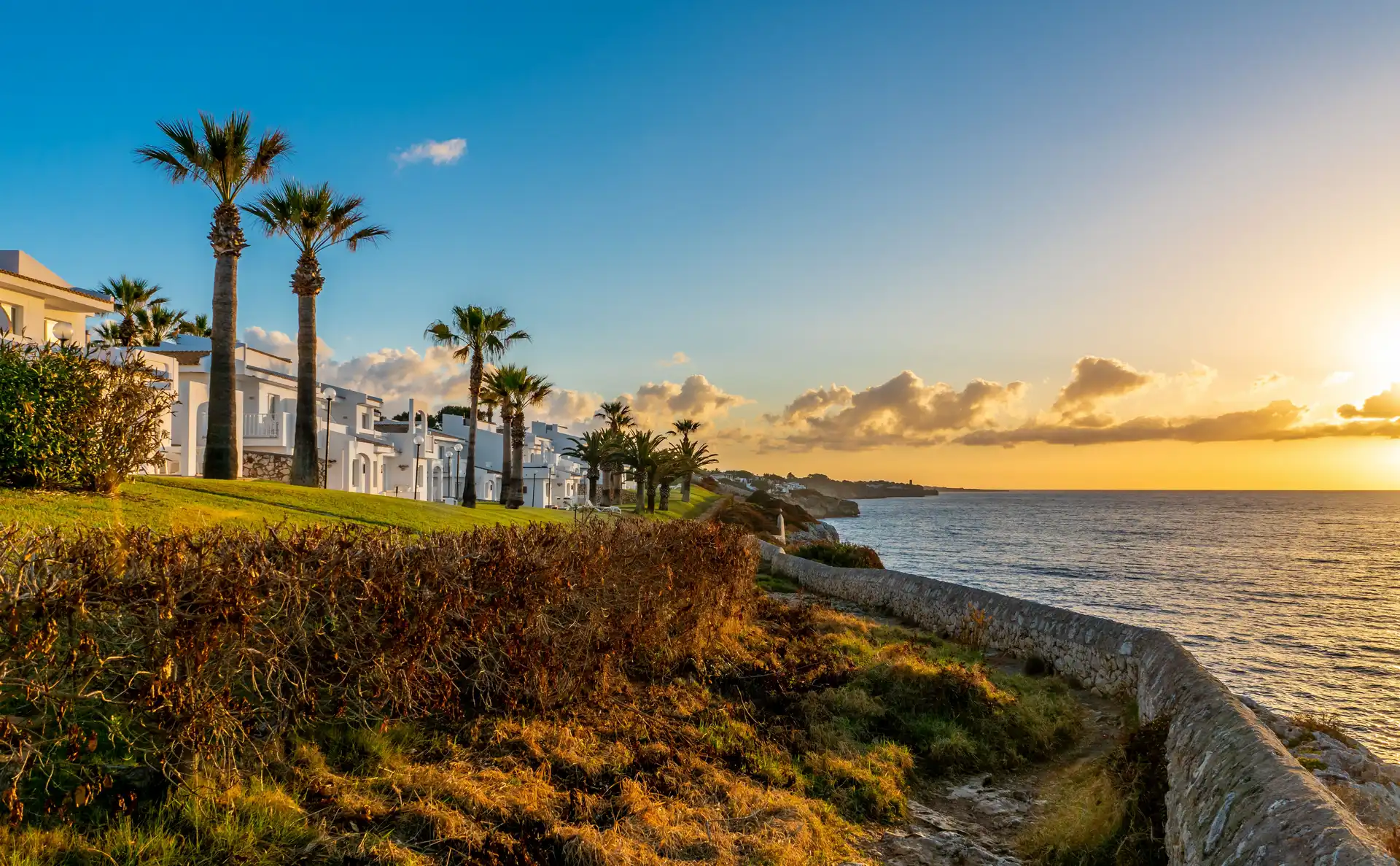
Ultimate Guide to Costa del Sol’s Summer Beaches
So, you’re wondering how to make the most of the Costa del Sol’s summer beaches? It’s a fair question, and the good news is, it’s pretty s…