Ultimate Costa del Sol Food Guide
So, you’re wondering what to eat on the Costa del Sol? The simple answer is: a whole lot of delicious things, especially if you’re into fresh seafood, traditional Spani…

So, you’re wondering what to eat on the Costa del Sol? The simple answer is: a whole lot of delicious things, especially if you’re into fresh seafood, traditional Spanish dishes, and a vibrant tapa scene. It’s not just paella andsangria, though you’ll find plenty of good versions of those too. Think grilled sardines right off the beach, rich stews, and some surprisingly tasty local wines. This guide will help you navigate the culinary landscape, ensuring you get the most authentic and enjoyable eating experiences during your visit.
Being on the coast, it’s no surprise that seafood takes center stage here. The Mediterranean offers up an incredible bounty, and the locals certainly know how to make the most of it. Don’t be shy about trying things you might not recognize; often, those are the best finds.
Espetos de Sardinas
This is a must-try. You can’t come to the Costa del Sol and not have espetos de sardinas. Picture this: fresh sardines skewered on a cane stick, seasoned simply with sea salt, and then grilled over an open wood fire (often in a repurposed fishing boat half-buried in the sand) right on the beach. The smokiness from the olive wood permeates the delicate flesh, making them utterly irresistible. They’re usually eaten with your fingers, perhaps a squeeze of lemon, and a cold beer. You’ll find these at beachfront restaurants called chiringuitos.
Fritura Malagueña
If you like fried food (and honestly, who doesn’t sometimes?), then fritura malagueña is your friend. This isn’t your greasy fast-food fry-up. It’s a platter of assorted local seafood, lightly floured and quickly deep-fried until golden and crispy. You’ll typically find a mix of small fish like anchovies (boquerones), baby squid (puntillitas), baby octopus (pulpo frito), and sometimes even small prawns. The key is in the freshness of the ingredients and the quick cooking, which keeps it light and flavorful, not heavy.
Gambas Pil Pil
A staple you’ll see on almost every menu, and for good reason. Gambas pil pil are sizzling hot prawns cooked in olive oil with garlic, chili, and sometimes a touch of paprika. The prawns are succulent, and the garlicky, spicy oil is perfect for dipping chunks of crusty bread. Be careful, they come to your table still bubbling! It’s an incredibly aromatic and satisfying dish, perfect as a starter to share.
Boquerones: Fried and Marinated
Boquerones (anchovies) are a local obsession. You’ll find them prepared in two main ways. Boquerones fritos are simply fresh anchovies, lightly floured and fried until crispy, similar to part of the fritura malagueña but served as a stand-alone dish. Then there’s boquerones en vinagre, which are fresh anchovies marinated in vinegar, garlic, and parsley. These are served cold and have a tangy, refreshing bite. Both are excellent, depending on your preference.
Traditional Tapas and Beyond
While seafood is king, the Costa del Sol also offers a huge variety of other traditional Spanish and Andalusian dishes, many of which can be enjoyed in tapa form. This is the beauty of Spanish dining, you can try a little bit of everything without committing to a full main course.
Patatas Bravas and Aioli
These are classic for a reason. Patatas bravas are fried potato cubes served with a spicy, tomato-based sauce, often with a dollop of alioli (a garlic mayonnaise) on the side or swirled on top. The quality varies wildly, so look for places where the potatoes are crispy and the sauce has a genuine kick. The best ones are truly addictive.
Tortilla Española
The Spanish omelette, or tortilla española, is a humble yet endlessly satisfying dish. It’s made with potatoes, onions, and eggs, cooked slowly until it sets into a thick, dense cake. Good tortilla is slightly moist in the middle and perfectly seasoned. It’s a great snack, breakfast, or tapa, often served in a wedge.
Salmorejo and Ajoblanco
When it’s hot, these cold soups are lifesavers. Salmorejo is a thicker, creamier version of gazpacho, made with tomatoes, bread, olive oil, garlic, and vinegar, garnished traditionally with diced Jamón Serrano and hard-boiled egg. Ajoblanco is an ancient, refreshing white almond soup, made with almonds, bread, garlic, olive oil, and served with grapes or melon. Both are surprisingly rich and incredibly cooling on a warm day.
Iberian Ham and Cheese
You can’t visit Spain without indulging in some Jamón Ibérico. This cured ham, especially from acorn-fed pigs (jamón ibérico de bellota), is famous for its rich, nutty flavor and melt-in-your-mouth texture. Pair it with some local cheeses like queso manchego (sheep’s milk cheese) or other regional varieties. It’s simple, but a high-quality platter is a real treat.
Hearty Meat and Grain Dishes
It’s not all about the lighter fare; you’ll also find some substantial and comforting dishes, especially if you venture inland a bit or visit during cooler months.
Paella (and Arroz Caldoso)
Yes, paella. While traditional Valencian paella uses rabbit and chicken, you’ll find plenty of seafood paella on the coast. Look for places that cook it fresh to order, often in large, flat pans. The key is the socarrat, the crispy, caramelized rice crust at the bottom of the pan. Don’t be afraid to ask if they have a fresh one on the go.
A close relative is arroz caldoso, a soupy rice dish often made with seafood or chicken. It’s less well-known than paella but equally delicious and incredibly warming.
Flamenquín
For something a bit different, try flamenquín. Hailing from Córdoba, you’ll find it throughout Andalusia. It’s essentially a piece of cured ham (like Jamón Serrano) wrapped around a piece of pork loin, breaded, and then fried. It’s hearty, savory, and usually served with chips and a salad.
Rabo de Toro
Braised oxtail, or rabo de toro, is a slow-cooked delight. The meat is incredibly tender, falling off the bone, and served in a rich, deeply flavored red wine sauce. It’s a dish that showcases the art of slow cooking and is perfect for a more substantial meal.
Sweet Treats and Drinks
Don’t forget to save some room for dessert, and definitely get to know the local beverages beyond just sangria.
Churros con Chocolate
A quintessential Spanish breakfast or late-night snack. Churros are long, ridged doughnuts, typically fried fresh and served with a thick, rich hot chocolate for dipping. It’s indulgent and utterly delicious, a perfect treat any time of day.
Malaga Ice Cream
Handmade ice cream, or helado, is popular throughout Spain, and Malaga has its own delightful variations. Look for unique local flavors, often incorporating almonds, figs, or even local wines. It’s a refreshing end to a meal, especially in the heat.
Moscatel Wine
Malaga is known for its sweet Moscatel wines. These are often served as a dessert wine, sometimes chilled. They range from light and floral to rich and syrupy, a lovely local accompaniment to your sweet treats or just to sip on its own.
Tinto de Verano
While sangria is popular, many locals prefer Tinto de Verano. It’s a simpler, more refreshing mix of red wine and lemon soda (like Casera Gaseosa) or lemonade, often with a slice of orange or lemon. It’s less sweet than sangria and incredibly thirst-quenching on a hot day.
Coffee Culture
The coffee culture in Malaga is specific, and knowing a few key terms will get you exactly what you want. Don’t just ask for “coffee.” Try these:
- Café Solo: A strong espresso.
- Café Cortado: Espresso with a splash of milk.
- Café con Leche: Coffee with milk (much like a latte, but often served with the milk added at the table).
- Nube: Translates to “cloud”; mostly milk with just a tiny bit of coffee, for those who like it very milky.
- Sombra: “Shadow”; more milk than coffee, but more coffee than a nube.
Getting your coffee order right is a small victory that makes mornings better.
Where to Eat: Navigating the Options
Finding good food on the Costa del Sol isn’t hard, but knowing where to look can make all the difference between an average meal and an exceptional one.
Chiringuitos
As mentioned, these beachfront restaurants are essential for seafood, especially espetos. They range from rustic shacks to more upscale establishments, but the best ones often keep things simple and focus on fresh ingredients. Look for ones where the grilling station is clearly visible, usually a half-boat filled with glowing embers.
Tabernas and Bodegas
These are traditional Spanish taverns or wine cellars, often with a more rustic charm. They’re excellent for tapas, local wines, and some heartier traditional dishes. They tend to be bustling and lively, perfect for soaking in the local atmosphere.
Mercado Atarazanas (Malaga City)
If you’re in Malaga city, a visit to Mercado Atarazanas is a must, even if you’re not cooking. This incredible market is a feast for the senses, with stalls piled high with fresh produce, meats, cheeses, and of course, an amazing array of fresh seafood. Many stalls within the market also have small bars where you can enjoy fresh seafood cooked on the spot, think oysters, grilled prawns, or fried fish, often with a glass of crisp white wine. It’s a vibrant, authentic experience.
Local Bakeries and Pastelerías
For breakfast, snacks, or dessert, keep an eye out for local panaderías (bakeries) and pastelerías (pastry shops). You’ll find incredible fresh bread, pastries, and traditional sweets. It’s a great way to experience local life and pick up a tasty treat. Especially look out for pestiños (honey-fried pastries) and borrachuelos (wine-flavored pastries) during local festivals.
Tips for Eating Like a Local
To truly immerse yourself in the culinary scene, a few pointers will help you blend in and eat well.
Embrace the Tapas Culture
Don’t feel pressured to order a full main course every time. Tapas are designed for sharing and trying multiple things. Order a couple of tapas at a time, see how you feel, and then order more if you’re still hungry. It’s a social way to eat and allows you to sample a much wider variety of dishes.
Eat Later
Spanish meal times are generally later than in many other countries. Lunch often starts around 2 PM and can go until 4 PM, while dinner rarely begins before 9 PM. If you see people eating dinner at 7 PM, chances are it’s mostly tourists. Eating at local hours means restaurants are usually at their best, and you get to experience the local rhythm.
Look for Daily Specials (Menu del Día)
Many restaurants, especially during lunchtime on weekdays, offer a “Menu del Día” (menu of the day). This usually includes two or three courses, bread, a drink, and sometimes coffee, all for a set price. It’s often incredible value and a great way to try local dishes that might not be on the regular menu.
Don’t Be Afraid of the Language Barrier
While many places catering to tourists will have English menus, venturing into more local spots might mean less English spoken. Don’t let this deter you. A friendly smile, some pointing, and a few basic Spanish phrases like “Hola” (Hello), “Gracias” (Thank you), and “La cuenta, por favor” (The bill, please) will go a long way. Most servers are happy to help, and efforts to speak a little Spanish are usually appreciated.
Hydrate with Water, Wine, or Beer
The Costa del Sol can get hot. Along with your meal, remember to hydrate. Local beers like Cruzcampo or San Miguel are ubiquitous and refreshing. The regional wines (especially crispy whites from Ronda or sweeter Moscatels) are also worth exploring. And of course, plenty of bottled water is always available.
Enjoy your culinary journey through the Costa del Sol! There’s a wealth of flavor waiting to be discovered, so dive in and eat well.
FAQs
What is the Costa del Sol known for in terms of food?
The Costa del Sol is known for its delicious seafood, including fresh fish and shellfish, as well as traditional Spanish dishes such as paella and gazpacho.What are some popular dishes to try in Costa del Sol?
Some popular dishes to try in Costa del Sol include pescaíto frito (fried fish), espetos de sardinas (grilled sardines on a skewer), and coquinas (small clams cooked in a garlic and wine sauce).Are there any specific food festivals or events in Costa del Sol?
Yes, Costa del Sol hosts several food festivals and events throughout the year, including the Feria de Sabor a Málaga, which showcases local products and cuisine, and the Día del Pescaíto, a celebration of fried fish.What are some traditional ingredients used in Costa del Sol cuisine?
Some traditional ingredients used in Costa del Sol cuisine include olive oil, almonds, garlic, tomatoes, and a variety of fresh seafood such as anchovies, red mullet, and cuttlefish.Are there any Michelin-starred restaurants in Costa del Sol?
Yes, Costa del Sol is home to several Michelin-starred restaurants, offering a range of culinary experiences from traditional Spanish cuisine to innovative fine dining.More from Fine Dining
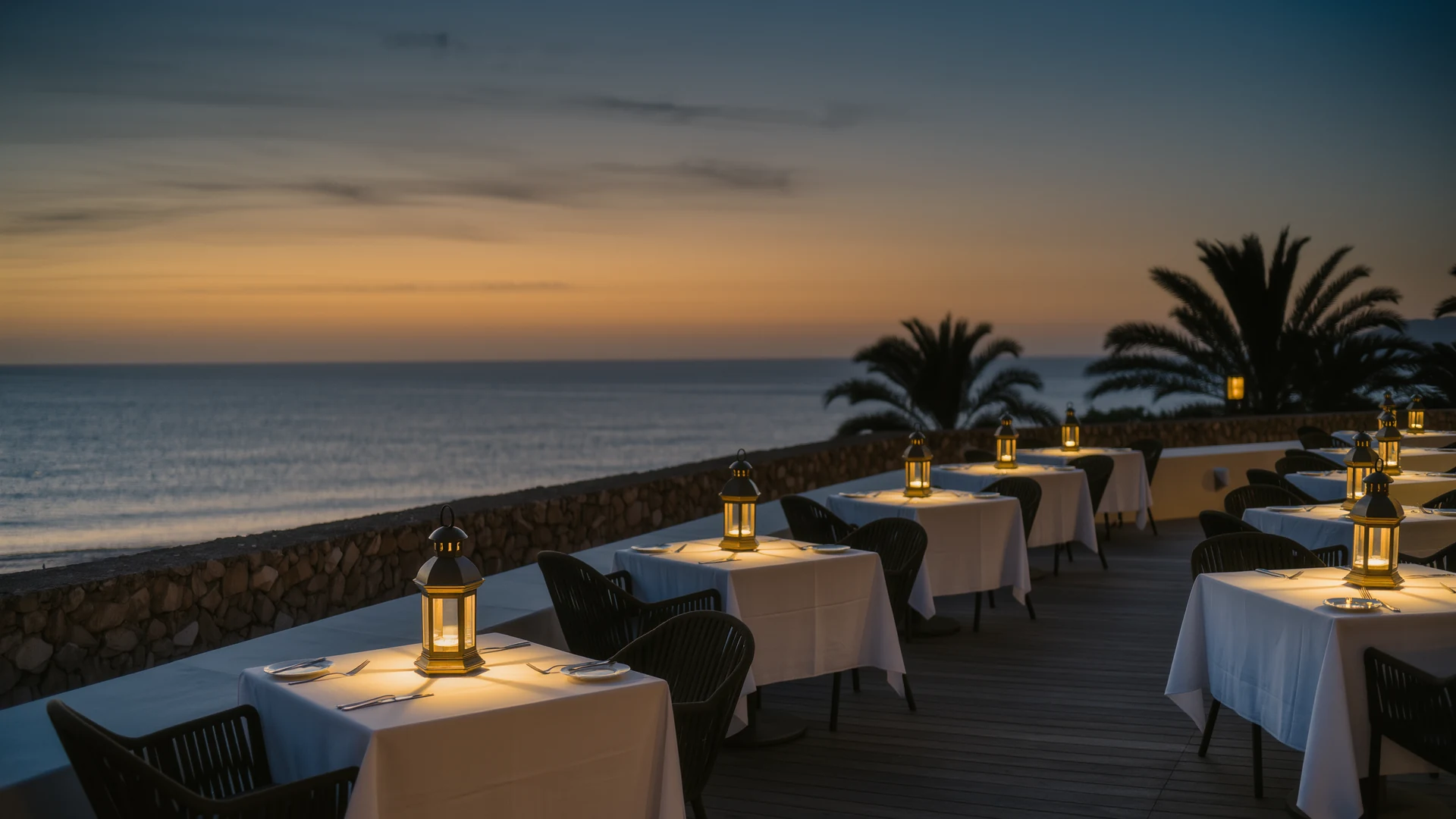
Costa del Sol Gastronomy Guide
Costa del Sol gastronomy guide: discover Málaga’s Michelin stars, espeto chiringuitos, tapas crawls, food markets, and sweet Málaga wines across…
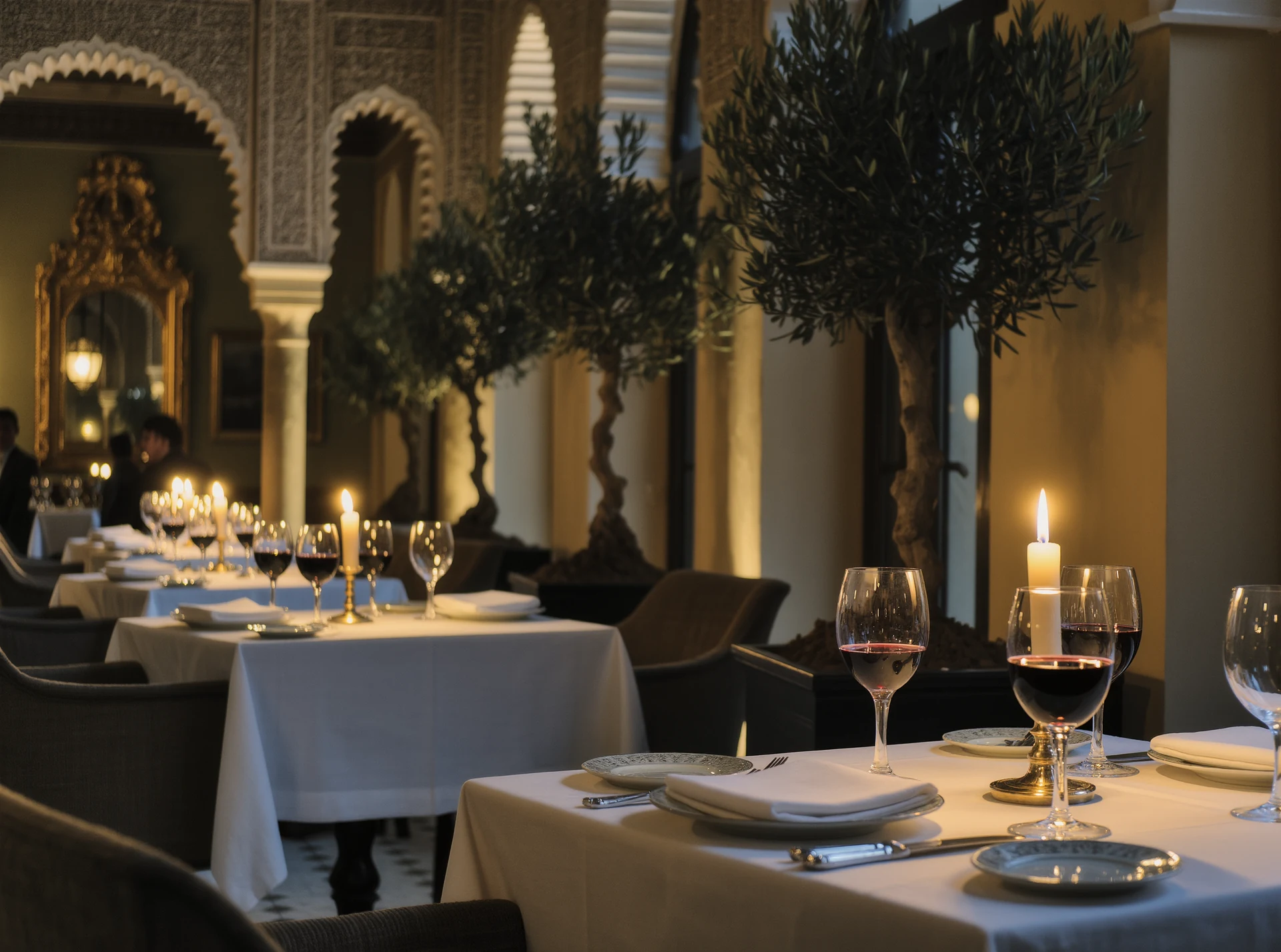
Indulge in Luxury Gastronomy: Spain’s Culinary Delights
You’re probably here because you’re wondering what “luxury gastronomy” in Spain actually means. Simply put, it’s about e…
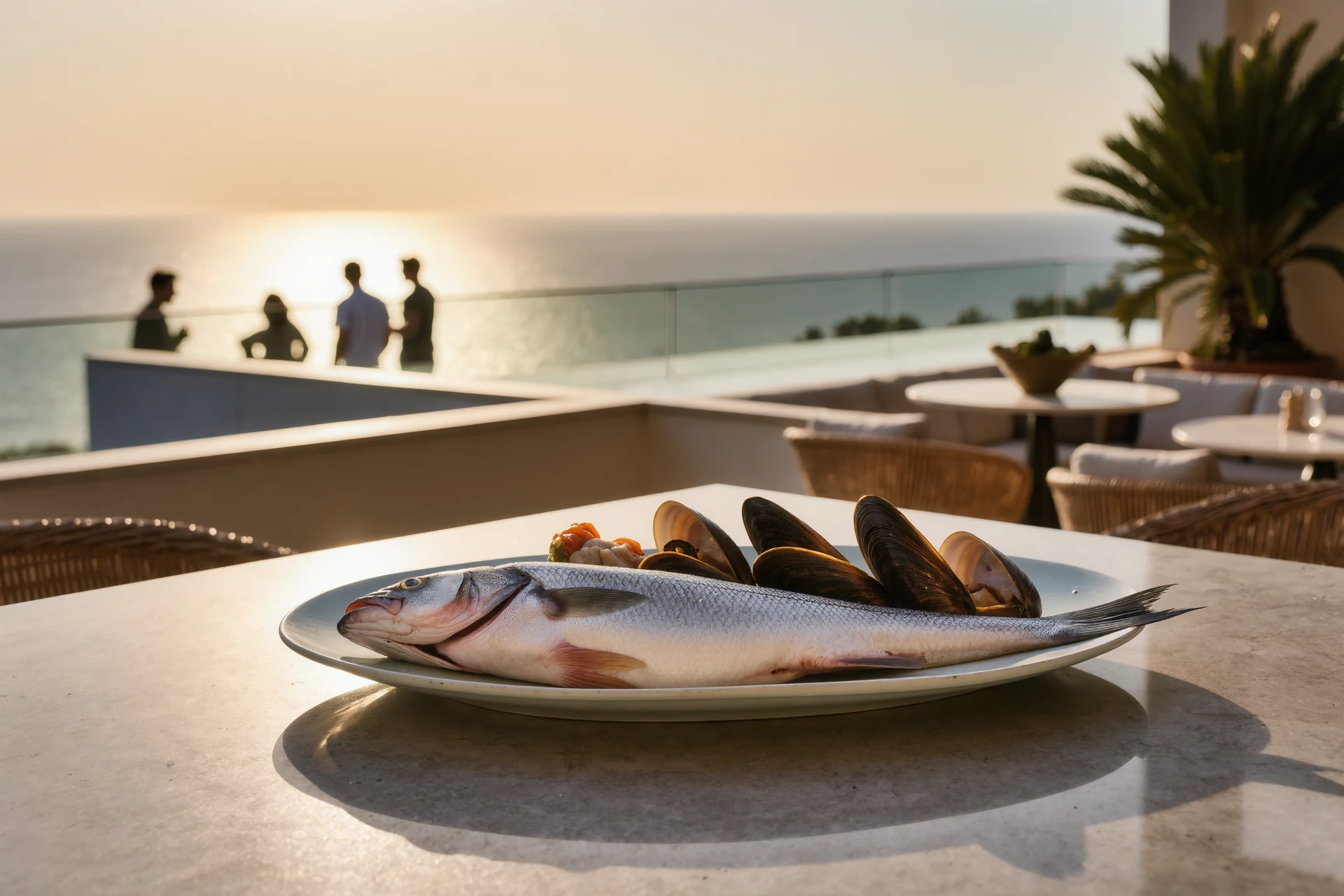
Top Seafood Restaurants on the Costa del Sol
If you’re wondering where to find incredible seafood on the Costa del Sol, you’re in luck. This stretch of coastline is renowned for its f…