Uncovering Costa del Sol’s Hidden Gems
So, you’re looking to get beyond the typical tourist traps in Costa del Sol, huh? Good call. While places like Marbella and Puerto Banús are famous for a reason, there’s a wh…
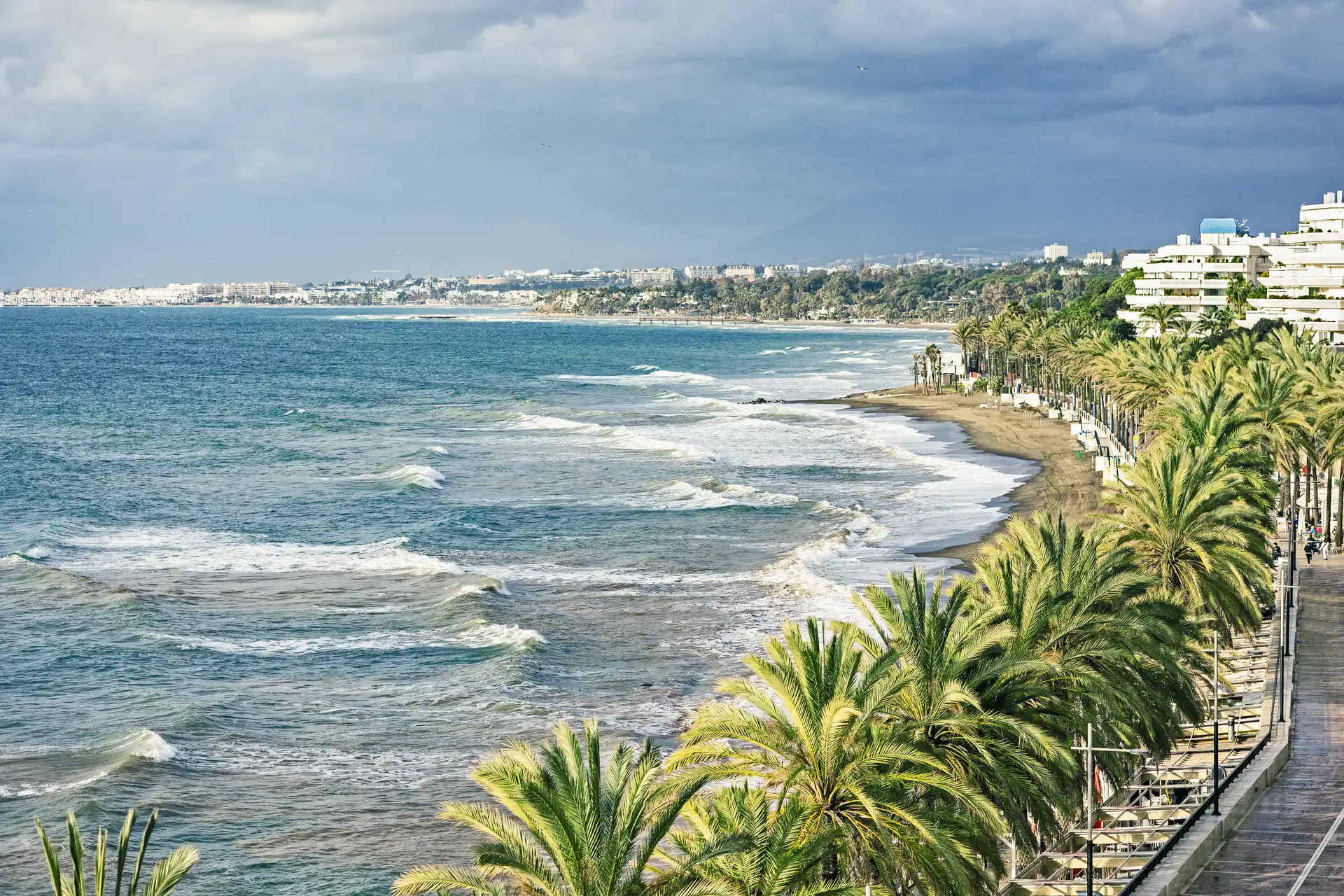
So, you’re looking to get beyond the typical tourist traps in Costa del Sol, huh? Good call. While places like Marbella and Puerto Banús are famous for a reason, there’s a whole lot more to this sun-drenched region than swanky marinas and packed beaches. We’re talking authentic Spanish charm, quieter corners, and experiences that feel a bit more… real. This guide is all about helping you uncover those less-trodden paths, the spots where locals truly unwind, and the cultural nuances that often get overlooked. Forget the generic travel brochures; let’s dive into the bits that make the Costa del Sol genuinely special.
The Costa del Sol might be famous for its coastline, but turn your back to the sea, and you’ll find a world of mountains, white villages, and a slower pace of life. This inland region holds some of the brightest gems, offering a stark contrast to the coastal hustle.
Ronda: Beyond the Bridge, Deeper into History
Everyone knows Ronda for its iconic Puente Nuevo bridge, and honestly, it’s worth the hype. But don’t just snap your photo and leave. This historic town has layers of history and character that are often missed.
Roman and Moorish Echoes
Before the Christians arrived, Ronda was a significant Roman settlement, and later, a crucial Moorish stronghold. Evidence of these eras is everywhere if you know where to look. Head to the Casa del Rey Moro with its impressive hanging gardens (though originally a quarry, not a Moorish king’s house) and descent to the mine, an underground stairway carved into the rock leading down to the river. It’s an adventure down, and a bit of a workout back up, offering a unique perspective of the gorge walls.
Bullfighting’s Birthplace and Beyond
Ronda is considered the birthplace of modern bullfighting, and its Plaza de Toros de Ronda is one of Spain’s oldest and most revered. Even if bullfighting isn’t your thing, the museum inside provides a fascinating historical context to this part of Spanish culture. It offers a glimpse into the artistry and tradition without necessarily condoning the practice itself. Following this, take a stroll through the old town’s narrow, winding streets. You’ll find unexpected plazas and quiet corners, often adorned with traditional ceramics and wrought iron balconies.
Culinary Delights in the Hinterland
Beyond the tourist-focused restaurants near the bridge, seek out smaller, family-run eateries. Look for signs announcing “menú del día” for a value-packed lunch. Ronda’s food scene leans heavily on local produce, including excellent olive oil, cured meats from the mountains, and, of course, the local wine. The region around Ronda is a designated wine region (DO Sierras de Málaga), producing some surprisingly good reds and whites. Many small bodegas offer tastings and tours, which can be a delightful way to spend an afternoon away from the crowds.
Grazalema and Zahara de la Sierra: White Village Wonders
These two villages are stars of the Sierra de Grazalema Natural Park, a protected area known for its dramatic landscapes and unique microclimate, it’s one of the wettest places in Spain, which makes for incredibly lush scenery.
Grazalema’s Mountain Charm
Grazalema itself is a picturesque village, often shrouded in cloud in the mornings, giving it a mystical feel. It’s renowned for its blanket weaving industry, a tradition that dates back centuries. You can visit artisan workshops and perhaps even snag a beautifully made, authentic merino wool blanket, far more unique than airport souvenirs. The village is also a fantastic base for hikers. Numerous well-marked trails crisscross the natural park, ranging from easy strolls to challenging ascents. The views from many of these trails are simply stunning, offering panoramas of rolling hills and distant peaks.
Zahara de la Sierra’s Castle Views
Perched dramatically on a hilltop, Zahara de la Sierra is dominated by its Moorish castle. The climb up to the castle is steep, but the panoramic views of the surrounding olive groves and the brilliant turquoise reservoir below are absolutely worth it. It’s a photographer’s dream. The village itself, like Grazalema, is a maze of whitewashed houses, potted plants, and friendly locals. Don’t miss trying the local olive oil, which is particularly revered here; Zahara sits in a prime olive-growing region. There are several small producers who welcome visitors for tastings.
Coastal Calm: Finding Quiet Shores
While many parts of the Costa del Sol are developed, there are still pockets where you can find quieter beaches, charming coves, and a more laid-back coastal vibe. It just requires knowing where to look, and sometimes, a bit of a drive.
Nerja and Frigiliana: East Coast Escapes
Further east from Malaga, you’ll find a different feel. The landscape becomes more rugged, and the towns retain a stronger sense of traditional Andalusian character.
Nerja’s Balcony and Caves
Nerja is famous for its Balcón de Europa, a stunning viewpoint over the Mediterranean. While popular, it’s not just a tourist trap; the views genuinely are breathtaking. But step away from the main promenade, and you’ll find a charming old town with winding streets, small plazas, and excellent seafood restaurants. The real hidden gem here, if you haven’t heard of it, is the Cuevas de Nerja. These vast prehistoric caves are awe-inspiring, boasting some of the world’s oldest cave paintings and magnificent stalactite and stalagmite formations. It’s a natural wonder that offers a cool escape from the summer heat and a fascinating glimpse into ancient history.
Frigiliana: The Whitest Village
Just a short drive inland from Nerja, Frigiliana is often hailed as one of Spain’s most beautiful “pueblos blancos” (white villages). It truly lives up to the reputation. Its historic Moorish quarter, with its impossibly steep, cobblestone streets, whitewashed houses adorned with vibrant flowers, and breathtaking views of the Mediterranean, is a delight to explore. Lose yourself in its labyrinthine alleys, discover hidden courtyards, and enjoy a coffee at one of the small, charming cafes. Frigiliana truly feels like stepping back in time, and its relaxed pace is a welcome break from the coast.
Estepona: The Garden of the Costa del Sol
West of Marbella, Estepona has undergone a remarkable transformation in recent years, shedding its slightly dated image to become a vibrant, beautiful town. It perfectly balances traditional Andalusian charm with modern amenities, all without the overwhelming crowds of some of its neighbours.
Old Town Revitalization
Estepona’s old town is its crowning glory. The town hall invested heavily in revitalizing it, and the result is stunning. Every street is a riot of colour, with thousands of potted plants and flowers cascading from balconies and walls. Each street has a designated colour scheme for its plant pots, making for a truly picturesque experience. It’s like walking through a living botanical garden. Spend an afternoon simply wandering, getting lost among the floral displays, and discovering the beautifully maintained plazas.
Orchidarium and Murals
Further cementing its “Garden of the Costa del Sol” title, Estepona boasts a spectacular Orchidarium, a modern building housing over 8,000 orchids and a dramatic waterfall. It’s a sensory feast and a wonderfully calm place to visit. Additionally, Estepona has embraced a program of large-scale mural art, with impressive paintings adorning many apartment buildings throughout the town. These incredible works of art tell stories of local history, nature, and culture, turning otherwise bland walls into open-air galleries. It’s a surprisingly engaging way to explore the town beyond the old quarter.
Culinary Adventures: Eating Like a Local
Food is a cornerstone of Spanish culture, and truly experiencing the Costa del Sol means diving into its culinary scene beyond the tourist menus. This region offers a diverse array of fresh produce, seafood, and traditional dishes that are well worth seeking out.
Mercado de Atarazanas: Malaga’s Food Hub
No visit to Malaga, the capital of the Costa del Sol, is complete without exploring the Mercado de Atarazanas. This bustling central market is a feast for the senses and a true reflection of Andalusian life.
Fresh Produce Galore
Housed in a beautiful, iron-framed 19th-century building (with a stunning stained-glass window depicting Malaga’s historical landmarks), the market is divided into sections for fresh fish, meats, cheeses, and an incredible array of fresh fruits and vegetables. Even if you’re not planning to cook, it’s a vibrant spectacle. The fish stalls, in particular, showcase the bounty of the Mediterranean. It’s a great place to pick up picnic supplies or just marvel at the regional produce.
Tapas at the Market
Around the periphery of the market, and within its walls, you’ll find several small tapas bars. These are fantastic for a quick, authentic bite. Grab some freshly fried “pescaíto frito” (small fried fish), an “espeto de sardinas” (sardines cooked on a skewer over an open fire, a Malaga specialty), or some local olives and cheeses. The atmosphere is buzzing, and it’s a genuine slice of local life.
Espetos and Chiringuitos: Beachside Bliss
The “chiringuito” is a quintessential part of the Costa del Sol experience, but not all are created equal. The best ones offer simple, fresh seafood in a relaxed, informal setting right on the beach.
Sardines on the Skewer
Espetos de sardinas are a must-try. You’ll see them being cooked on small boats or open fires on the sand in front of many chiringuitos. Simple, grilled sardines, seasoned with a bit of salt and a squeeze of lemon, are an unbelievably delicious and fresh local delicacy. They are usually very affordable and best enjoyed with a cold beer or a glass of dry sherry.
Beyond Sardines
While sardines are king, most chiringuitos also offer other fresh grilled fish, seafood platters, and traditional paella. Look for places that are busy with locals, that’s usually a good sign of quality and authenticity. Some of the best chiringuitos are found slightly outside the main resort towns, in places like Pedregalejo and El Palo (east of Malaga city) or around Estepona.
Cultural Immersions: Beyond the Sunbed
While the sun and sea are a big draw, diving into the local culture can truly enrich your Costa del Sol experience. It’s about history, art, and understanding the rhythm of Andalusian life.
Flamenco: Authentic Expressions
Many tourist shows offer flamenco, but finding an authentic, passionate performance requires a little discernment. True flamenco is raw, emotional, and often intimately performed.
Peña Flamenca Experiences
Instead of dinner-and-a-show tourist traps, seek out a “peña flamenca.” These are local flamenco clubs where aficionados gather to enjoy and often spontaneously perform flamenco. They are less about glitz and glamour and more about the purity of the art form. Malaga city has several well-regarded peñas. Check local listings or ask a knowledgable local for recommendations. The atmosphere is often more intimate and intense, offering a much deeper cultural experience.
Small Bar Performances
Some smaller, traditional bars, particularly in Malaga’s old town or in quieter villages, might host informal flamenco nights. These can be truly magical, a guitarist, a singer, and a dancer in a cozy setting, with the passion radiating through the room. These aren’t always widely advertised, so it’s worth asking around once you’re on the ground.
Day Trips and Natural Wonders: Escaping the Coast
Sometimes, the best way to uncover hidden gems is to simply get in the car and explore the incredible natural beauty and charming towns that surround the main coastal strip.
El Caminito del Rey: A Walk on the Wild Side
Once known as the “world’s most dangerous walkway,” the Caminito del Rey has been completely renovated and is now a safe, exhilarating experience that offers breathtaking views of the Desfiladero de los Gaitanes gorge.
The King’s Little Path
This spectacular walkway clings to the cliffs high above the Guadalhorce River. It’s an easy, linear walk (around 8km in total, including access paths) suitable for most fitness levels, offering truly stunning scenery. You’ll walk along narrow pathways, across glass-floored sections, and over a suspension bridge, all while taking in the dramatic geological formations and diverse flora and fauna. Booking well in advance is absolutely essential, as tickets are limited and sell out quickly. It’s a truly unforgettable experience and a powerful reminder of nature’s grandeur.
Montes de Málaga Natural Park: Malaga’s Green Lung
Just a stone’s throw from Malaga city, the Montes de Málaga Natural Park offers a quick and easy escape into nature, a world away from the urban bustle.
Hiking and Views
This densely forested park is perfect for hiking, mountain biking, or simply enjoying a picnic with panoramic views of Malaga city and the Mediterranean. There are numerous well-marked trails, ranging from easy strolls to more challenging ascents. The air is fresh, and the sounds of nature replace the city hum.
“Ventas” and Local Cuisine
Scattered throughout the park are traditional “ventas”, roadside inns that serve hearty, rustic Andalusian food. These are fantastic places to stop for a meal, often specializing in “plato de los montes” (a mountain dish featuring various meats, fried egg, and potatoes) or wild mushroom dishes in season. It’s an authentic rural dining experience that’s a real treat after a walk in the park.
By looking beyond the obvious, embracing the local pace, and being open to new experiences, you’ll find that the Costa del Sol truly holds a treasure chest of hidden gems, just waiting to be uncovered. Enjoy your authentically Andalusian adventure!
FAQs
What is Costa del Sol known for?
Costa del Sol is known for its beautiful beaches, vibrant nightlife, and rich cultural heritage. It is a popular tourist destination in southern Spain.What are some hidden gems in Costa del Sol?
Some hidden gems in Costa del Sol include the charming village of Mijas Pueblo, the stunning El Torcal Natural Park, and the picturesque town of Frigiliana.What activities can visitors enjoy in Costa del Sol?
Visitors to Costa del Sol can enjoy a wide range of activities including sunbathing on the beaches, exploring historical sites, hiking in the mountains, and indulging in delicious local cuisine.What is the best time to visit Costa del Sol?
The best time to visit Costa del Sol is during the spring and fall months when the weather is pleasant and the crowds are smaller. Summer is also popular, but it can be very crowded.How can visitors get around Costa del Sol?
Visitors can get around Costa del Sol by using public transportation such as buses and trains, renting a car, or using taxis. The region is well-connected and easy to navigate.More from Hidden Gems
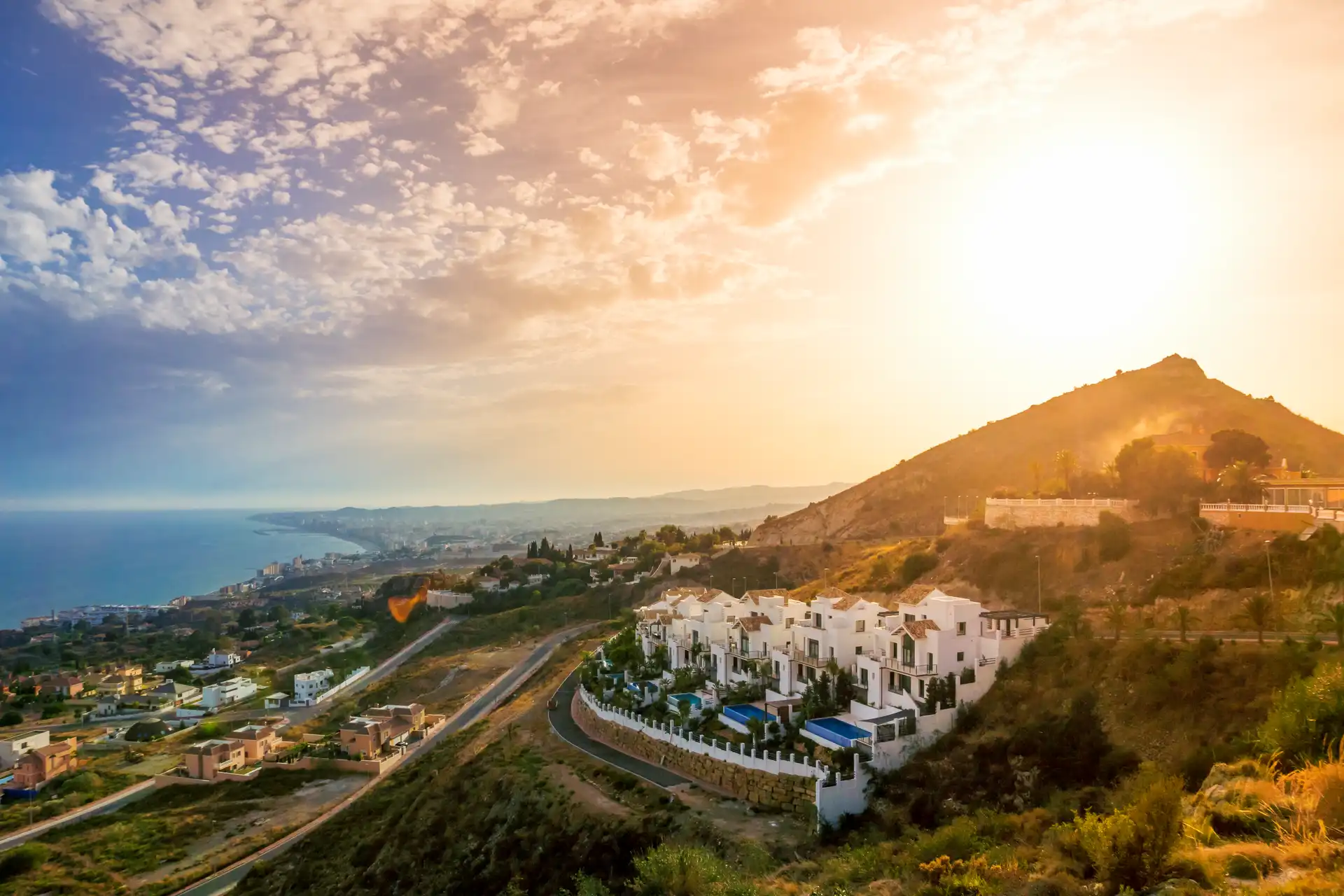
Chic Costa del Sol: Boutique Bliss
So, you’re thinking about a trip to the Costa del Sol but want to skip the mega-resorts and find something a little more… special? You’re …
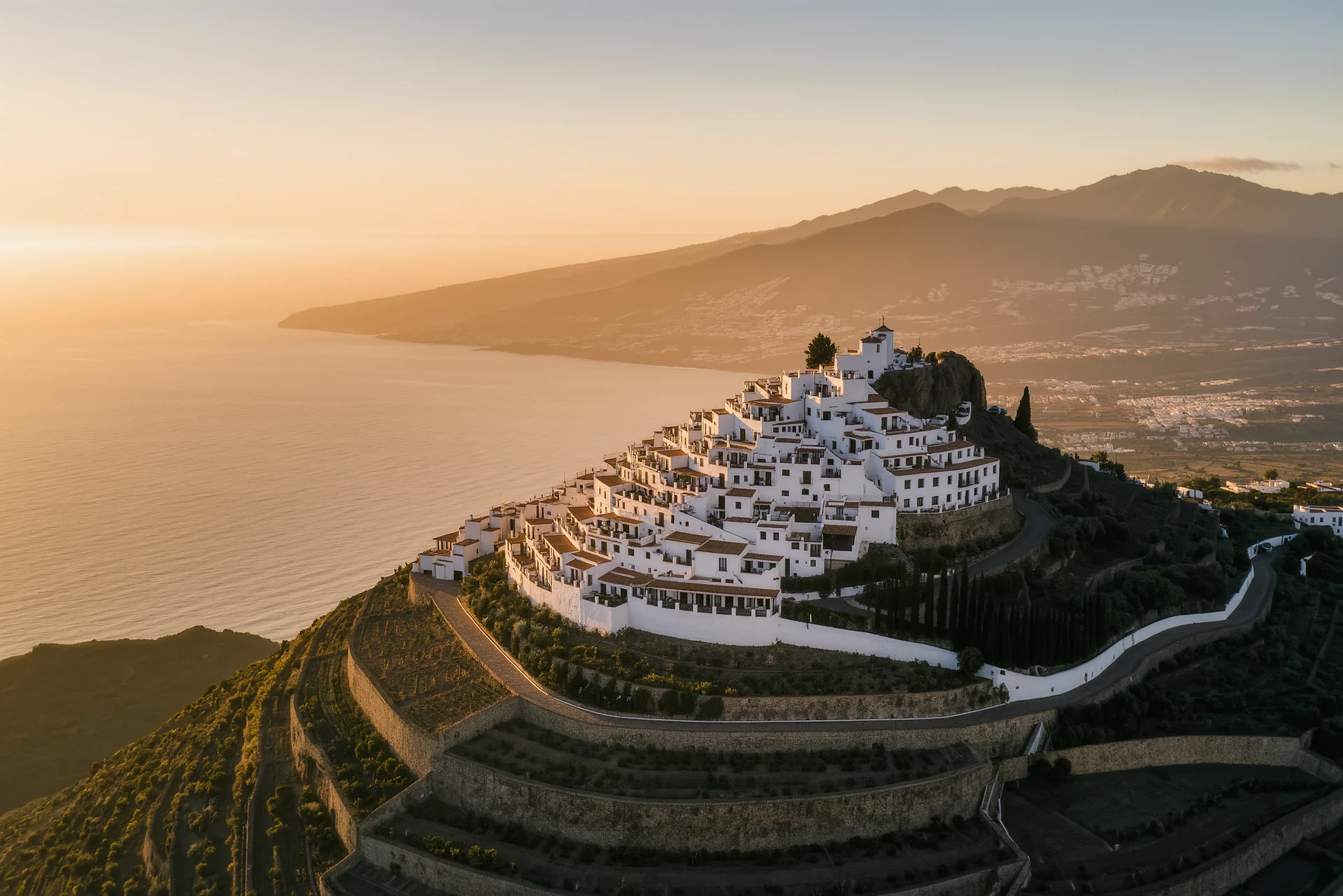
Charming Towns Near Marbella: Exploring the Costa del Sol
Looking for that quintessential Spanish charm beyond the glitz of Marbella? You’re in luck! The Costa del Sol is dotted with genuinely lovely to…
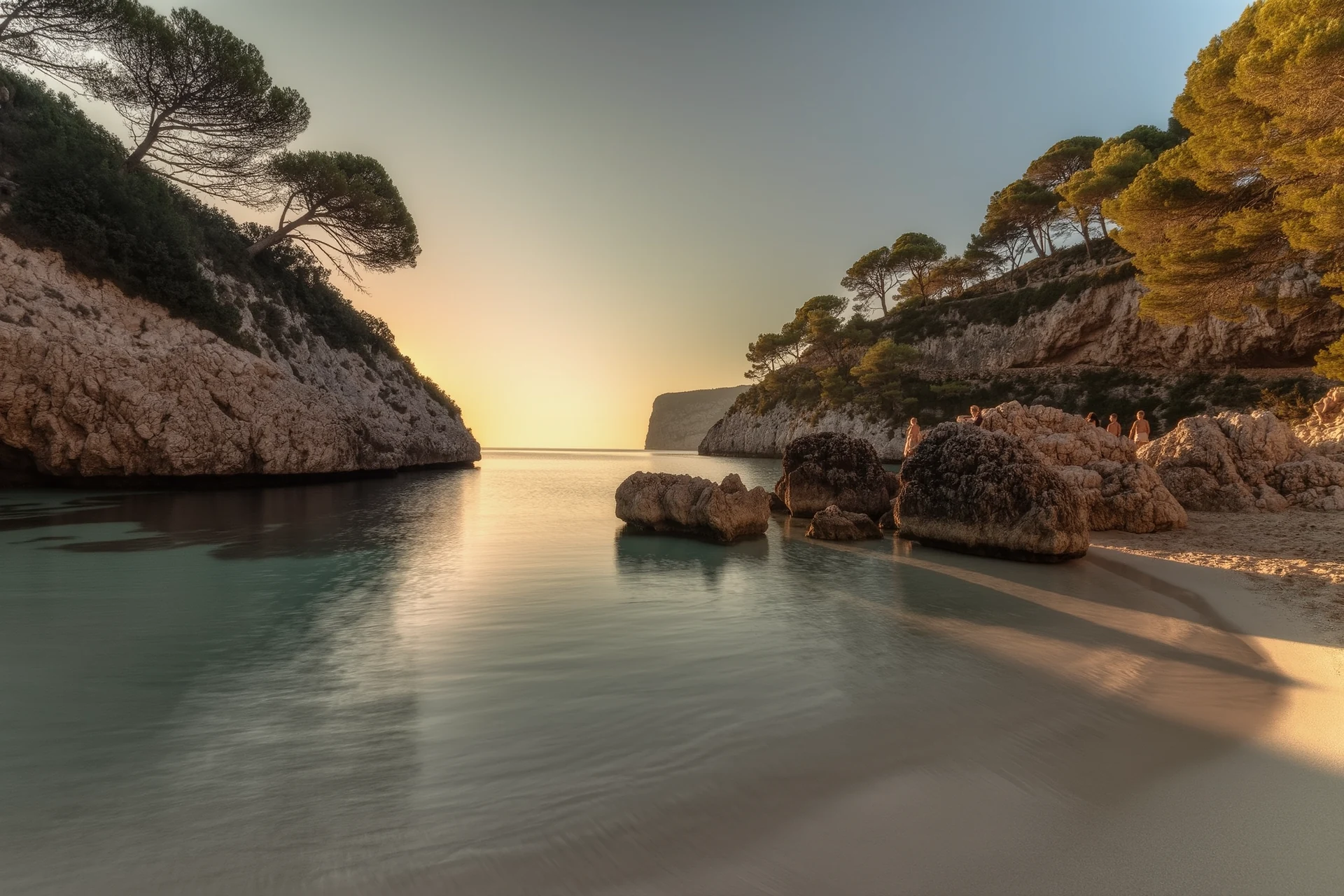
Secret Coves: Costa del Sol’s Hidden Gems
Looking for those tucked-away beaches on the Costa del Sol? While the main playas are great for families and facilities, sometimes you just want a bit…