Uncovering the Hidden Gems of Costa del Sol
So, you’re curious about what’s really going on beyond the usual tourist spots in the Costa del Sol? That’s a smart way to travel! While the beaches and vibrant nightlife are…
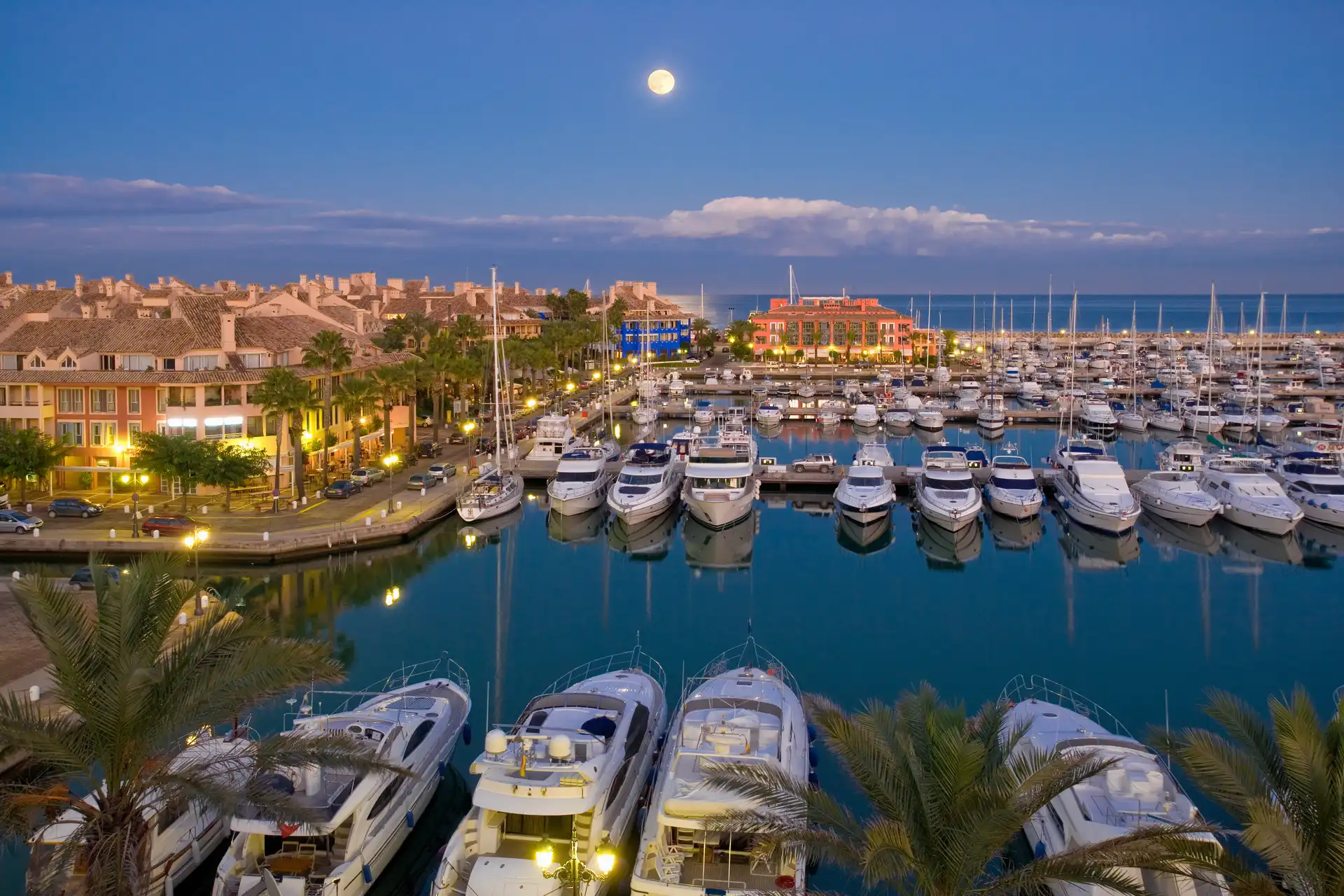
So, you’re curious about what’s really going on beyond the usual tourist spots in the Costa del Sol? That’s a smart way to travel! While the beaches and vibrant nightlife are definitely popular, this stretch of Andalusia has a whole lot more to offer if you’re willing to look a little closer. Think ancient history, authentic villages, stunning natural landscapes, and flavors that will make your taste buds sing.
This guide is all about digging into those often-overlooked places and experiences. We’ll skip the overly slick marketing speak and get straight to what makes these spots special and how you can actually enjoy them. Ready to discover the real Costa del Sol?
Forget the modern resorts for a moment and let’s talk about history that’s etched into the very earth here. The Costa del Sol isn’t just a recent holiday destination; it’s been a crossroads of civilizations for millennia. You can still find tangible evidence of those who came long before, and often, they’re in places that feel a world away from the bustling coast.
The Roman Legacy: More Than Just Ruins
When you think of Roman history, you might picture grand amphitheatres in Italy. But Spain, and particularly this southern coast, has a rich Roman past. The influence of Rome is subtle but significant, woven into the fabric of the landscape and the remnants of their settlements.
Cilantro and Amphorae: The Villa Romana de Río Verde
Near Marbella, you’ll find the ruins of the Villa Romana de Río Verde. This isn’t a sprawling city, but the remains of a Roman villa, likely a wealthy estate. What’s fascinating here are the mosaics, which give you a glimpse into the daily lives and artistic tastes of the Romans who lived here. It’s a quieter experience than many larger historical sites, allowing you to really absorb the atmosphere. Imagine the owners walking on these very floors centuries ago, perhaps discussing trade or enjoying the Mediterranean breeze. The context of its seaside location, even then, is clear.
Underground Secrets: The Roman City of Acinipo
Heading inland towards Ronda, you’ll stumble upon Acinipo. This was a significant Roman city, perched on a hill with incredible views. What makes Acinipo particularly special are its well-preserved Roman theatre and the remains of a basilica and thermal baths. The theatre, in particular, is remarkably intact and still offers a stunning backdrop for performances on occasion. Standing there, you can almost hear the roar of the crowd or the echoes of ancient speeches. The scale of the city, even in ruins, hints at its importance as a center of trade and administration. It’s a place where history feels immediate and powerful.
Andalusian Fortresses: Guardians of the Coast
Before and during the Moorish period, and later during the Reconquista, controlling the territory meant building strong defensive structures. The Costa del Sol is dotted with castles and watchtowers, many of which have survived, offering a glimpse into a more turbulent past.
The Alcazaba of Málaga: A Moorish Masterpiece
Málaga’s Alcazaba is a must-see. It’s a palatial fortress from the Islamic period, offering a fantastic contrast to the modern city below. Wandering through its courtyards, gardens, and ramparts, you’re transported to another era. The intricate architecture, the defensive walls, and the panoramic views over the city and the port are captivating. It’s a layered historical site, with Roman foundations visible in places, showcasing how different eras have left their mark. The sheer effort involved in building such a structure in its time is awe-inspiring.
Castillo de Gibralfaro: The Higher Ground
Perched above the Alcazaba is the Castillo de Gibralfaro. This castle served as a military fortification, and its walls offer even more dramatic views. The walk up is part of the experience, revealing more of the strategic importance of the location. You can trace the battlements and imagine soldiers keeping watch over the coast. The connection between the Alcazaba and Gibralfaro was crucial for defense, creating a layered system of protection. It’s a testament to the strategic thinking of its builders.
Villages of White and Charm: Beyond the Beachfront Buzz
When many people think of the Costa del Sol, they picture long stretches of sand. But tucked away in the hills, and even a short drive inland, are traditional white villages, or “pueblos blancos,” that offer a much more authentic Spanish experience. These are places where time seems to slow down, and local life continues at its own pace.
Frigiliana: The Perch Above Nerja
Frigiliana is often cited as one of the most beautiful villages in Andalusia, and for good reason. It’s a labyrinth of narrow, winding streets draped in bougainvillea, with whitewashed houses clinging to the hillside. The Moorish heritage is palpable here, especially in the older quarter known as “El Barribarto.” Exploring these streets is like stepping into a postcard.
Discovering the Adarves
The “adarves” are the narrow, covered alleyways that are characteristic of Moorish architecture, designed to provide shade. Frigiliana’s adarves are a delight to discover, often leading to hidden courtyards or unexpected viewpoints. Get lost (in a good way!) and soak in the atmosphere. The scent of jasmine or orange blossom might drift from an open window, adding to the sensory experience.
Local Flavors and Crafts
Look out for local produce, particularly olive oil and honey, which Frigiliana is known for. There are also small artisan shops selling ceramics and textiles. Stopping at a local café for a coffee or a glass of wine is essential for experiencing the relaxed pace of village life.
Mijas Pueblo: The Iconic Hillside Escape
Mijas Pueblo is one of the most well-known white villages, and while it does attract visitors, it still retains a lot of its charm. Perched high above the coast, it offers breathtaking views and a distinctly different feel from the resorts below. The famous “burro-taxis” (donkey rides) are a unique, if somewhat tourist-centric, feature.
The Mirador del Paseo de la Muralla
The viewpoint along the old city walls, the Paseo de la Muralla, is spectacular. On a clear day, you can see all the way to Africa. It’s a perfect spot for photos and to simply take in the vastness of the landscape. The contrast between the quaint village and the sprawling, blue Mediterranean is striking.
Hidden Plazas and Local Eateries
Venture away from the main tourist paths to find quieter plazas and traditional tapas bars. These are the places where you’ll find locals enjoying their lunch or an afternoon drink. Don’t be afraid to try the local specialties. Mijas is also known for its sweet wines.
Benalmádena Pueblo: A Quieter Altnernative
Often overshadowed by its beach resort counterpart, Benalmádena Pueblo offers a more serene experience. It’s a charming village with traditional architecture, orange trees, and a peaceful atmosphere. It feels like a genuine Spanish community that just happens to have stunning sea views.
Relaxing in Plaza España
Plaza España in Benalmádena Pueblo is a beautiful, tiled square that serves as the heart of the village. It’s a lovely place to sit, enjoy a drink, and watch the world go by. The vibrant colors of the tiles, set against the white buildings, are a feast for the eyes.
Local Artisan Shops
Similar to other white villages, Benalmádena Pueblo has a selection of small shops selling local crafts and produce. It’s a great place to pick up a unique souvenir without the pressure of the larger tourist markets.
Nature’s Playground: Beyond the Beaches and Golf Courses
While the Costa del Sol is famous for its sunshine and coastal activities, it also boasts some surprisingly diverse and beautiful natural landscapes that are often overlooked. These areas offer a refreshing change of pace and a chance to connect with the wilder side of southern Spain.
The Sierra de las Nieves: A Biosphere Reserve
Just a short drive inland from the coast lies the Sierra de las Nieves Natural Park, a UNESCO Biosphere Reserve. This mountainous region is a haven for biodiversity and offers a dramatic contrast to the coastal plains. It’s a wilder, more rugged environment that feels a world away from the crowded beaches.
Hiking Trails for Every Level
The park is crisscrossed with hiking trails, ranging from gentle strolls through pine forests to more challenging climbs up to mountain peaks. The famous Pinsapo pines (Spanish fir) are a unique feature of this area, and seeing them in their natural habitat is a real treat. You’ll encounter diverse flora and fauna, including mountain goats and a variety of bird species.
El Torcal de Antequera: Surreal Limestone Landscapes
While technically a bit further north from the direct “Costa del Sol” branding, El Torcal is easily accessible and worth the detour. This is an extraordinary karst landscape, a surreal world of towering limestone formations carved by millennia of erosion. Walking through El Torcal feels like stepping onto another planet.
Following the Blue and Green Routes
El Torcal offers marked walking routes (the blue and green routes) that guide you through its most dramatic sections. The rock formations are truly bizarre and captivating, resembling natural sculptures. It’s a fantastic location for photography and for anyone fascinated by geology. Be sure to wear sturdy shoes, as the terrain can be uneven.
The Montes de Málaga: Green Lungs for the City
Closer to Málaga city, the Montes de Málaga Natural Park provides a green escape. These rolling hills are covered in pine forests and offer a respite from the urban heat. It’s a popular spot for locals to go for walks, picnics, and cycling.
Panoramic Views and Gentle Trails
The park has several well-maintained trails that wind through the trees, offering lovely views back towards the city and the coast. It’s a great place for a relaxed nature walk or a family outing. Keep an eye out for the local wildlife, which can include wild boar and various birds of prey.
The Acequia de los Chorrillos: A Watery Path
A particularly beautiful walk within the Montes de Málaga is along the Acequia de los Chorrillos, an old irrigation channel. This path often follows watercourses and offers a cooler, more shaded experience, especially on warmer days.
Flavors of Andalusia: Culinary Adventures Beyond Tapas
The Costa del Sol’s culinary scene is much more than just ubiquitous tapas bars (though they have their place!). If you’re willing to venture out, you’ll find a rich tapestry of flavors, from traditional rustic dishes to fresh seafood that’s practically jumped from the ocean to your plate. This region’s food is deeply connected to its land and its history.
Fresh Catches: Coastal Delights
The coastline itself offers some of the freshest seafood you’ll find anywhere. While many restaurants on the main promenades cater to tourists, a little searching can lead you to authentic chiringuitos (beach restaurants) and local tavernas that serve up the star of the show: the ocean’s bounty.
Espetos de Sardinas: The Iconic Málaga Feast
If you are in Málaga, you absolutely must try the espetos de sardinas. These are sardines skewered on a cane and grilled over open, often wood-fueled, fires right on the beach. The smoky flavor and the simplicity of the dish are incredible. It’s often accompanied by a simple salad and some bread. It’s more than a meal; it’s an experience.
Freshly Grilled Fish: From the Boat to the Plate
Beyond sardines, look for other local catches like dorada (sea bream), lubina (sea bass), or boquerones (anchovies, often fried to a crisp). Many seaside restaurants will display their fresh catch of the day, allowing you to choose your own. The key is freshness, and in the right places, you’ll taste it.
Inland Flavors: Rustic and Hearty
The inland areas of the Costa del Sol, often referred to as the “Costa del Sol Interior,” have their own distinct culinary traditions. These dishes are often more robust, utilizing local produce and livestock.
Introducing the Platters of the Sierra
In the mountain villages, you’ll find dishes like platos de los montes (mountain platters). These are hearty, meat-centric meals often featuring pork, chorizo, and blood sausage, served with potatoes and fried eggs. It’s the perfect fuel after a day of hiking.
Migas and Gazpacho: Andalusian Staples
While found throughout Andalusia, these dishes are perfected in the rural areas. Migas, a dish made from breadcrumbs, is a surprisingly delicious and versatile preparation, often served with accompaniments like grapes, chorizo, or fried eggs. And of course, there’s the refreshing gazpacho or its creamier cousin, salmorejo, perfect for a hot day.
Local Vineyards and Olive Groves: Taste the Terroir
The region is also home to excellent olive oil production and increasingly, some impressive wineries. Visiting these producers can be a deeply rewarding experience.
Olive Oil Tasting: Liquid Gold
Many fincas (estates) offer tours and tastings of their olive oil. It’s a chance to learn about the different varieties of olives, the production process, and to taste the nuances of fresh, local olive oil. It’s a world away from the generic supermarket versions.
The Emerging Wine Scene
While not as famous as other Spanish wine regions, the Costa del Sol is developing a surprising wine scene, particularly around the Ronda area. Seek out local bodegas (wineries) for tastings and to discover the unique wines produced from the region’s diverse microclimates.
Experiencing Authentic Culture: Beyond the Sunlounger
The Costa del Sol, despite its reputation as a holiday hotspot, has a deeply rooted culture that’s vibrant and alive. Tapping into this can enrich your trip immeasurably. It’s about observing, participating, and understanding local customs.
Local Markets: A Sensory Fiesta
For a true taste of local life and produce, head to a local market. These are bustling hubs of activity where farmers and vendors sell everything from fresh fruit and vegetables to local cheeses, meats, and artisanal products.
Mercado de Atarazanas (Málaga): A Gastronomic Marvel
Málaga’s main market is a stunning example of Moorish architecture and a vibrant place to spend a morning. You can buy fresh produce, regional specialties, and even enjoy tapas from the stalls within. The sheer variety and color are incredible.
Smaller Town Markets: Hidden Treasures
Don’t discount the smaller markets in towns like Estepona or Marbella. These can offer a more intimate experience and a chance to chat with local vendors. Look for unique regional products and seasonal delicacies.
Flamenco: The Soul of Andalusia
No exploration of Andalusian culture is complete without experiencing flamenco. While tourist-oriented shows exist, seeking out more intimate venues can offer a more authentic and powerful performance.
Tablaos and Local Peñas
Look for “tablaos” (flamenco venues) that focus on quality performances rather than just mass appeal. In some towns, you might find “peñas flamencas,” which are flamenco clubs often run by enthusiasts, offering a more raw and passionate experience. The intensity of the singing, guitar playing, and dancing is something that has to be felt.
Local Festivals and Ferias: When the Town Comes Alive
If your visit coincides with a local festival or feria, you’re in for a treat. These are often religious celebrations that explode into vibrant street parties with music, dancing, food, and traditional costumes.
Discovering the Timetable
Researching local event calendars before your trip can help you plan your visit around these lively celebrations. Even a small village feria can be an incredibly fun and immersive experience, offering a glimpse into the heart of Andalusian community life.
Embracing the Spirit
These events are about community and celebration. Don’t be afraid to join in the spirit, try some local wine, and enjoy the music. It’s a chance to see a side of Spain that goes far beyond the typical tourist trail.
The Art of the Slow Afternoon: Siesta and Socializing
While the traditional siesta might be less prevalent in some bustling tourist areas, the culture of taking a long, relaxed lunch and enjoying the afternoon is still very much alive in the smaller towns and villages.
Embracing the Pace
Rather than rushing from one attraction to the next, allow yourself to slow down. Enjoy a leisurely lunch, find a shaded plaza for a coffee, and observe the rhythm of local life. This is where you’ll truly connect with the essence of the region.
The Importance of Conversation
The Spanish culture places a high value on conversation and social interaction. Look for opportunities to engage, even if it’s just a simple greeting with a shopkeeper or a nod to a fellow diner. These small interactions can open up your experience significantly.
By venturing slightly off the well-trodden path, the Costa del Sol reveals itself as a region of incredible depth and diversity. From ancient history to breathtaking natural beauty and a culinary scene brimming with local flavors, these hidden gems offer a more authentic and rewarding travel experience. So, pack your curiosity and get ready to uncover the true magic of this sun-drenched coast.
FAQs
What is the Costa del Sol?
The Costa del Sol is a region in the southern part of Spain, known for its beautiful coastline, sunny weather, and popular tourist destinations.What are some undiscovered gems in the Costa del Sol?
Some undiscovered gems in the Costa del Sol include the charming village of Mijas Pueblo, the stunning natural beauty of El Torcal de Antequera, and the tranquil beaches of Nerja.What activities can visitors enjoy in the Costa del Sol?
Visitors to the Costa del Sol can enjoy a wide range of activities, including sunbathing on the beaches, exploring historic towns and villages, hiking in the mountains, and indulging in delicious local cuisine.What is the best time to visit the Costa del Sol?
The best time to visit the Costa del Sol is during the spring and fall, when the weather is pleasant and the crowds are smaller. However, the region enjoys mild weather year-round, making it a popular destination at any time of the year.How can visitors get around the Costa del Sol?
Visitors can get around the Costa del Sol by renting a car, using public transportation such as buses and trains, or taking advantage of the region’s extensive network of bike paths.More from Hidden Gems
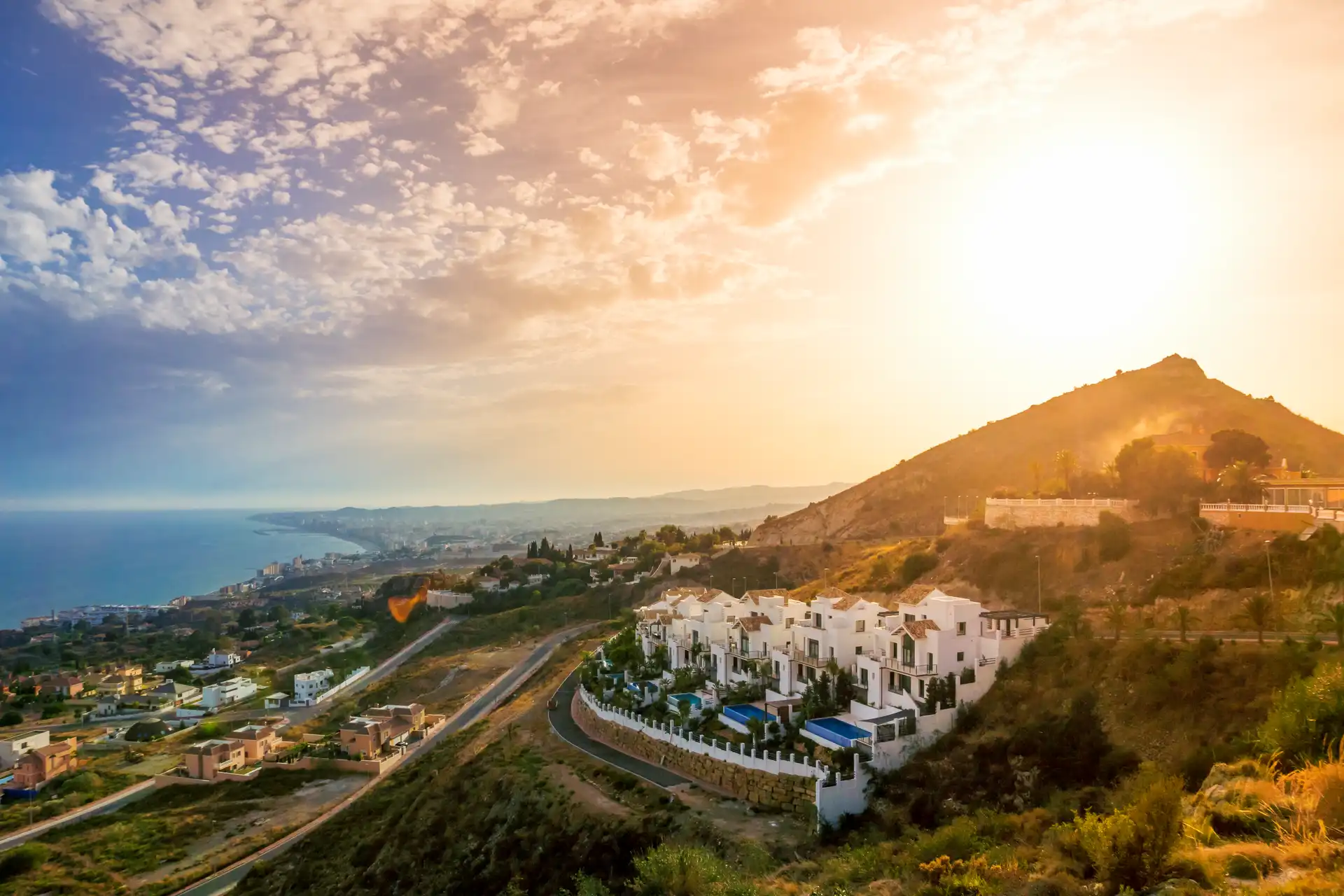
Chic Costa del Sol: Boutique Bliss
So, you’re thinking about a trip to the Costa del Sol but want to skip the mega-resorts and find something a little more… special? You’re …
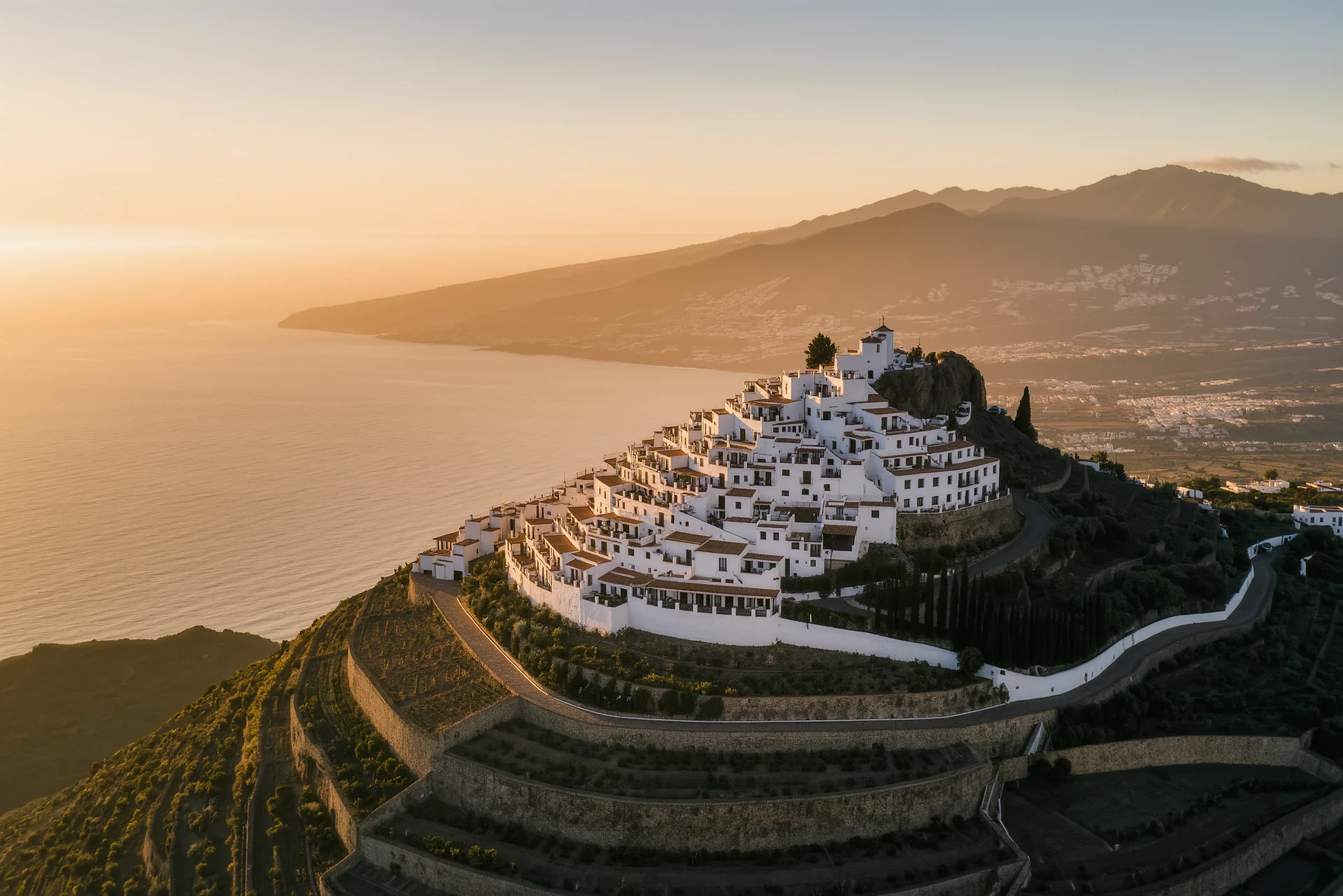
Charming Towns Near Marbella: Exploring the Costa del Sol
Looking for that quintessential Spanish charm beyond the glitz of Marbella? You’re in luck! The Costa del Sol is dotted with genuinely lovely to…
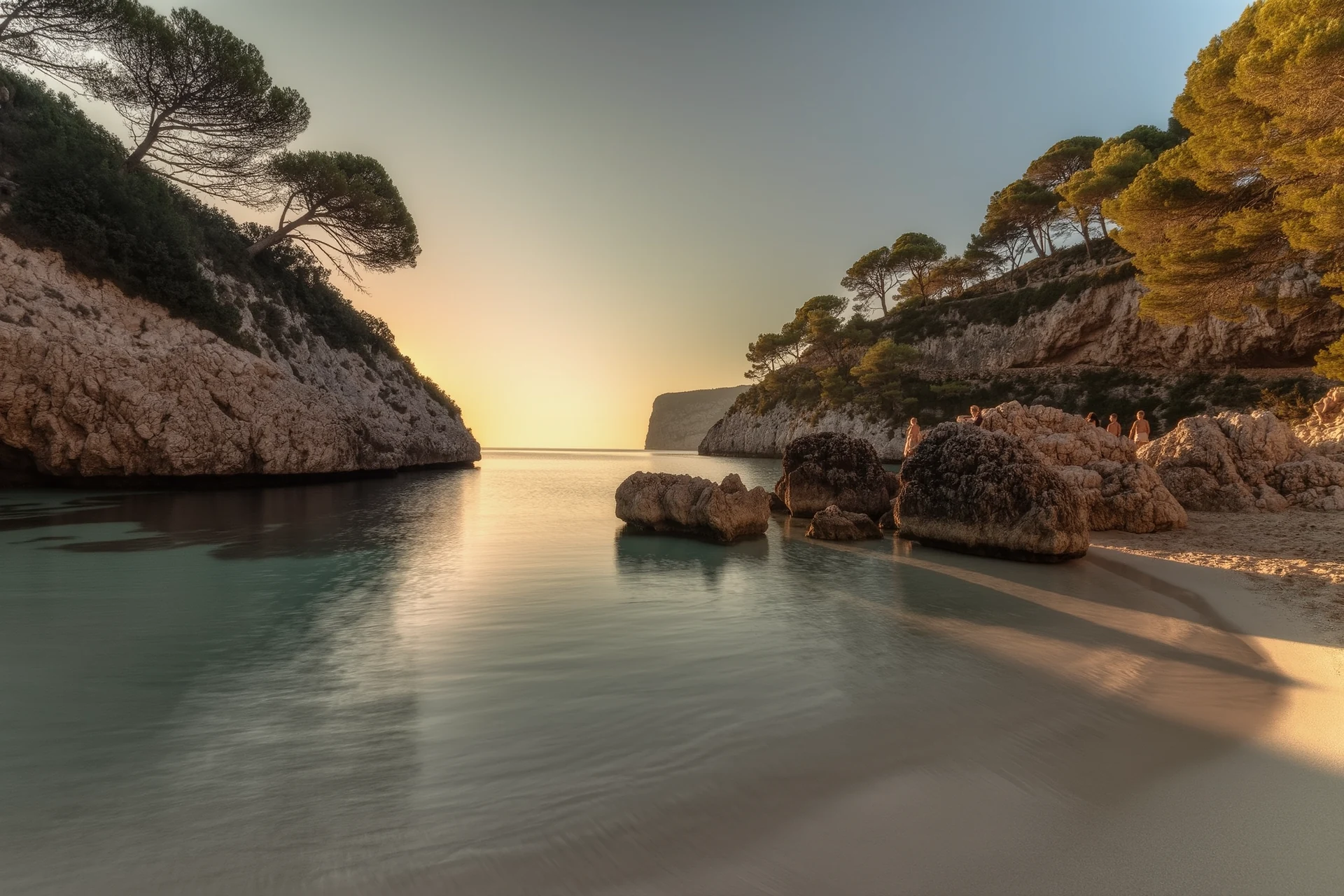
Secret Coves: Costa del Sol’s Hidden Gems
Looking for those tucked-away beaches on the Costa del Sol? While the main playas are great for families and facilities, sometimes you just want a bit…