Uncovering Unseen Perspectives on Marbella
If you’re wondering what Marbella is really like beyond the glossy magazine spreads and celebrity gossip, the simple truth is it’s a place of incredible contrasts. It…
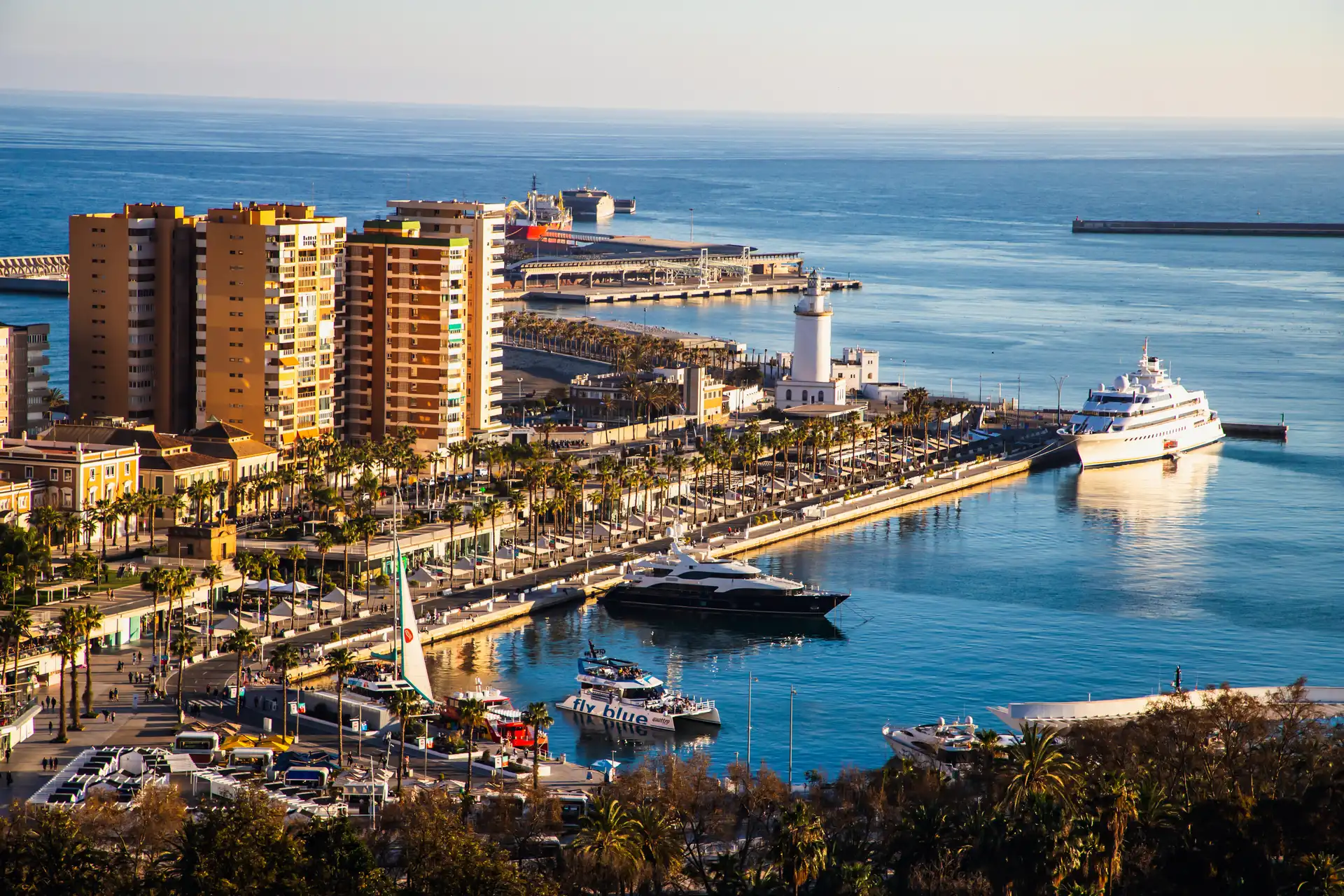
If you’re wondering what Marbella is really like beyond the glossy magazine spreads and celebrity gossip, the simple truth is it’s a place of incredible contrasts. It’s not just the playground of the rich and famous; it’s a living, breathing city with a deep history, a vibrant local culture often overlooked, and surprising pockets of authenticity. We’re going to peel back those layers and explore Marbella from an angle you might not typically see. Forget the clichés; let’s talk about the genuine experiences, lesser-known spots, and the true character of this compelling Costa del Sol destination.
The image of Marbella is, understandably, dominated by its luxurious side. Think Puerto Banús, designer boutiques, and superyachts. And while that’s certainly a part of its identity, it’s far from the whole story. To truly understand Marbella, you need to step away from the golden mile and delve into the local rhythm.
The Enduring Charm of the Old Town
Marbella’s Casco Antiguo, or Old Town, is the true heart of the city and where much of its history resides. This isn’t a museum piece, but a lively, functioning neighborhood.
- Plaque-Lined Alleys: Here, you’ll find narrow, winding streets, many of them pedestrian-only, adorned with vibrant bougainvillea spilling from balconies. Every corner seems to reveal a new plant-filled square or a small, independent shop selling local crafts, not just tourist trinkets. It’s a place where you can genuinely get lost in the best way possible, stumbling upon hidden patios and charming little cafes.
- Orange Square (Plaza de los Naranjos): Yes, it’s famous, but for good reason. It’s a quintessential Andalusian square, vibrant with the scent of orange blossoms, especially in spring. It’s framed by beautiful whitewashed buildings, including the 16th-century town hall. While it can get busy, especially in summer, it’s still a wonderful spot to sit at an outdoor café, enjoy a coffee or a glass of local wine, and just observe daily life. It feels distinctly Spanish and offers a stark contrast to the more modern, upscale areas.
- Beyond the Main Square: Don’t limit yourself to Orange Square. Wander further into the Old Town, and you’ll find quieter plazas with local kids playing football, elderly residents chatting on benches, and neighborhood bodegas that have been serving the community for generations. These are the places where you taste authentic local life, away from the tourist crush.
Everyday Life and Local Haunts
Away from the main tourist drag, you’ll discover that Marbella functions like any other Spanish town, albeit one with a more glamorous neighbor.
- Mercado Municipal: A visit to the local market is always a window into authentic culture. Marbella’s Mercado Municipal is a bustling place where residents do their daily shopping. You’ll find stalls laden with fresh local produce, seafood caught that morning, cured meats, cheeses, and baked goods. It’s loud, vibrant, and a fantastic place to soak in the local atmosphere and perhaps pick up some ingredients for a picnic. It’s not designed for tourists, but they are welcome and often fascinated by the genuine energy.
- **The Chiringuitos locals love:** While Puerto Banús has its high-end beach clubs, Marbella also has numerous traditional chiringuitos (beachside restaurants) that cater largely to locals. They might not look as flashy, but they serve up incredible, fresh seafood, think espetos de sardinas (sardines cooked on a skewer over an open fire), fried fish, and paella, all at much more reasonable prices. These are often family-run, unpretentious, and offer a truly authentic beach dining experience with your feet in the sand.
- Neighborhood Fiestas: If you happen to be in Marbella during one of its local fiestas, you’re in for a treat. These aren’t staged events; they’re genuine celebrations rooted in tradition, often honoring local saints. From parades with flamenco dancers and horse riders to live music and communal meals, these events offer a vibrant and often emotional insight into the community’s heart and soul.
Beyond the Beaches: Nature and Adventure
While Marbella’s beaches are famous, the region offers much more for those who love the outdoors. The proximity to the majestic Sierra Blanca mountains provides a natural playground that is often overlooked by sun-seeking visitors.
The Sierra Blanca Wilderness
Rising dramatically behind the city, the Sierra Blanca mountains offer a stark, beautiful contrast to the coastal bustle.
- Hiking Trails for All Levels: You don’t need to be an expert mountaineer to enjoy the Sierra Blanca. There are numerous well-marked hiking trails ranging from easy strolls to challenging ascents. Pathways through pine forests lead to breathtaking viewpoints, offering panoramic vistas of Marbella, the coastline, and even Gibraltar and North Africa on a clear day. Engaging with this natural landscape provides a completely different perspective on the region, far from the urban environment.
- La Concha Peak: For the more adventurous, a hike up La Concha, Marbella’s iconic shell-shaped mountain, is a highly rewarding experience. While it’s a full-day hike (around 6-8 hours round trip), the views from the summit are unparalleled. It’s a challenging trek, but the feeling of accomplishment and the stunning scenery make it worthwhile for those with good fitness levels.
- Hidden Waterfalls and Gorges: Explore lesser-known paths, and you might discover hidden water troughs, small waterfalls, and impressive gorges. These areas are ecological treasures, home to diverse flora and fauna, including mountain goats, eagles, and various endemic plant species. They offer a tranquil escape and a chance to truly connect with nature.
Watersports Beyond Sunbathing
The Mediterranean Sea around Marbella offers more than just a place to lay out a towel.
- Paddleboarding and Kayaking: Renting a paddleboard or kayak offers a peaceful way to explore the coastline, discover small coves, and even get a unique perspective of the city from the water. Early mornings are particularly serene, with calm waters and beautiful light. Some local operators also offer guided tours that can take you to sea caves or snorkeling spots.
- Scuba Diving and Snorkeling: While not as famous for diving as some other locations, the waters off Marbella do hold interesting sites. There are artificial reefs, small shipwrecks, and diverse marine life to explore. Local dive centers offer courses for beginners and excursions for experienced divers. Even just snorkeling in calmer coves can reveal a surprising amount of underwater activity.
- Sailing and Boating: While luxury yacht charters are a common sight, local sailing clubs offer more accessible ways to get out on the water. You can often find opportunities for smaller boat rentals, or even join sailing lessons. It’s a wonderful way to experience the Mediterranean, whether you’re looking for a relaxing cruise or a more active sailing adventure.
The Quiet Art and Culture Scene
Marbella doesn’t have the grand museums of Madrid or Barcelona, but it possesses a surprisingly rich, albeit often understated, artistic and cultural side if you know where to look.
Local Galleries and Artists
The charm of Marbella’s art scene lies in its intimate nature, often highlighting local talent.
- Casco Antiguo Galleries: Tucked away in the narrow streets of the Old Town, you’ll find several small, independent art galleries showcasing the work of local and regional artists. These spaces focus on contemporary art, sculpture, and photography, often with a distinct Spanish or Andalusian influence. They offer a chance to purchase unique pieces directly from the creators and engage in conversation about their craft.
- Outdoor Art and Sculptures: Marbella boasts a significant collection of outdoor sculptures, particularly along its famous ‘Avenida del Mar’, which links the Alameda Park to the seafront promenade. Here, you can admire ten bronze sculptures by Salvador Dalí, a truly unexpected public gallery. Further along the promenade and in various parks, you’ll discover other works by Spanish and international artists, making a casual stroll an artistic journey.
- Cultural Centers and Workshops: Keep an eye out for local cultural centers (Casas de Cultura) which often host temporary exhibitions, art classes, and workshops focusing on traditional crafts. These are often community-driven and provide a genuine insight into local artistic expression.
Flamenco: The Soul of Andalusia
While Seville and Granada are perhaps more famous for flamenco, Marbella, as part of Andalusia, also has a genuine flamenco heartbeat.
- **Authentic Tablaos (Flamenco Venues):** Avoid the larger, often tourist-focused flamenco shows that feel more like dinner theater. Seek out smaller, more intimate tablaos or bars that host flamenco nights. These venues offer a raw, passionate, and deeply authentic experience where the focus is entirely on the intensity of the singing (cante), guitar playing (toque), and dancing (baile). The atmosphere is electric, and the emotion palpable. You might have to ask locals for recommendations to find the true gems.
- Flamenco Schools and Workshops: For those truly interested, some schools offer short introductory workshops where you can learn about the history of flamenco, try some basic steps, or understand the rhythms. It’s a fantastic way to deepen your appreciation for this intricate art form.
- Flamenco in Fiestas: During local fiestas, particularly at ferias, flamenco music and dance are an integral part of the celebrations. You’ll see locals dressed in traditional attire, dancing Sevillanas (a partner dance related to flamenco but more social), and often spontaneous flamenco performances. These are the most authentic and unadulterated flamenco experiences you can witness.
Culinary Adventures Beyond Fine Dining
Marbella is rightly celebrated for its Michelin-starred restaurants and high-end eateries. But if you only stick to those, you’ll miss out on the incredible, diverse, and often more affordable culinary landscape that truly defines local life.
Tapas Culture: The True Marbella Flavors
Tapas are more than just small plates; they’re a social institution in Spain, and Marbella is no exception.
- Bar-Hopping (Tapeo): The best way to experience tapas is by tapeo, moving from bar to bar, trying a different specialty at each. Many bars in the Old Town and local neighborhoods offer a free tapa with your drink, a fantastic way to sample variety without breaking the bank. Look for bars with a lively buzz, often standing-room only, where locals congregate. This is where you’ll find authentic, freshly prepared dishes.
- Regional Specialties: Beyond the ubiquitous patatas bravas, seek out local specialties like gambas al pil-pil (sizzling garlic prawns), boquerones fritos (fried anchovies), tortilla española, and delicious local cured meats and cheeses. Each bar often has its own signature tapa.
- Raciones and Media Raciones: If you find a tapa you particularly love, you can often order a media ración (half portion) or a ración (full portion) to share, making it a casual and enjoyable way to have a full meal with friends. This style of eating encourages conversation and sharing.
Traditional and Unexpected Local Eats
Venture beyond the typical and you’ll find Marbella’s true culinary personality.
- Esbetos de Sardinas: We mentioned these earlier, but they deserve a separate highlight. These sardines, grilled on skewers over an open wood fire in a boat-shaped barbecue right on the beach, are a quintessential Marbella experience. They are simple, fresh, incredibly flavorful, and best enjoyed at a casual beachside chiringuito with a cold beer. It’s seaside dining at its most authentic.
- Local Bakeries and Pastelerías: Don’t skip the local bakeries. Marbella has many excellent pastelerías (pastry shops) selling traditional Spanish sweets and pastries. Try churros con chocolate for breakfast, or the diverse range of cakes and pastries, often made with almonds, honey, and local fruits. These are fantastic places to grab a morning treat or an afternoon pick-me-up.
- Venture to Nearby Villages for Gastronomy: While technically outside Marbella, exploring the smaller, whitewashed villages in the surrounding hills (like Ojén or Monda) offers a chance to experience truly traditional Andalusian cuisine in a tranquil setting. The restaurants here often use ingredients sourced directly from the local area, offering hearty stews, game dishes, and robust flavors that are a world away from the coastal fare.
Embracing the Slower Pace: Authenticity on the Margins
Ultimately, uncovering unseen perspectives on Marbella means slowing down and stepping off the beaten path. It’s about recognizing that beneath the polished veneer, there’s a real, lived-in place with its own unique heartbeat.
Off-Season Discoveries
Visiting Marbella outside the peak summer months can drastically change your experience.
- Tranquility and Authenticity: During spring, autumn, and even winter, Marbella retains its pleasant climate but sheds much of its tourist crowds. This is when the city feels most authentically Spanish. Locals reclaim their favorite spots, the pace of life becomes noticeably slower, and you can truly appreciate the beauty and charm without the hustle and bustle.
- Cultural Events: The shoulder seasons often host more local cultural events, festivals, and concerts that cater to residents rather than just visitors, offering a deeper dive into the community’s life.
- Better Deals: Accommodation and flights are often more affordable outside the high season, making a longer, more immersive stay
more feasible.
Connecting with the Local Community
Genuine experiences often come from genuine interactions.
- Learn Some Spanish: Even a few basic phrases of Spanish can open doors to warmer interactions. Locals appreciate the effort, and it can lead to recommendations for hidden gems or simply more insightful conversations.
- Support Local Businesses: Choose to patronize local, independent shops, family-run restaurants, and artisanal producers. Your money directly benefits the community and helps keep traditional trades and unique local character alive.
- Engage and Observe: Sit on a park bench and watch life unfold. Observe the rhythm of the Old Town residents. Strike up a conversation with a shopkeeper or a barista. These small moments of engagement are often where the most profound and authentic understanding of a place truly emerges.
Marbella is a city of layers, and while its reputation precedes it, there’s so much more to discover beyond the well-trodden paths. By delving into its historic heart, exploring its natural surroundings, appreciating its local art and food, and embracing its quieter moments, you’ll unearth a version of Marbella that is vibrant, authentic, and truly captivating. It’s an exploration that reveals a deep-seated charm and character that often gets overshadowed but is always there, waiting to be found.
FAQs
What is Hidden Viewpoints Marbella?
Hidden Viewpoints Marbella is a series of hidden and lesser-known viewpoints in the Marbella area that offer stunning panoramic views of the city, coastline, and surrounding mountains.Where are these hidden viewpoints located?
These hidden viewpoints are located in various spots around Marbella, including in the hills and mountains surrounding the city, as well as along the coastline.How can I access these hidden viewpoints?
Access to these hidden viewpoints varies, but many of them can be reached by hiking or driving along scenic routes. Some may require a short walk or hike to reach, while others are easily accessible by car.What can I expect to see from these hidden viewpoints?
From these hidden viewpoints, visitors can expect to see breathtaking panoramic views of Marbella, the Mediterranean Sea, and the surrounding natural landscapes. These viewpoints offer a unique perspective of the area and are perfect for photography and sightseeing.Are there any safety considerations when visiting these hidden viewpoints?
Visitors should exercise caution when visiting these hidden viewpoints, especially if they require hiking or walking along narrow paths. It’s important to wear appropriate footwear, stay on designated paths, and be mindful of any potential hazards, such as steep drops or uneven terrain.More from Hidden Gems
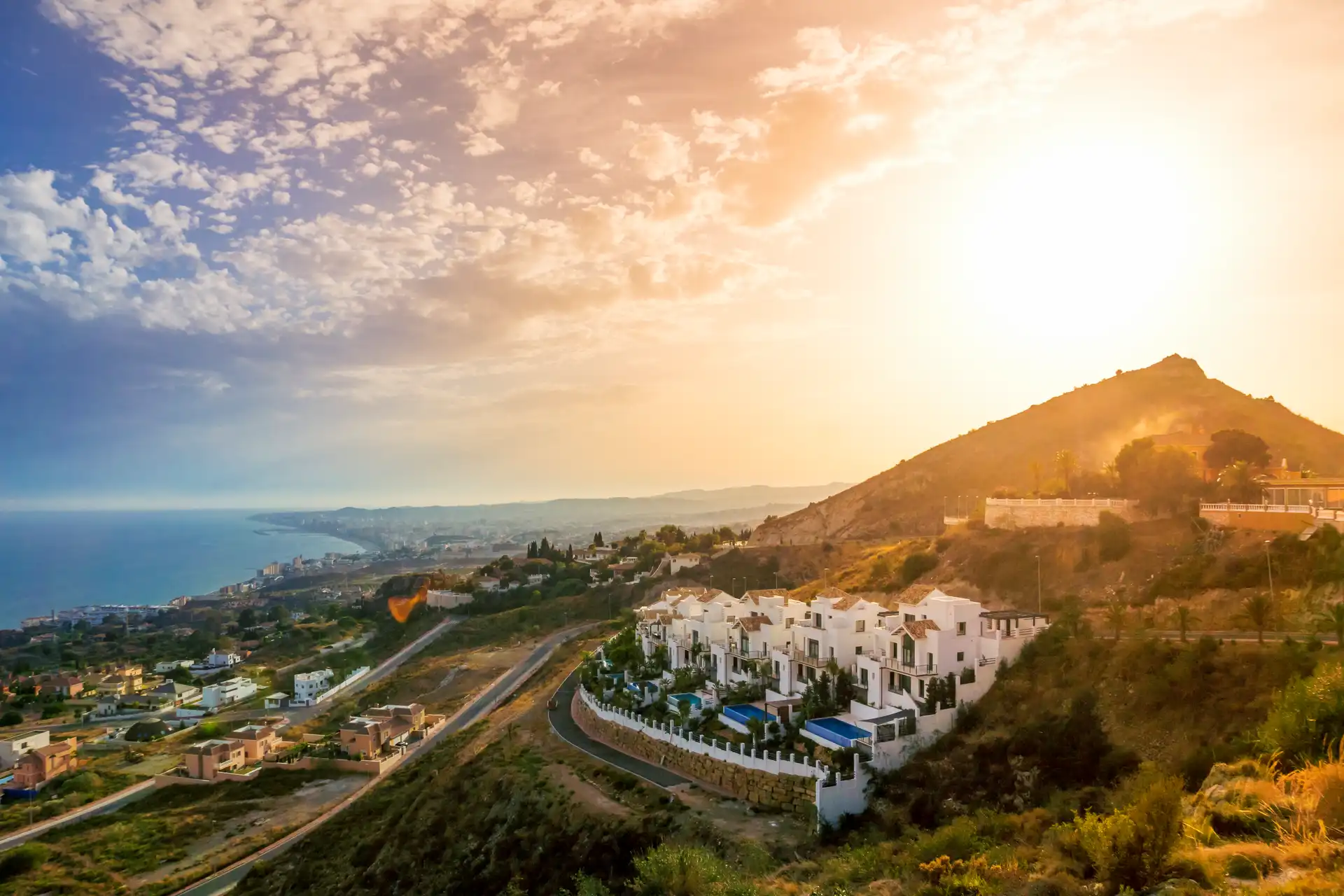
Chic Costa del Sol: Boutique Bliss
So, you’re thinking about a trip to the Costa del Sol but want to skip the mega-resorts and find something a little more… special? You’re …
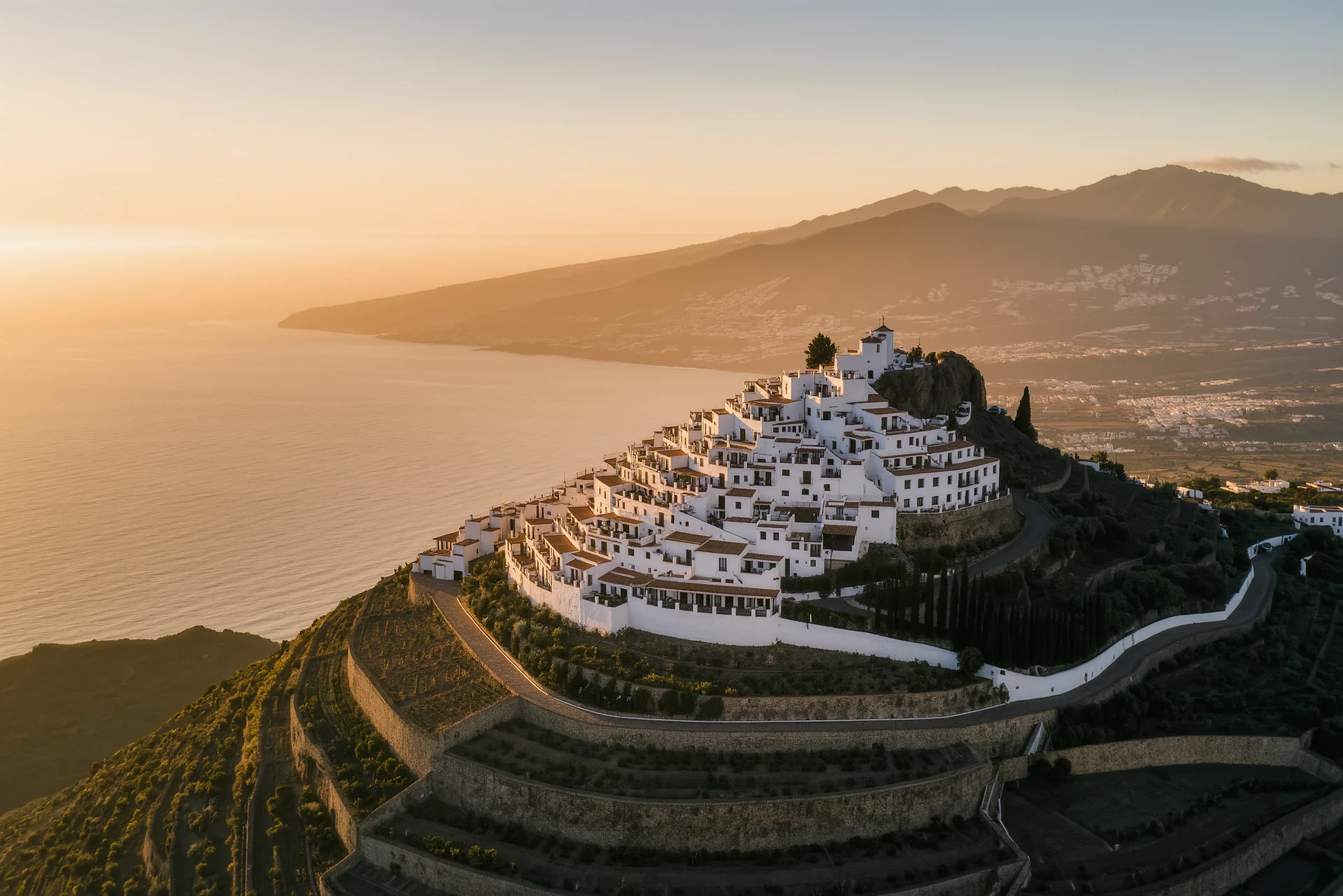
Charming Towns Near Marbella: Exploring the Costa del Sol
Looking for that quintessential Spanish charm beyond the glitz of Marbella? You’re in luck! The Costa del Sol is dotted with genuinely lovely to…
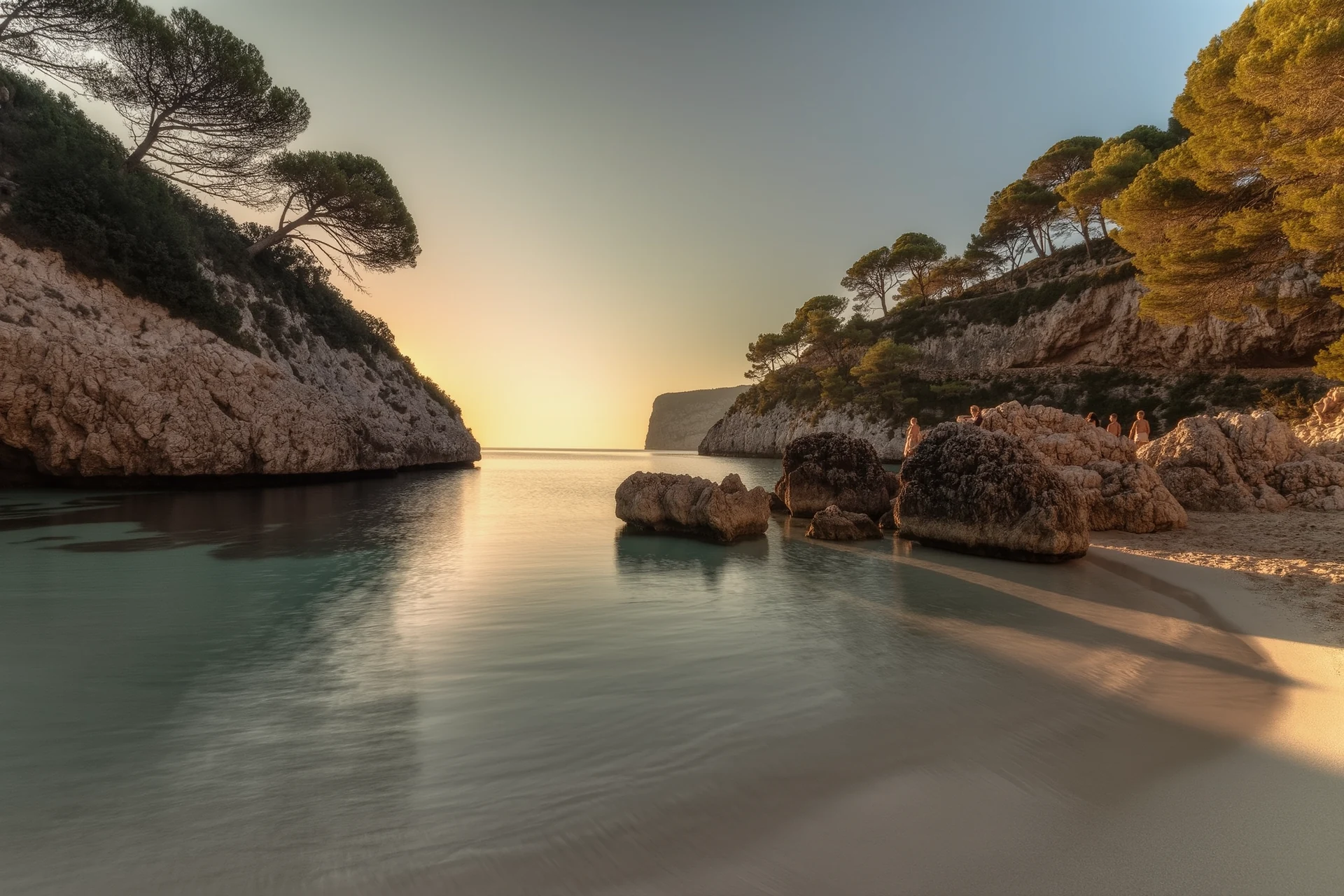
Secret Coves: Costa del Sol’s Hidden Gems
Looking for those tucked-away beaches on the Costa del Sol? While the main playas are great for families and facilities, sometimes you just want a bit…